
Technical Parameters of LVDT Displacement Sensor
An LVDT displacement sensor converts linear motion into an electrical signal. Its performance depends on several technical parameters. The measuring range, or stroke, defines the maximum core displacement that can be measured while maintaining accuracy. Linearity shows how closely output follows a straight line over the range, often expressed as a percentage of full scale. Sensitivity indicates output voltage per unit displacement, such as mV/mm/V. Resolution is the smallest detectable movement, usually limited by signal noise and electronics. Repeatability and hysteresis describe the sensor's ability to return to the same output for the same position.
Excitation voltage and frequency are critical. Typical LVDTs use AC excitation from 1 V to 10 V RMS at 1 kHz to 10 kHz. Input and output impedance affect compatibility with signal conditioners. Phase shift between primary and secondary signals must be considered. Temperature coefficient and operating temperature range influence stability in harsh environments. Dynamic frequency response determines suitability for fast motion measurement.
Mechanical parameters include core weight, shaft diameter, housing material, and IP rating. A robust LVDT may offer IP67 or higher protection. Cable length and connector type also affect noise immunity. When selecting an LVDT, engineers should balance range, accuracy, environmental resistance, and cost. Understanding these technical parameters ensures reliable displacement measurement in automation, aerospace, civil engineering, and laboratory systems.
 Field Application of Long-dist
 Model and Specification of Lon
 Import Substitute Long-distanc
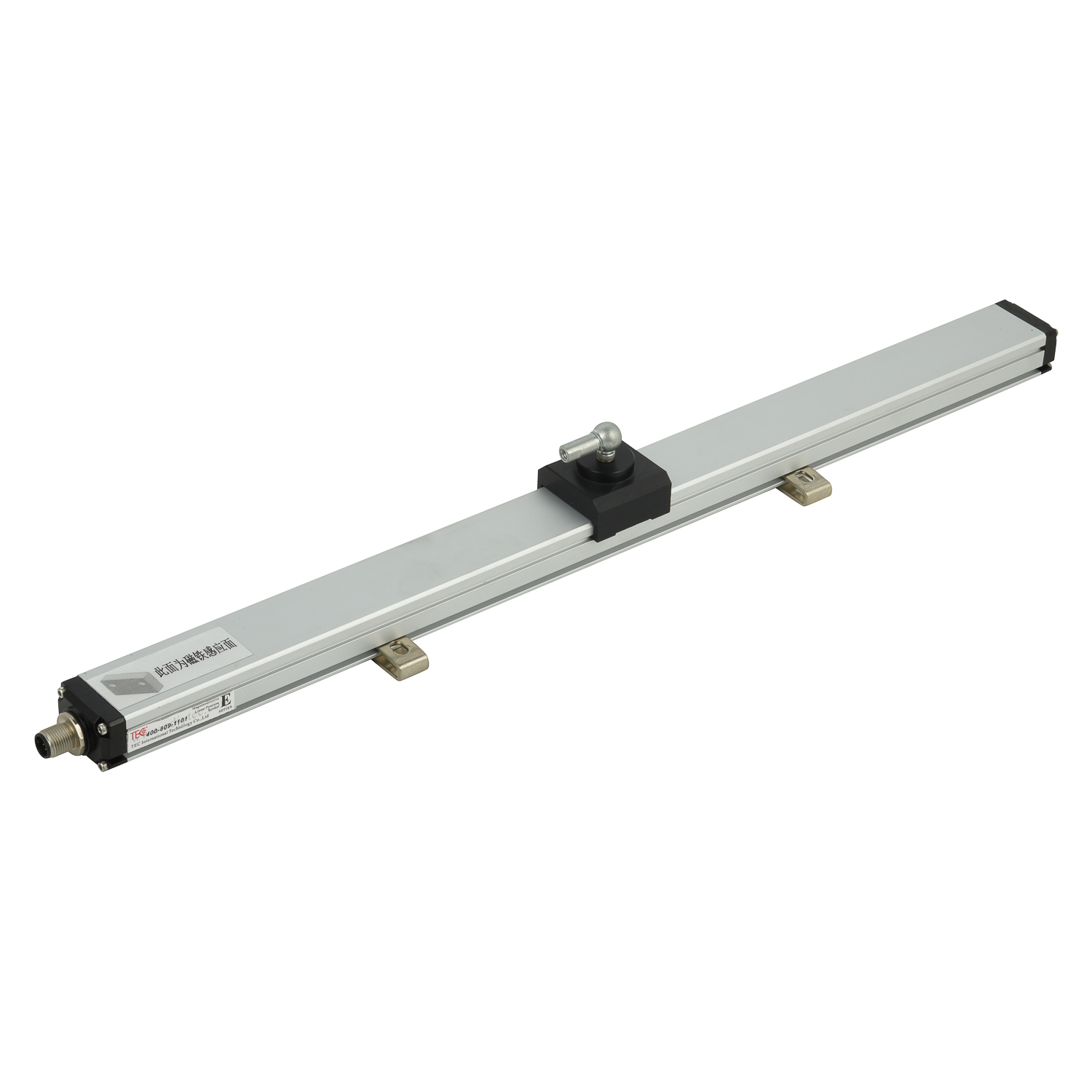 Installation Method of Long-di