
Installation Method of LVDT Displacement Sensor
Installing an LVDT displacement sensor correctly ensures accurate, stable measurement. First, select a rigid mounting point that minimizes vibration. Fix the sensor body with clamps, brackets, or threaded mounts. Keep the body and core coaxial. Misalignment causes friction, reduced stroke, and nonlinear output.
Connect the core to the moving object with a non-binding linkage. Allow slight radial float so the core moves freely. Do not let the core touch the inner wall. Leave clearance at both stroke ends. Avoid over-travel that can damage the core or coil assembly. For spring-loaded LVDTs, ensure the probe contacts the target without side loading.
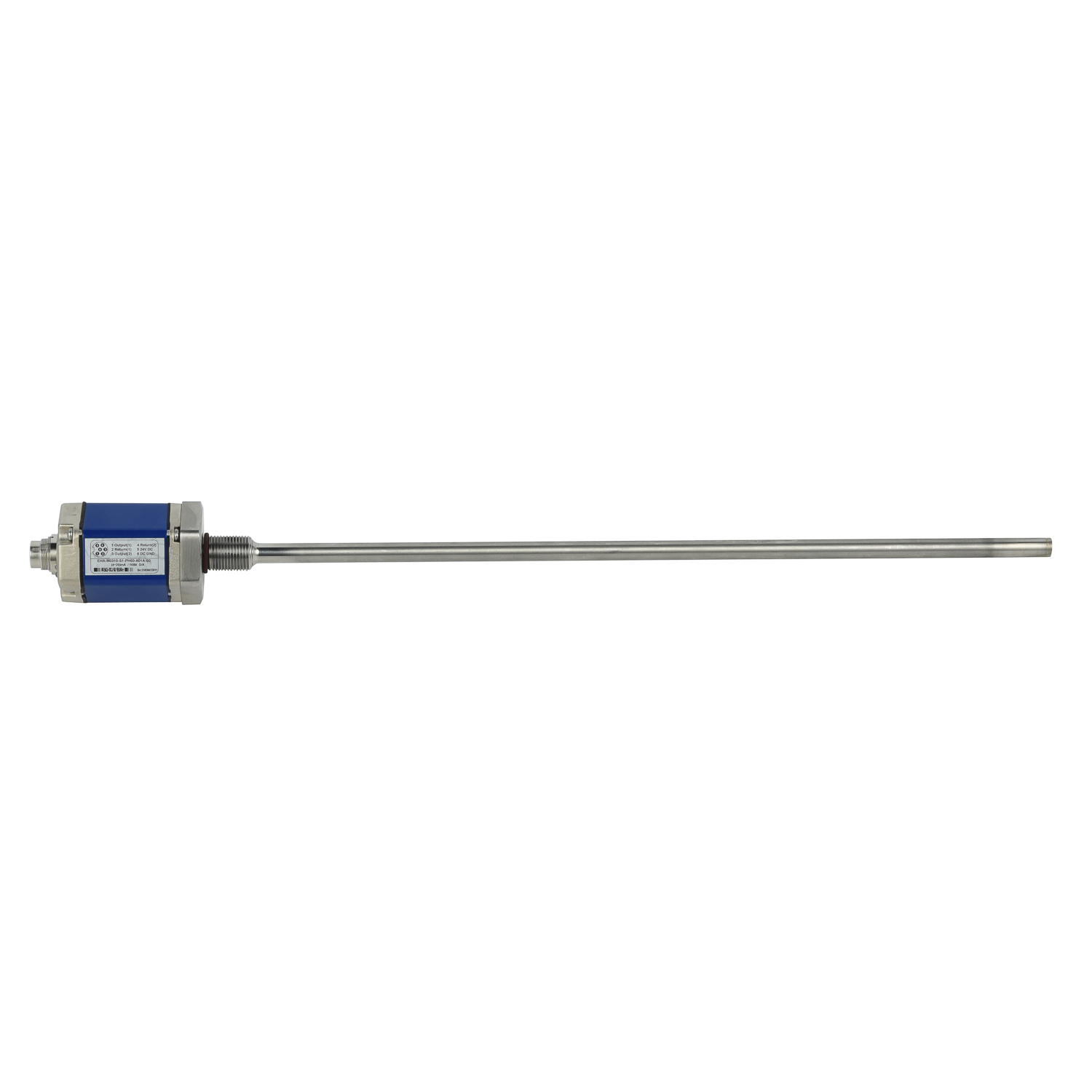
Electrical installation also matters. Use shielded cable and connect the shield to ground at the signal conditioner end only. Keep cables away from motors, drives, and high-voltage lines. Follow the manufacturer’s wiring diagram for primary excitation and secondary outputs. Check insulation and continuity before powering.
After mounting, set mechanical zero near the center of the measuring range. This gives the best linearity. Adjust the signal conditioner for zero and gain, then calibrate with a known reference. Tighten all fixtures and recheck the reading. Protect the sensor from dust, oil, moisture, and metal chips. In harsh environments, use a protective cover or an IP-rated model. Finally, test the full stroke slowly and confirm repeatability. Proper installation ensures long service life and reliable displacement feedback.
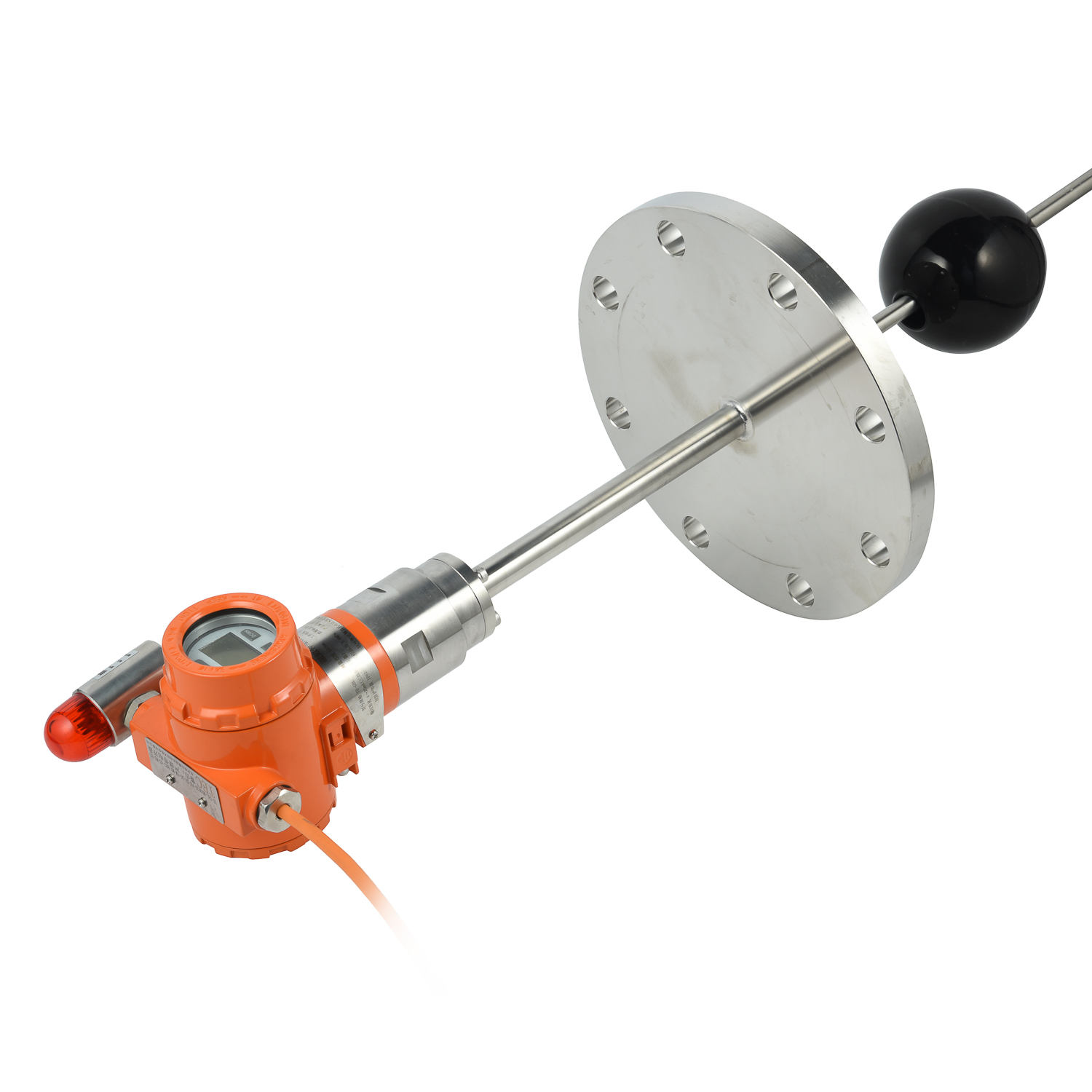 Import Substitute Long-distanc
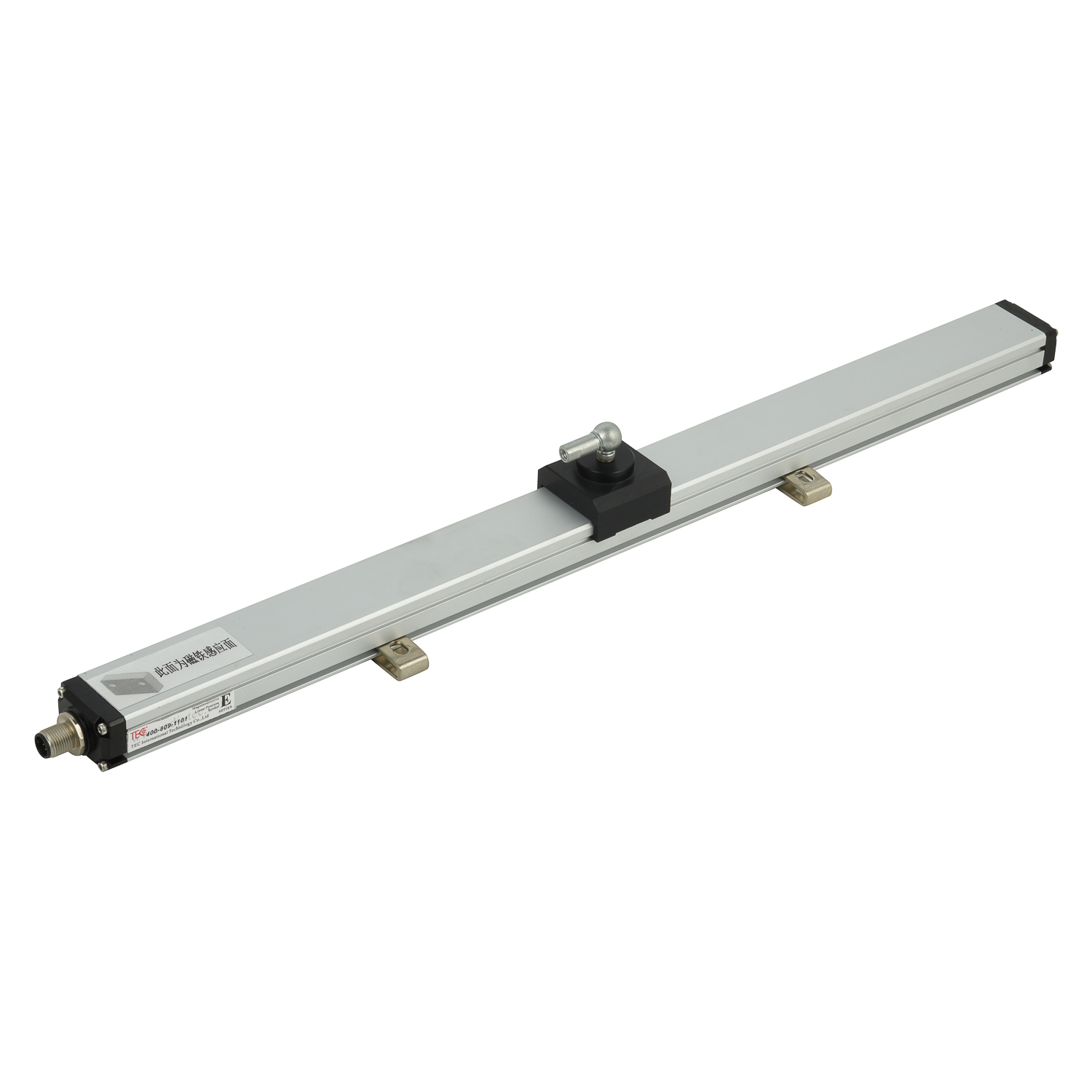 Installation Method of Long-di
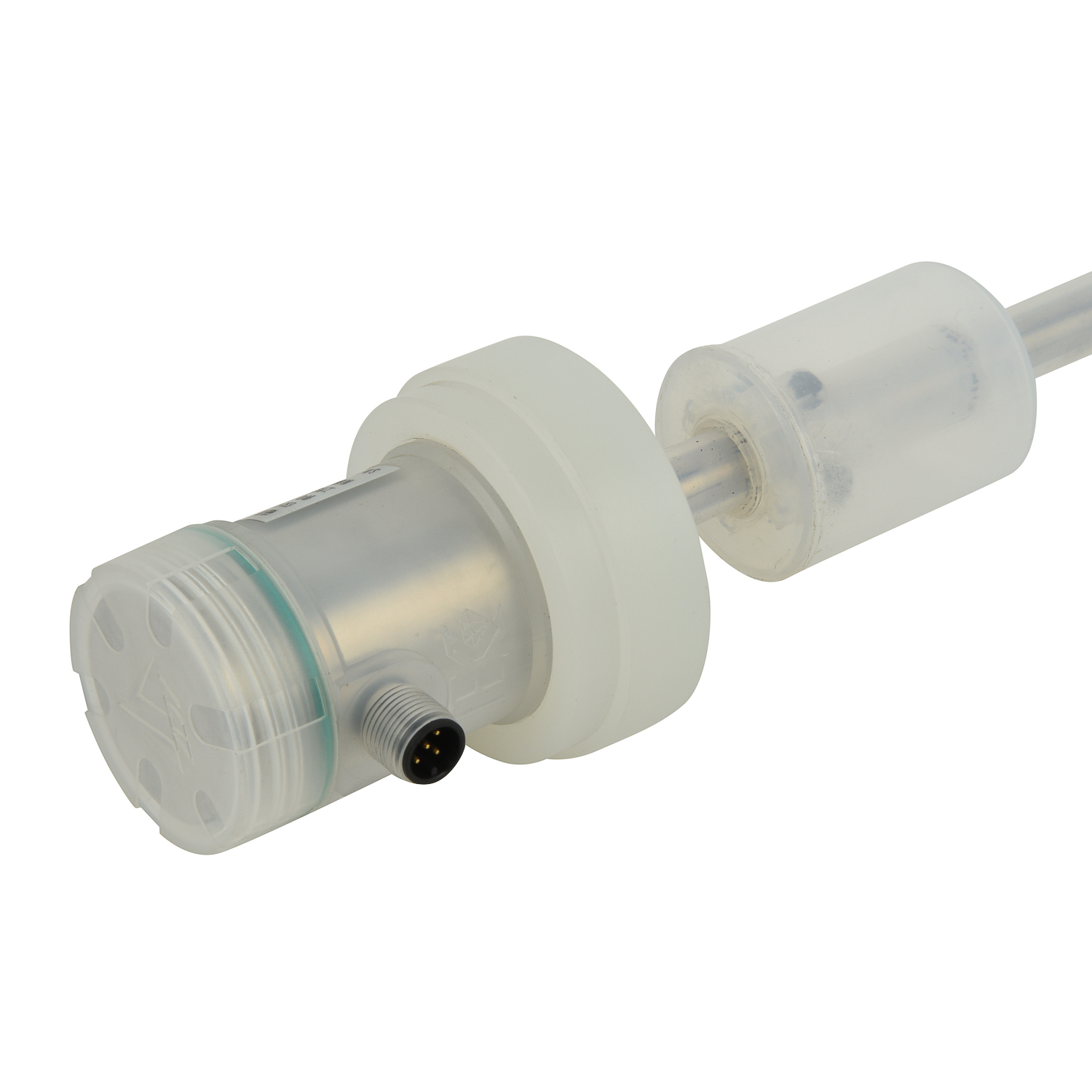 Working Principle of Long-dist
 Technical Parameters of Long-d