
Non-contact Linear Displacement Sensor
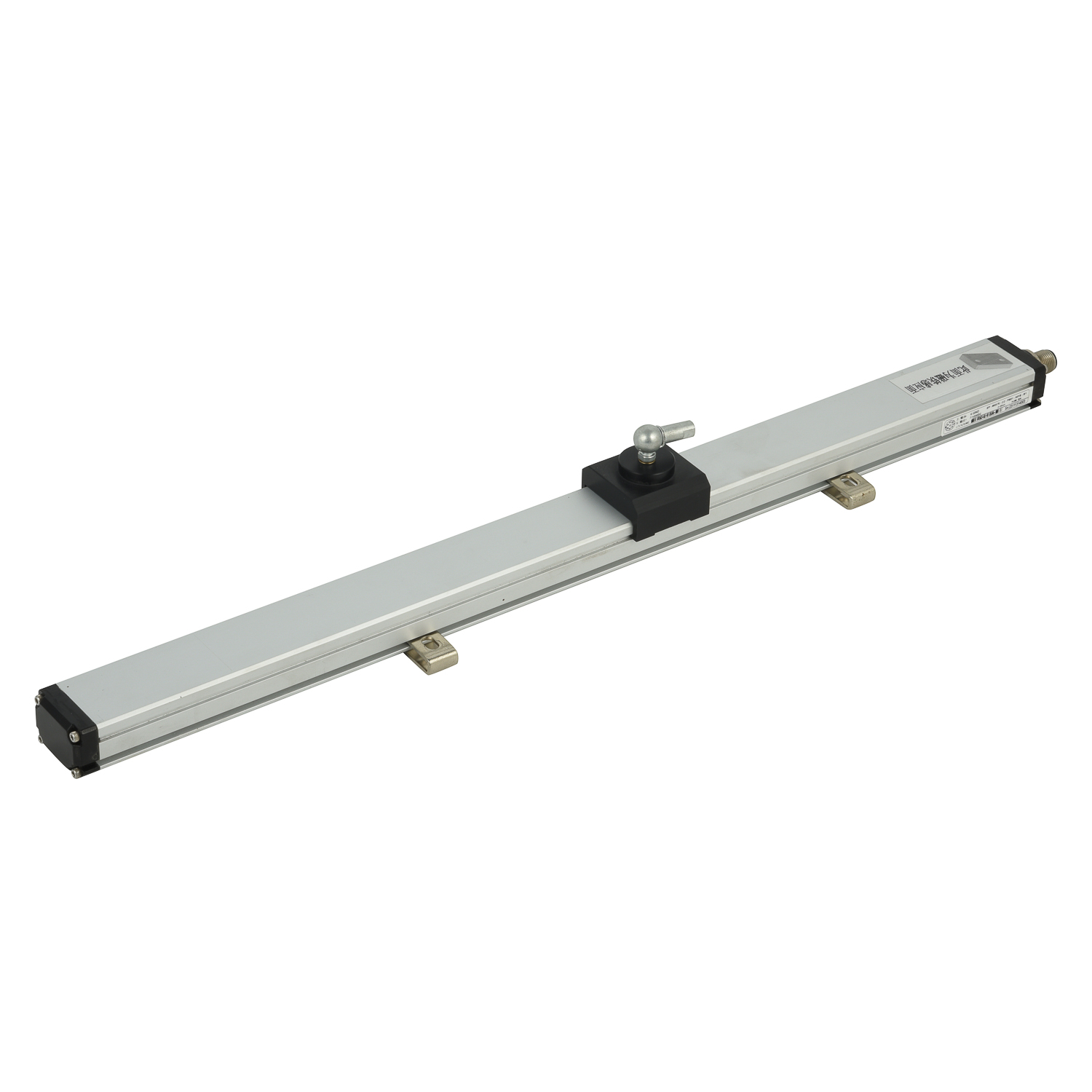
Non-contact linear displacement sensors measure position without touching the target. They convert movement into an electrical signal using magnetic, optical, capacitive, or inductive fields. No contact means no wear, less friction, and long service life. They are used in automation, robotics, aerospace, and automotive testing.
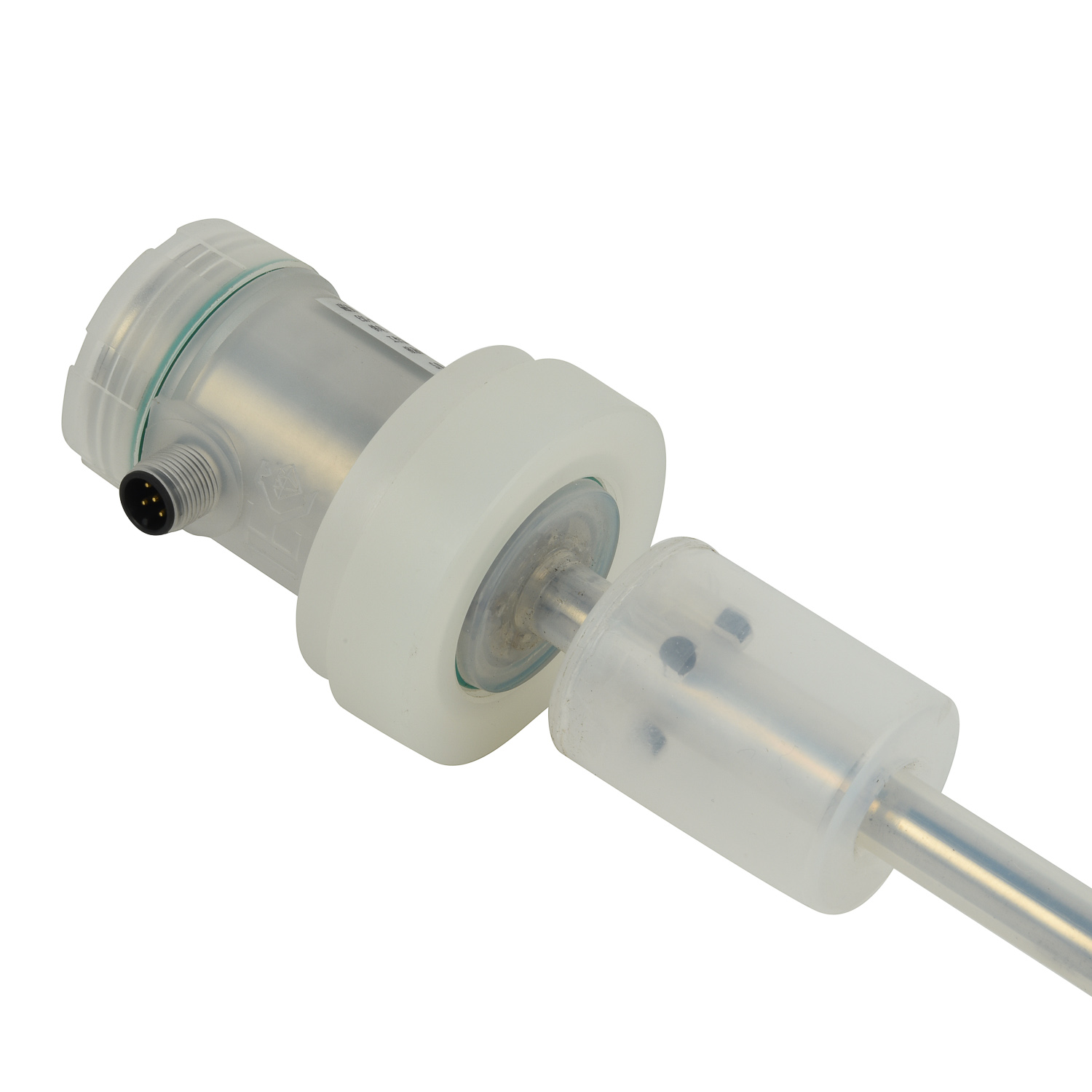
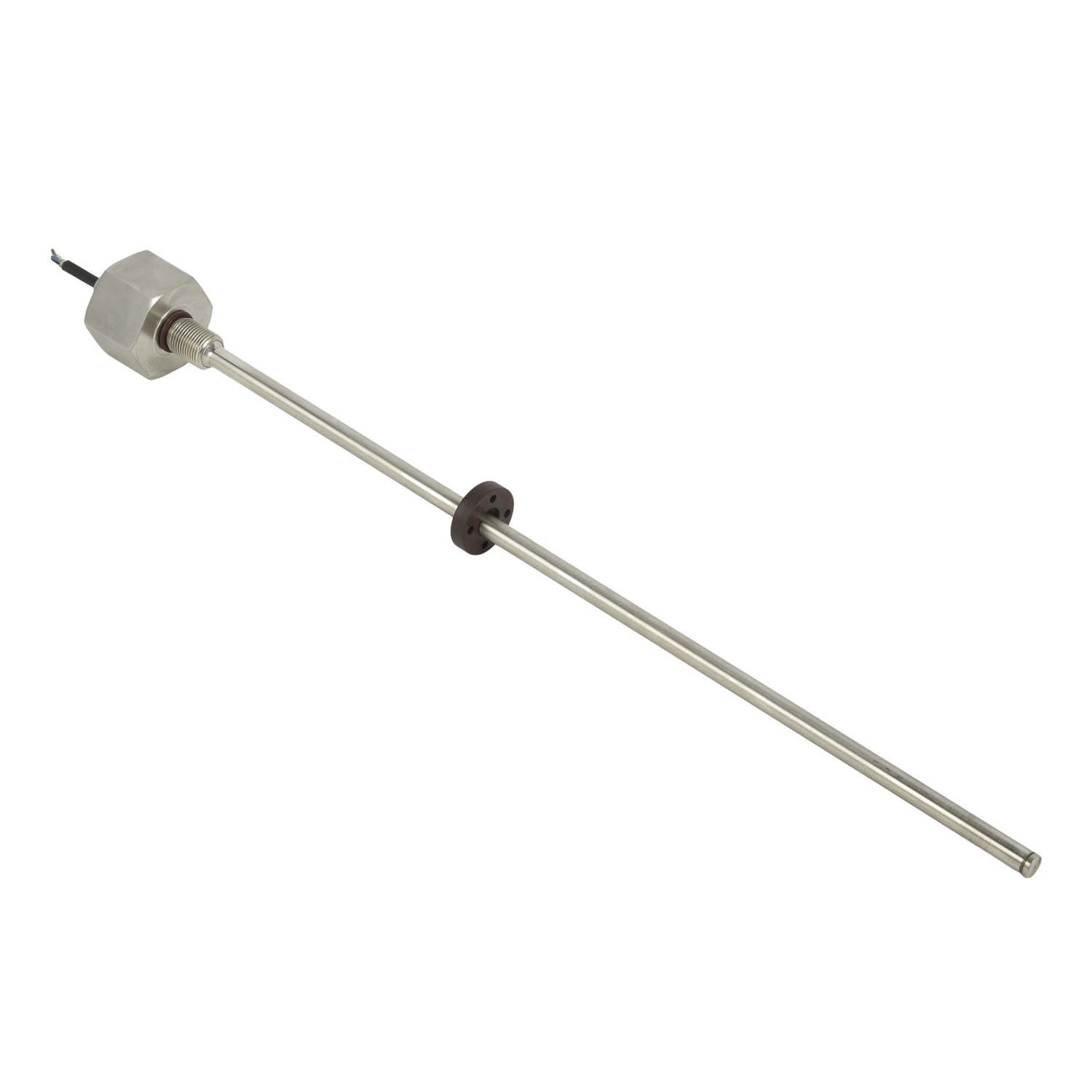
Common types include eddy current, capacitive, laser triangulation, and magnetostrictive sensors. Eddy current sensors detect conductive targets with a high-frequency coil. Capacitive sensors measure capacitance changes between a probe and a conductive surface. Laser sensors use reflected light for high accuracy over short ranges. Magnetostrictive sensors use a magnetic field and waveguide to detect a movable magnet for long-stroke feedback.
Key advantages include high speed, repeatability, and wear resistance. Non-contact designs can measure delicate, hot, or moving targets without damage. They need less maintenance and can work in controlled environments. However, performance depends on target material, surface finish, and ambient conditions. Dust, oil, vibration, and temperature changes may affect accuracy, so installation and calibration matter.
When selecting a sensor, consider range, resolution, linearity, output type, and update rate. Analog outputs such as 0-10 V or 4-20 mA, and digital interfaces such as RS-485 or IO-Link, are common. Choose a model that matches the target, mounting space, and control system. Calibration maintains reliable data.
 Non-contact Linear Displacemen
 Built-in Hydraulic Cylinder Li
 High-pressure Linear Displacem
 High-temperature Linear Displa