
High-pressure Linear Displacement Sensor
High-pressure linear displacement sensors are engineered to measure position accurately in environments where standard sensors fail. They are commonly used in hydraulic cylinders, servo valves, offshore equipment, and heavy machinery, where operating pressure can exceed 3,000 psi. Typical applications include hydraulic presses, injection molding machines, subsea actuators, and mobile equipment, where reliable position feedback is essential. Unlike ordinary position sensors, these devices use robust seals, thick housings, and pressure-resistant materials to protect internal windings and electronics.
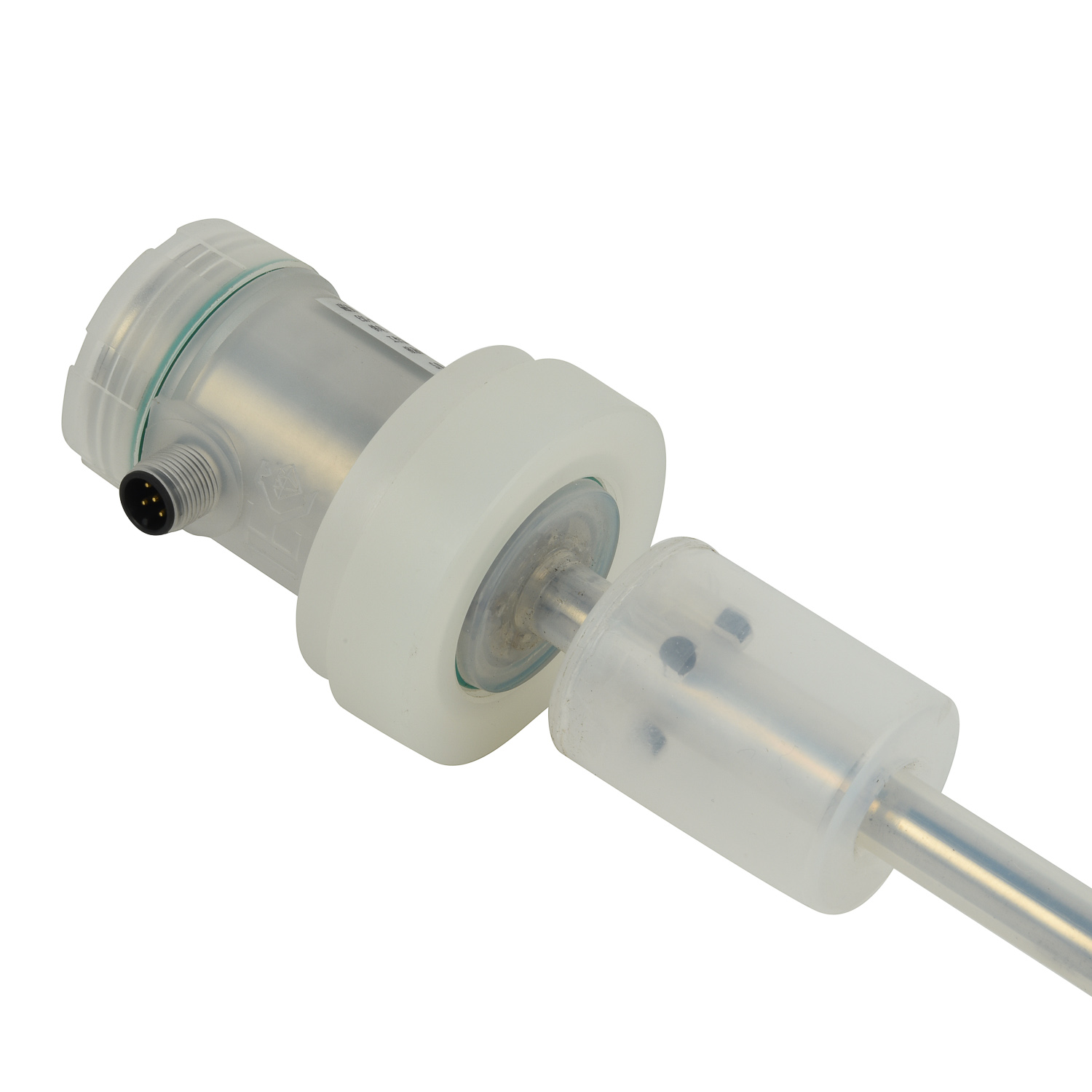
Most high-pressure linear displacement sensors are based on LVDT or magnetostrictive technology. An LVDT design offers frictionless measurement, infinite resolution, and excellent repeatability. A magnetostrictive sensor provides absolute position output and remains stable after power loss. Both types can be packaged in stainless steel bodies with welded or sealed connectors, allowing reliable operation in oil, water, and harsh fluids.
When selecting a sensor, consider pressure rating, stroke length, output signal, temperature range, shock and vibration resistance, and IP rating. Analog outputs such as 4-20 mA, 0-10 V, or digital interfaces like CANopen and IO-Link improve integration with PLCs and control systems. Proper mounting and cable protection are also critical for long service life.
High-pressure linear displacement sensors help improve safety, precision, and uptime in hydraulic and industrial applications. By choosing the right sensor for the application, engineers can achieve dependable feedback even in the most demanding conditions.
High-pressure Linear Displacem
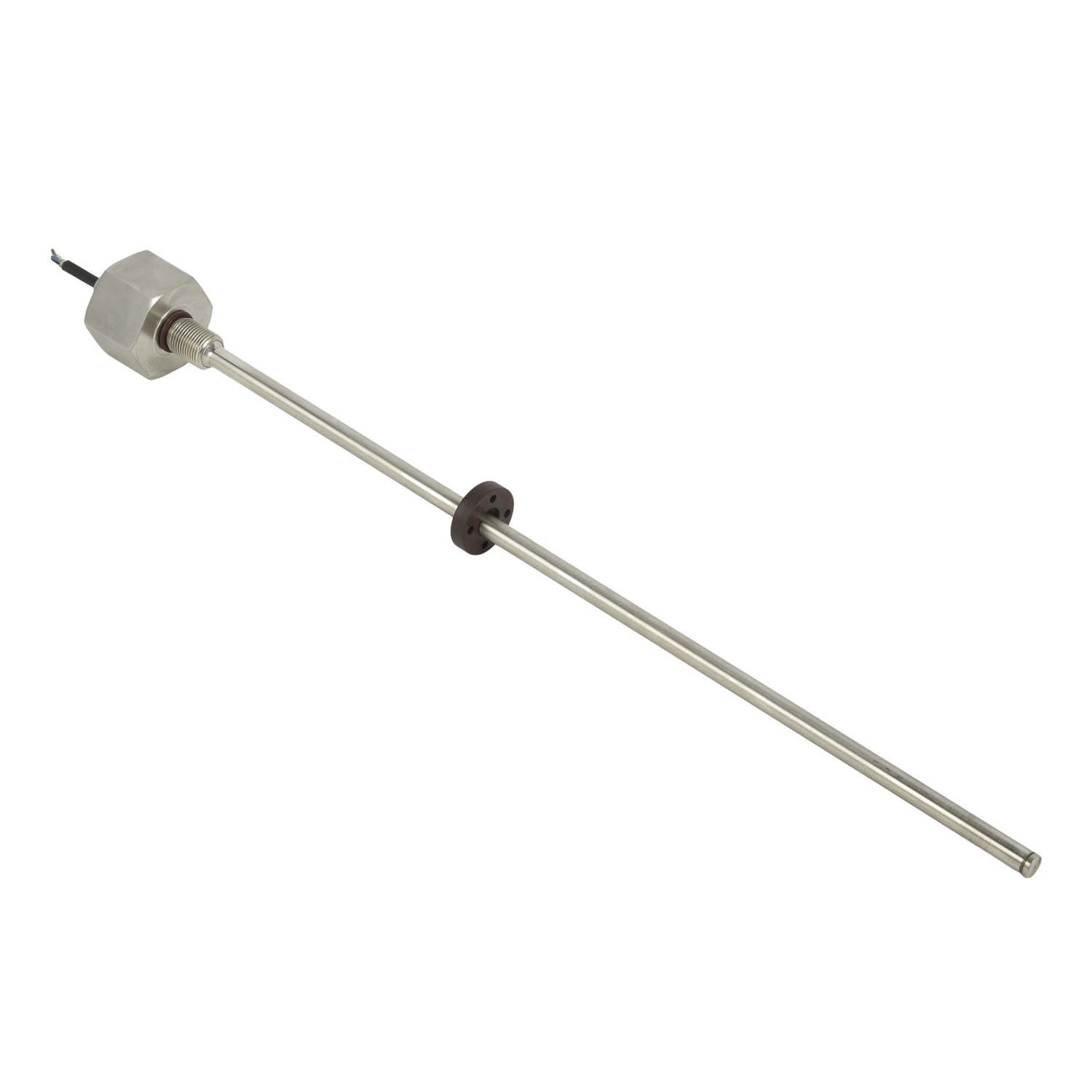 High-temperature Linear Displa
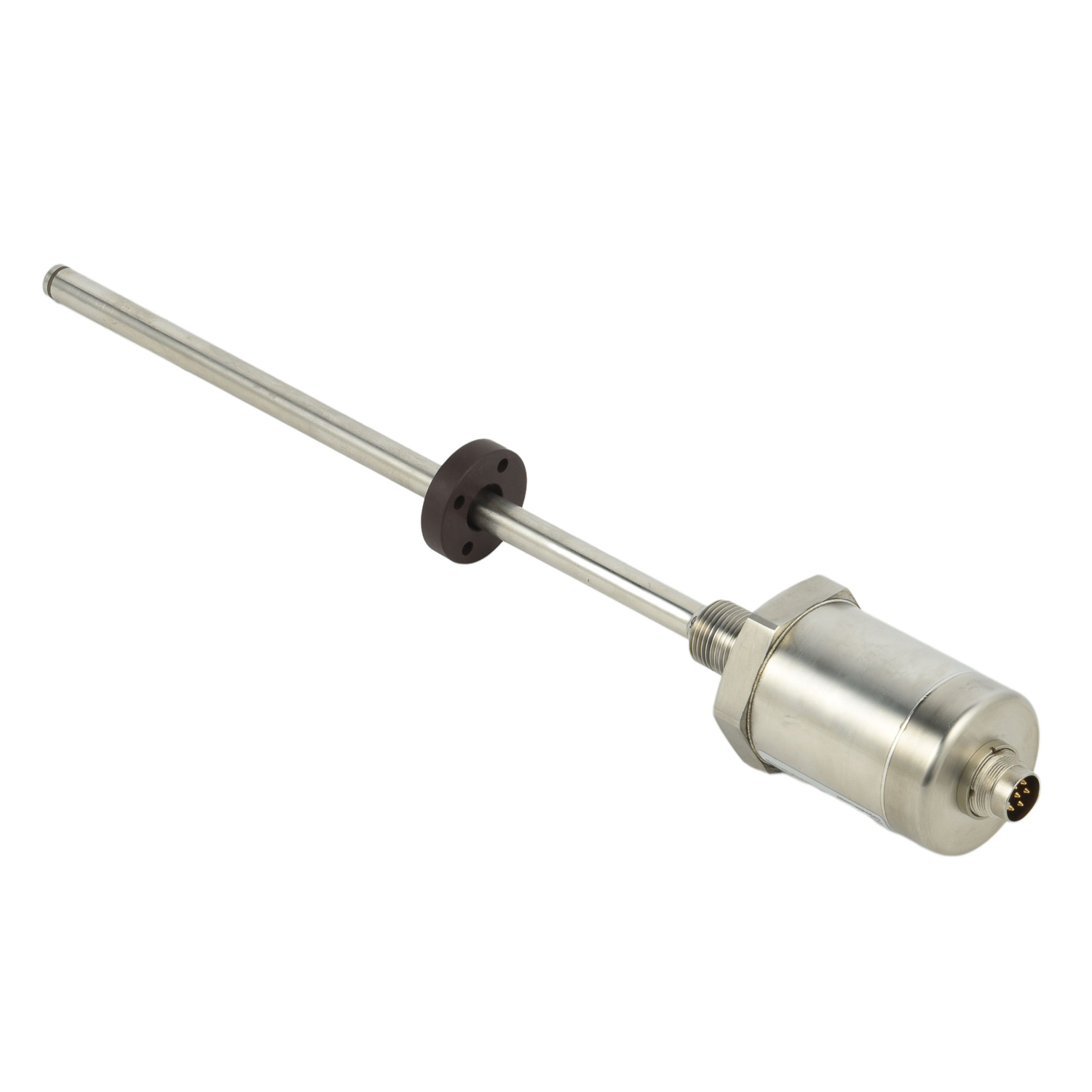 Waterproof Linear Displacement
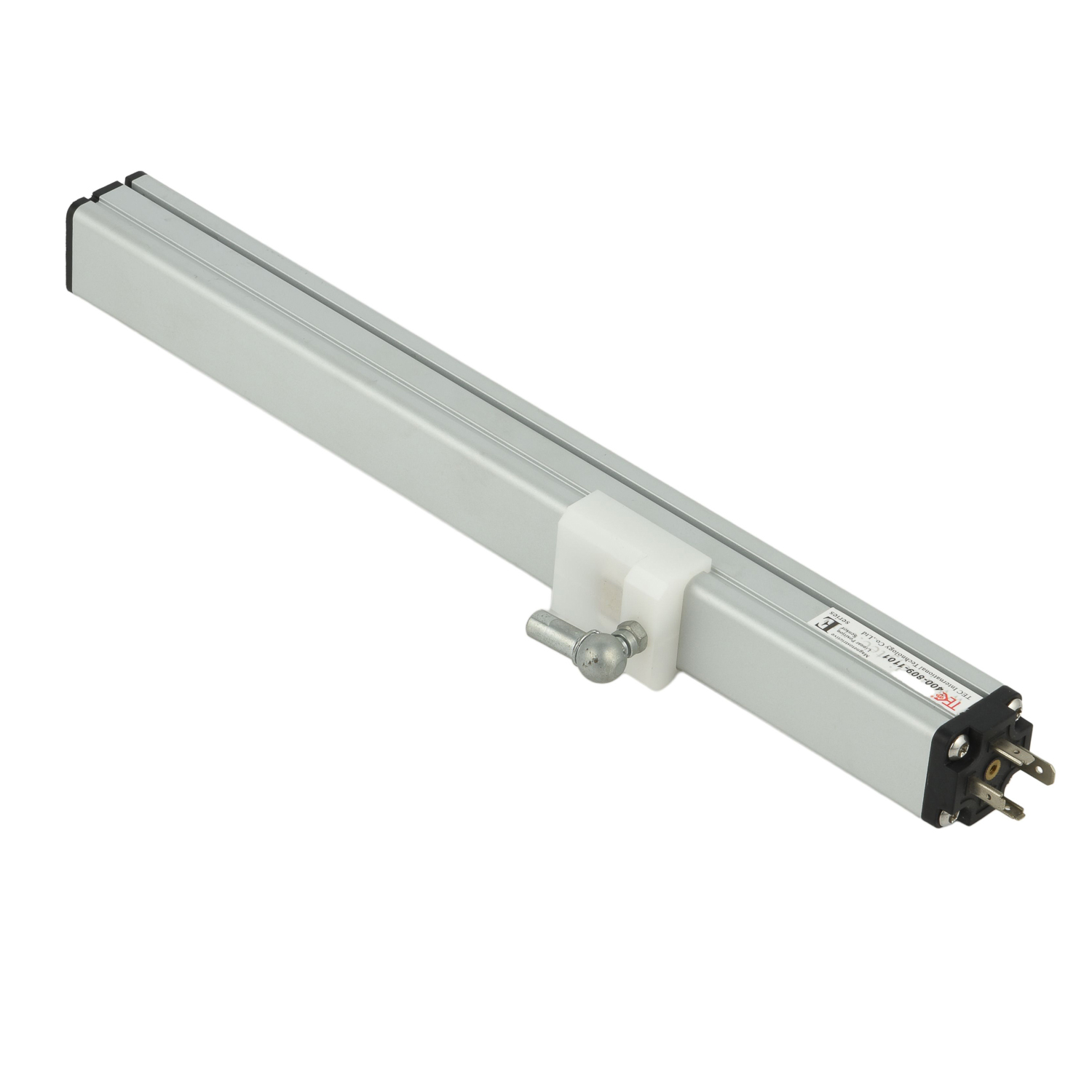 Intrinsically Safe Explosion-p