
Waterproof Linear Displacement Sensor
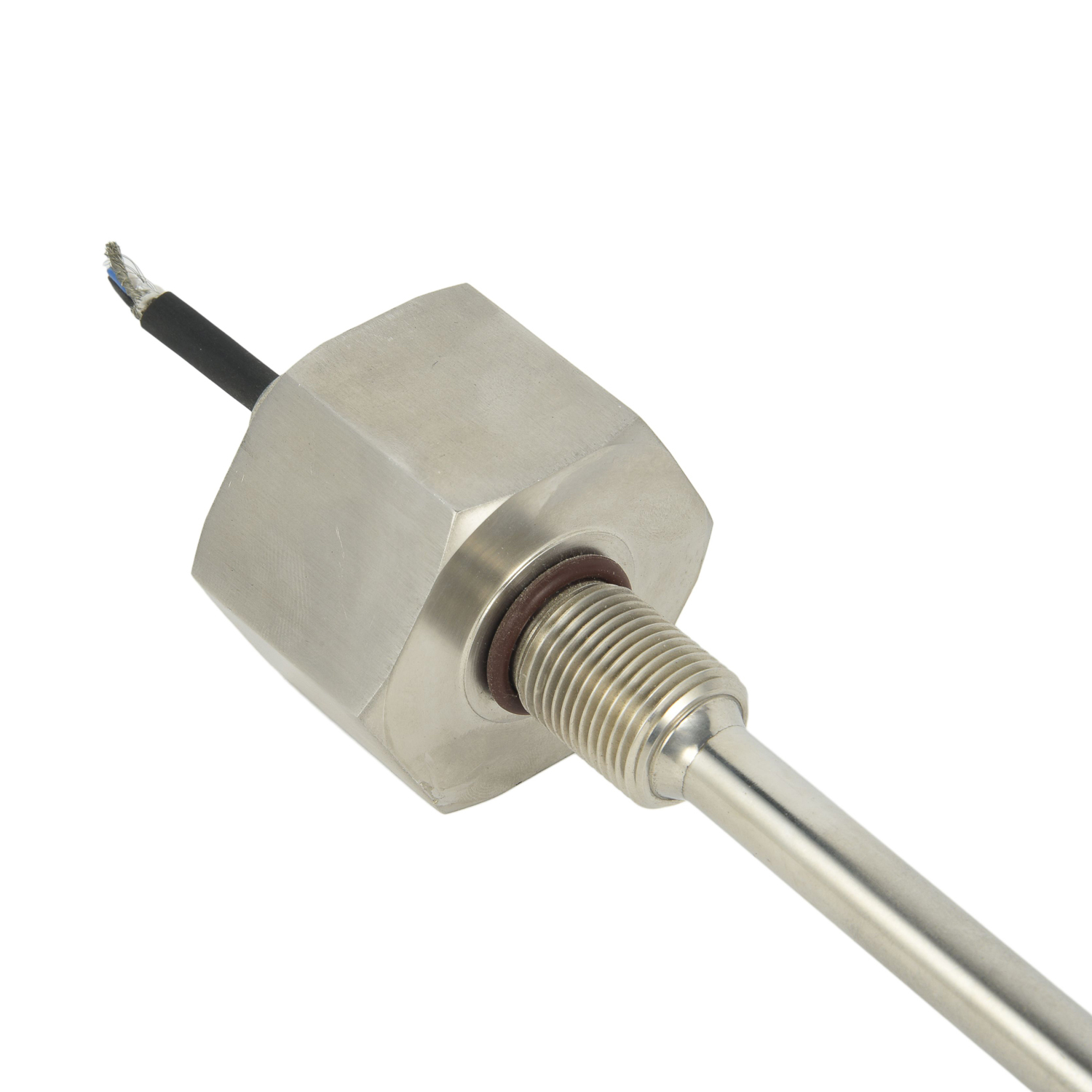
A waterproof linear displacement sensor is designed to measure position and movement accurately even when exposed to moisture, dust, oil, and chemicals. Unlike standard sensors, it uses sealed housings, rugged cables, and protected electronics to maintain stable signals in demanding conditions. Common protection ratings include IP65, IP67, and IP68, allowing reliable operation in washdown areas, outdoor equipment, and hydraulic systems.
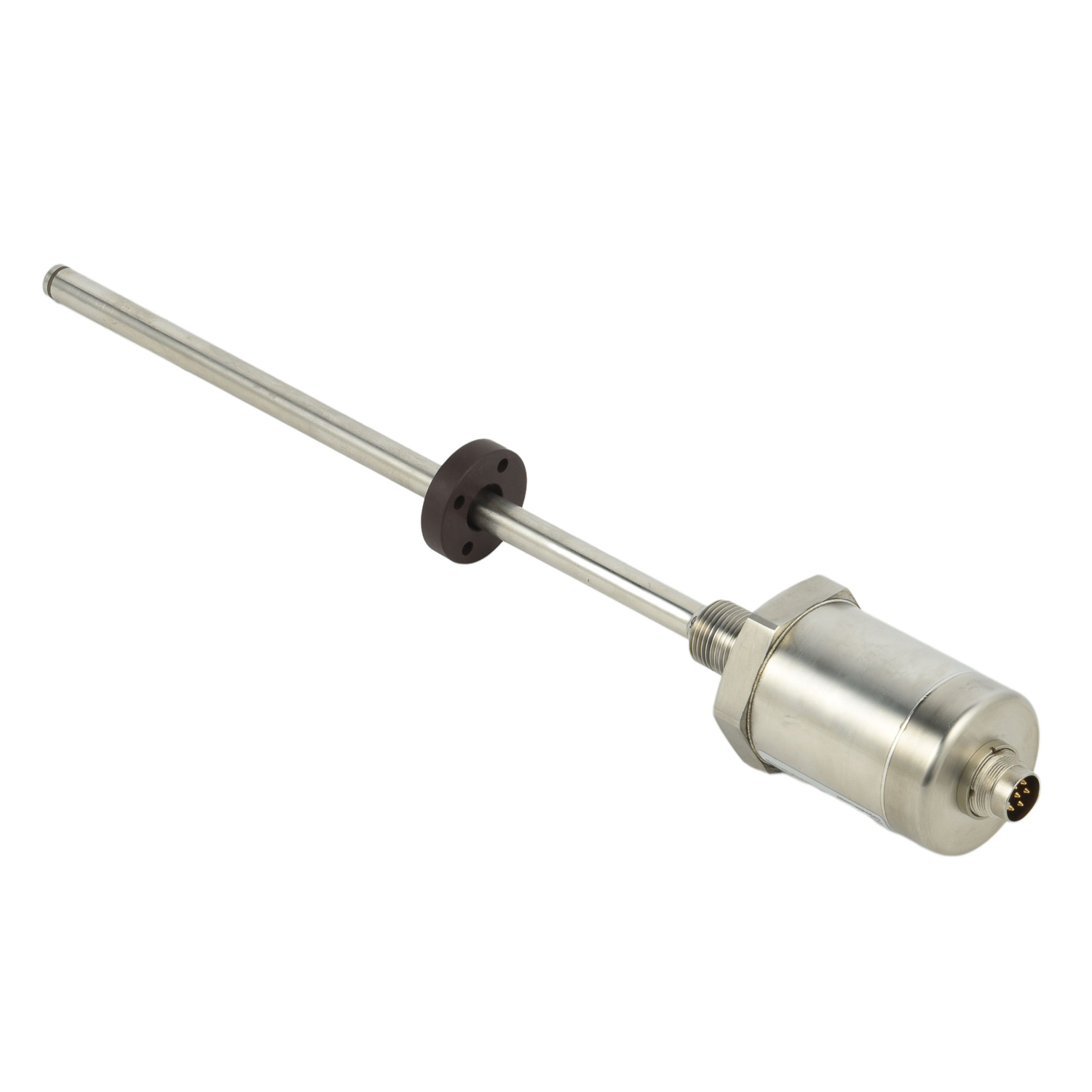
These sensors are widely used in automation, construction machinery, steel plants, paper mills, and marine systems. They help control valves, cylinders, presses, and robotic axes. Because water and dust can damage unsealed components, a waterproof design reduces downtime and improves safety. Key specifications include stroke length, output signal, resolution, linearity, repeatability, and operating temperature. Analog outputs such as 0-10V, 4-20mA, and digital interfaces like RS485 can connect to PLCs and controllers.
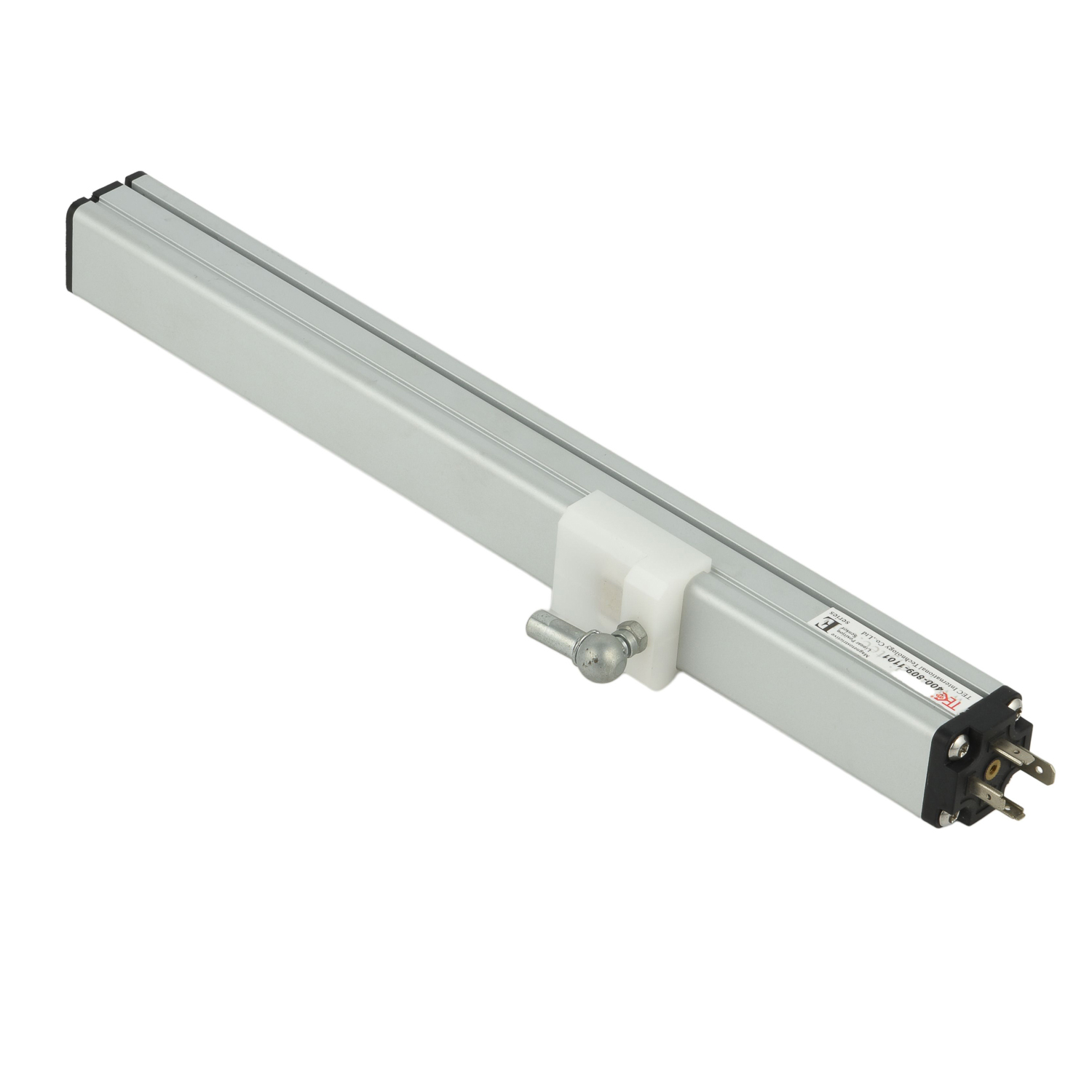
When choosing a model, match the IP rating to the environment. For frequent washdown, IP67 or IP68 is preferred. Check the mounting style, cable exit, and material compatibility. Stainless steel or anodized aluminum housings resist corrosion. Proper installation and regular inspection also extend service life. With the right waterproof linear displacement sensor, engineers can achieve precise, durable position feedback in wet, dirty, or outdoor applications. They are available with rod, profile, and cable-extension designs.
Waterproof Linear Displacement
 Intrinsically Safe Explosion-p
 Explosion-proof Linear Displac
 Linear Displacement Sensor