
Linear Displacement Sensor
A linear displacement sensor measures movement along a straight path and converts it into an electrical signal. It is widely used in automation, robotics, hydraulic systems, and quality inspection. The sensor helps machines know exact position, stroke, or travel distance in real time.
Common technologies include potentiometric, inductive, capacitive, magnetostrictive, and optical sensors. LVDT sensors are popular for high accuracy and long life because they use non-contact magnetic coupling. Magnetostrictive sensors offer robust performance in harsh environments, while optical and laser sensors provide very fine resolution for precision tasks.
When choosing a sensor, consider measuring range, output type, accuracy, repeatability, resolution, and response speed. Analog outputs such as 0-10 V or 4-20 mA are common, but digital outputs like SSI, CANopen, and IO-Link are growing. The operating environment matters too: dust, moisture, vibration, temperature, and electromagnetic noise can affect readings. A suitable IP rating and durable housing improve reliability.
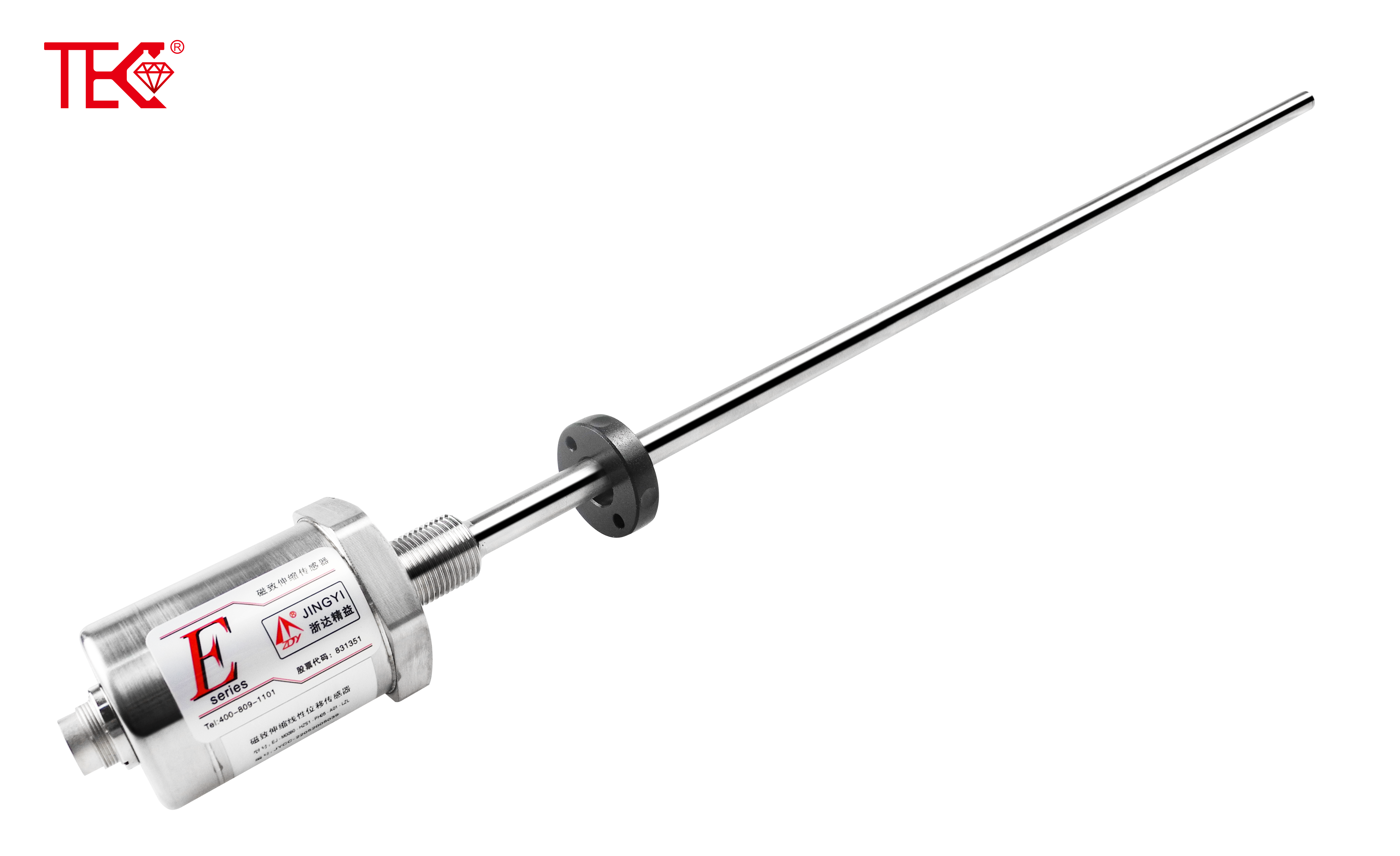
Installation should keep the sensor aligned with the motion axis to avoid side load and wear. Regular calibration ensures stable measurements over time. In production lines, a linear displacement sensor can monitor press depth, valve position, robot gripper travel, or material thickness. This feedback improves product quality, reduces downtime, and supports predictive maintenance. Digital models now support smarter control.
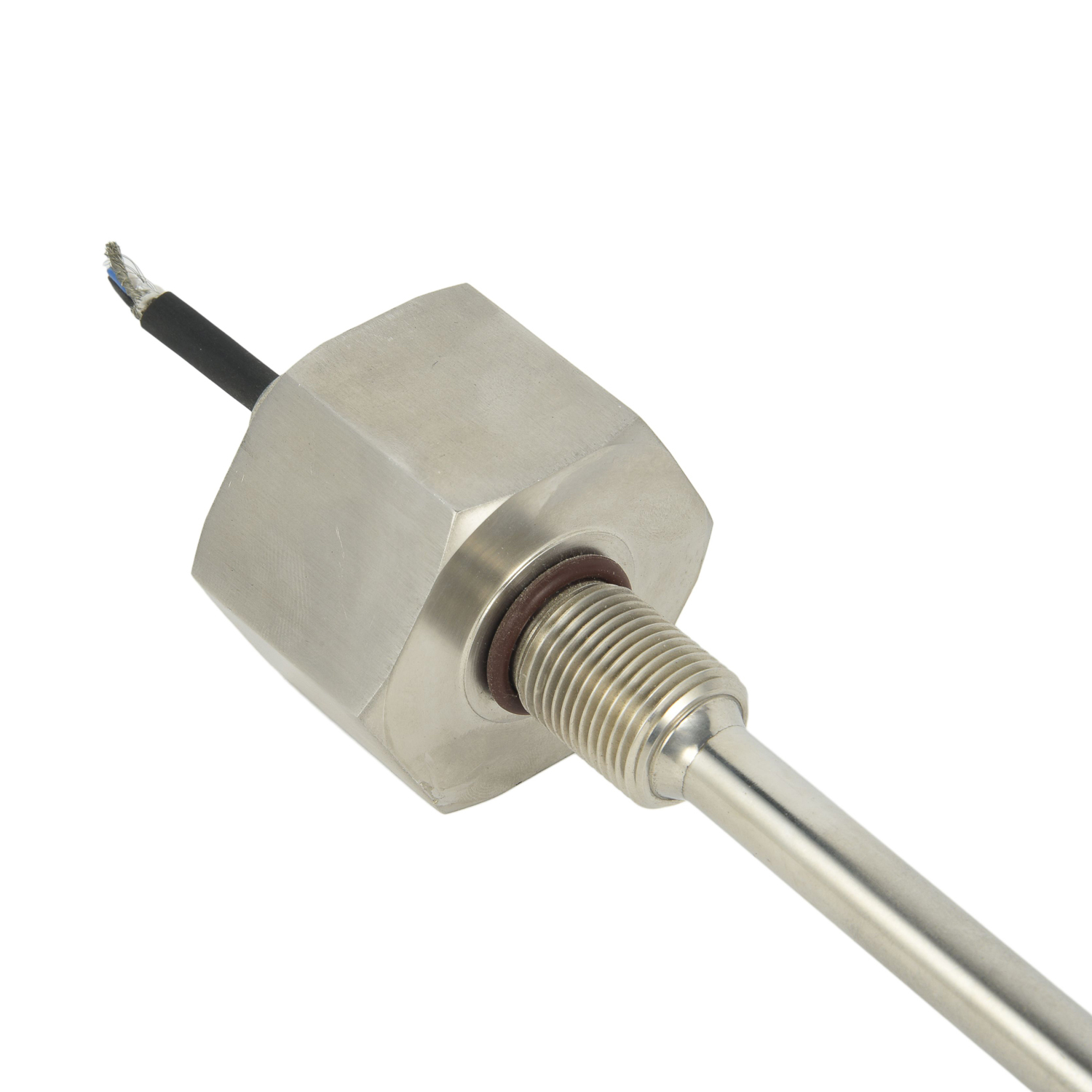 Explosion-proof Linear Displac
Linear Displacement Sensor
Explosion-proof Linear Displac
Linear Displacement Sensor
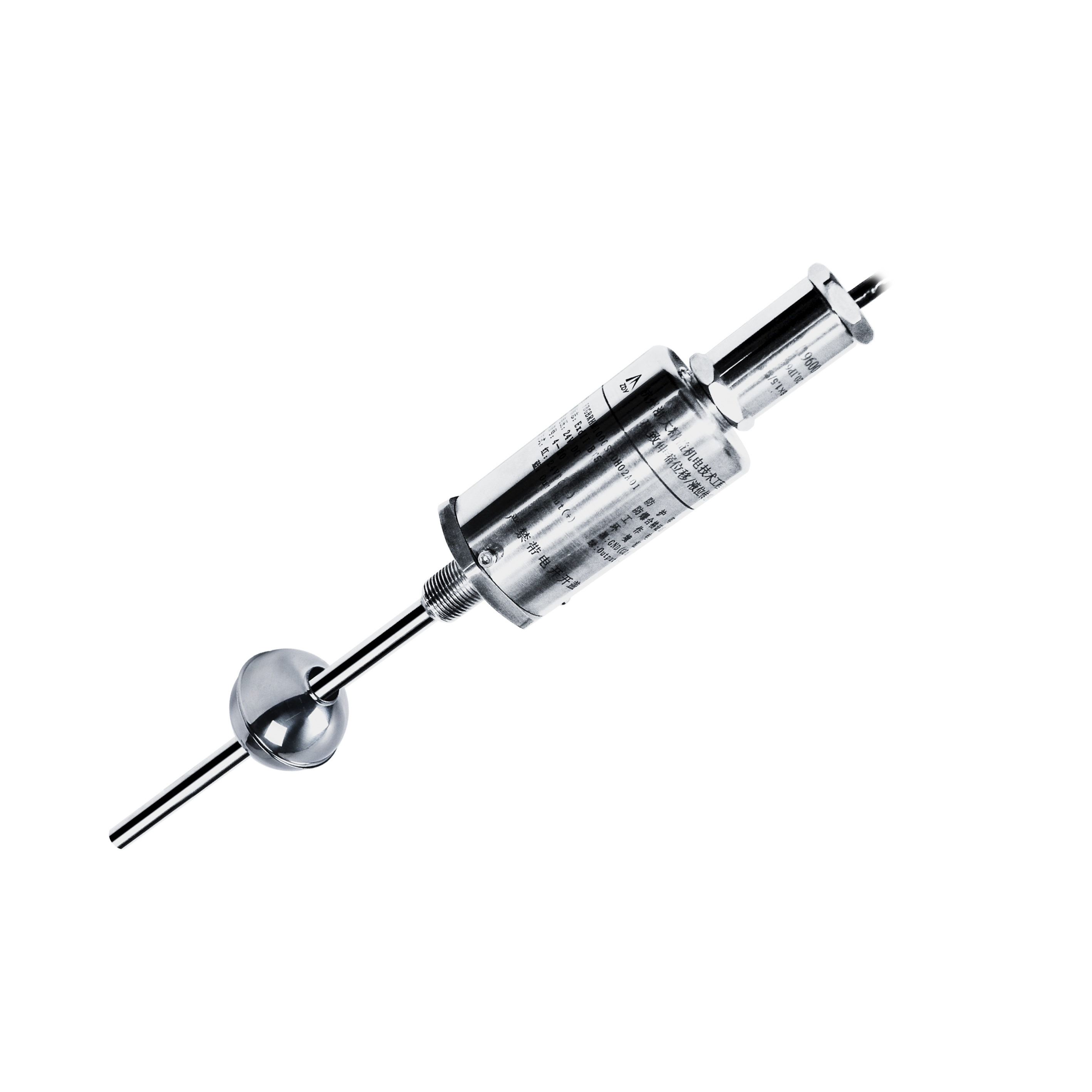 Magnetostrictive Level Gauge F
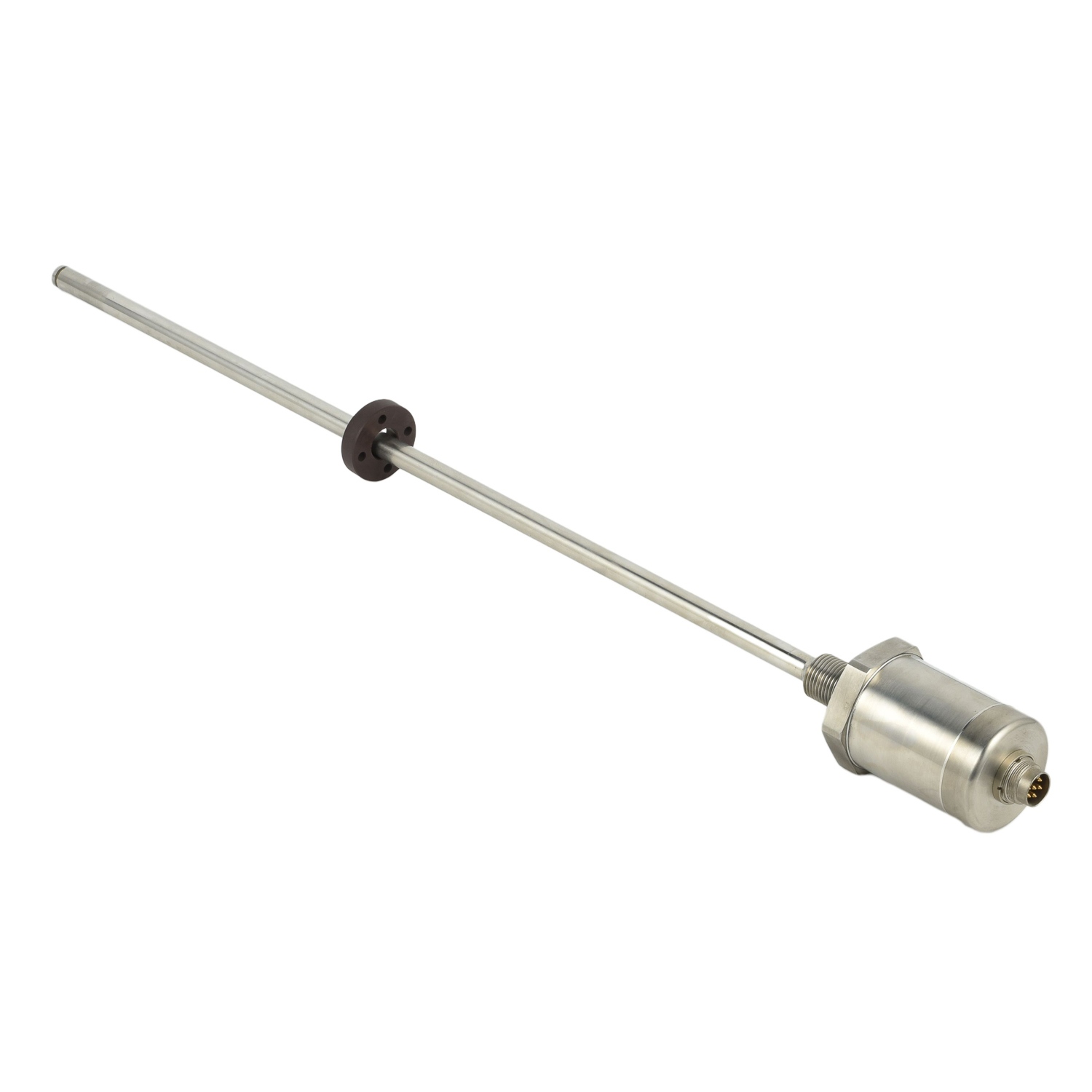 Field Application of Magnetost