
Magnetostrictive Level Gauge Fault
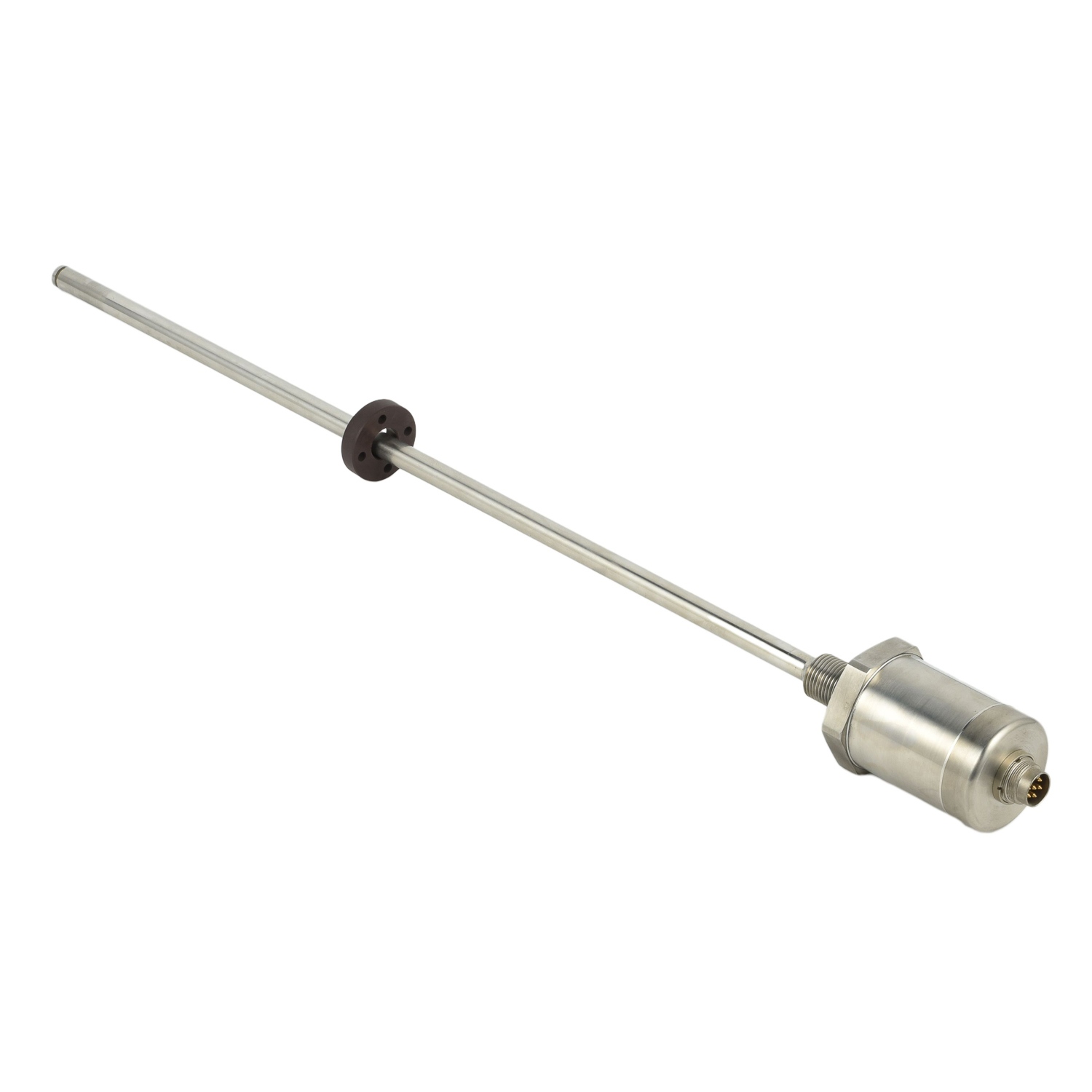
Magnetostrictive level gauges are popular in industrial tanks because they provide accurate, stable measurement. Yet a magnetostrictive level gauge fault can stop production, cause false readings, or trigger alarms. Common causes include wiring errors, power supply issues, float damage, probe contamination, loose connections, electronic module failure, and wrong configuration.
Symptoms include no signal, drifting values, fixed readings, erratic output, and communication errors. When a fault appears, first check power and wiring. Confirm the supply voltage meets specification and terminals are tight. Inspect the float for cracks, sticking, or magnetic loss. Clean the probe and remove buildup.

Next, review configuration. Wrong tank height, offset, or output range can make a healthy gauge look faulty. If the display is blank, test the electronics module. If output is unstable, check grounding and shielding to reduce electrical noise.
For troubleshooting, use a multimeter, loop calibrator, and diagnostic software. Compare gauge reading with manual measurement. If deviation is constant, adjust calibration. If deviation changes, inspect float and probe. After repair, run full calibration and watch the signal for several cycles.
Preventive maintenance cuts future faults. Schedule inspections, keep records, and protect the gauge from vibration, corrosion, and extreme temperature. A reliable magnetostrictive level gauge improves safety, inventory control, and process efficiency.
 Linear Displacement Sensor
Magnetostrictive Level Gauge F
Linear Displacement Sensor
Magnetostrictive Level Gauge F
 Field Application of Magnetost
 Model and Specification of Mag