
Model and Specification of Magnetostrictive Level Gauge
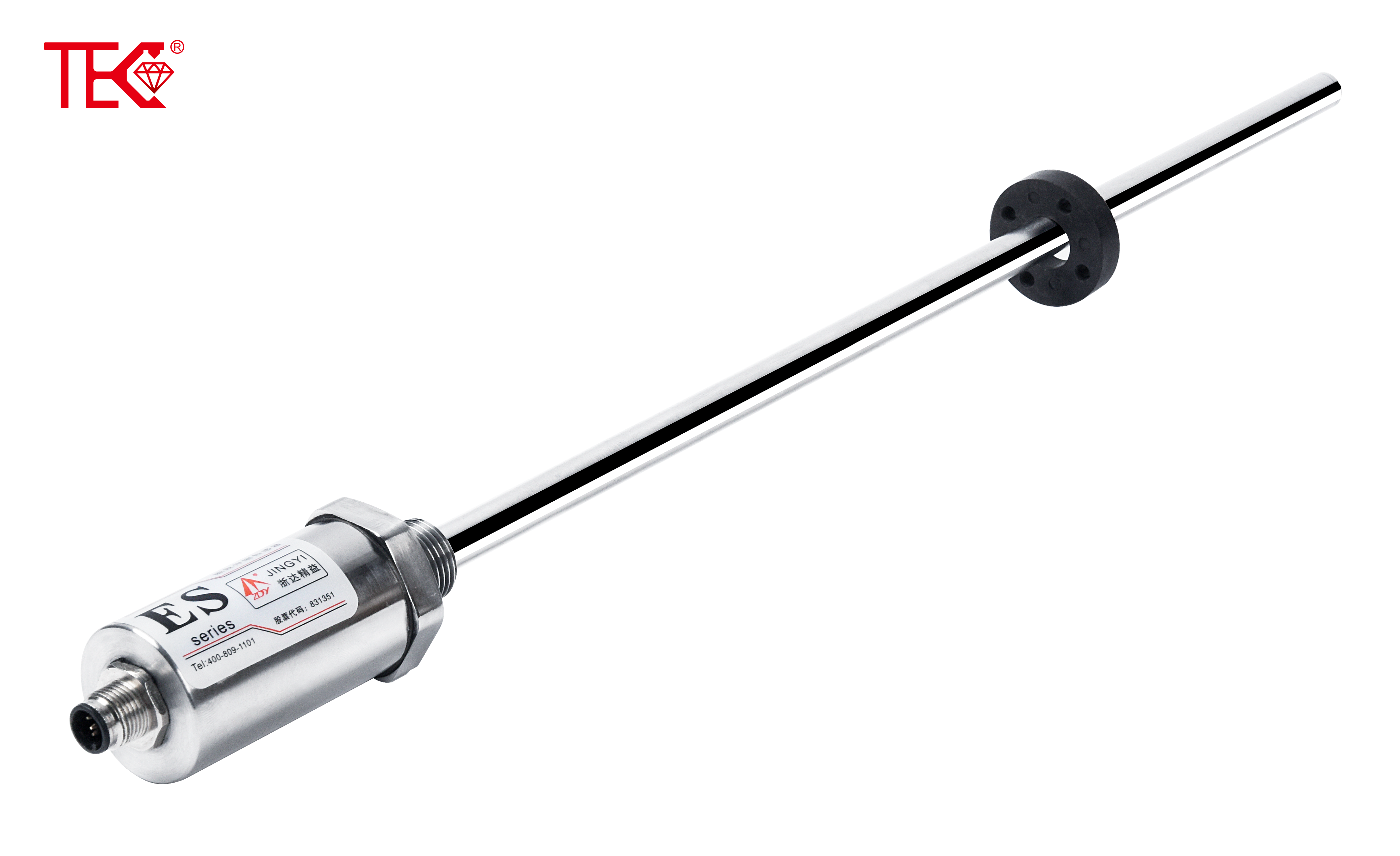
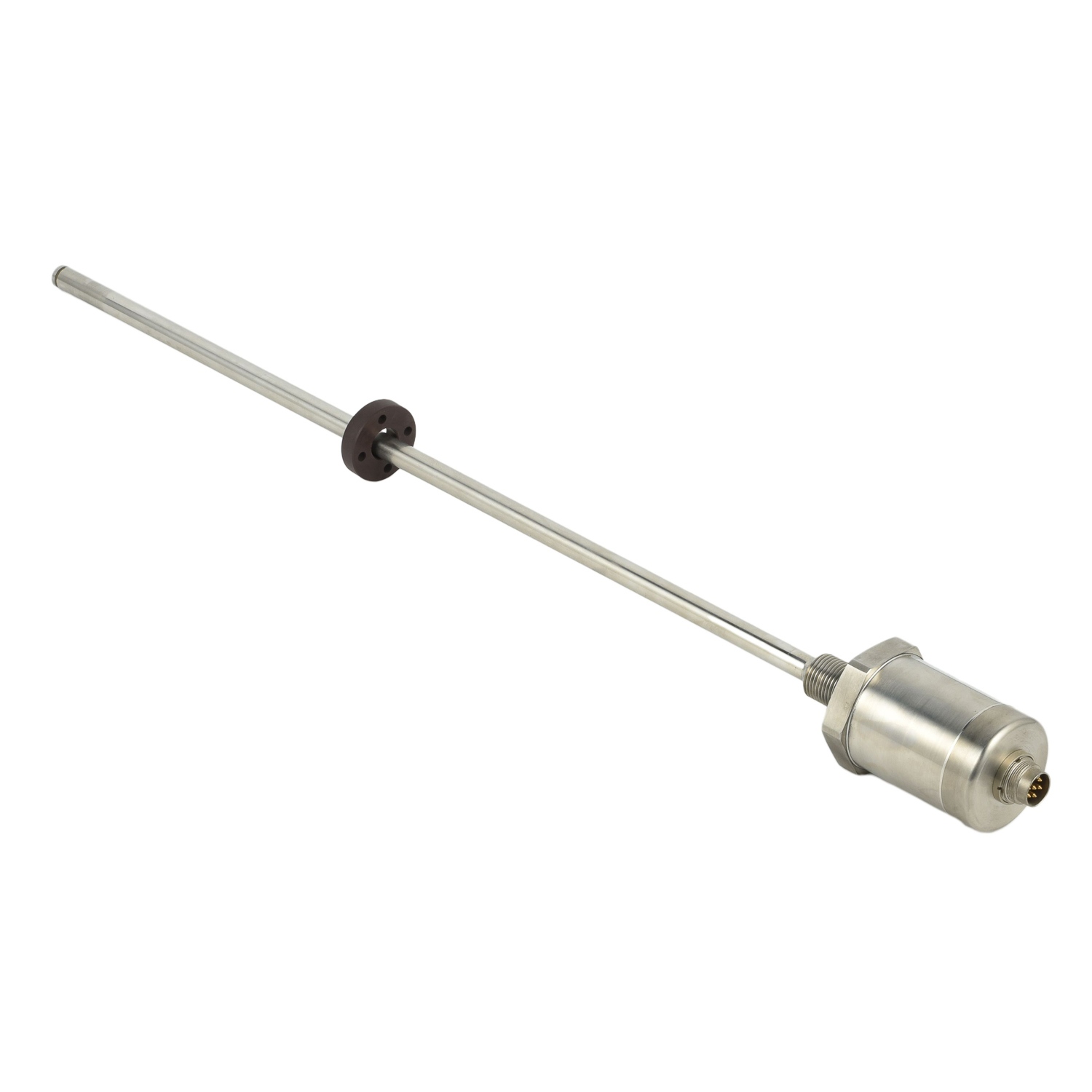
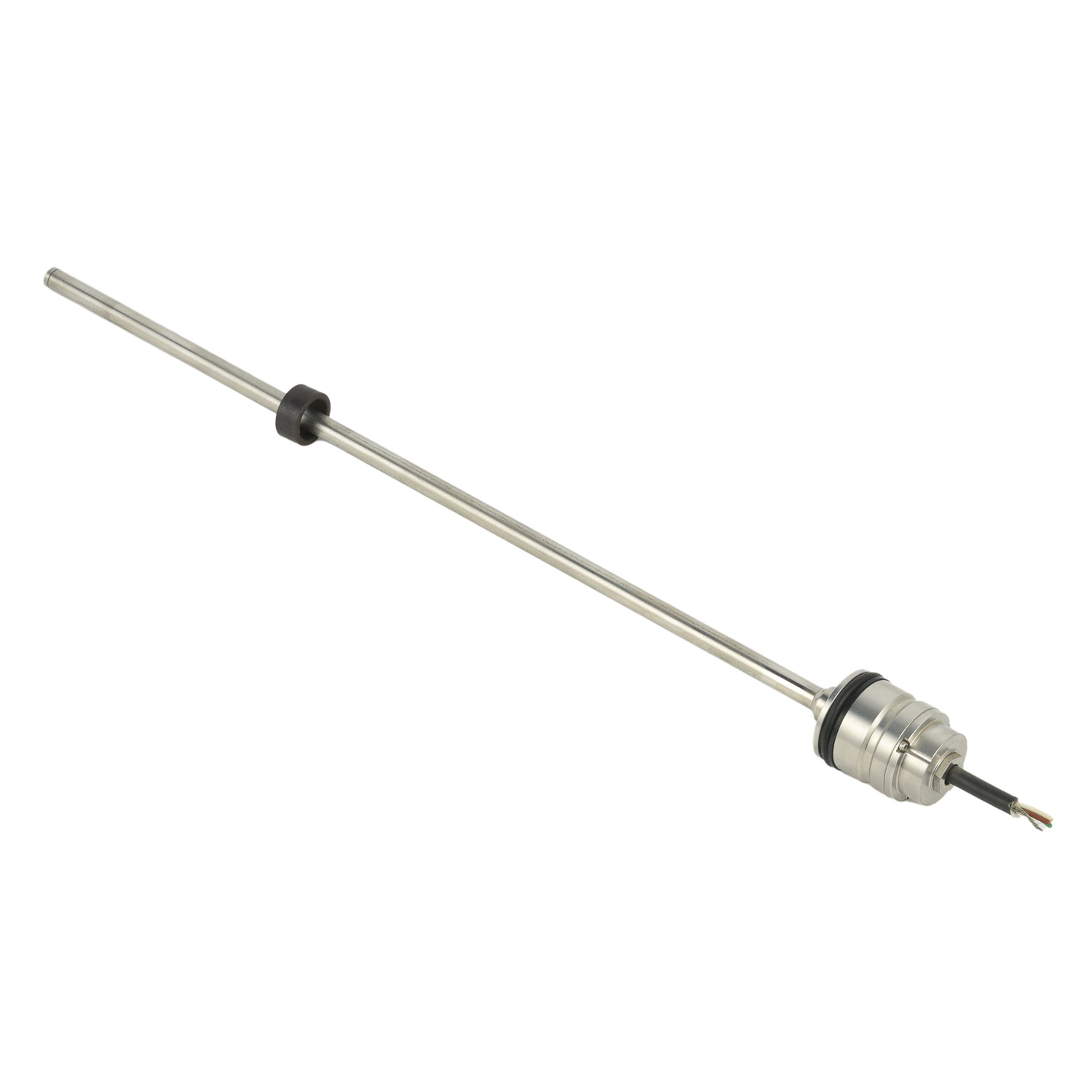
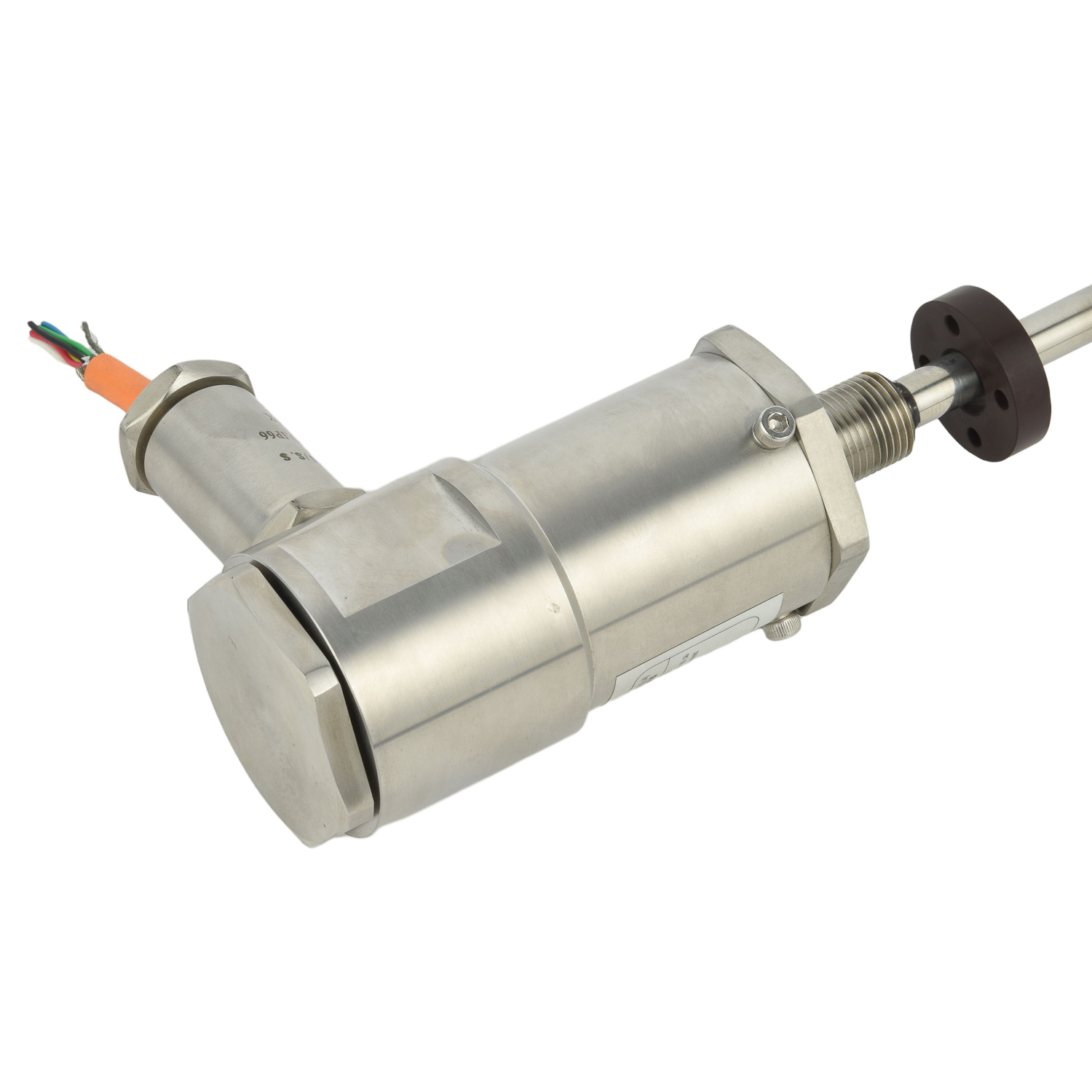
A magnetostrictive level gauge is widely used in industrial tanks for continuous, high-accuracy liquid level measurement. Its model and specification determine installation, output, accuracy, and medium compatibility. Understanding these details helps engineers select the right instrument for water, oil, chemicals, and process liquids. Common models include standard rod type, flexible cable type, high-temperature type, high-pressure type, sanitary type, explosion-proof type, and interface level type. Model codes usually show structure, measuring range, material, process connection, output signal, and certification. For example, MLG-1000-SS304-4-20mA-HART means a magnetostrictive level gauge with 1000 mm range, SS304 housing, and 4-20 mA HART output. A flexible model is suitable for tall tanks, while a rigid rod model is better for short-range clean liquids. Key specifications include measuring range from 0 to 6000 mm or more. Accuracy is typically +/-0.5 mm or +/-1 mm. Resolution can reach 0.1 mm. Supply voltage is 24 VDC, with 12-36 VDC options. Output signals include 4-20 mA, HART, RS485 Modbus, and Profibus. Operating temperature ranges from -40 degC to 85 degC for standard models, and up to 200 degC for high-temperature versions. Pressure rating can be 1.6 MPa, 2.5 MPa, or 4.0 MPa. Wetted materials include SS304, SS316L, PTFE, and PVDF. Protection class is IP65, IP66, or IP67. Explosion-proof models meet Ex ia IIC T6 or Ex d IIC T6. Correct selection ensures reliable level control.
 Field Application of Magnetost
Model and Specification of Mag
Field Application of Magnetost
Model and Specification of Mag
 Import Substitute Magnetostric
 Installation Method of Magneto