
Installation Method of Magnetostrictive Level Gauge
Magnetostrictive level gauges provide accurate liquid level measurement in industrial tanks. Proper installation ensures safety and reliable performance. This guide outlines the method.
Before installation, verify the gauge model, probe length, process connection, pressure, and temperature ratings. Inspect the probe and float for damage. Check that the tank nozzle is vertical and matches the flange or thread. Depressurize, drain, and clean the tank if required. Follow site safety rules.
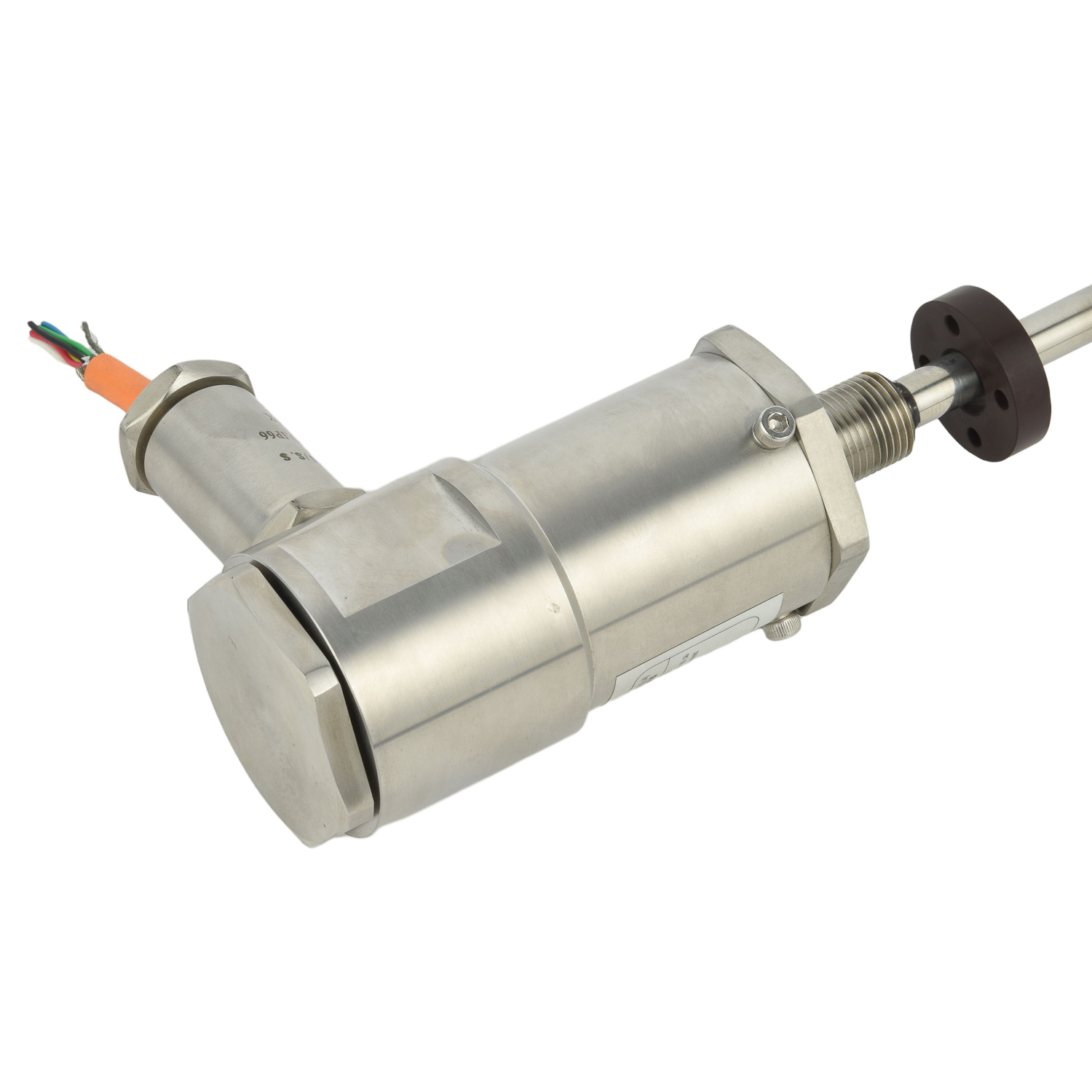
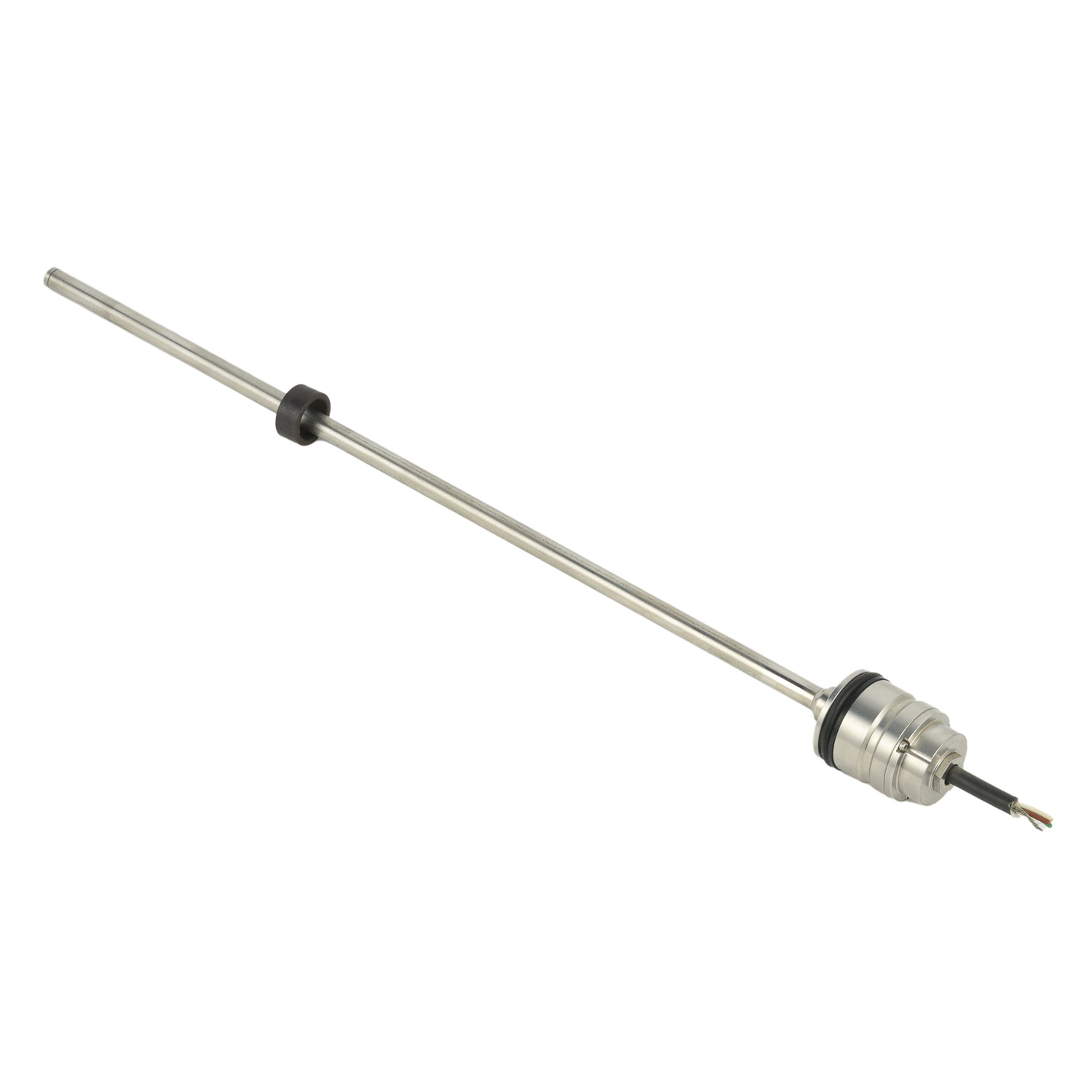
Mount the gauge vertically. Keep the probe parallel to the tank wall and within the liquid range. For top-mounted units, insert the probe through the nozzle until the flange or thread seats. Use a correct gasket and tighten bolts evenly. Do not bend or twist the probe. For side-mounted units, install the float as instructed and confirm free movement.
Keep the probe away from inlet flows, agitators, and heating coils. Leave clearance at the bottom to avoid contact with the tank floor. In turbulent applications, use a stilling well or bypass chamber to stabilize the float and improve accuracy.
Connect the transmitter according to the manual. Wire power, output signal, and ground correctly. Use shielded cable for long runs. Keep signal cables away from high-voltage lines. Check terminals and insulation after wiring.
After installation, calibrate the gauge. Set zero and span based on the actual liquid level. For smart transmitters, set range, damping, and units. Test the output at several points.
 Import Substitute Magnetostric
Installation Method of Magneto
Import Substitute Magnetostric
Installation Method of Magneto
 Working Principle of Magnetost
 Technical Parameters of Magnet