
Working Principle of Magnetostrictive Level Gauge
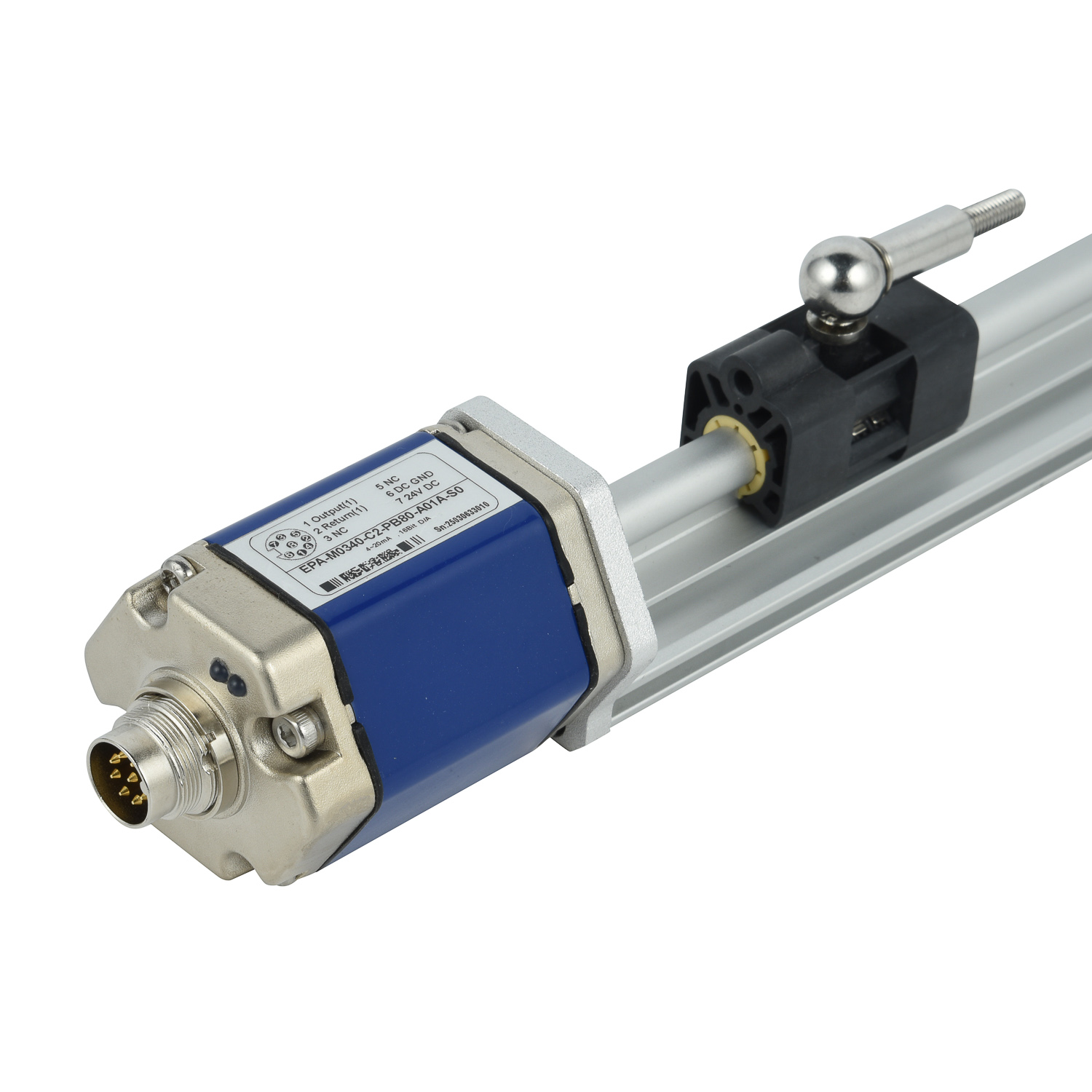
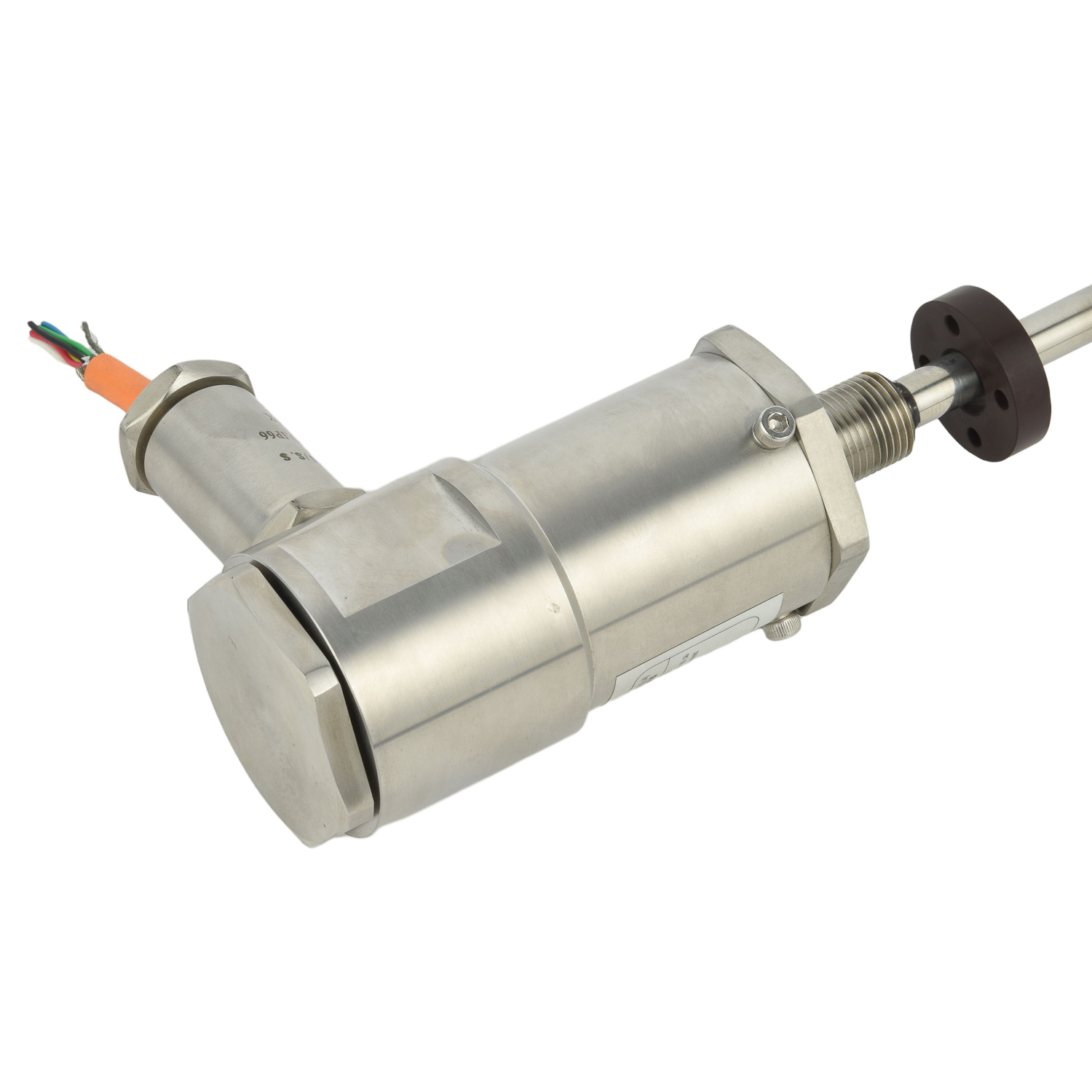
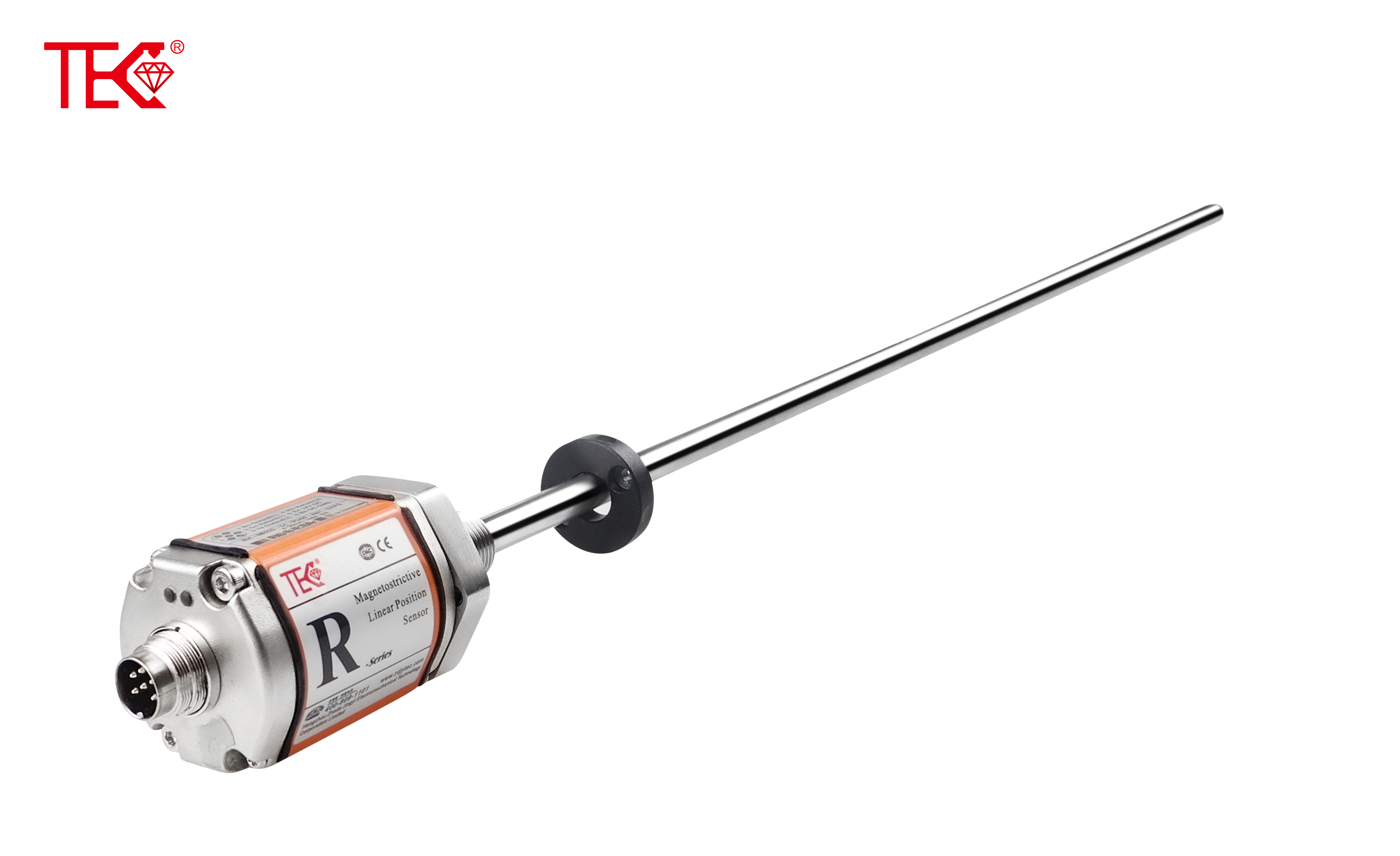
A magnetostrictive level gauge measures liquid level by using magnetostriction and time-of-flight. Its core parts include an electronics head, a waveguide tube, a magnetostrictive wire, and a float with permanent magnets. The float follows the liquid surface. The electronics head sends a short current pulse along the wire. This pulse creates a circular magnetic field around the wire. At the float position, the permanent magnetic field interacts with the circular field. The interaction causes a small torsional strain wave, or mechanical pulse, in the wire. This wave travels back to the electronics head at a known speed. A sensing element detects the arrival time. Because the current pulse travel is very fast and practically negligible, the elapsed time between pulse launch and wave return corresponds to the distance from the head to the float. The processor converts this time into level, interface, or volume output. The design provides high accuracy, stability, and repeatability. It is widely used in tanks for oil, chemicals, water, and fuels. Since the sensing wire is sealed and the float is the only moving part, maintenance is low. Temperature changes can affect wave speed, so compensation is often applied. Advanced models can measure two interfaces using two floats. Its output is typically 4-20 mA, HART, or digital. In short, the magnetostrictive level gauge turns a magnetic float position into a precise time measurement, making it reliable for industrial level control.
 Installation Method of Magneto
Working Principle of Magnetost
Installation Method of Magneto
Working Principle of Magnetost
 Technical Parameters of Magnet
 How Much is Magnetostrictive L