
Field Application of Magnetostrictive Level Gauge
Magnetostrictive level gauges are widely used in field applications where accuracy, reliability, and long-term stability are critical. The instrument measures liquid level with high precision by detecting a magnetic float along a sensing waveguide. A current pulse creates a torsional wave, and the return signal becomes a precise level reading. With no moving mechanical parts, the gauge resists wear, vibration, and contamination.
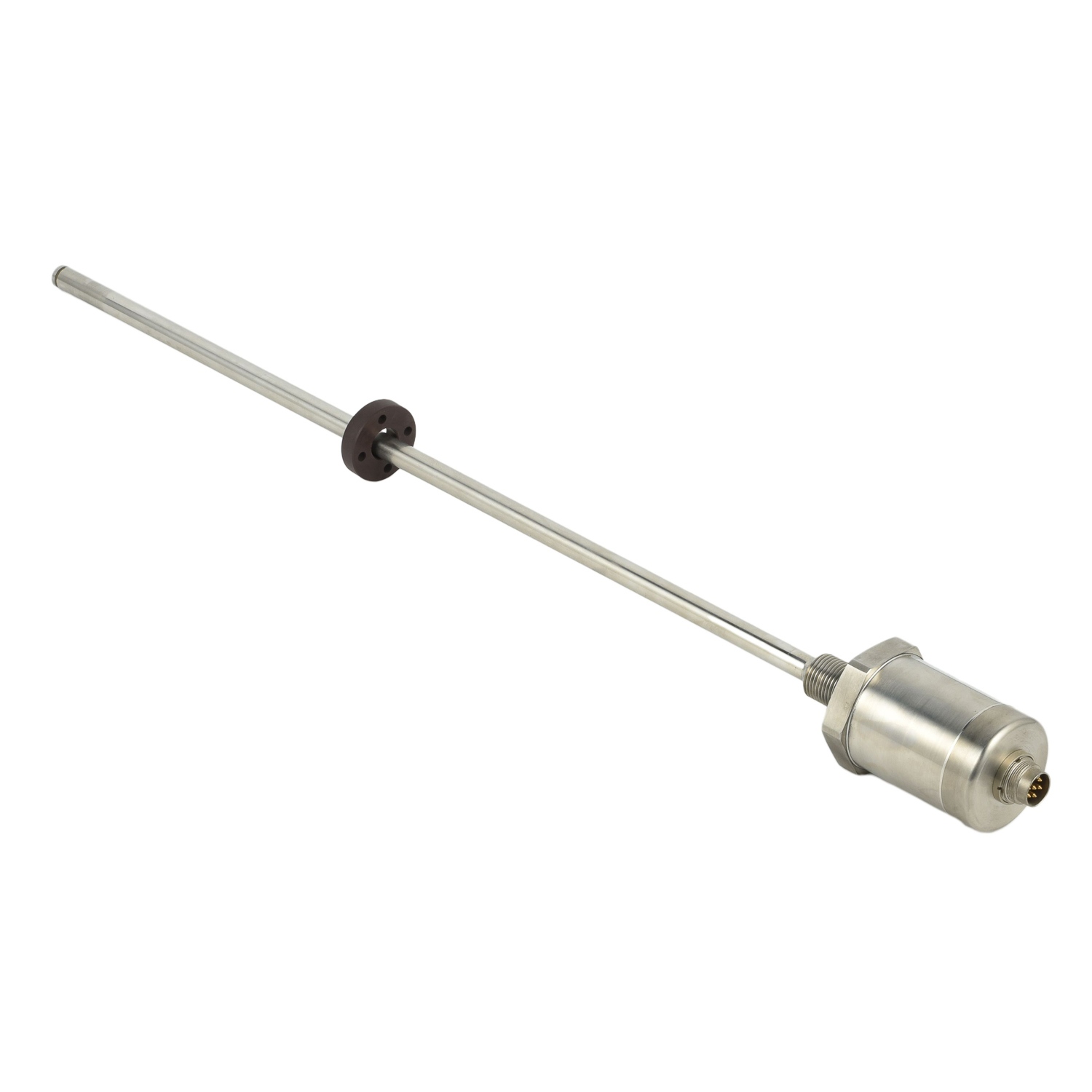
In oil and gas terminals, magnetostrictive level gauges monitor storage tanks and interface layers. They provide 4-20 mA, HART, or Modbus output for real-time inventory and leak detection. In chemical plants, they handle corrosive liquids with suitable wetted materials such as 316L stainless steel, PTFE, or Hastelloy. In water treatment, they track dosing and reservoir levels with high repeatability.
Field installation is simple but critical. Mount the probe vertically and allow the float to move freely. A stilling well or bypass chamber reduces turbulence and foam. Proper grounding and surge protection greatly improve reliability in hazardous areas. Explosion-proof and intrinsically safe models support ATEX, IECEx, and other approvals.
Maintenance is low. Technicians can verify output, clean the float, and check wiring during scheduled shutdowns. Advanced diagnostics help identify signal loss, float jams, or temperature drift. Overall, magnetostrictive level gauges deliver precise, stable, and safe level measurement in demanding field environments.
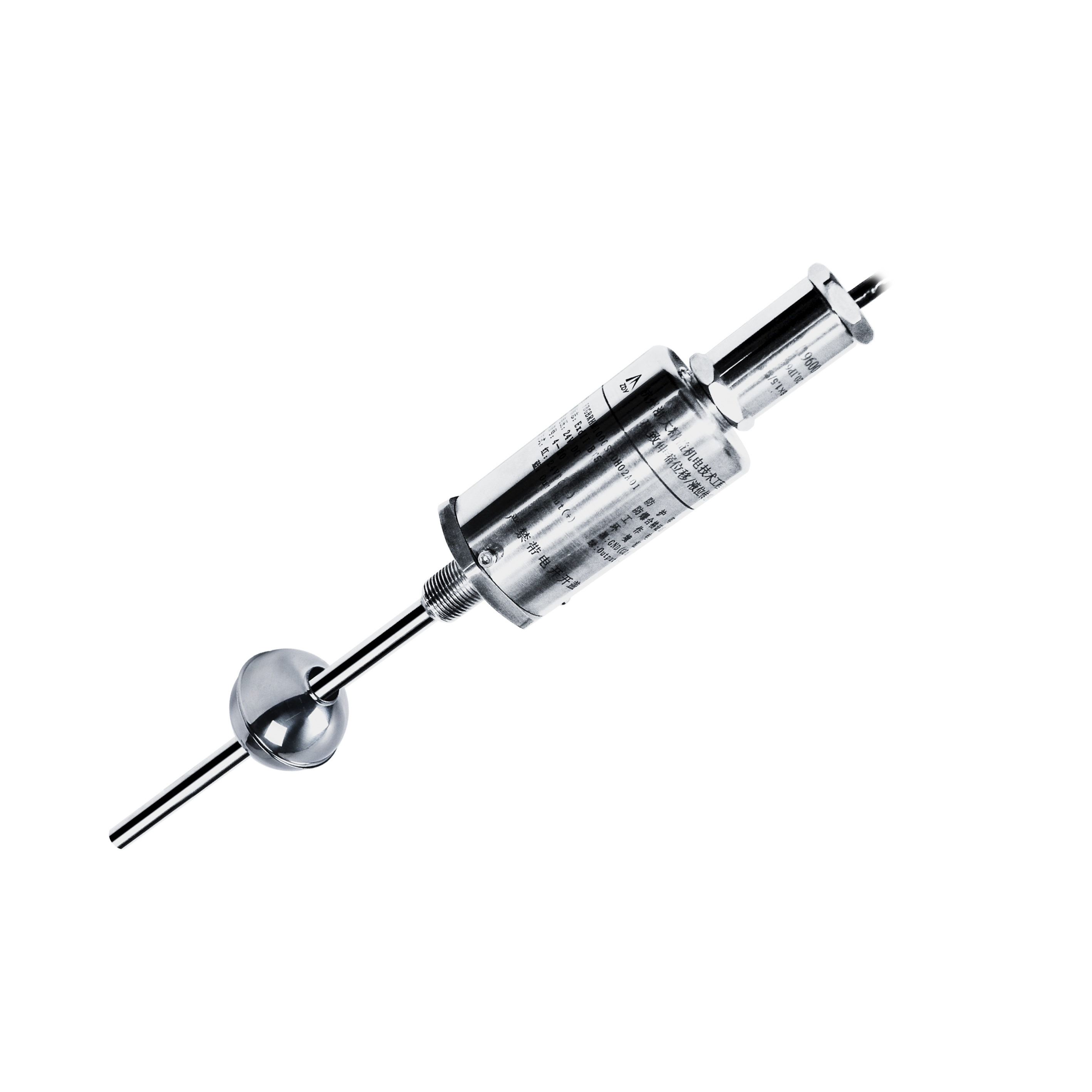 Magnetostrictive Level Gauge F
Field Application of Magnetost
Magnetostrictive Level Gauge F
Field Application of Magnetost
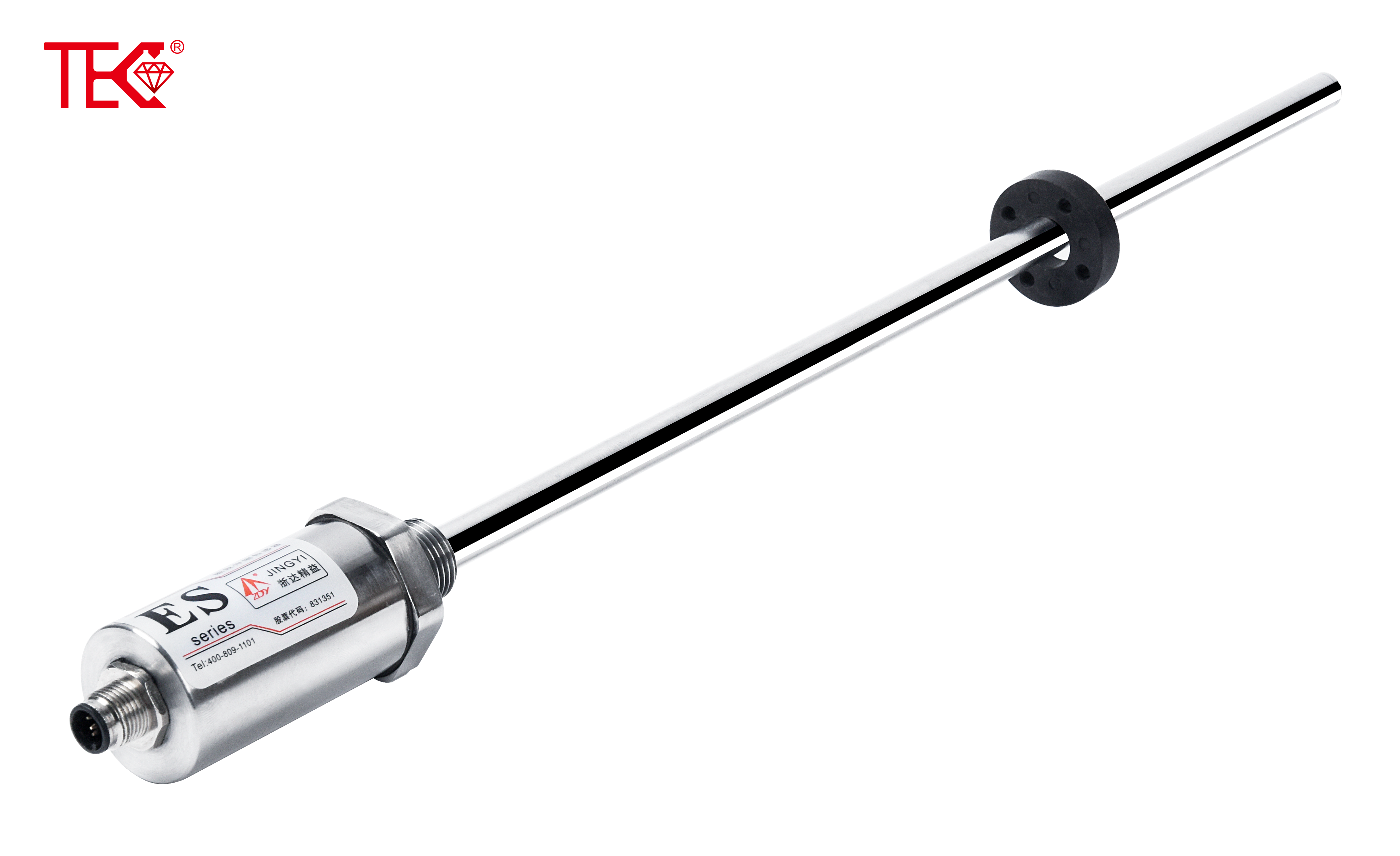 Model and Specification of Mag
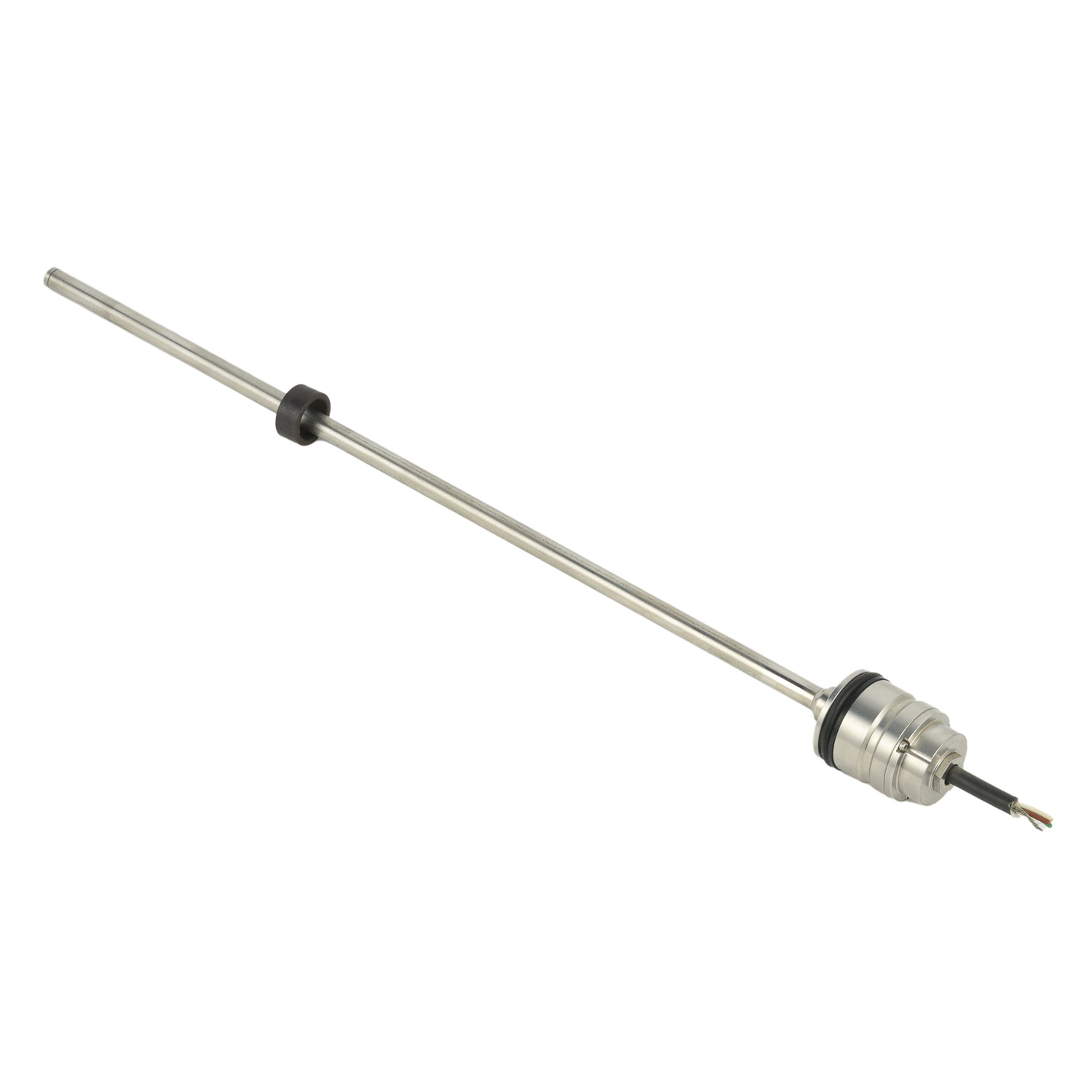 Import Substitute Magnetostric