
Built-in Hydraulic Cylinder Linear Displacement Sensor
A built-in hydraulic cylinder linear displacement sensor is installed inside the cylinder body or piston rod to measure rod extension in real time. Unlike external sensors, it is protected from dust, shock, moisture, and impact, making it ideal for mobile machinery, industrial presses, and offshore equipment. The sensor often uses magnetostrictive, inductive, or resistive technology. A magnet on the piston moves with the rod while a sensing element detects its position and converts it into an electrical signal. The controller uses this feedback to adjust valves, pumps, or actuators.
Because the sensor sits within the hydraulic cylinder, installation space is reduced and alignment is simplified. It provides continuous position feedback, high repeatability, and stable performance under high pressure and vibration. When paired with proportional or servo valves, it enables precise speed, force, and position control. This improves cycle accuracy, energy efficiency, and safety.
Engineers should consider stroke length, pressure rating, temperature range, output signal, and ingress protection. Proper sealing and cable routing are critical to prevent fluid leakage and signal noise. Regular calibration and condition monitoring help maintain accuracy and extend service life.
From construction and agricultural machines to steel mills and aerospace test rigs, built-in hydraulic cylinder linear displacement sensors deliver reliable motion feedback in demanding environments. As automation grows, these sensors will remain a key part of smart hydraulic systems.
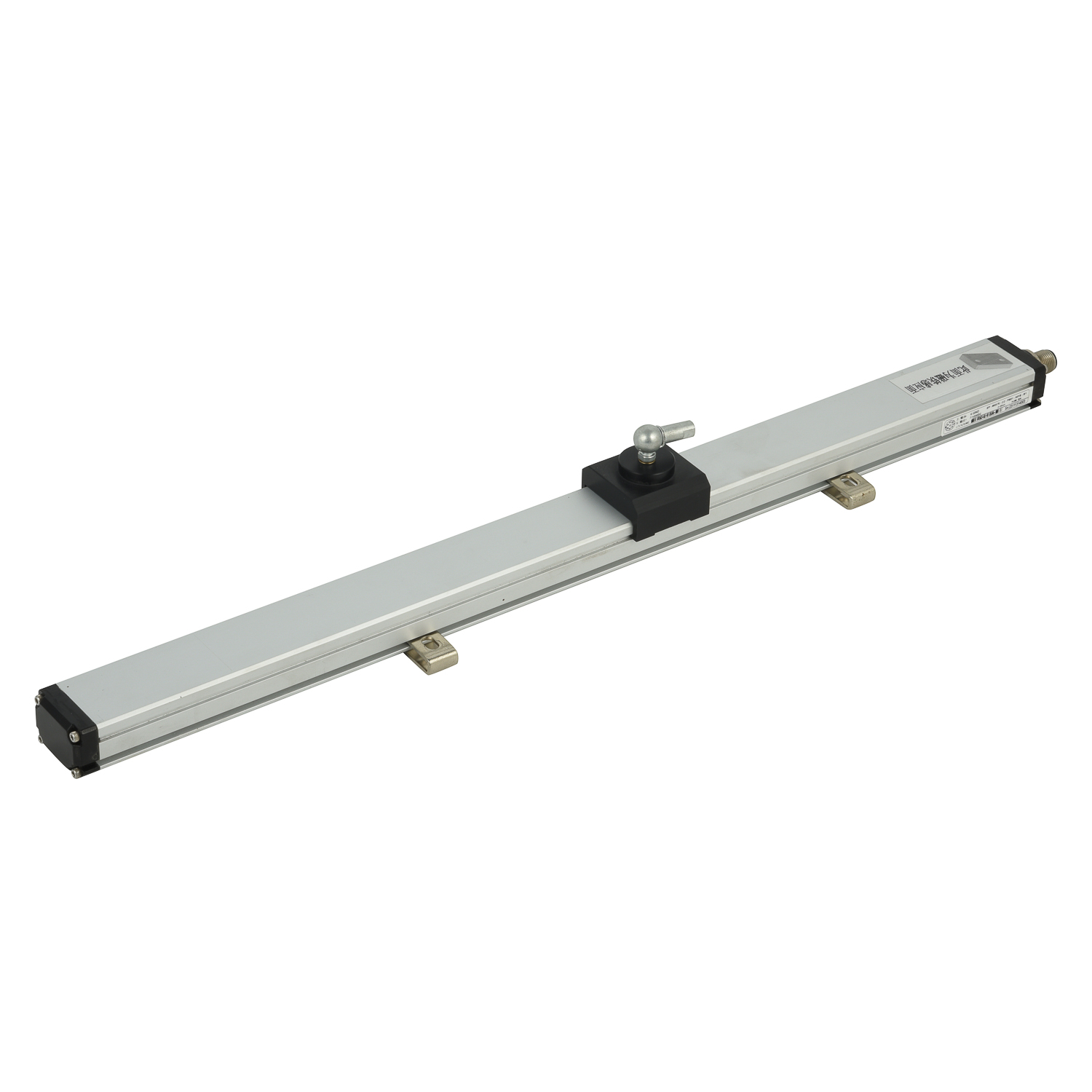 Built-in Hydraulic Cylinder Li
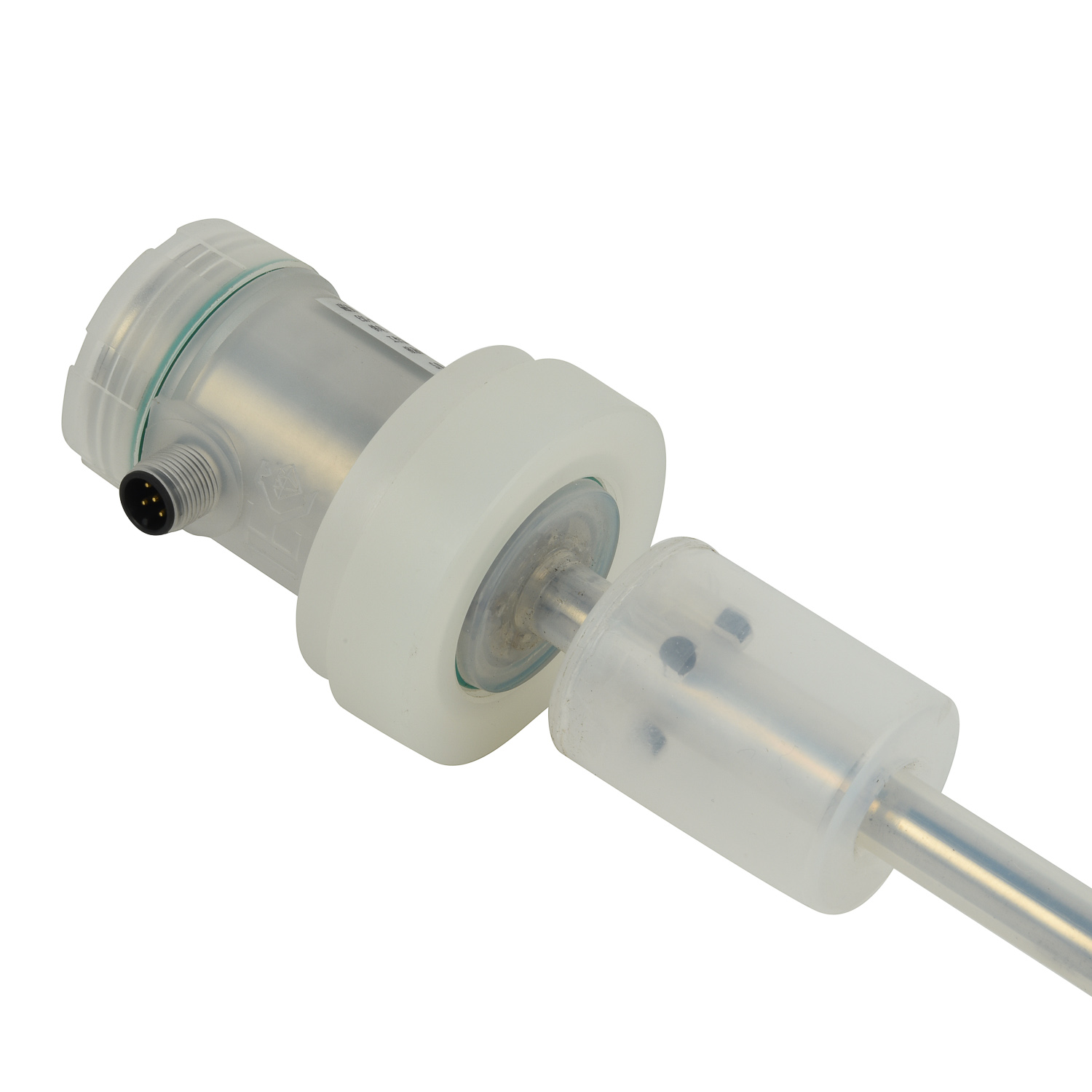 High-pressure Linear Displacem
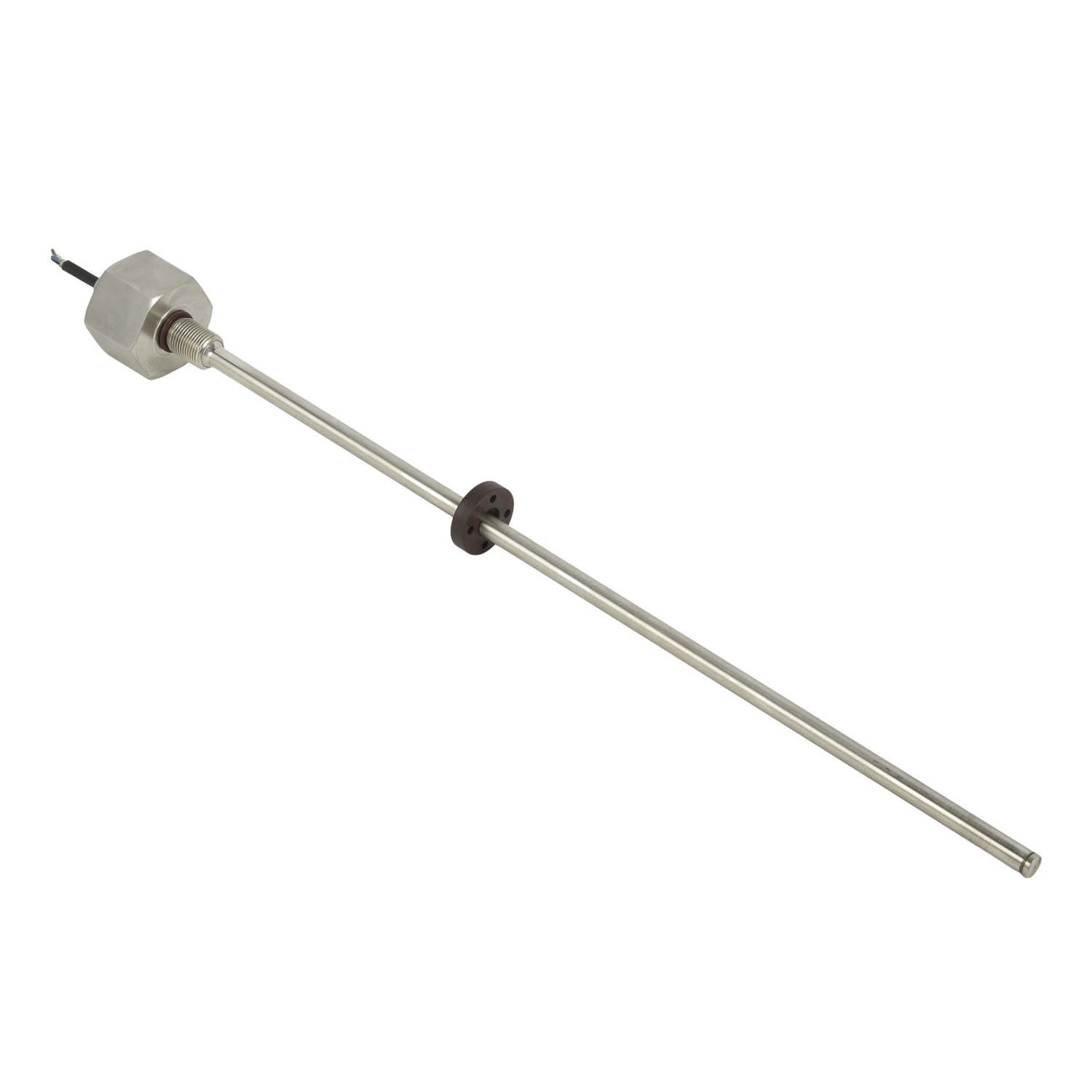 High-temperature Linear Displa
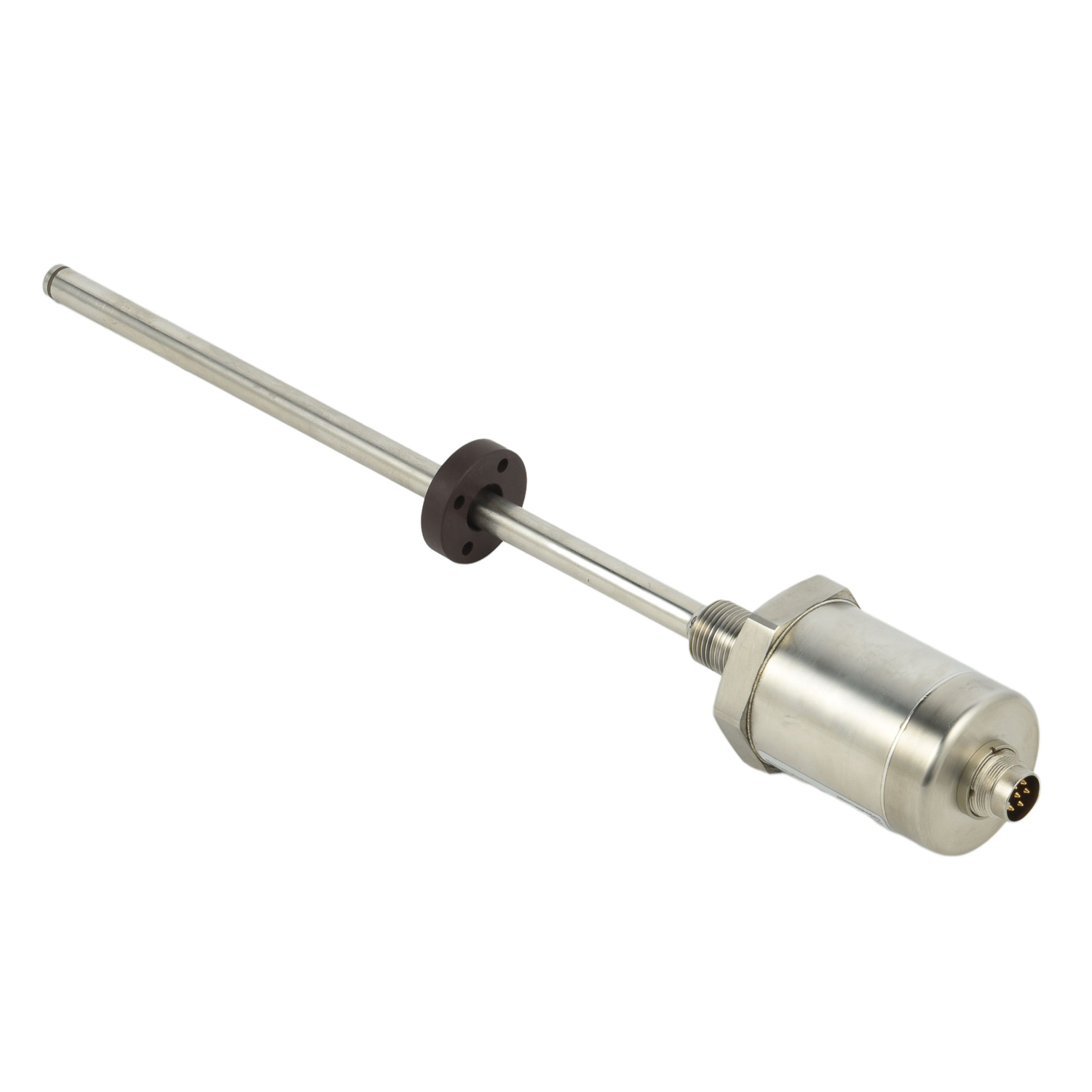 Waterproof Linear Displacement