
High-temperature Linear Displacement Sensor
High-temperature linear displacement sensors measure position and movement where ordinary sensors cannot survive. They are used in steel mills, glass production, aerospace testing, power generation, and automotive research, where heat, vibration, dust, and electromagnetic interference are common. These devices convert linear motion into an electrical signal. Common technologies include LVDT, eddy current, magnetostrictive, and capacitive sensing. Selection depends on stroke length, accuracy, resolution, temperature range, mounting space, and output type. Some models work continuously at 200°C, while advanced versions handle 400°C or more with cooling or remote electronics. Important specifications include linearity, repeatability, temperature coefficient, protection class, and cable rating. Stainless steel housings, ceramic insulation, special alloys, and sealed connectors improve reliability. Non-contact designs reduce wear and are ideal for long-term monitoring. Contact designs can provide high precision for shorter strokes. They also resist thermal shock and maintain signal stability in harsh duty cycles. This aids predictive maintenance. Installation affects performance. Correct alignment avoids side load and extends service life. Shielding and grounding minimize noise. Regular calibration keeps data accurate for process control, condition monitoring, and safety systems. When choosing a sensor, study the real thermal profile, not only the peak temperature. Consider thermal expansion, radiation, vibration, and cooling needs. A well-matched high-temperature linear displacement sensor provides stable feedback, less downtime, and safer operation in demanding industrial environments.
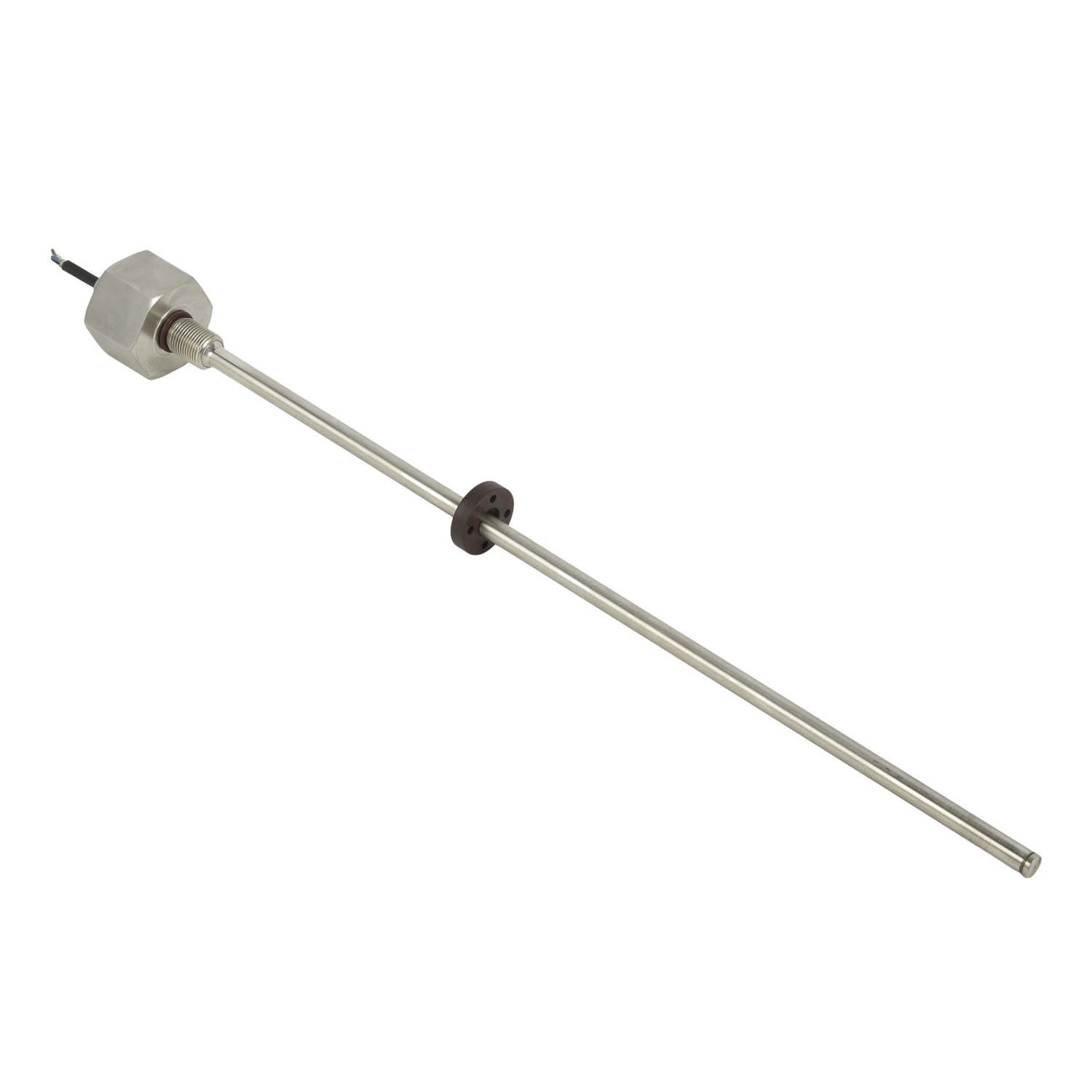 High-temperature Linear Displa
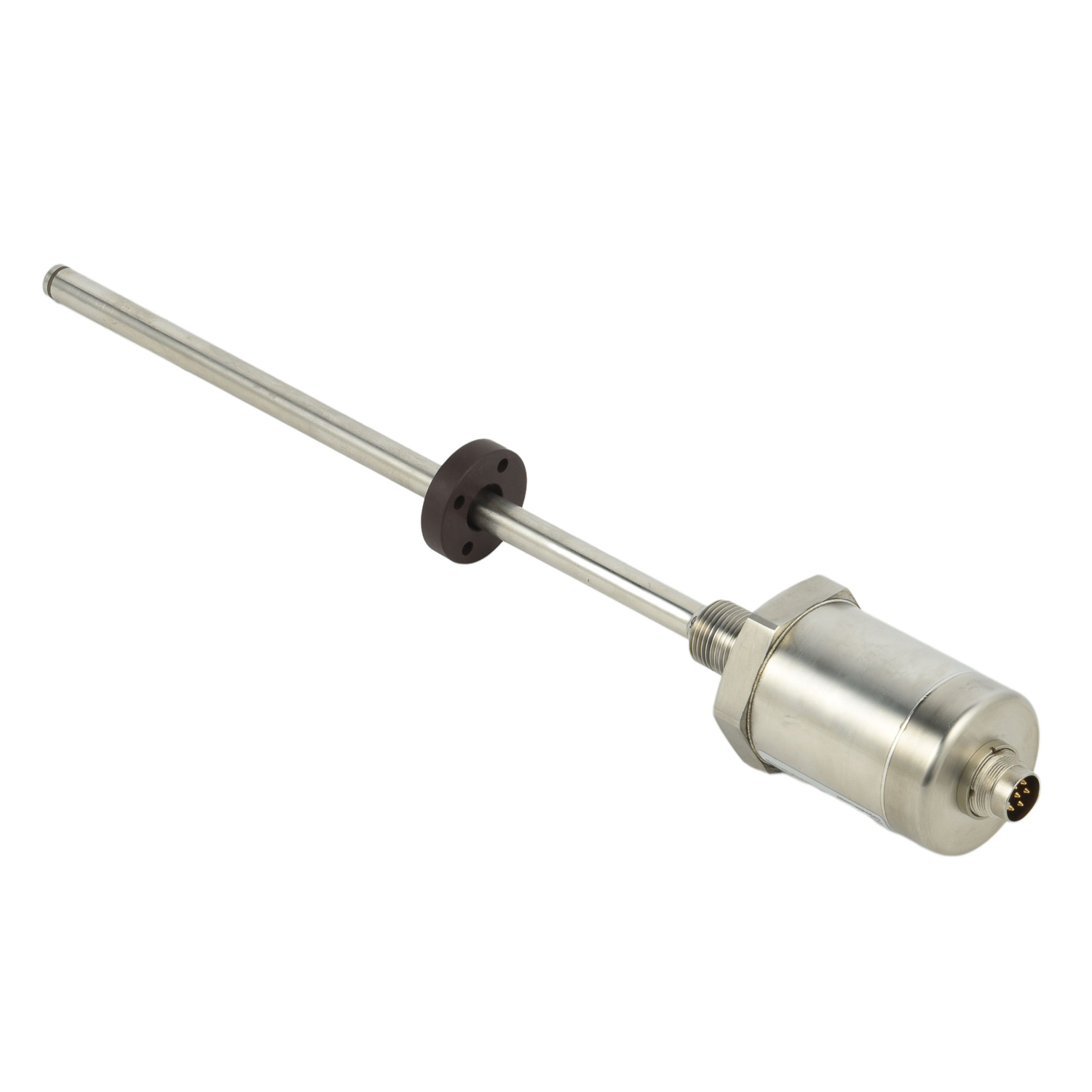 Waterproof Linear Displacement
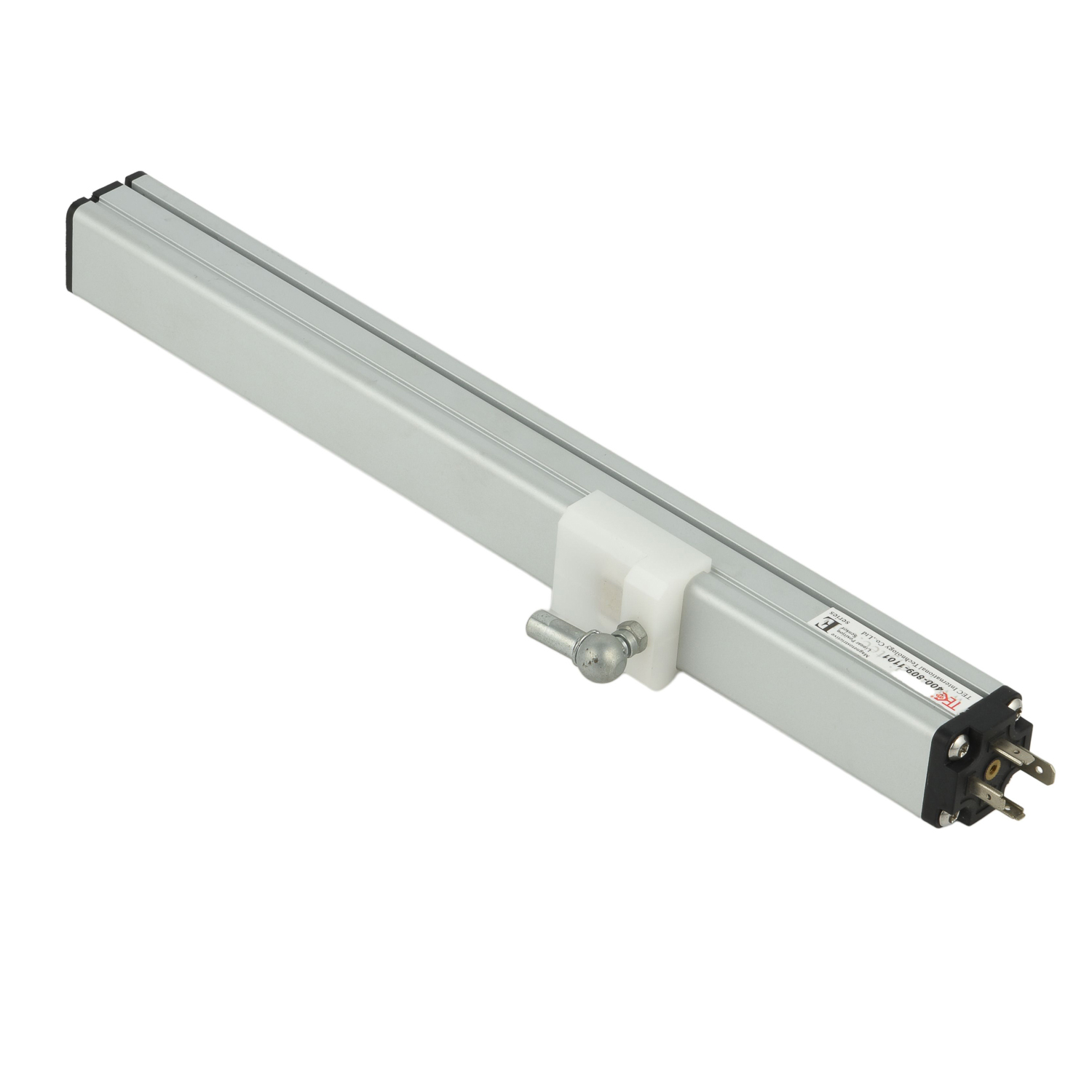 Intrinsically Safe Explosion-p
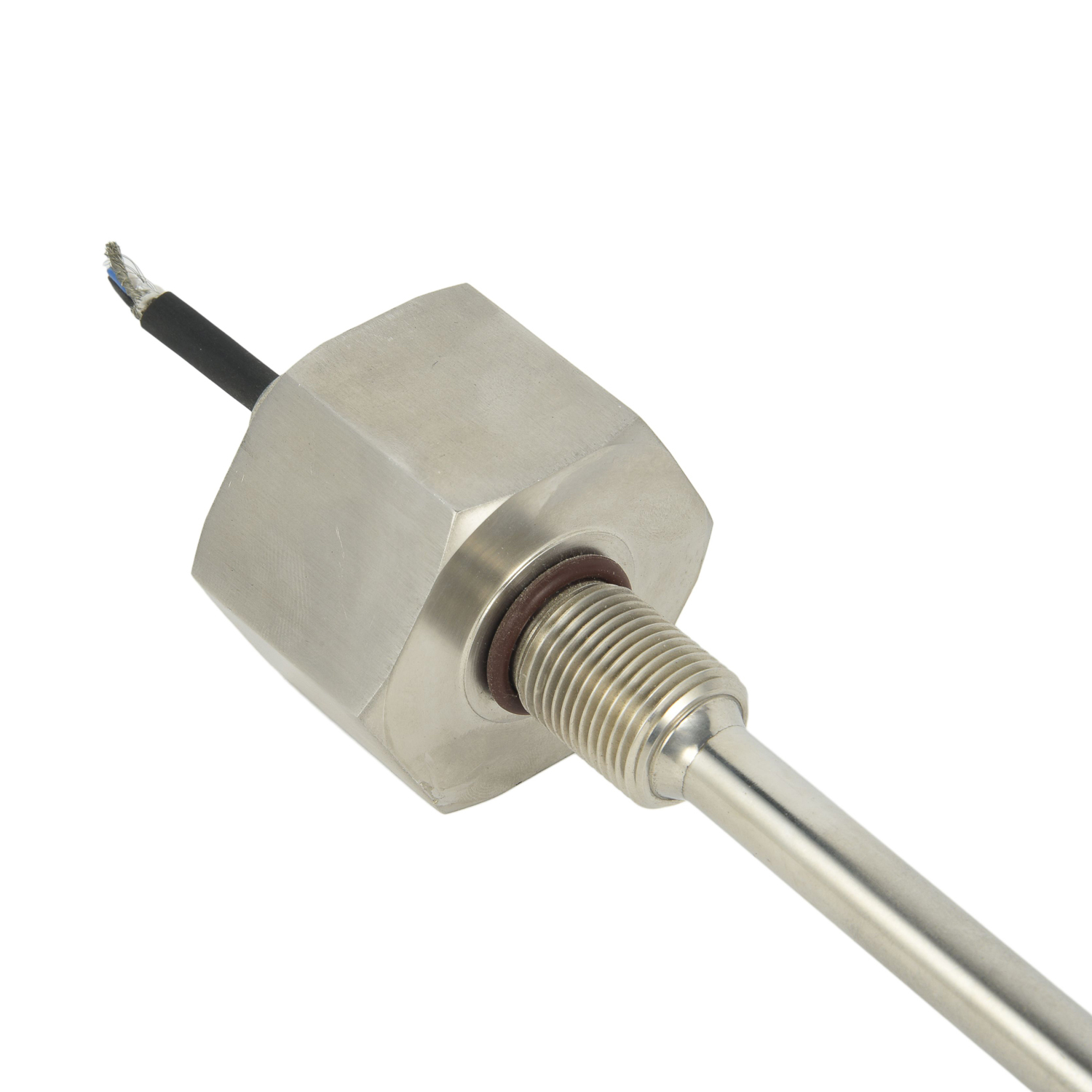 Explosion-proof Linear Displac