
Flange-mounted Linear Displacement Sensor
Flange-mounted linear displacement sensors are compact devices designed to measure linear movement with high accuracy. Their flange base allows fast, secure installation on machinery, cylinders, and test rigs. Unlike rod-style sensors, a flange mount saves space and simplifies alignment. These sensors often use magnetostrictive, LVDT, or potentiometric technology. A movable core or magnet connects to the target, while the housing stays fixed. As the target moves, the sensor converts displacement into an electrical signal. Output options include 0-10 V, 4-20 mA, RS485, CANbus, or SSI. Users can choose stroke lengths from 10 mm to 1000 mm or more. Key features include repeatability, linearity, rugged sealing, and resistance to shock and vibration. A flange-mounted design is ideal for hydraulic cylinders, injection molding machines, valve position feedback, and automation lines. It provides real-time position data for closed-loop control. Installation requires a flat mounting surface, correct stroke alignment, and secure fastening. Shielding and proper grounding reduce electrical noise. Regular inspection of cables and connectors helps maintain reliability. When selecting a model, consider stroke, output type, IP rating, operating temperature, and mounting dimensions. Flange-mounted linear displacement sensors offer precise, durable, and space-saving feedback for demanding industrial applications. This makes them suitable for both new equipment and retrofit projects. They support reliable long-term operation.
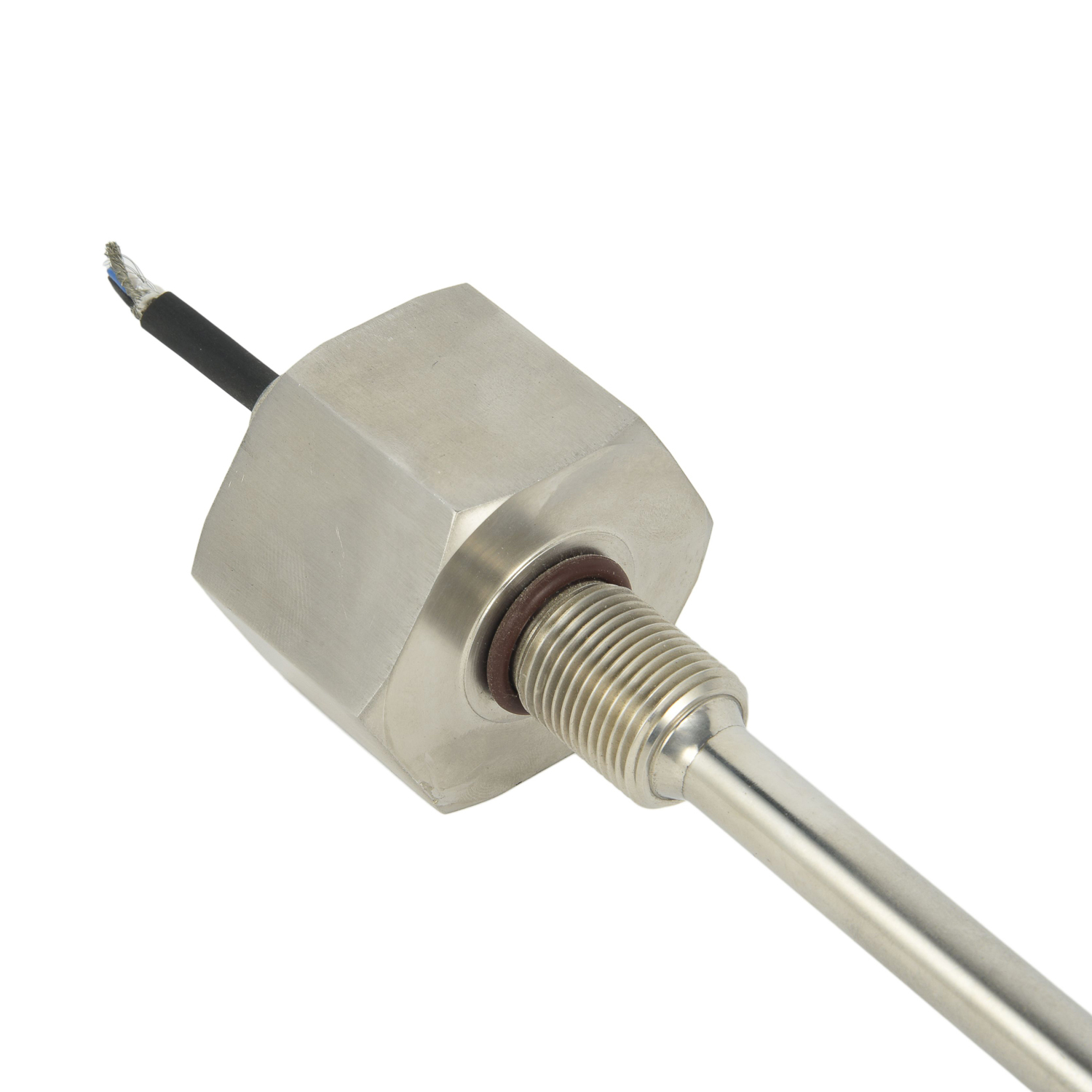 Flange-mounted Linear Displace
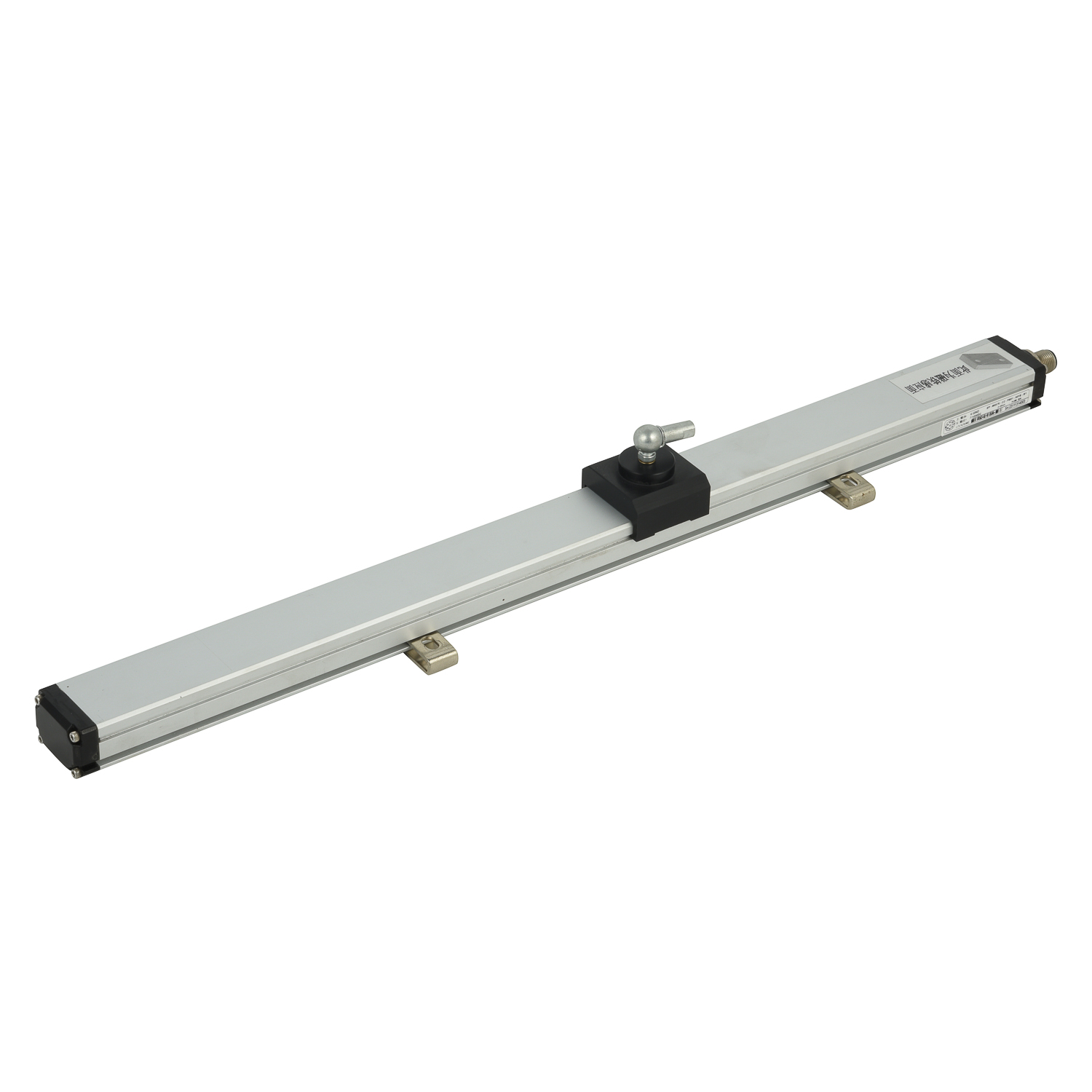
 Non-contact Linear Displacemen
 Built-in Hydraulic Cylinder Li
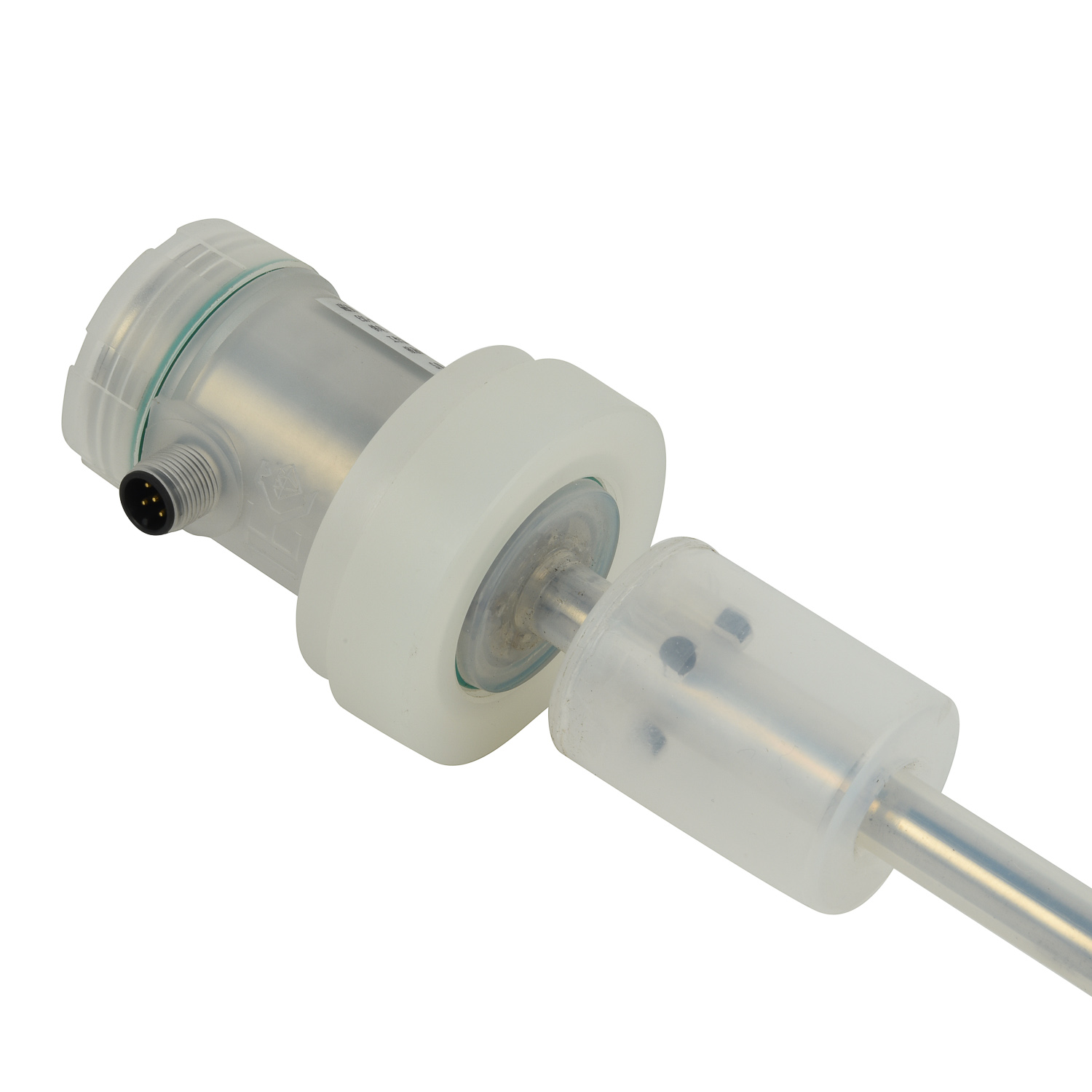 High-pressure Linear Displacem