
Float-type Magnetostrictive Level Gauge
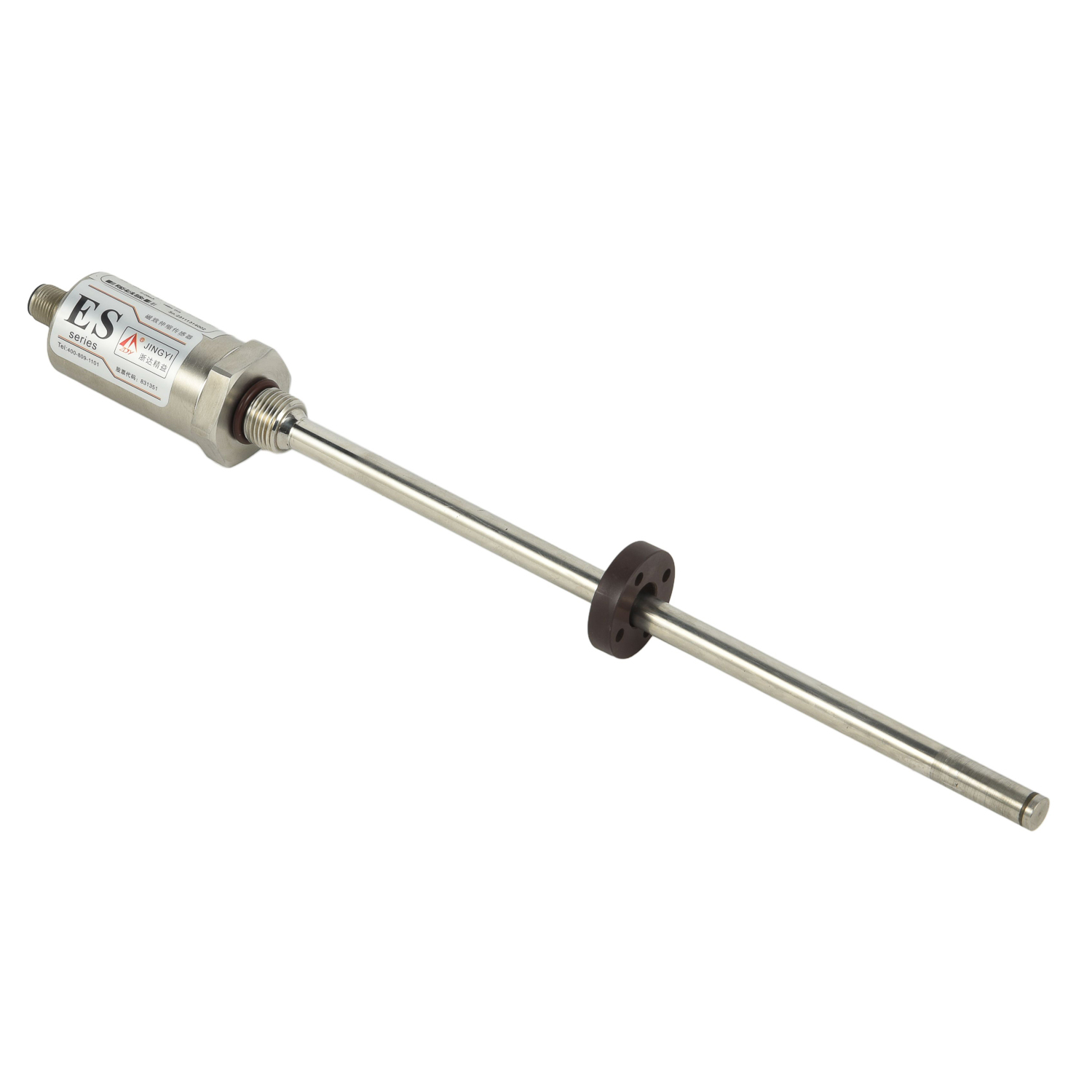
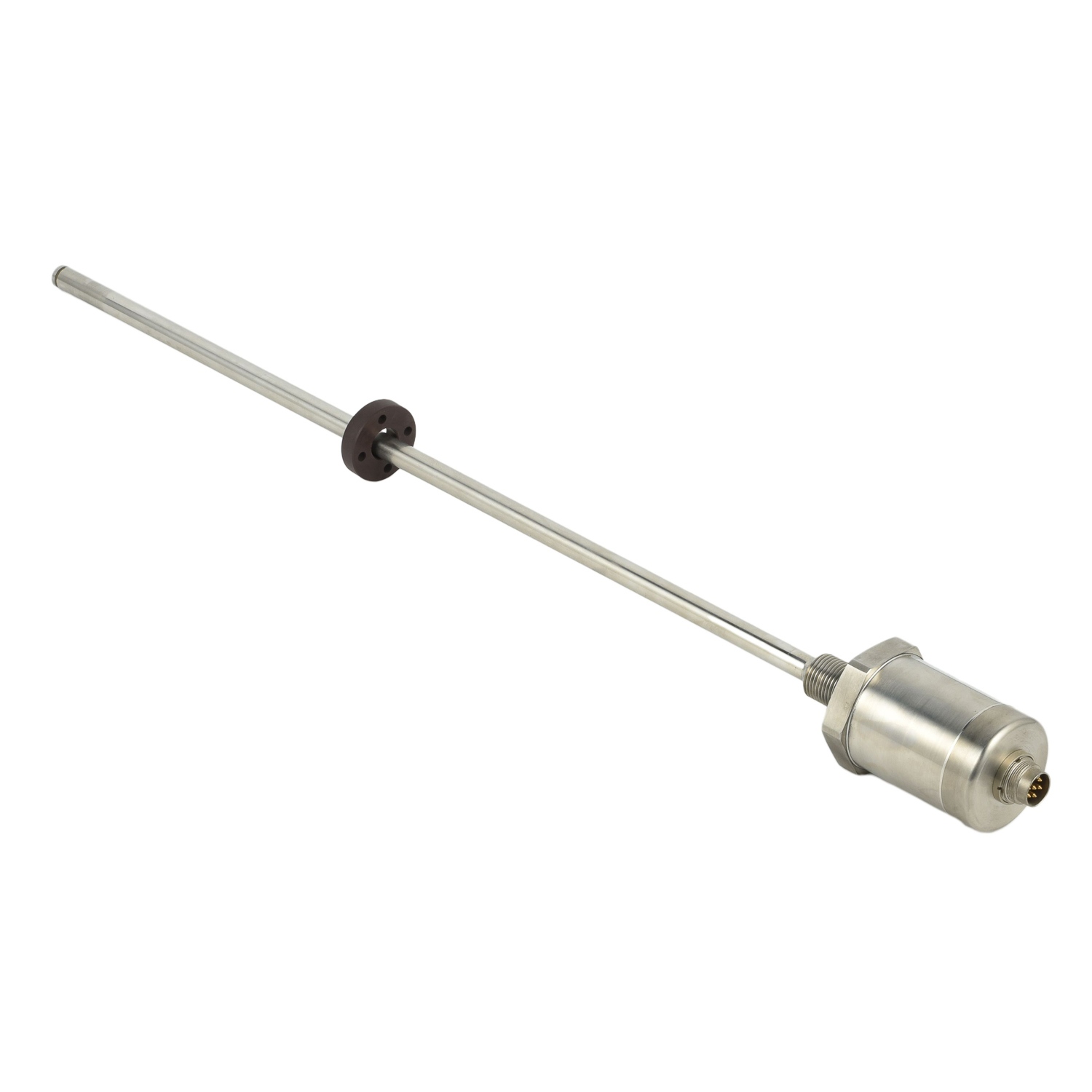
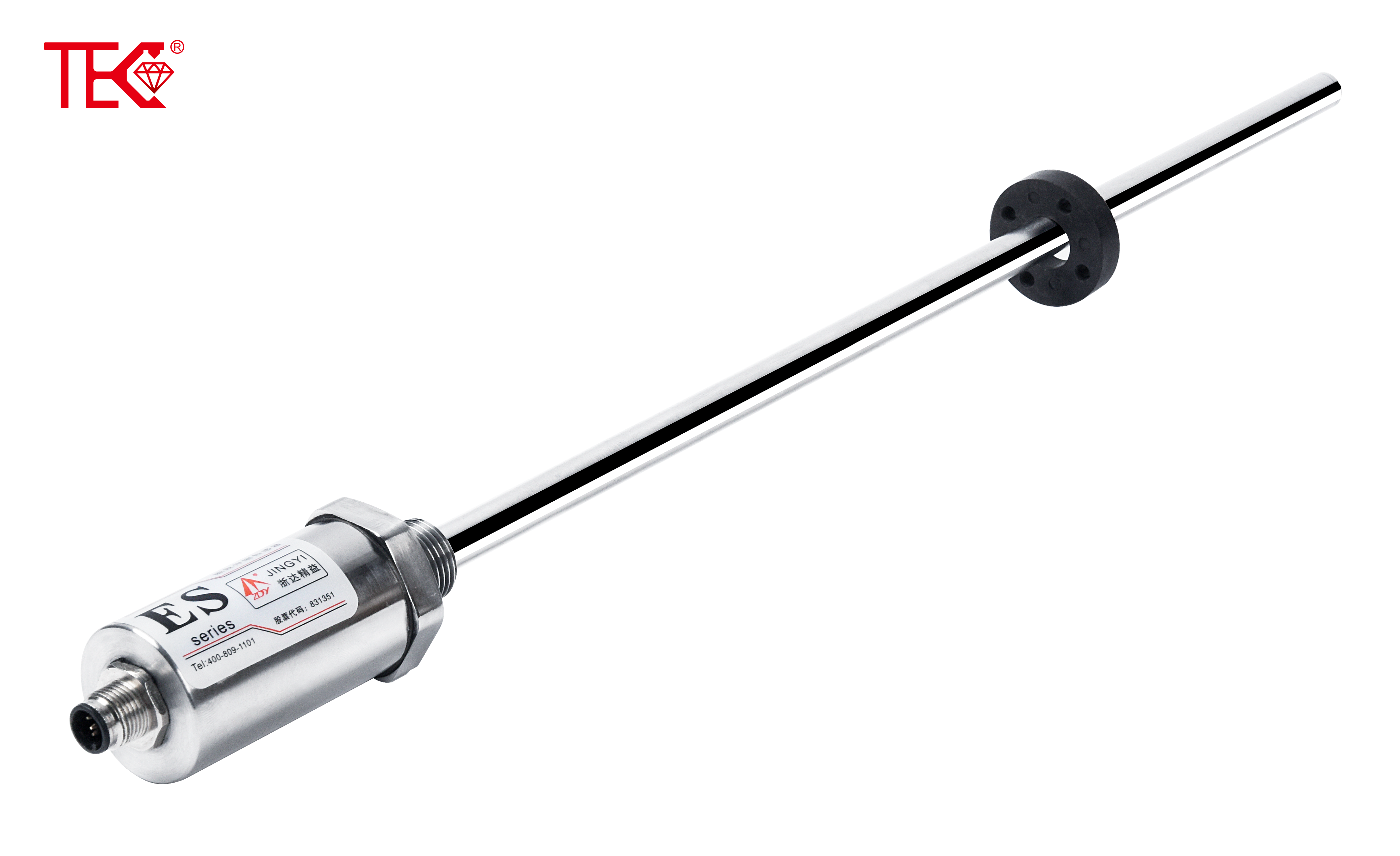
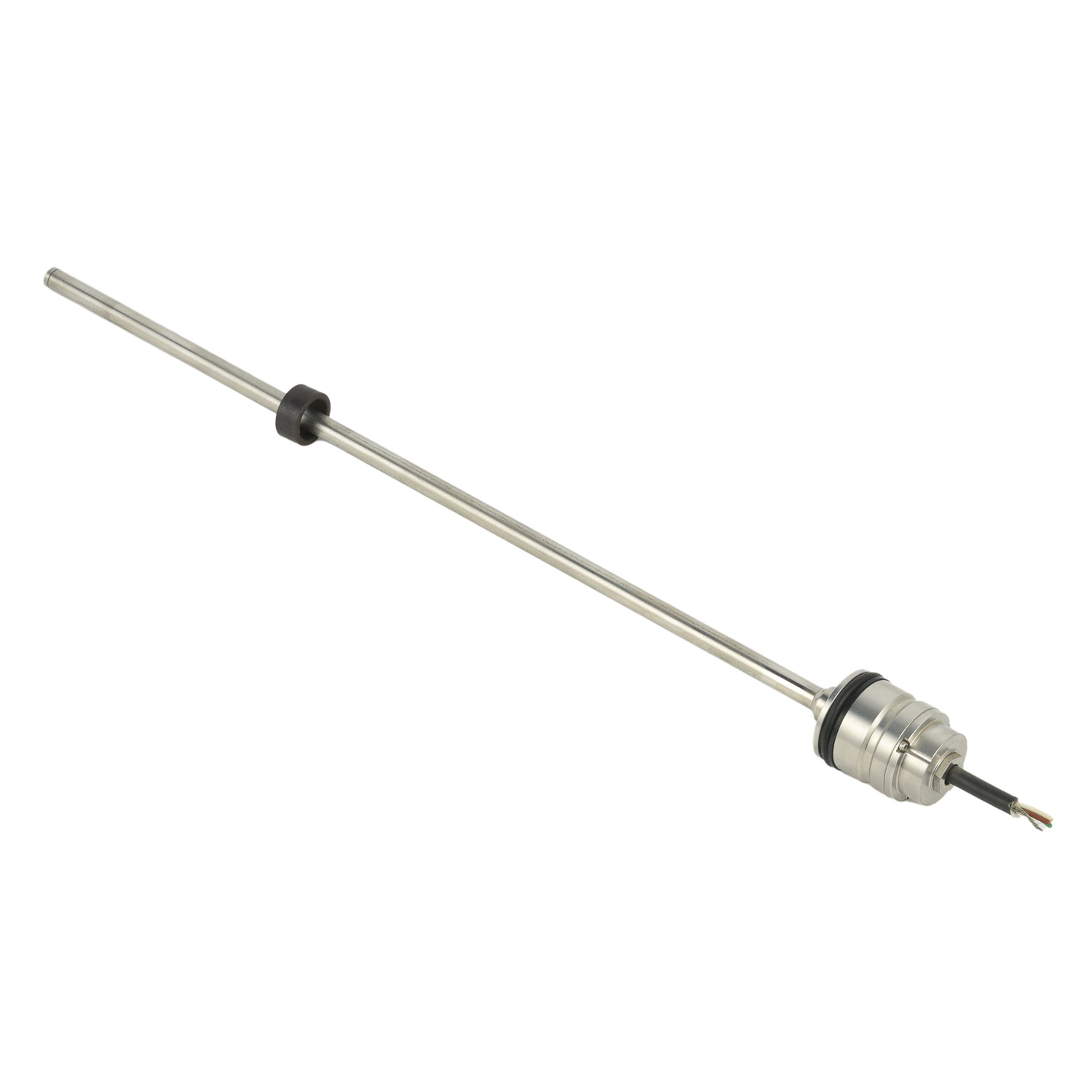
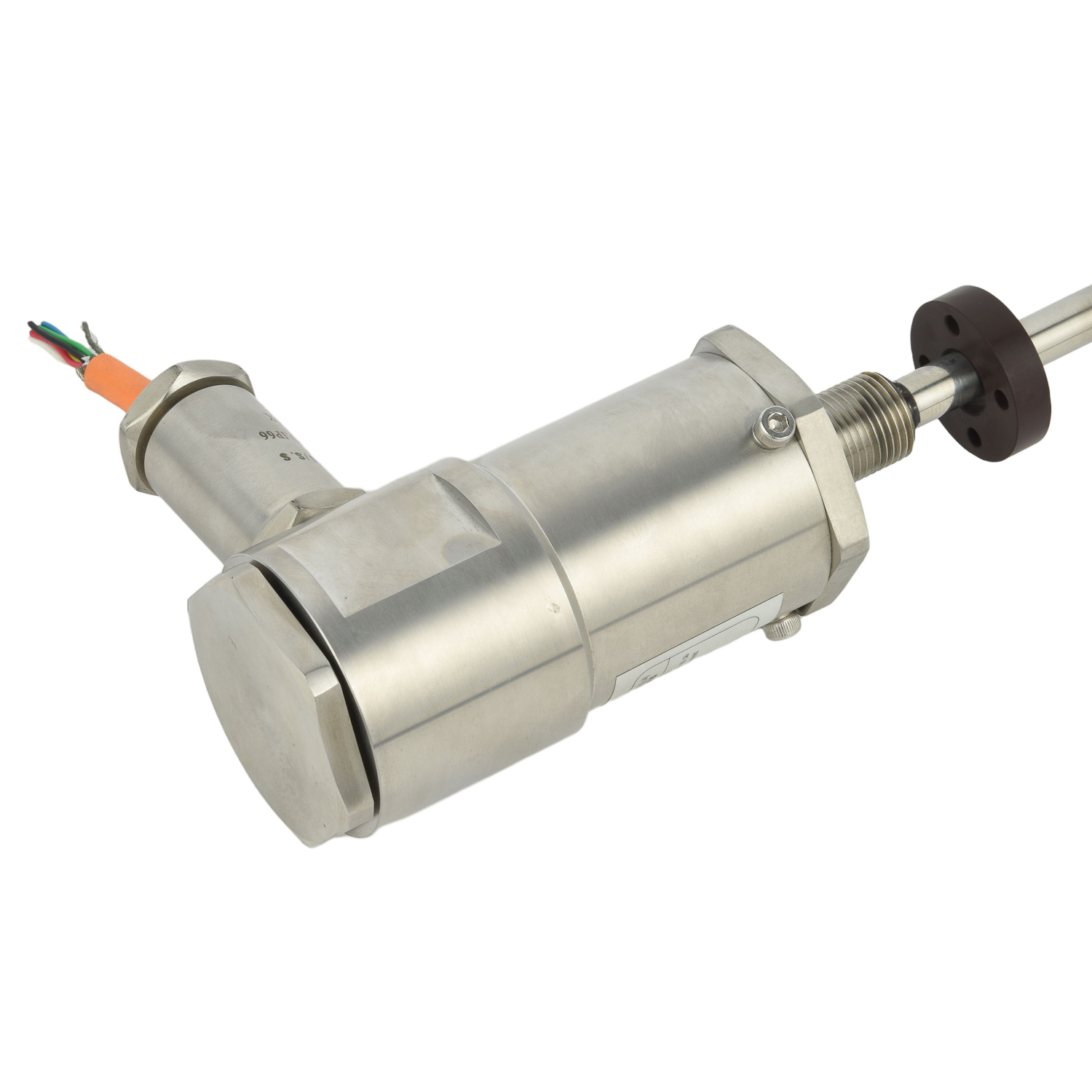
A Float-type Magnetostrictive Level Gauge is a high-precision instrument designed for continuous liquid level measurement in industrial tanks. It works by the magnetostrictive effect. A magnetic float moves with the liquid surface along a rod. A current pulse in the waveguide interacts with the float magnet and generates a torsional strain wave. The gauge measures the return time and converts it into an accurate level reading.
This technology offers high stability and repeatability. Because the sensing rod has no moving parts, wear is minimal. The gauge can provide analog outputs such as 4-20 mA, HART, RS485, or Modbus, making it easy to integrate with PLC, DCS, and SCADA systems. It is widely used in oil, chemical, water, food, and power industries.
Float-type magnetostrictive level gauges are suitable for measuring clean or lightly contaminated liquids, including fuels, oils, solvents, water, and chemical solutions. Models can be designed for high pressure, high temperature, and corrosive media. Proper float selection, process connection, and material compatibility are important for reliable performance. Installation should avoid strong vibration and magnetic interference. Regular inspection of the float and rod helps maintain long-term accuracy.
In summary, a Float-type Magnetostrictive Level Gauge combines precise measurement, robust construction, and flexible communication, making it a trusted solution for modern industrial level monitoring.
 Field Application of Magnetost
 Model and Specification of Mag
 Import Substitute Magnetostric
 Installation Method of Magneto