
Rod-type Magnetostrictive Level Gauge
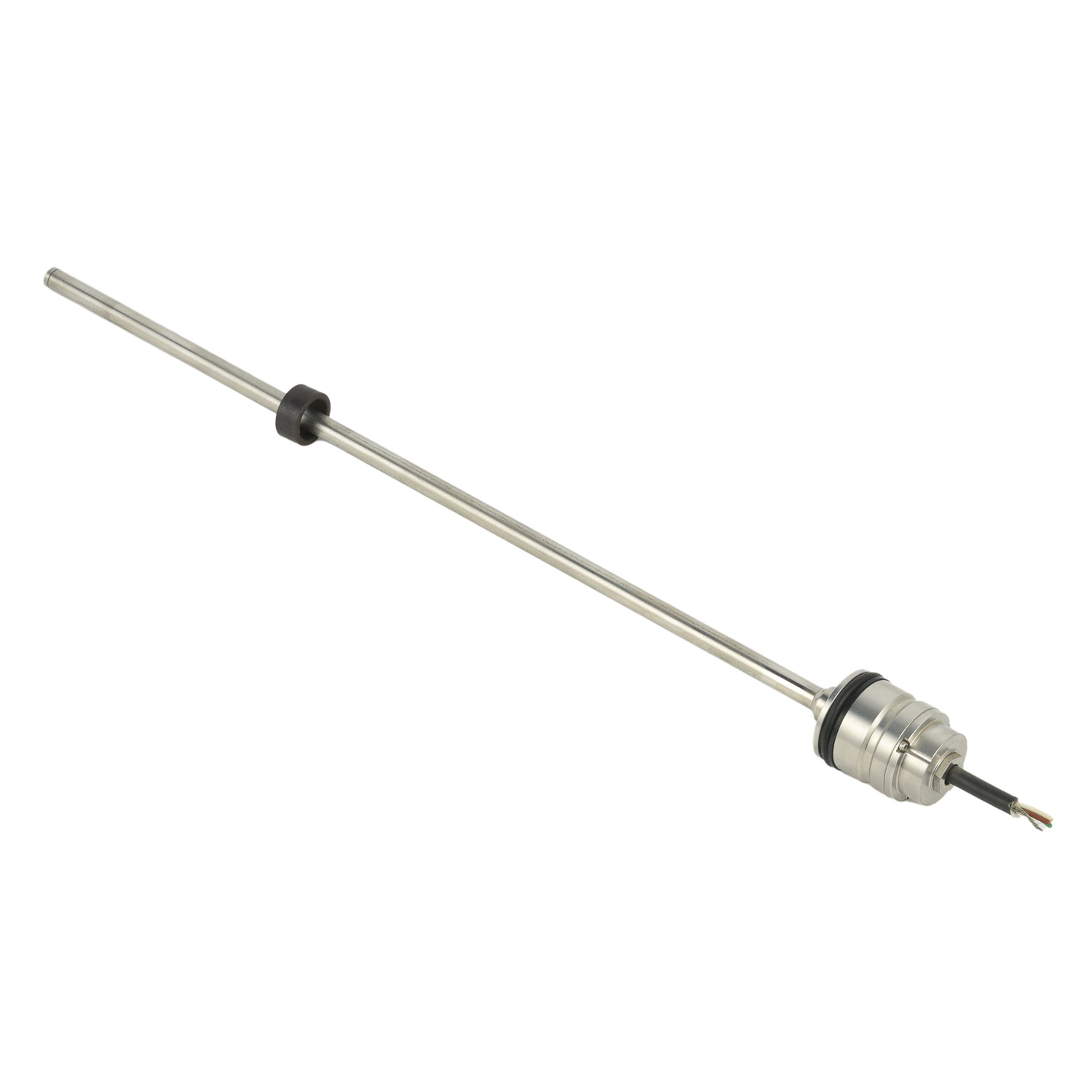
A rod-type magnetostrictive level gauge measures liquid level in tanks, vessels, and process systems with high precision. Its probe has a rigid rod containing a magnetostrictive wire. A float with permanent magnets moves with the liquid surface. An interrogation pulse travels along the wire, interacts with the float's magnetic field, and creates a torsional strain wave. The gauge times the pulse and returned wave, then converts it into an accurate level reading.
Because the sensing element is sealed inside the rod, the design suits clean, dirty, corrosive, and high-pressure fluids when proper materials are selected. Rod-type units are ideal for medium and small tanks. They offer repeatable measurement, low maintenance, and stable performance without moving mechanical parts. Common outputs include 4-20 mA, HART, RS485, and Modbus for PLC, DCS, and SCADA integration.
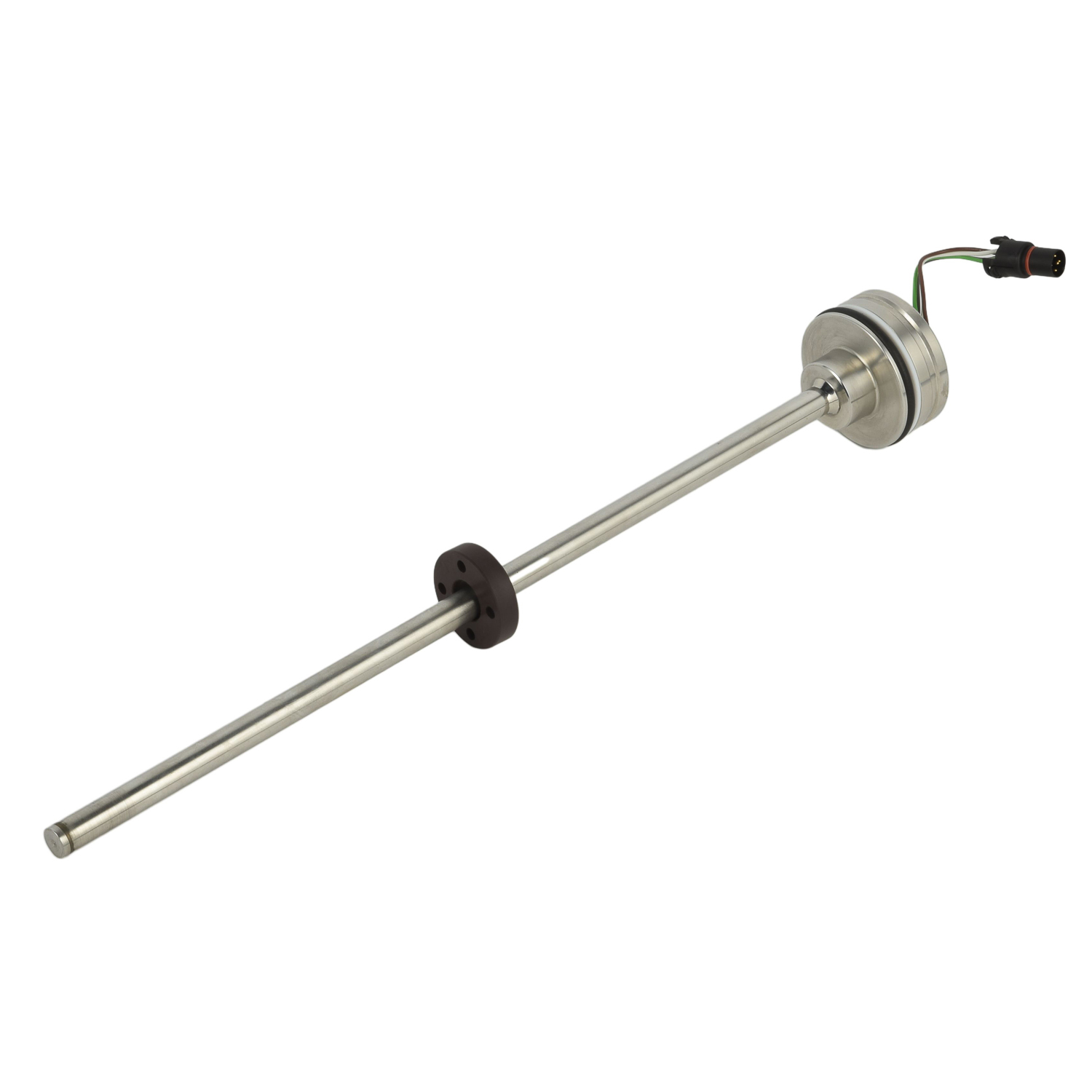
Installation requires correct mounting, vertical alignment, and float compatibility with the process fluid. Rod length, pressure rating, temperature range, and wetted materials must match the application. Regular inspection of the float and rod surface helps maintain accuracy. Industries such as oil and gas, chemicals, water treatment, food and beverage, and power generation rely on rod-type magnetostrictive level gauges for inventory control, batching, and safety.
With excellent accuracy, broad compatibility, and durable construction, this level gauge is a strong choice for demanding industrial liquid measurement.
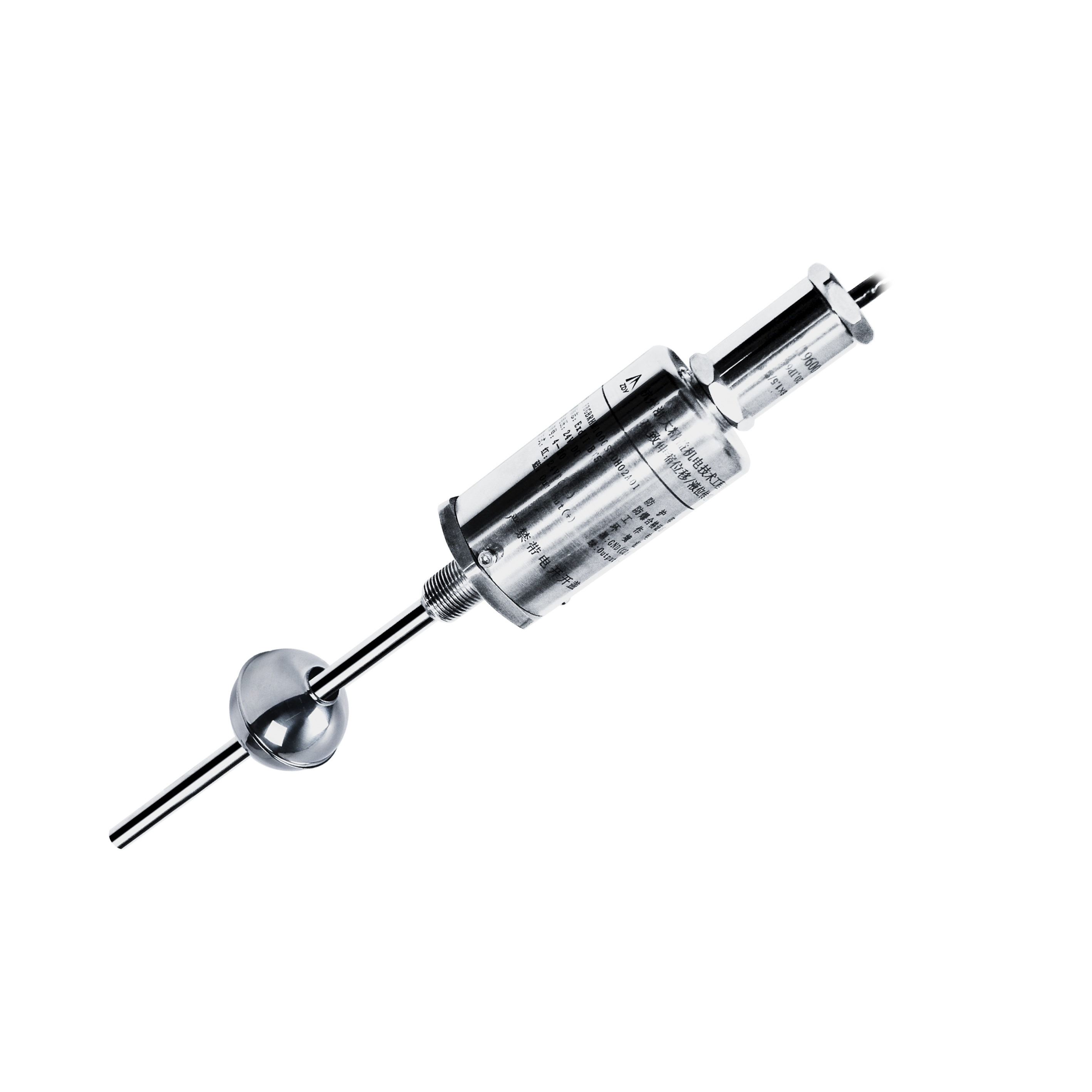 Magnetostrictive Level Gauge F
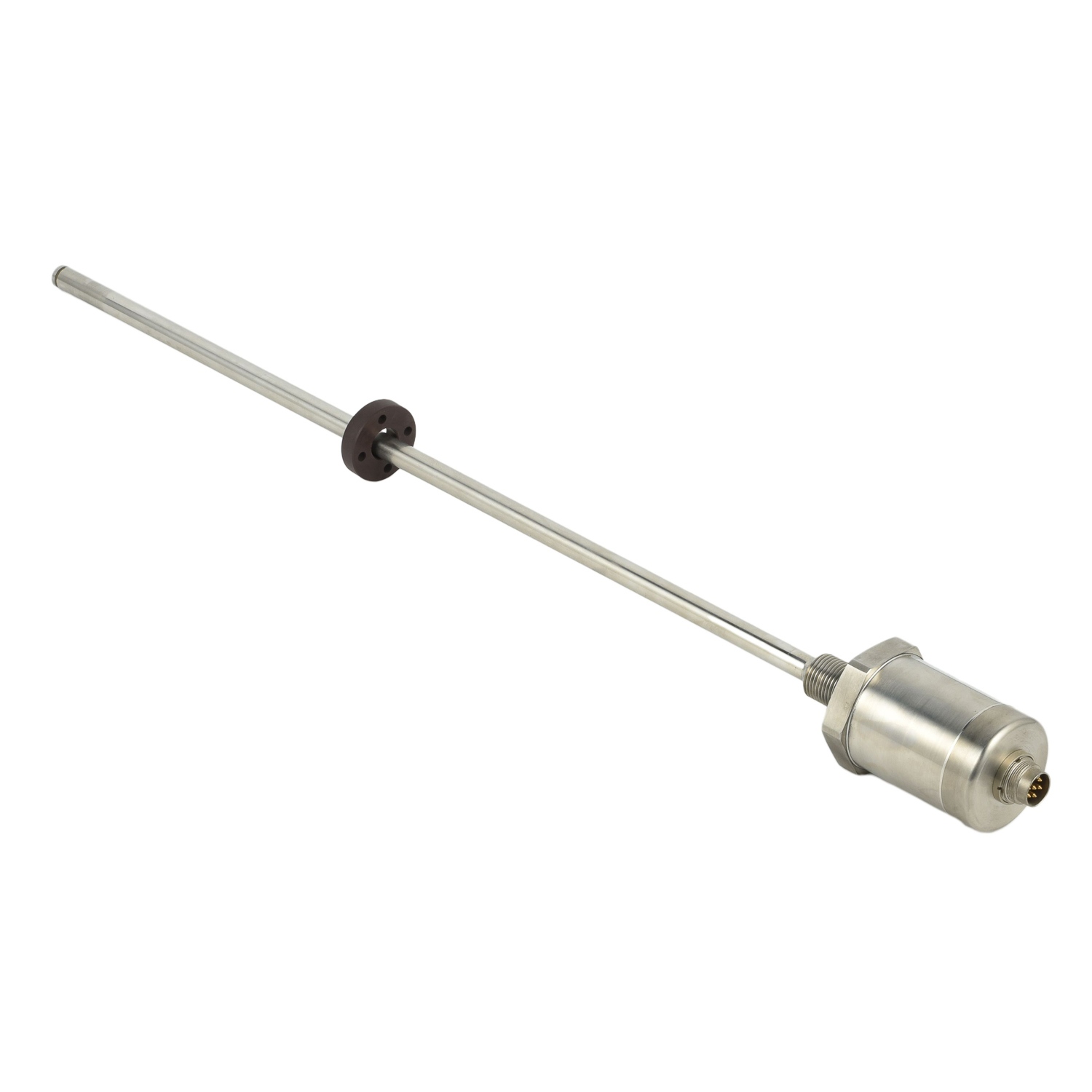 Field Application of Magnetost
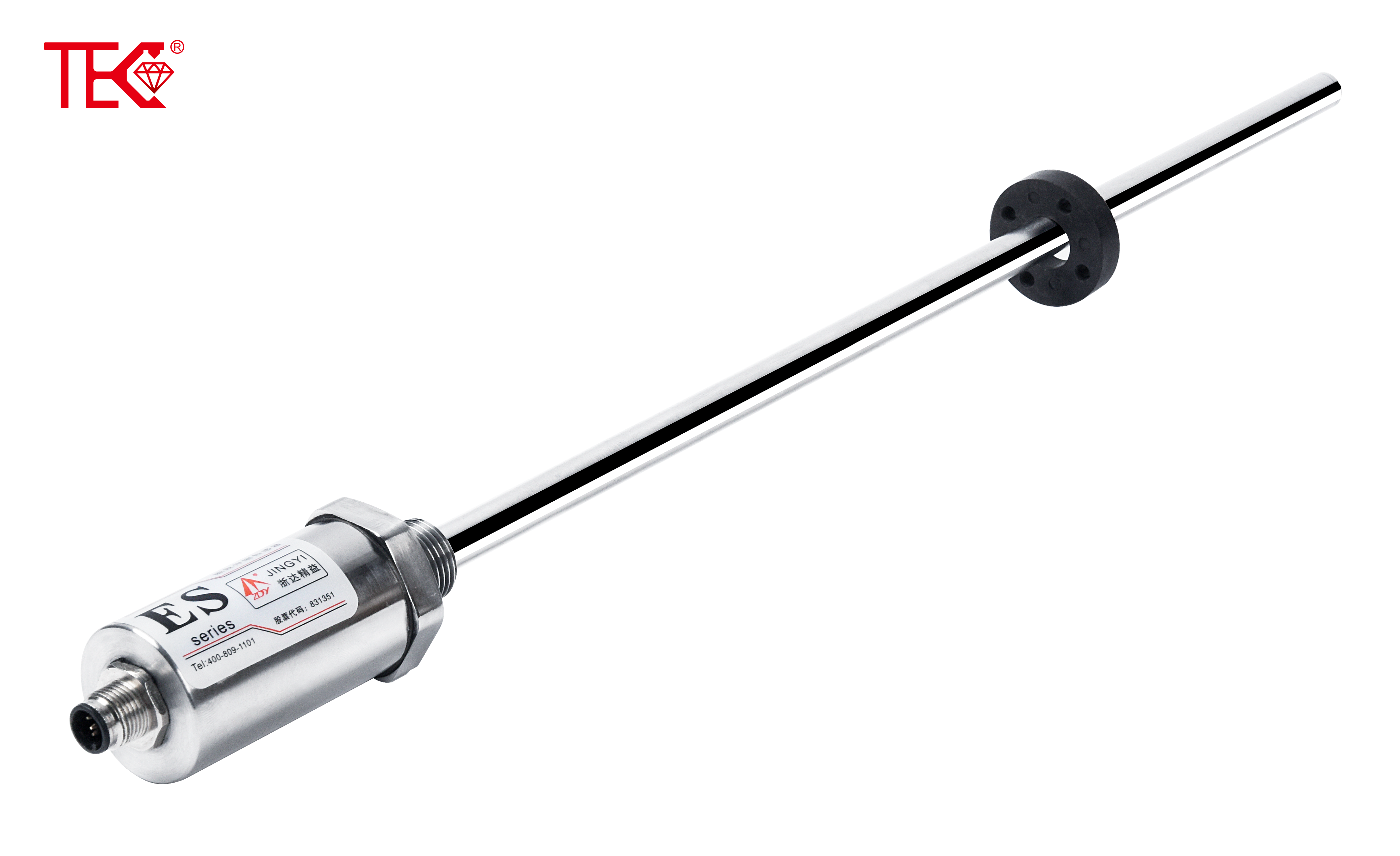 Model and Specification of Mag
 Import Substitute Magnetostric