
Corrosion-resistant Magnetostrictive Level Gauge
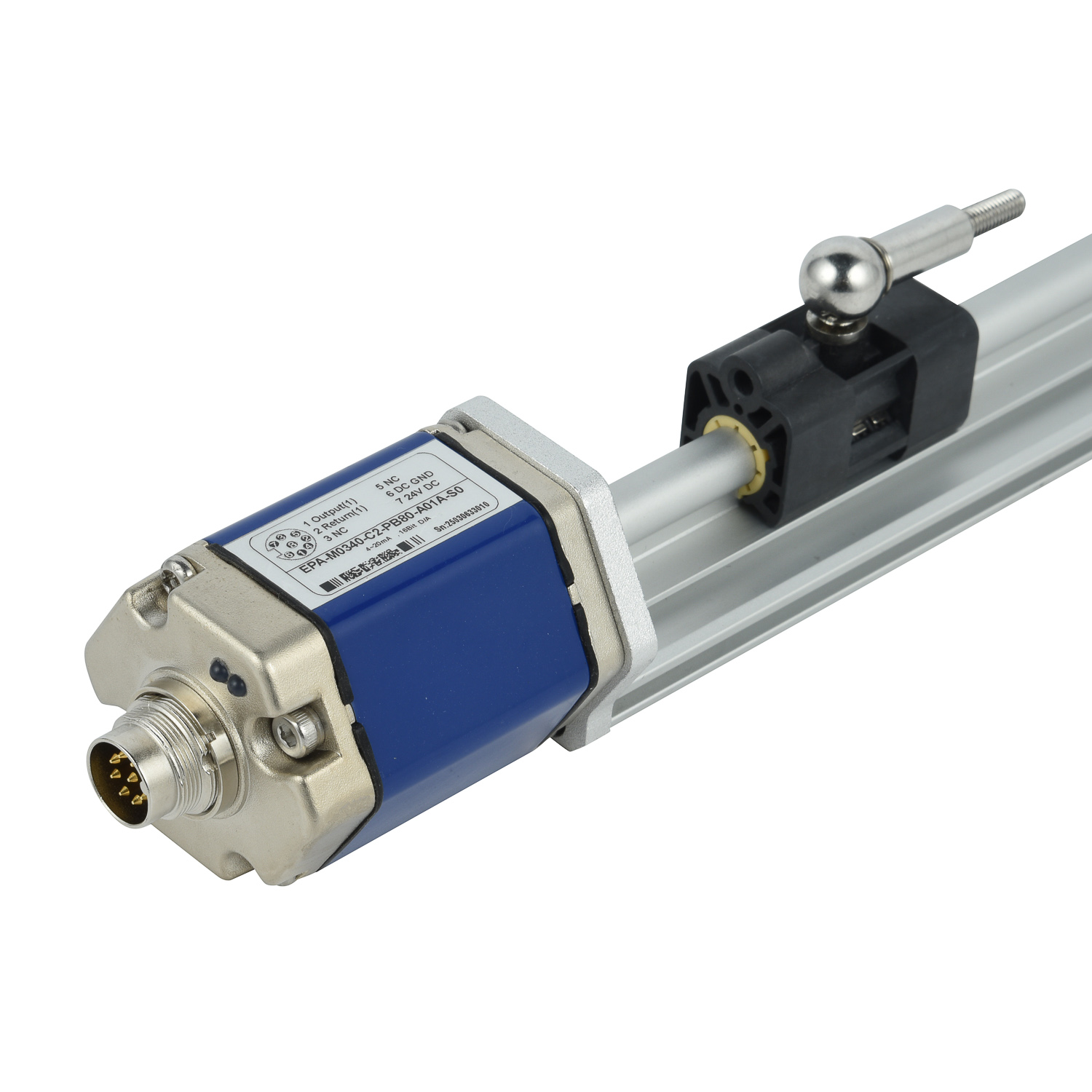
Corrosion-resistant magnetostrictive level gauges deliver accurate and reliable liquid level measurement in aggressive chemical, petrochemical, pharmaceutical, and water treatment applications. A magnetostrictive gauge uses a probe, a magnetic float, and a torsional strain pulse. As the float moves, its magnetic field interacts with the waveguide and generates a pulse. The transmitter measures the time difference and converts it into a precise level reading. With no moving parts, wear is minimal and stability is excellent. Corrosion resistance is the main advantage. Wetted parts can be made from 316L stainless steel, PTFE, PVDF, Hastelloy, titanium, or specialty alloys. They protect the probe from acids, alkalis, brines, solvents, and oxidizing media. The design also supports high pressure, high temperature, and viscous or dirty liquids when specified correctly. Typical uses include chemical storage tanks, reactors, dosing systems, wastewater basins, and fuel inventories. Users choose it for continuous level data, high accuracy, and low maintenance in hazardous or outdoor areas. Outputs may include 4-20 mA, HART, RS485, or Modbus for control integration. Select the right model by checking fluid compatibility, temperature, pressure, tank dimensions, float material, process connection, and approvals. Proper mounting and float orientation ensure reliable performance. This gauge improves safety, reduces downtime, and protects critical measurement from harsh and corrosive media.
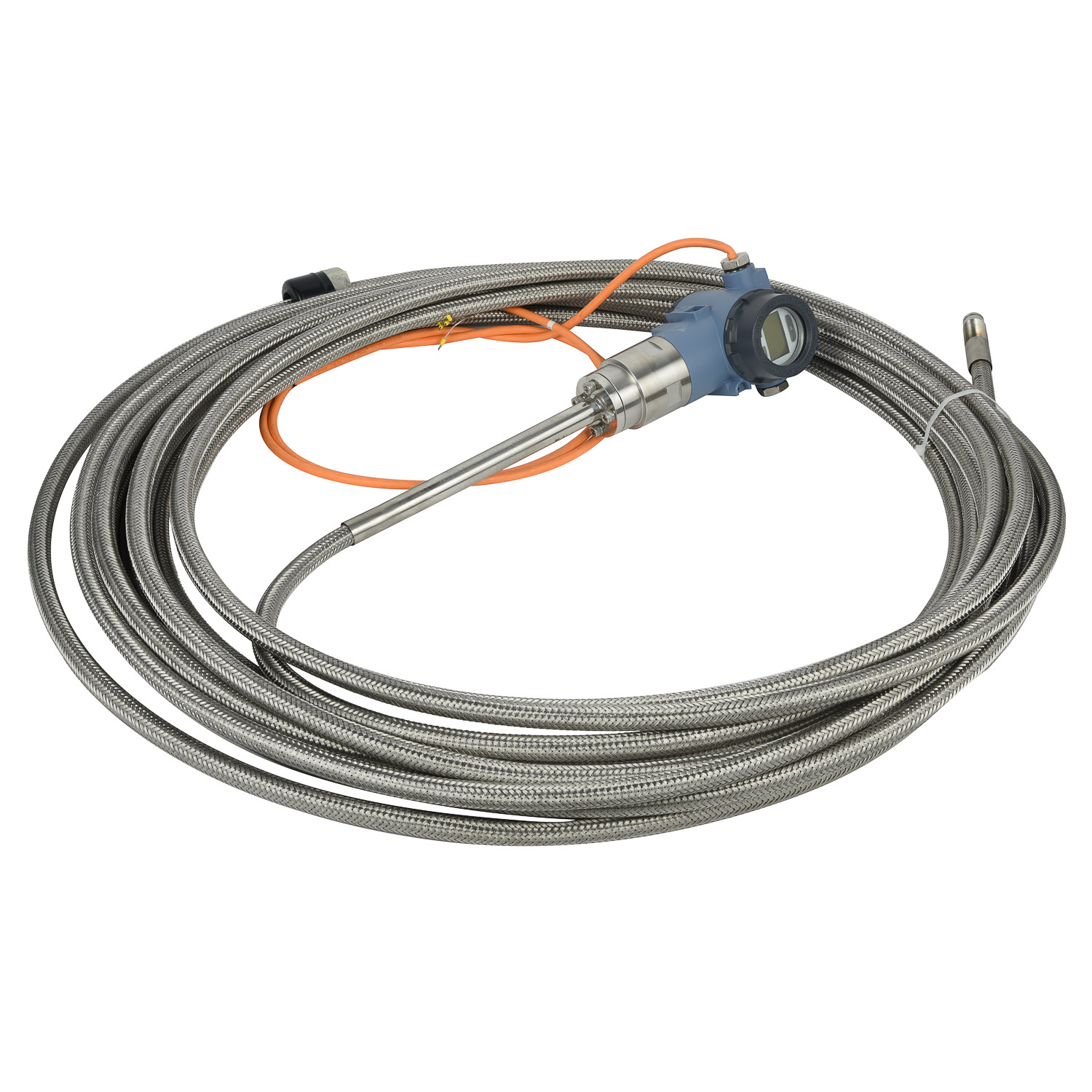
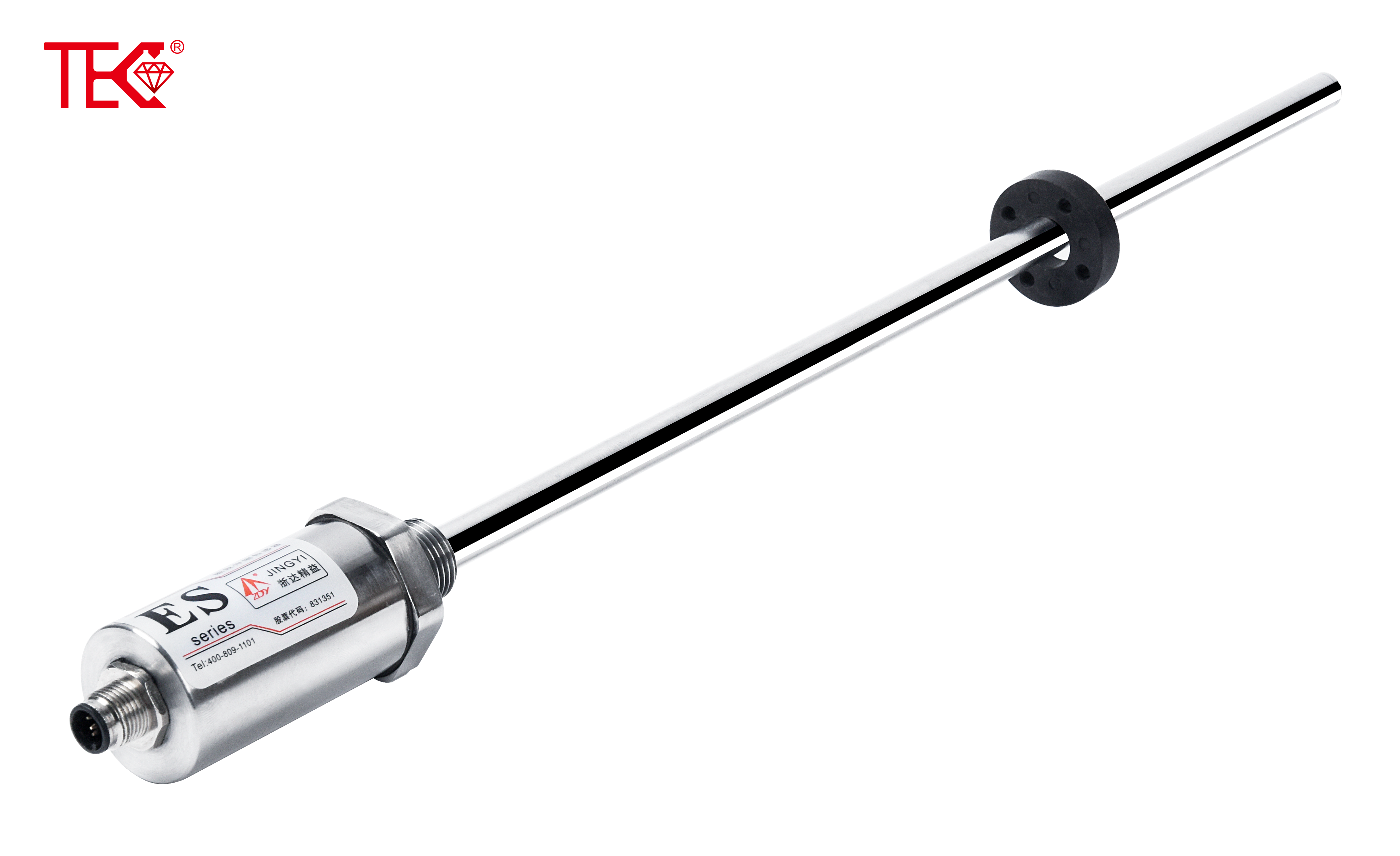 Model and Specification of Mag
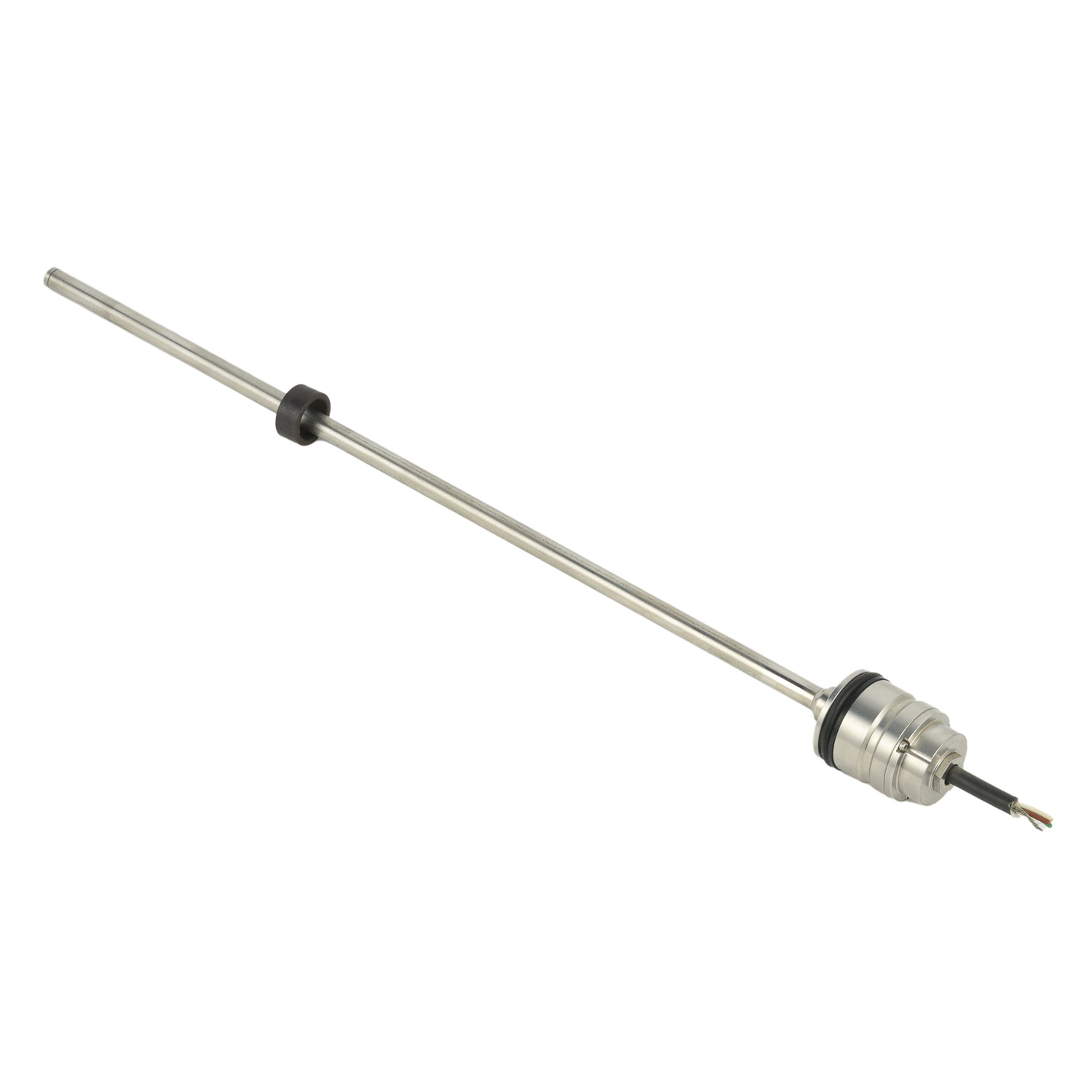 Import Substitute Magnetostric
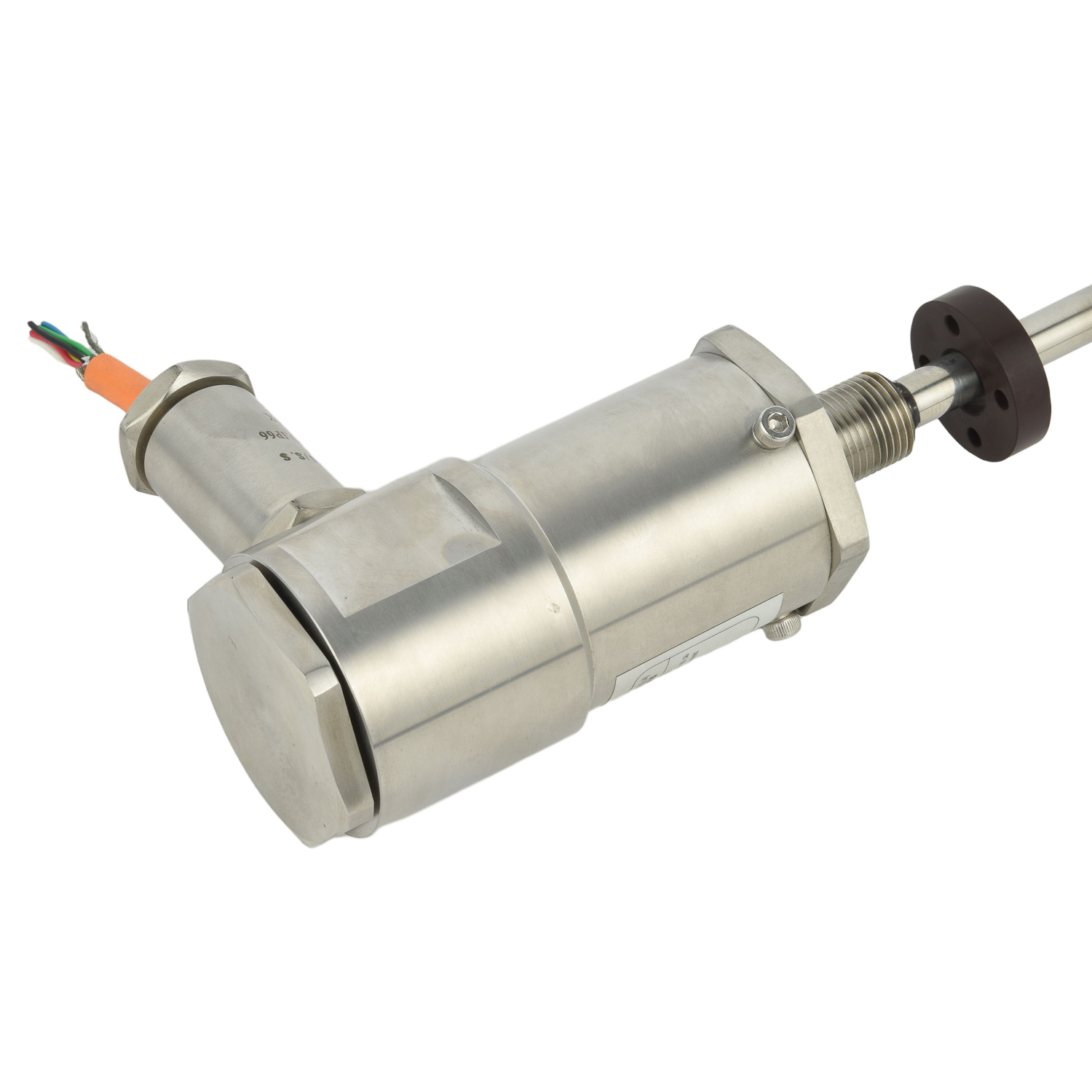 Installation Method of Magneto
 Working Principle of Magnetost