
Non-contact Magnetostrictive Level Gauge
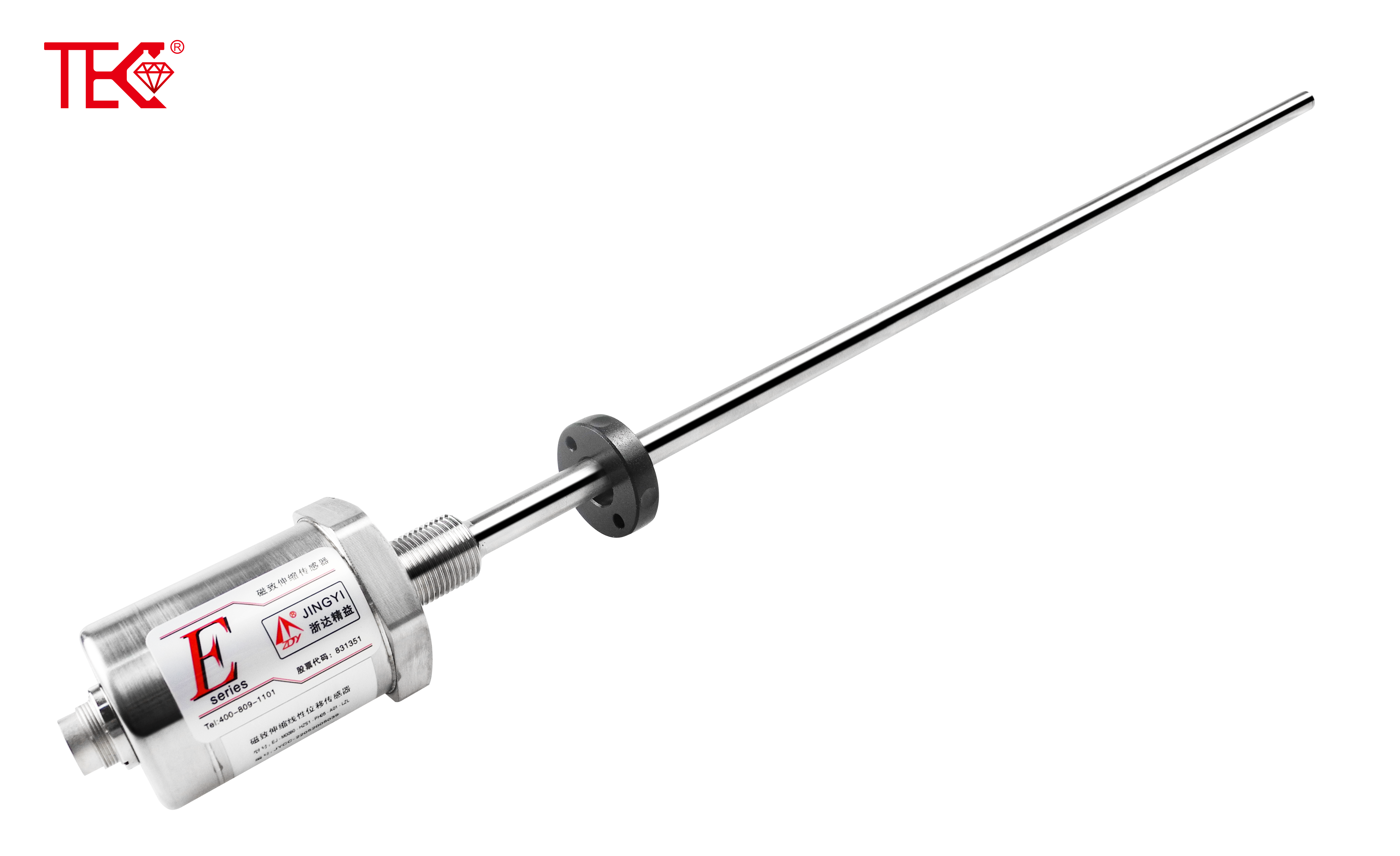
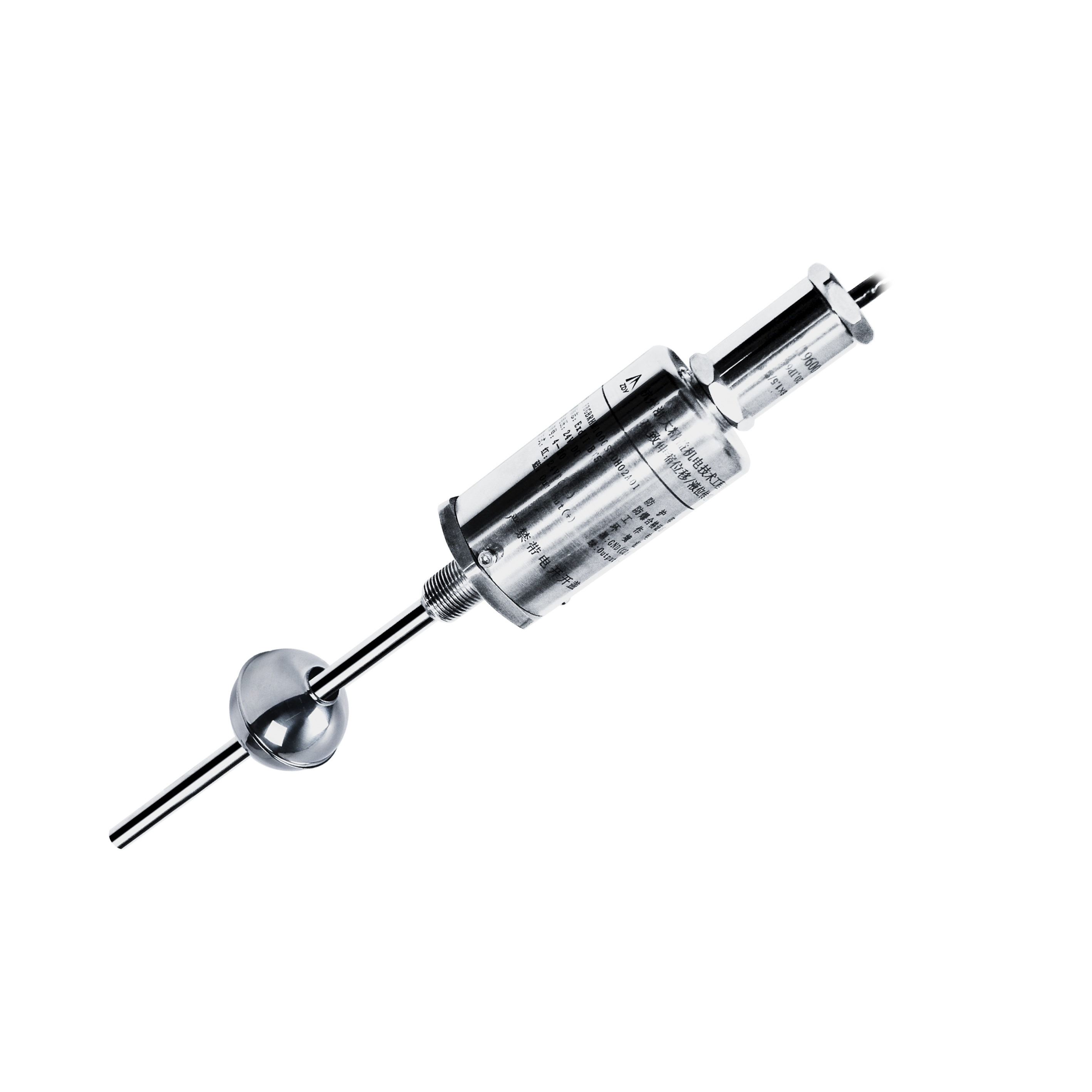
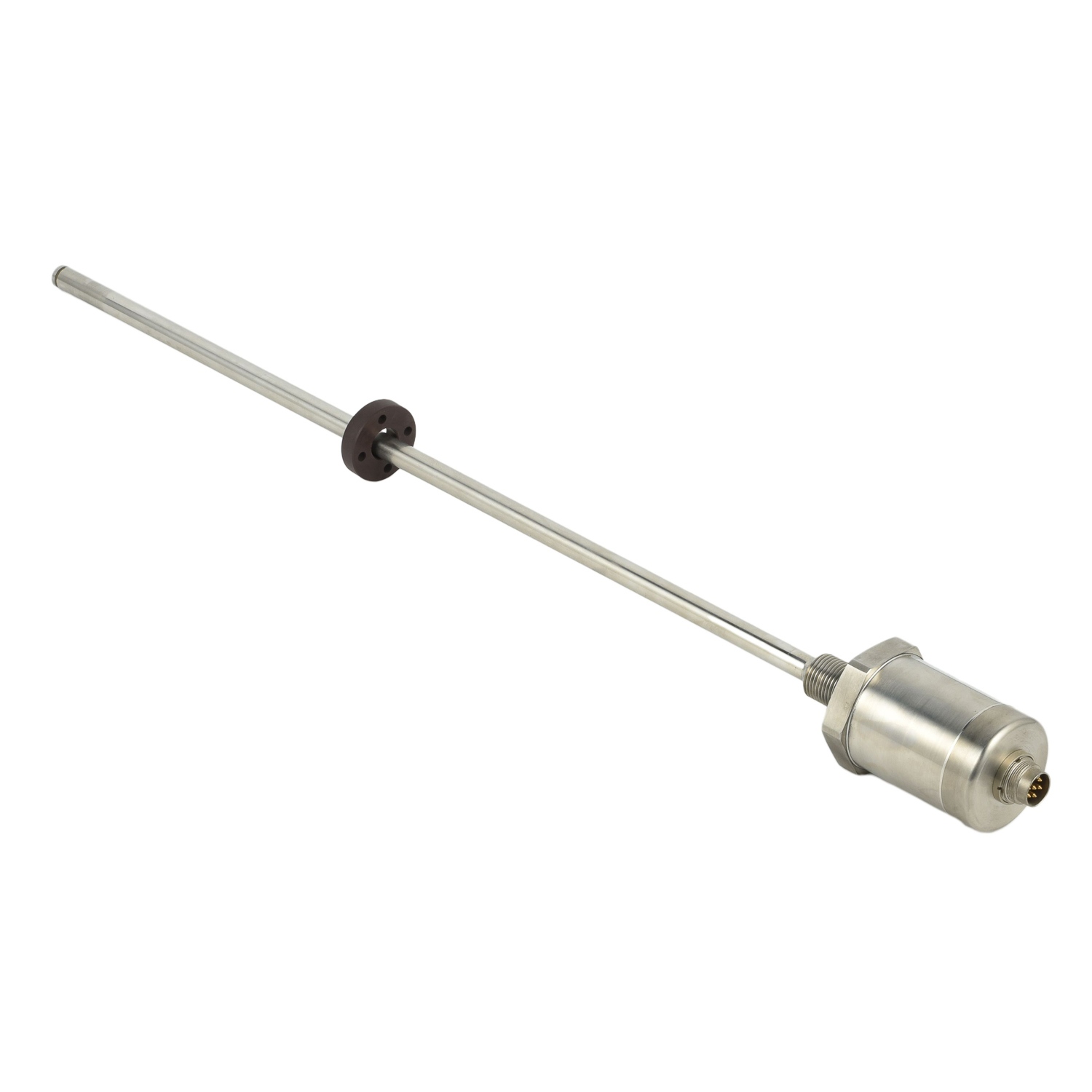
Non-contact magnetostrictive level gauges measure liquid levels without the sensing element touching the process fluid. A float with embedded magnets moves along a guide rod or pipe as the tank level changes. The gauge sends a short current pulse down a magnetostrictive wire. Where the magnetic field of the float meets the pulse, a torsional strain wave is generated. The instrument measures the time this wave takes to return, then converts it into an accurate level reading.
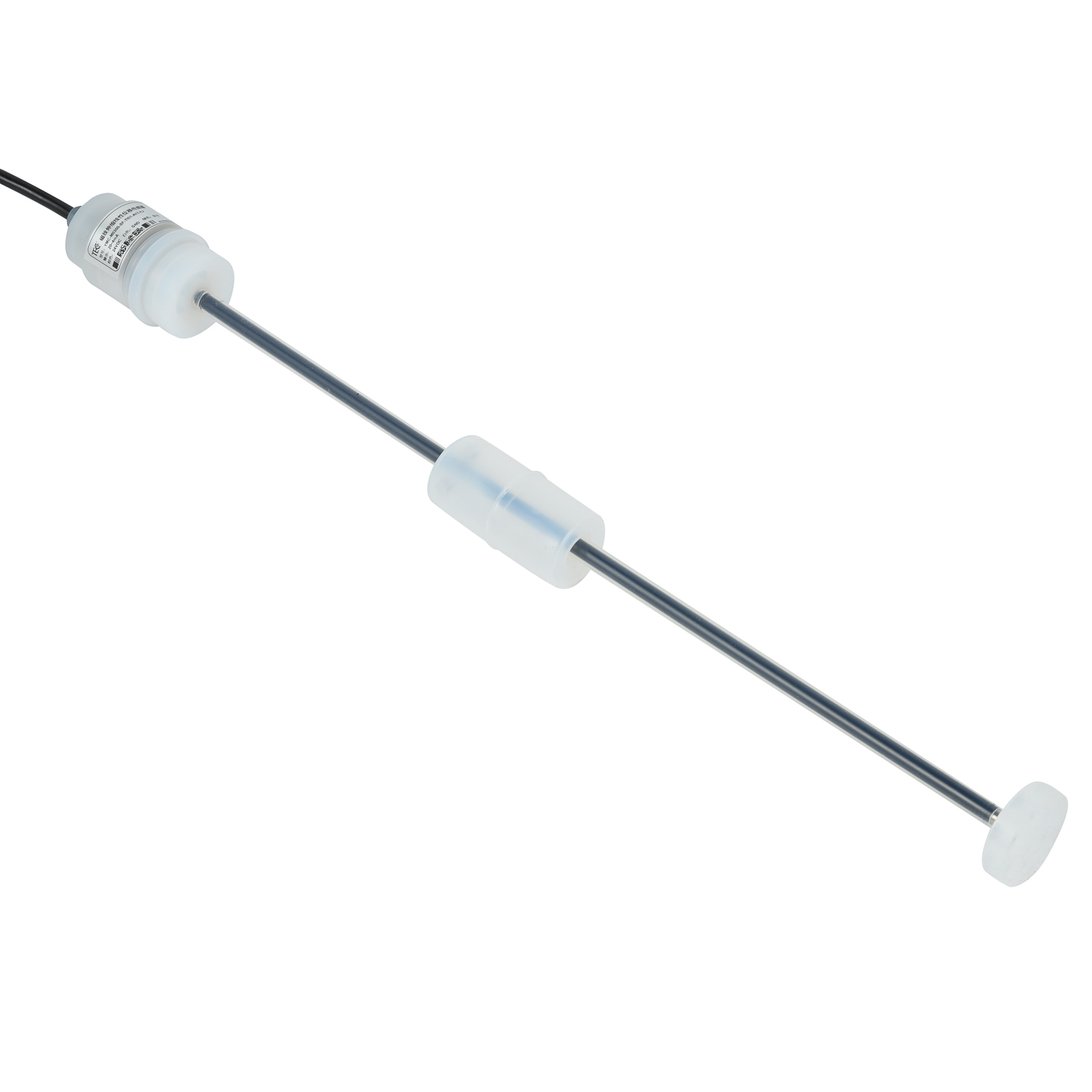
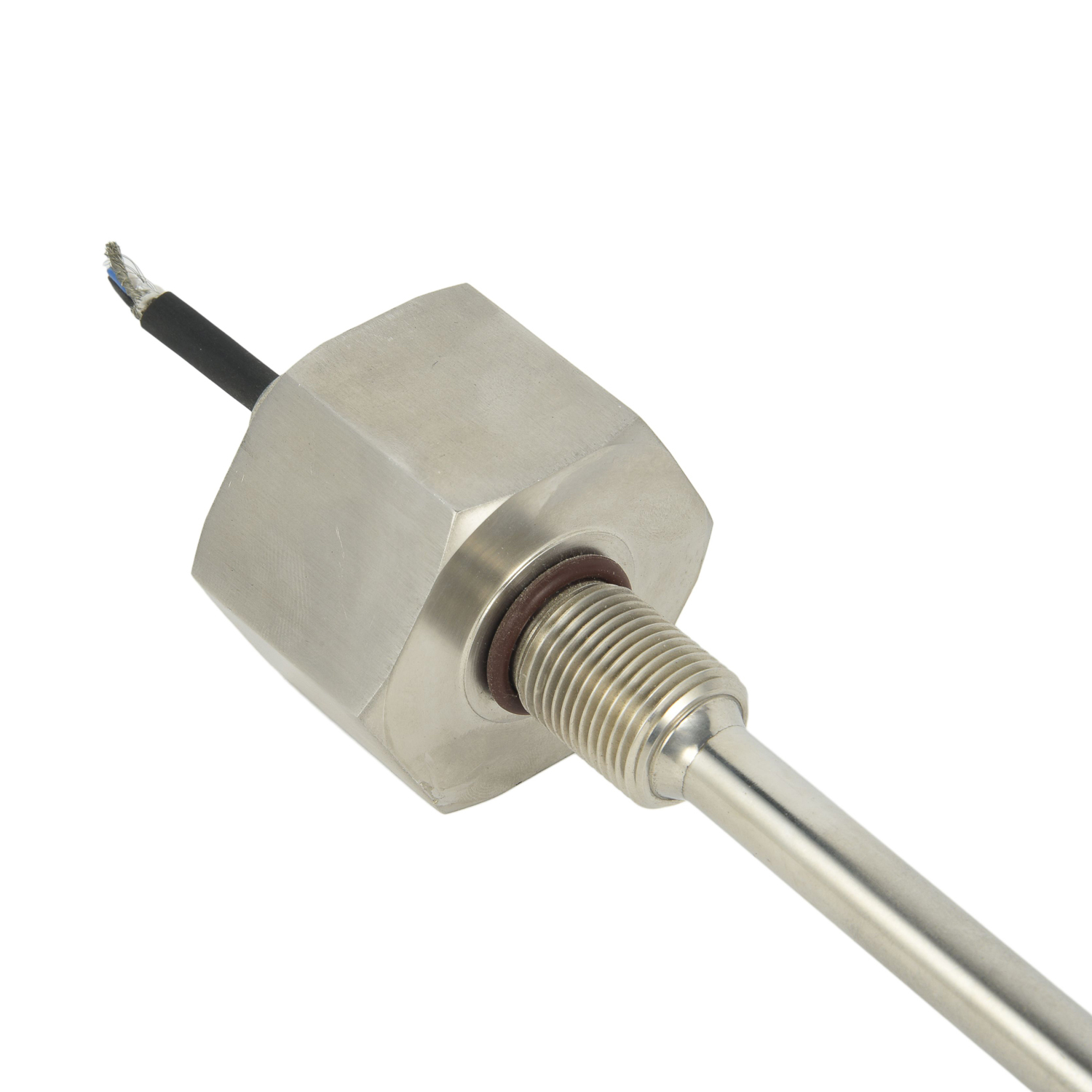
Because the electronics and wire can be isolated from aggressive liquids, the design suits clean, corrosive, viscous, or high-purity media. It offers high resolution, repeatability, and long-term stability. There are no moving parts in the sensing wire, so wear is minimal. Outputs include 4-20 mA, HART, RS-485, and Modbus, making integration easy. The sensor can be mounted on top of a tank, and the float is the only moving part. This makes maintenance simple and reduces downtime.
Typical applications include chemical storage, water treatment, oil and gas separators, pharmaceutical tanks, and food processing. When paired with temperature sensors, the gauge can compensate for density changes and improve accuracy. Choose the right float material, pressure rating, and process connection for each tank. Regular calibration and inspection keep readings reliable. For custody transfer, choose a certified model with stable electronics. A non-contact magnetostrictive level gauge is a strong choice for demanding industrial level measurement.
 Explosion-proof Linear Displac
 Linear Displacement Sensor
 Magnetostrictive Level Gauge F
 Field Application of Magnetost