
High-pressure Magnetostrictive Level Gauge
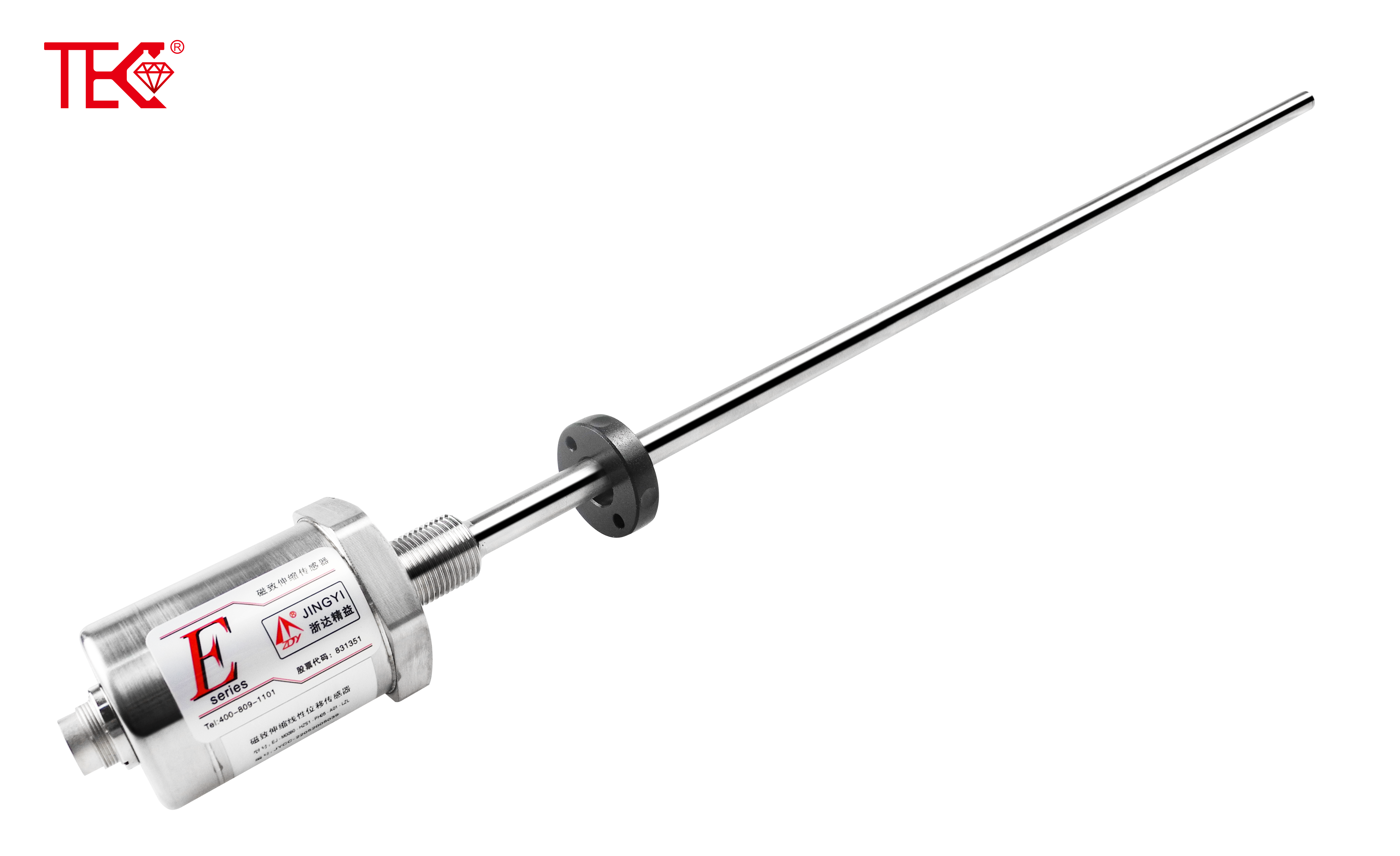
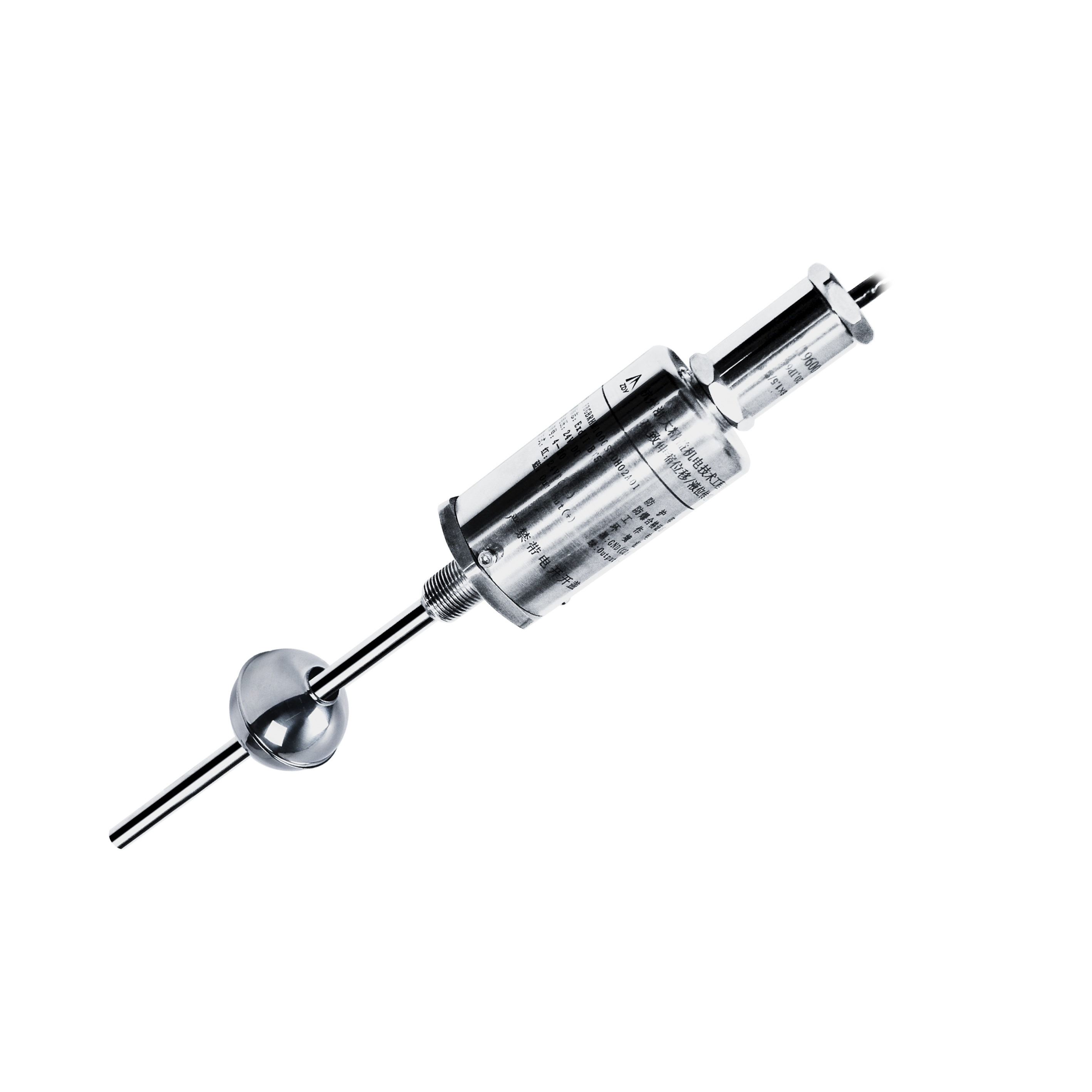
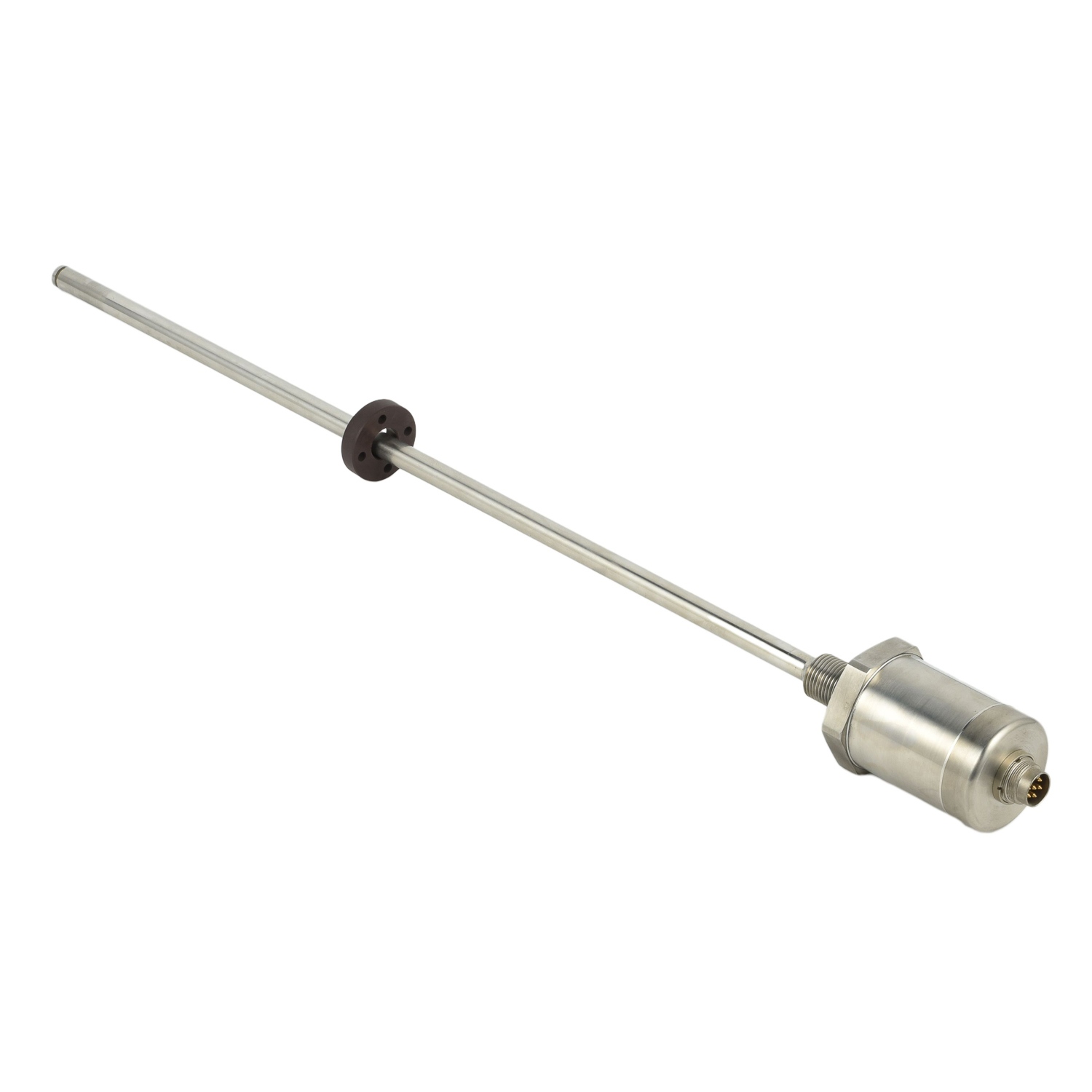
A high-pressure magnetostrictive level gauge is designed for precise liquid level measurement in demanding industrial processes. It uses the magnetostrictive principle: a current pulse travels along a waveguide, creating a magnetic field. A float with permanent magnets moves with the liquid surface. The interaction produces a torsional strain pulse, and the time difference is converted into an accurate level reading.
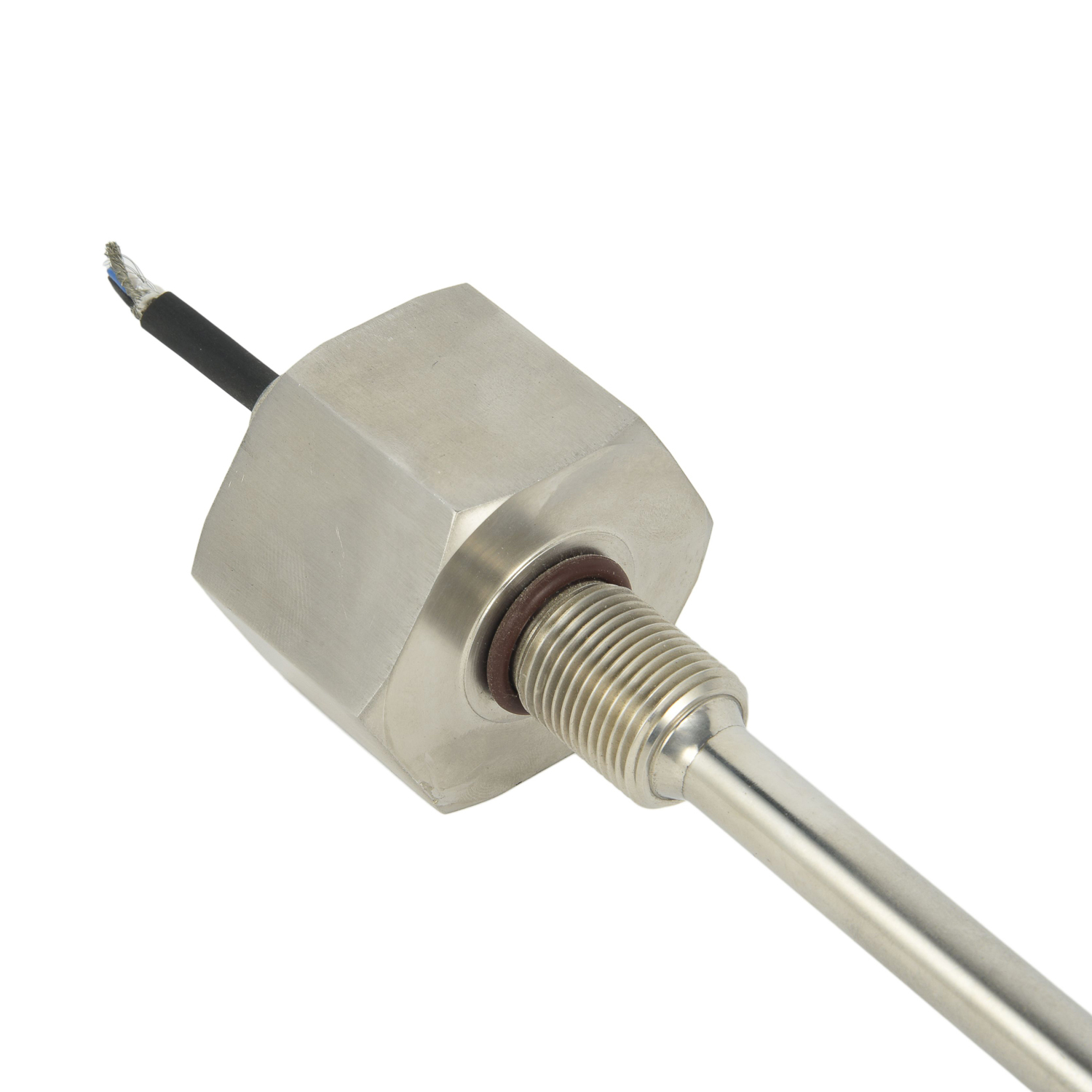
These gauges are built with strong stems, flanges, and pressure-rated housings. They handle high pressure, high temperature, and corrosive media when suitable materials are selected. Common outputs include 4-20 mA, HART, RS485, and Modbus, allowing easy integration with PLC, DCS, and SCADA systems.
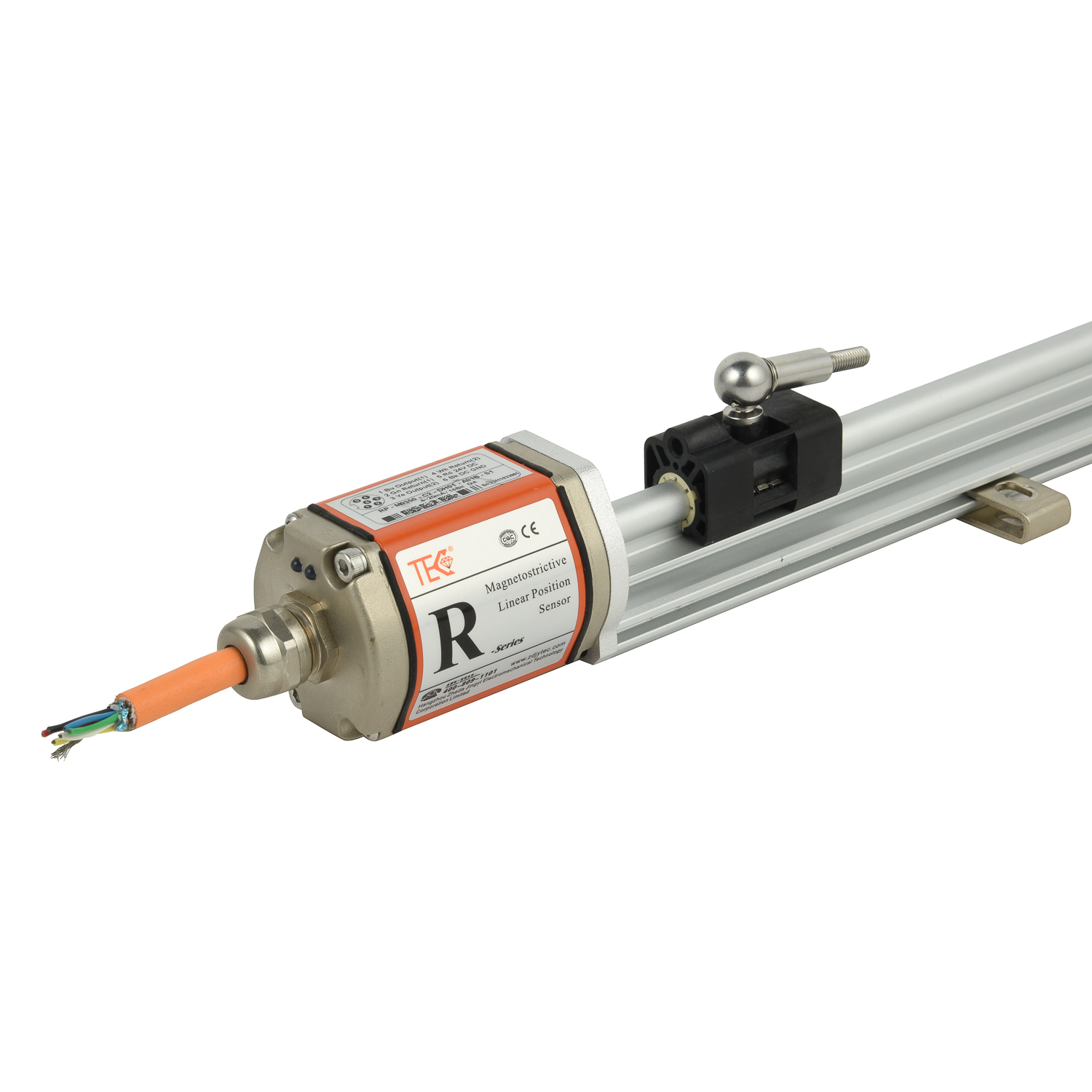
Typical applications include boilers, pressure vessels, separators, reactors, oil and gas skids, chemical storage, and power plants. The gauge offers high accuracy, repeatability, and stability, with little maintenance because the sensing element does not move. It can also provide interface measurement when two liquids have different densities.
For correct installation, mount the gauge vertically, avoid strong vibration, and keep the float free from deposits. Choose the right flange rating, material, and float density for the process. Regular inspection of the float and wiring ensures long-term reliability. With robust construction and smart output options, a high-pressure magnetostrictive level gauge is a dependable choice for safe and efficient level control.
 Explosion-proof Linear Displac
 Linear Displacement Sensor
 Magnetostrictive Level Gauge F
 Field Application of Magnetost