
High-temperature Magnetostrictive Level Gauge
High-temperature magnetostrictive level gauges are built for continuous liquid level measurement in tanks, boilers, reactors, and process vessels where temperatures can exceed 200 C. They use a magnetostrictive wire, a float with magnets, and an electronic transmitter. When a current pulse travels along the wire, it interacts with the magnetic field of the float. This creates a torsional strain wave. The transmitter measures the time between the pulse and the returned wave, then converts it into an accurate level reading.
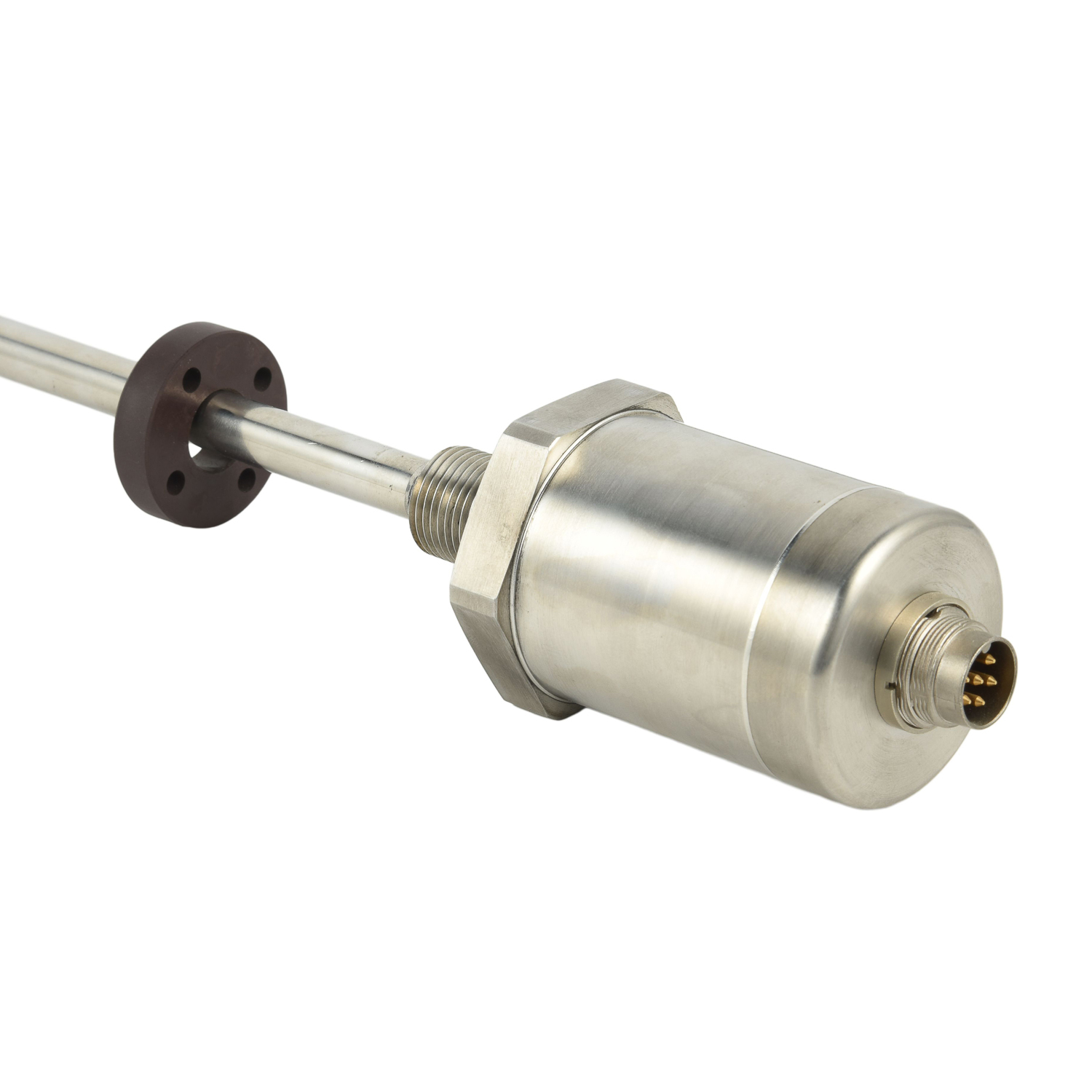
Unlike basic float gauges, high-temperature models use heat-resistant materials, remote electronics, and robust seals. This protects sensitive components from heat and allows stable operation in steam, hot oil, molten salt, and other demanding media. Typical outputs include 4-20 mA, HART, Modbus, and RS-485. The measuring range can be several meters, with resolution often better than 1 mm.
These gauges are common in power plants, chemical processing, oil and gas, food production, and water treatment. They offer low maintenance, high reliability, and good repeatability. For safe use, select the correct pressure rating, wetted materials, process connection, and temperature limit. Proper installation avoids vibration, strong magnetic fields, and mechanical stress. With the right configuration, a high-temperature magnetostrictive level gauge improves safety, inventory control, and process efficiency. They also support remote monitoring and fast diagnostics.
 Intrinsically Safe Explosion-p
 Explosion-proof Linear Displac
 Linear Displacement Sensor
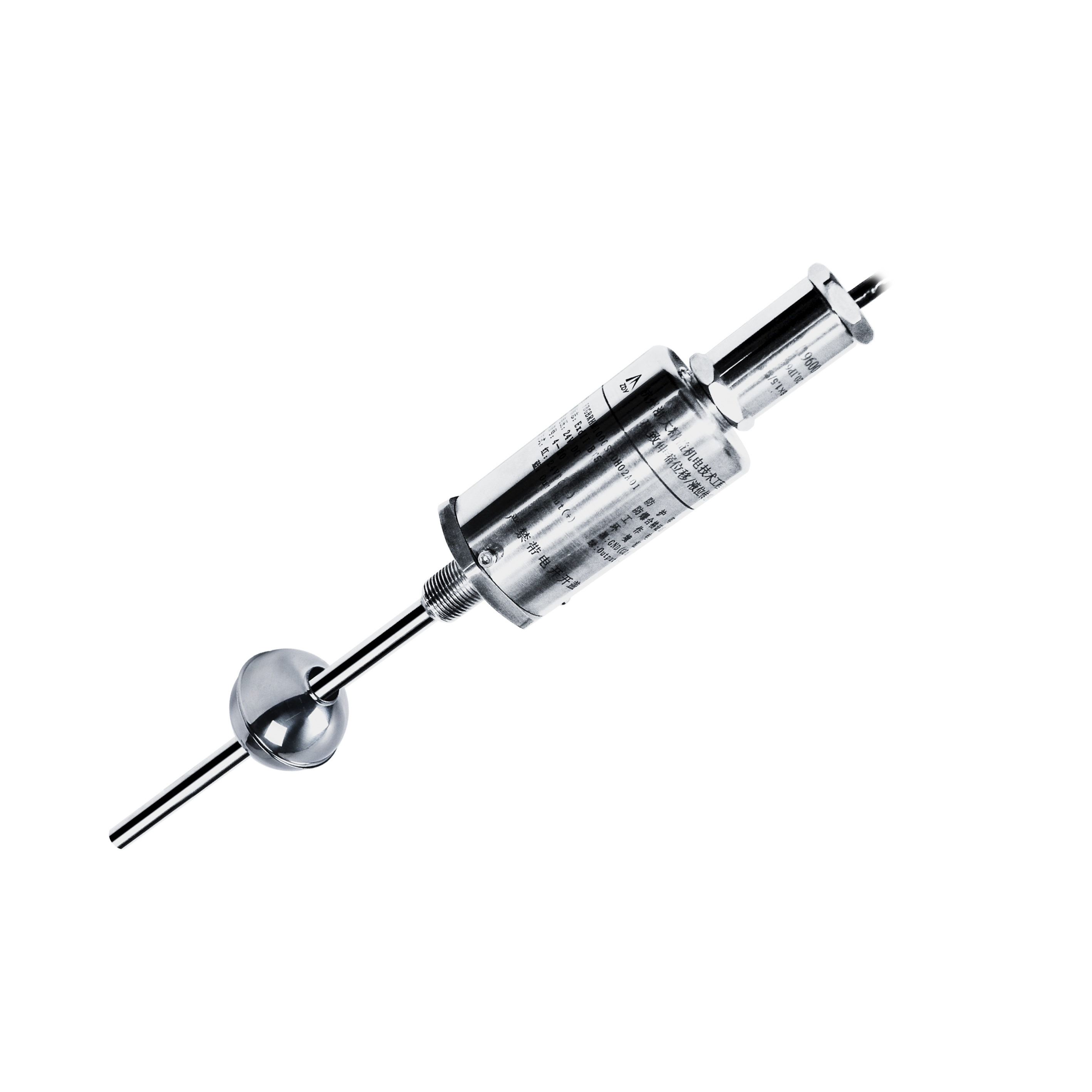 Magnetostrictive Level Gauge F