
Construction Machinery Cylinder Flange-mounted Pressure Sensor Model and Specification
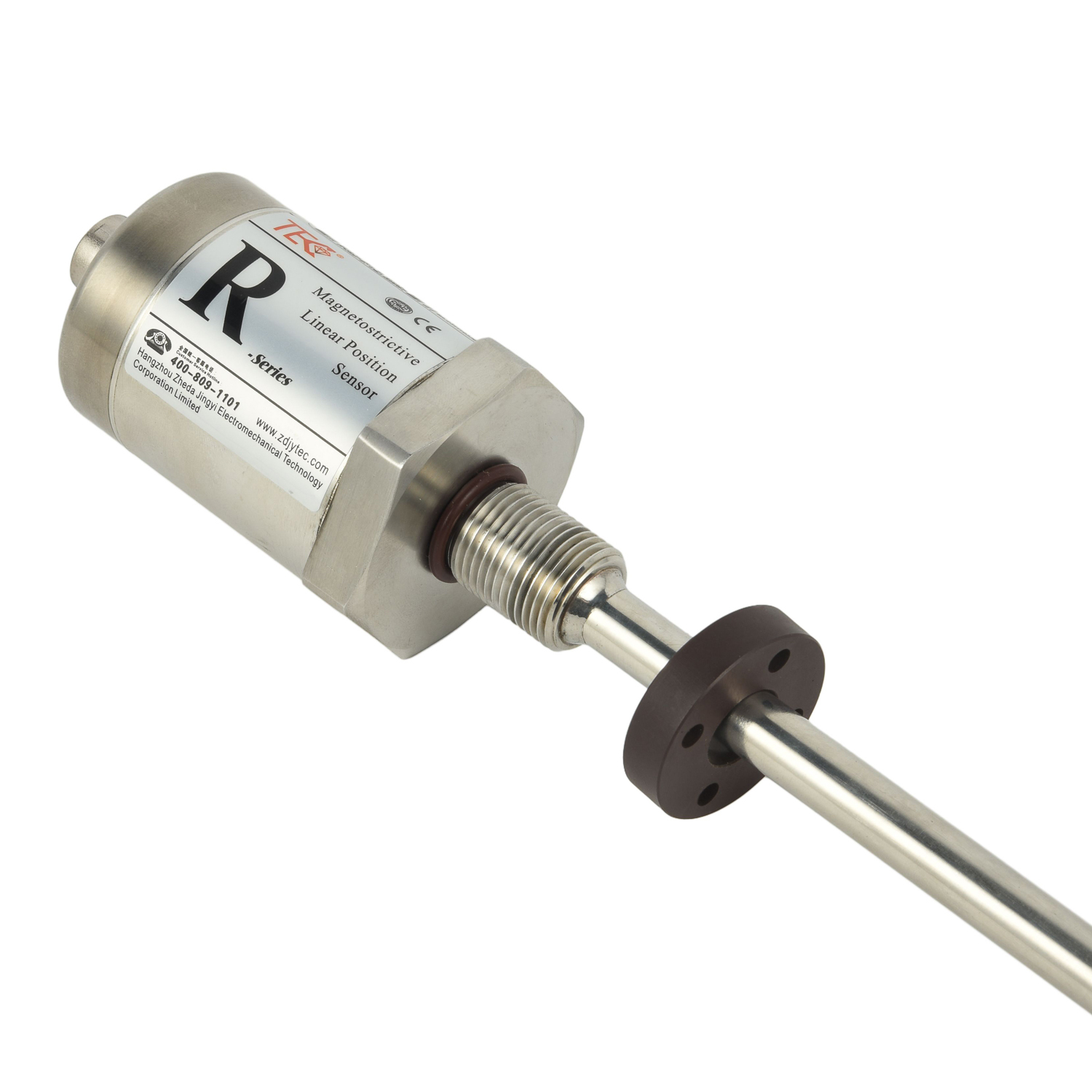
Flange-mounted pressure sensors are widely used to monitor hydraulic pressure in construction machinery cylinders. They provide a compact, leak-resistant interface for excavators, cranes, loaders, and concrete pumps. A typical model code, such as CM-FPS-25-M20-4-20-A, indicates a flange pressure sensor, 25 MPa range, M20 process connection, 4–20 mA output, and A-level accuracy. Common model series cover ranges from 0–10 MPa to 0–60 MPa, with 0–25 MPa and 0–40 MPa often selected for boom, bucket, and outrigger cylinders. Key specifications include pressure type (gauge or absolute), overload pressure of 150% FS, burst pressure of at least 200% FS, accuracy of ±0.5% FS, and supply voltage of 12–36 VDC. Output options include 4–20 mA, 0–5 V, 0–10 V, and CAN bus. The wetted parts are usually 304 or 316L stainless steel, and the housing offers IP67 or IP69K protection for dusty and wet job sites. Operating temperature is commonly −40°C to +125°C. The flange connection simplifies mounting, improves sealing, and reduces vibration effects. During selection, confirm thread size, flange dimensions, seal material, cable or connector type, and electromagnetic compatibility. Install the sensor on a clean, pressure-stable port, use the specified torque, and bleed air before operation. Regular inspection of the seal and connector prevents leaks and signal drift. A correctly specified flange-mounted sensor improves cylinder control, protects hydraulic components, and supports predictive maintenance.
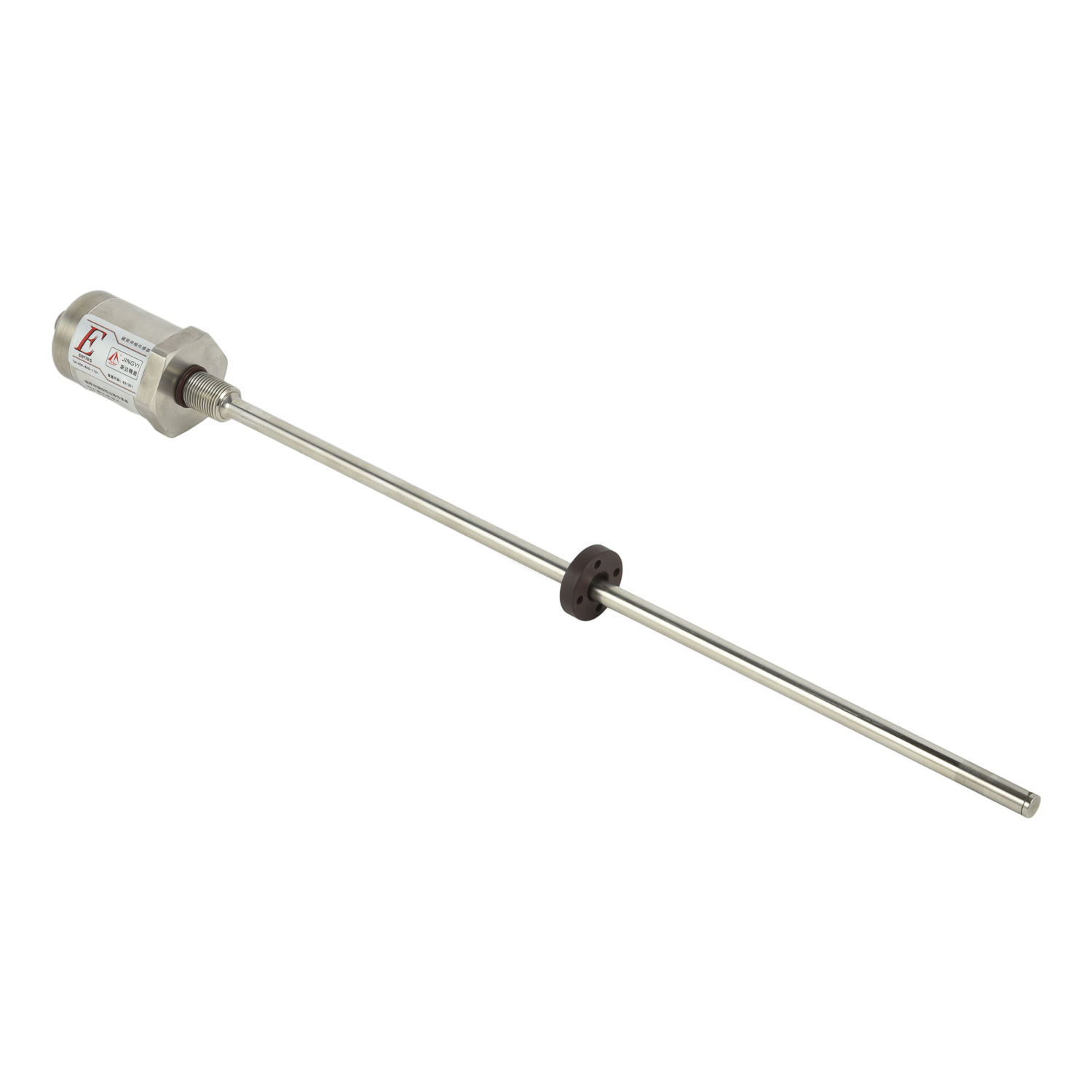
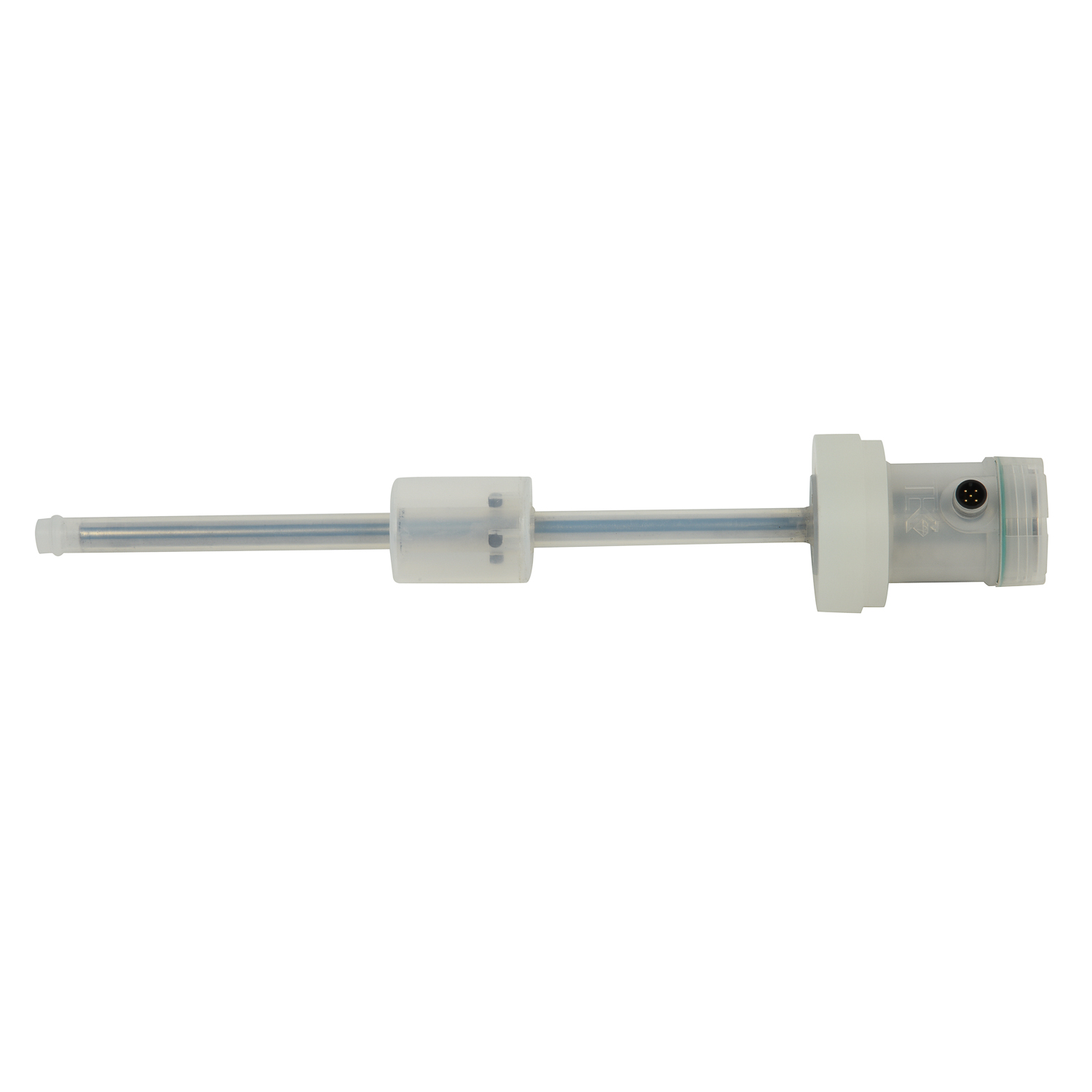 Injection Molding Die Casting
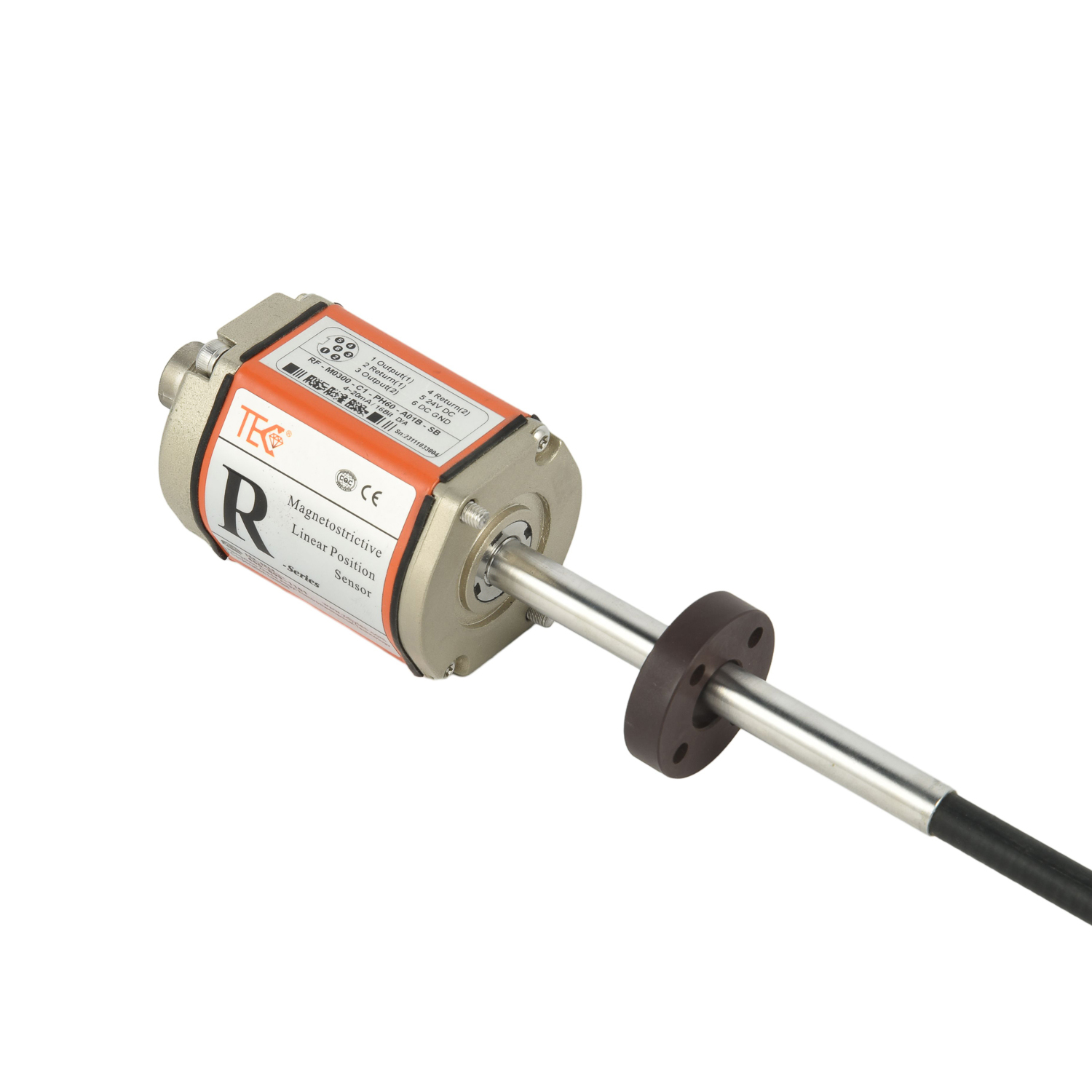 Construction Machinery Crane P
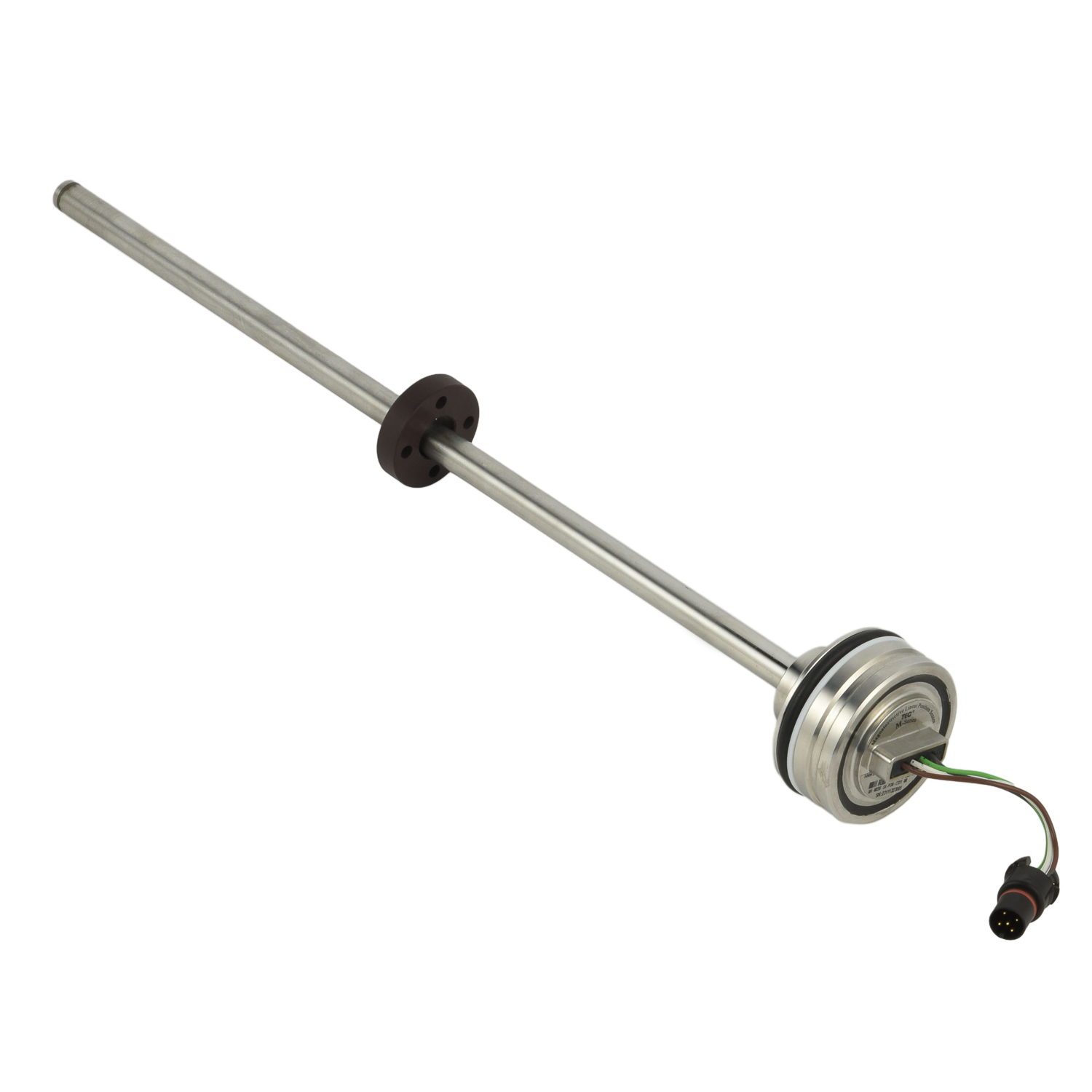 Power Plant Bridge Crane Non-c
 Port Stacker-reclaimer Intrins