
Construction Machinery Crane Pressure Sensor Fault
Construction machinery cranes depend on pressure sensors to monitor hydraulic pressure and protect lifting performance. A crane pressure sensor fault can appear as unstable readings, limited lifting capacity, sudden alarms, or a forced safe-mode shutdown. These problems reduce productivity and may create safety risks, so early diagnosis is essential. Operators should record fault codes and note when the issue occurs, such as during boom movement, load holding, or pressure release.
Common causes include damaged wiring, loose connectors, oil contamination, sensor aging, moisture ingress, and incorrect calibration. Vibration and harsh jobsite conditions can also loosen mounts or crack sensor housings. Before replacing parts, inspect the harness, clean connections, and verify supply voltage and signal output. Compare live pressure data with a mechanical gauge to confirm whether the sensor or hydraulic system is at fault. Check for leaks, blocked filters, and abnormal pump pressure as well.
For effective repair, isolate the circuit, test the sensor with a multimeter or diagnostic tool, and replace failed components with OEM-rated parts. After installation, recalibrate the sensor and test the crane through its full operating range. Regular inspection, clean hydraulic oil, secure wiring, and scheduled calibration help prevent repeat failures. Fast, accurate troubleshooting keeps construction machinery cranes reliable, safe, and productive on every jobsite. Follow OEM procedures.
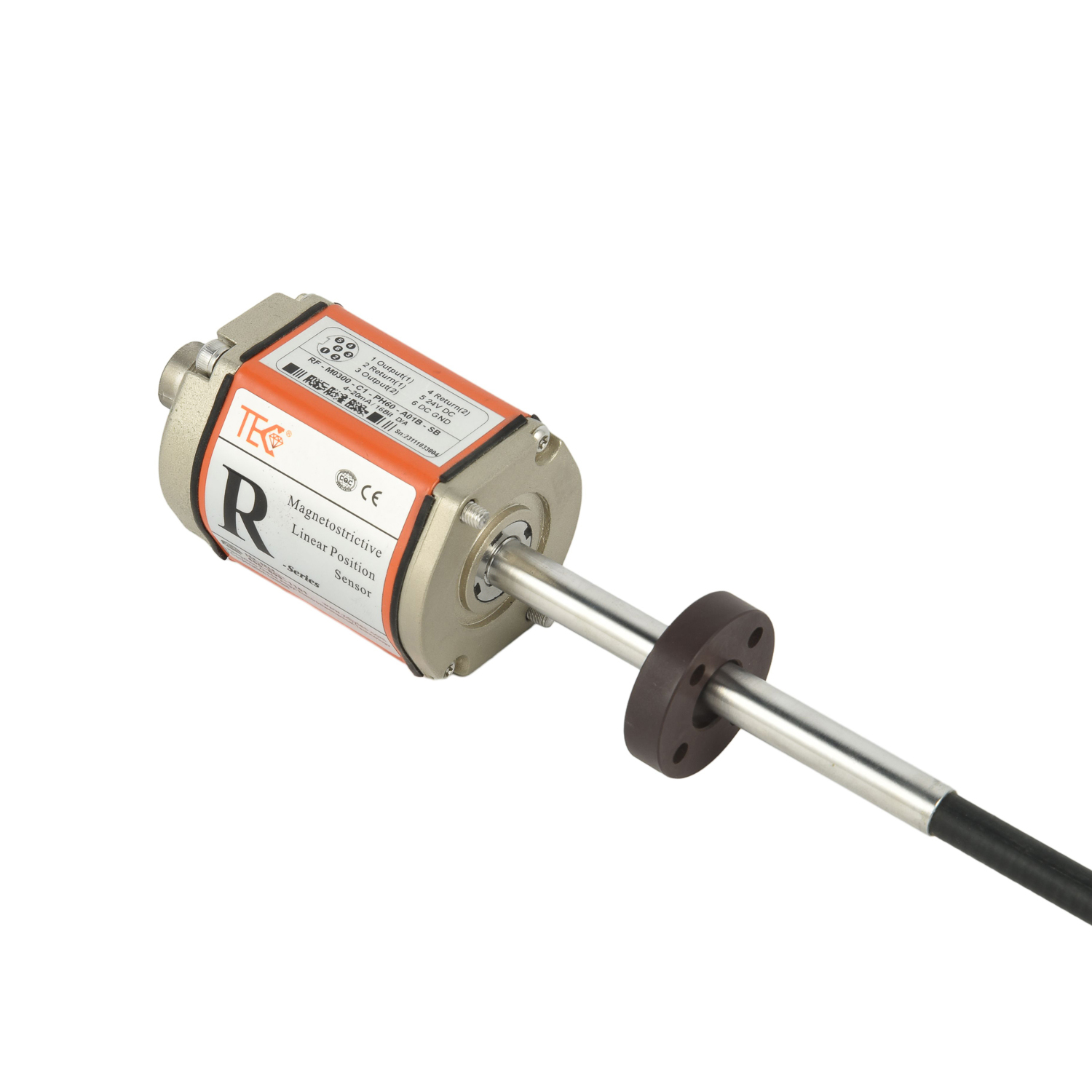 Construction Machinery Crane P
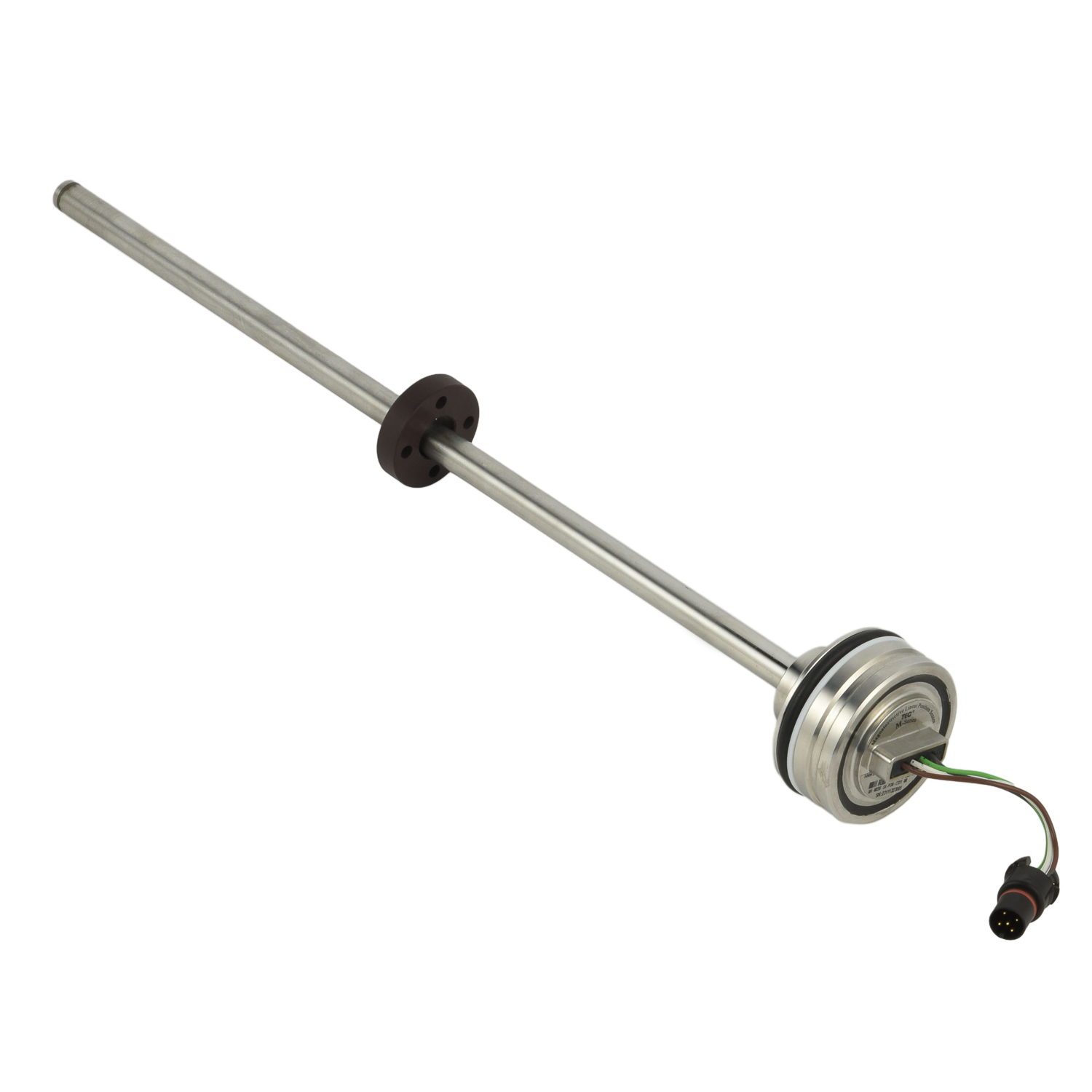 Power Plant Bridge Crane Non-c
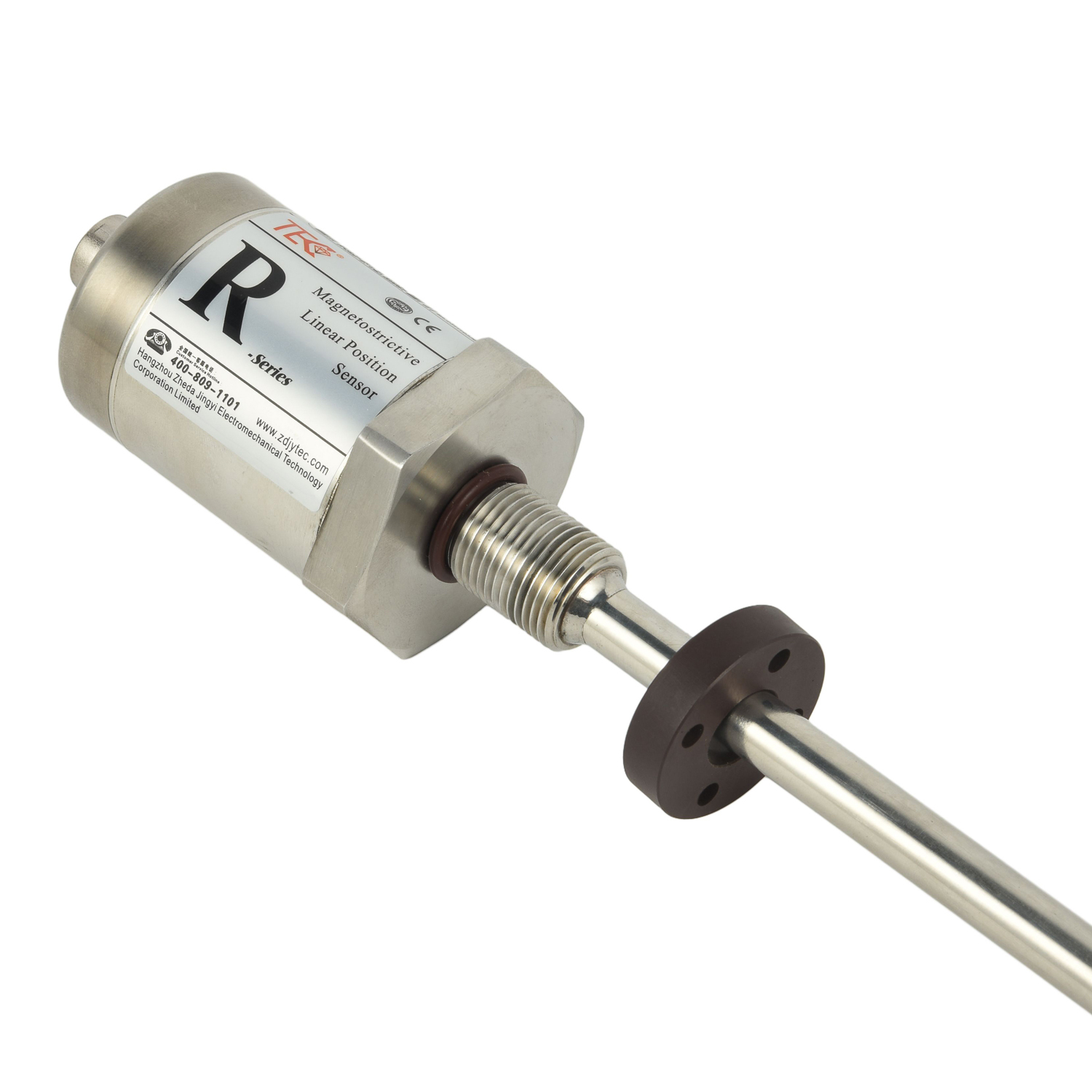 Port Stacker-reclaimer Intrins
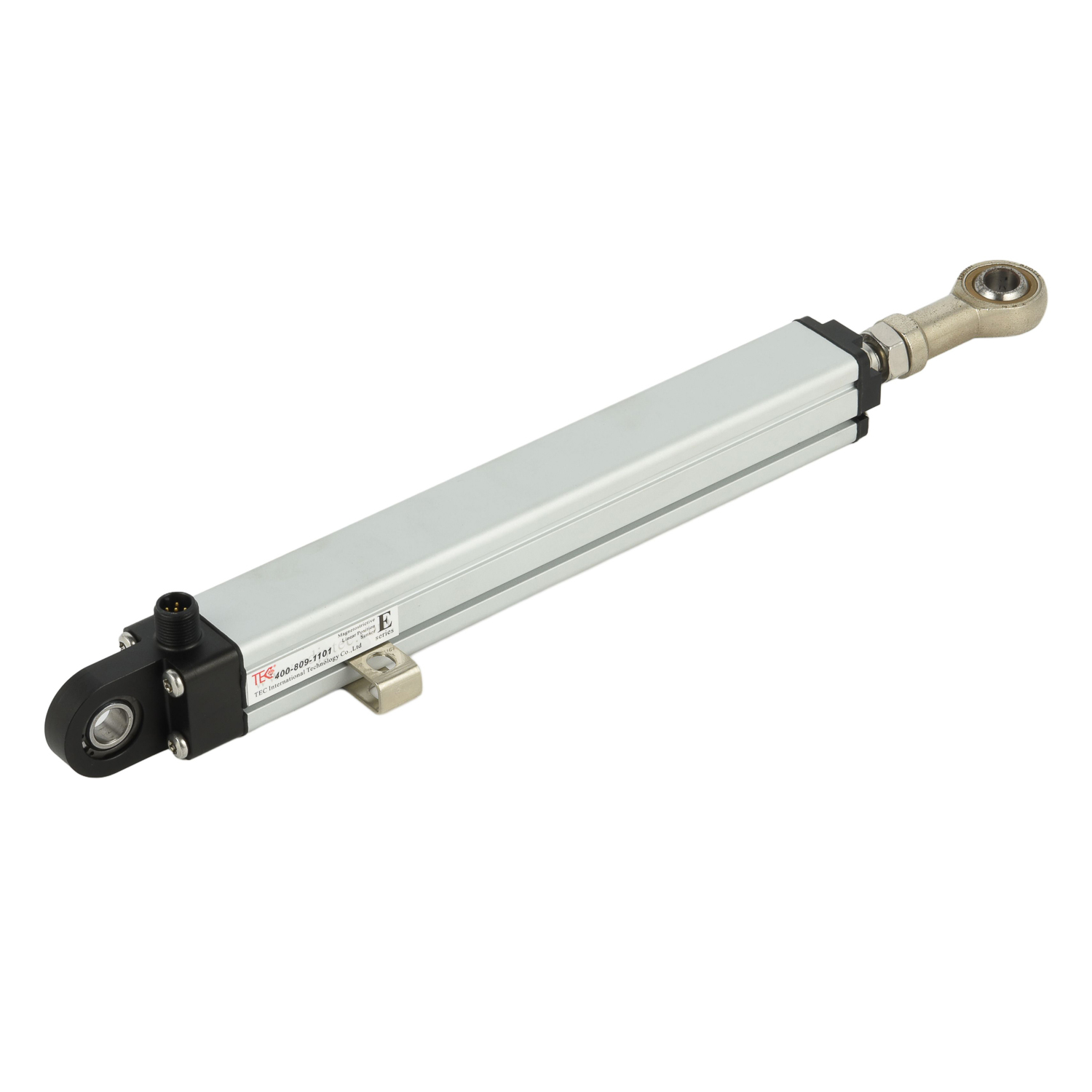 Water Conservancy Gate Corrosi