
Power Plant Bridge Crane Non-contact Pressure Sensor Field Application
Bridge cranes in power plants need reliable pressure monitoring for safe lifting, brake control, and hydraulic performance. Traditional contact sensors can wear, leak, and require downtime. A field application installed non-contact pressure sensors on a 50-ton bridge crane to monitor hydraulic clamping and brake circuits without media contact.
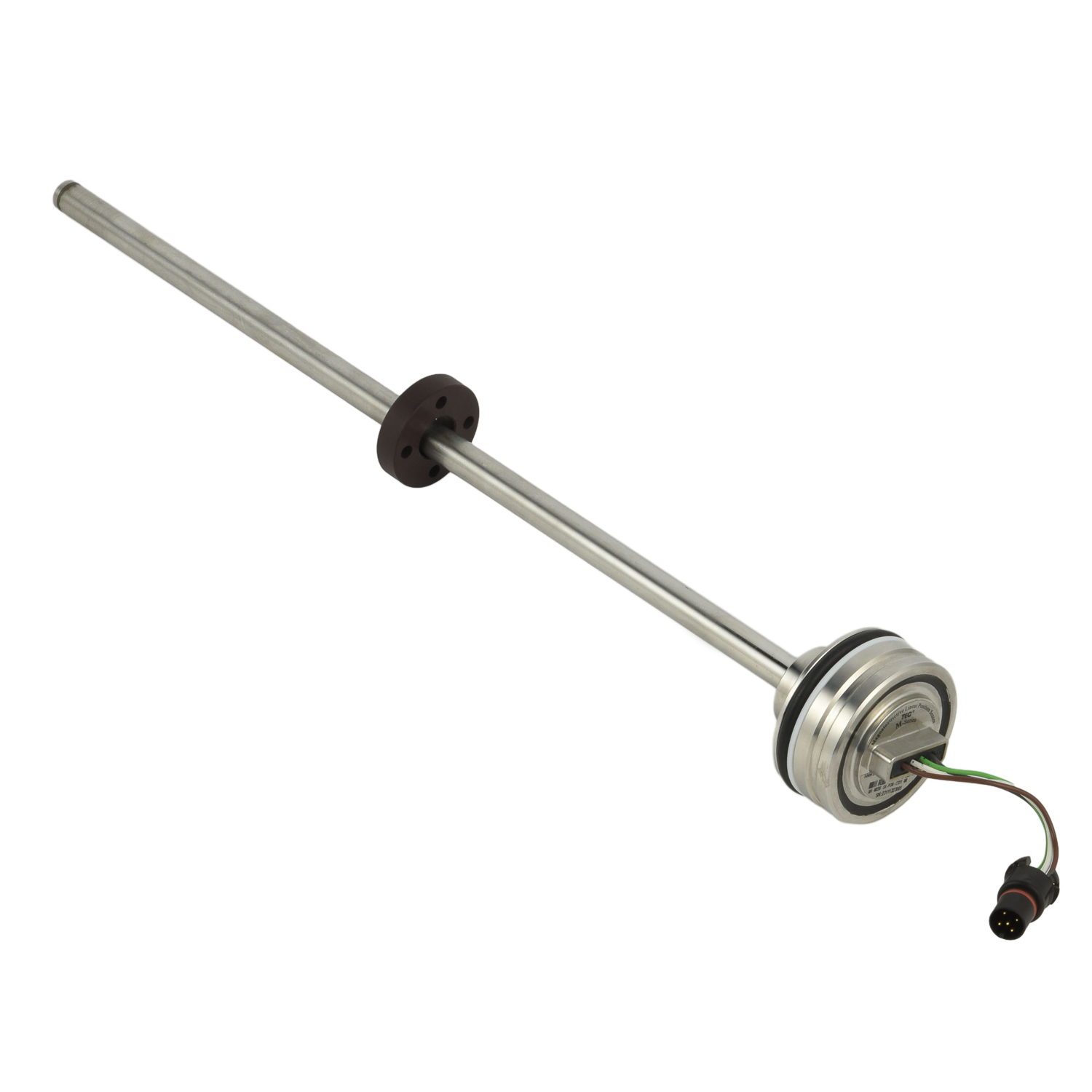
The sensors were mounted outside pressurized lines and used electromagnetic/optical coupling to infer pressure changes. Installation required no pipe cutting, reducing outage time. Technicians compared readings with calibrated gauges across idle, lifting, and emergency-stop conditions. Results showed stable response, low drift, and repeatable alarms when pressure fell below safety thresholds.
In operation, the non-contact design reduced leakage risk and simplified maintenance. Data reached the crane control room for predictive checks before startup. Challenges included electromagnetic interference and ambient temperature near the turbine hall. Grounding, shielded cables, and zero-point checks solved these issues.
After three months, the system recorded no sensor-related stoppages. Staff reported faster inspections and better fault traceability. Periodic calibration kept readings within the plant's accuracy target, while wireless transmission allowed operators to trend pressure during peak load handling. The field application confirms that non-contact pressure sensors improve safety and availability in power plant bridge crane systems.
Power Plant Bridge Crane Non-c
 Port Stacker-reclaimer Intrins
 Water Conservancy Gate Corrosi
 Sewage Treatment Material Tank