
Sewage Treatment Material Tank Waterproof Pressure Sensor Installation Method
Installing a waterproof pressure sensor in a sewage treatment material tank requires careful preparation to ensure accurate readings and long-term protection from moisture, chemicals, and vibration. First, confirm the sensor rating matches the tank environment, including pressure range, wetted materials, and IP68 protection. Isolate the tank, drain or lower the liquid level, and lock out related equipment before work. Choose a representative mounting point away from turbulence, sediment buildup, and direct sludge impact. Install a suitable isolation valve and weld or fix a stable mounting boss with a flat sealing surface. Clean the thread and sealing face, then apply compatible thread sealant or use a gasket specified for wastewater service. Mount the sensor securely without over-tightening the housing. Route the cable through a waterproof cable gland with a drip loop, and seal all openings to prevent ingress. Connect wiring according to the diagram, using shielded cable and proper grounding to reduce electrical interference. After installation, perform a leak test and verify zero/span calibration against a reference gauge. Gradually pressurize the tank or process line and check for stable output. Record initial readings and set alarm limits. Finally, protect the sensor from corrosion and mechanical damage, inspect seals regularly, and replace worn gaskets to maintain reliable waterproof performance.
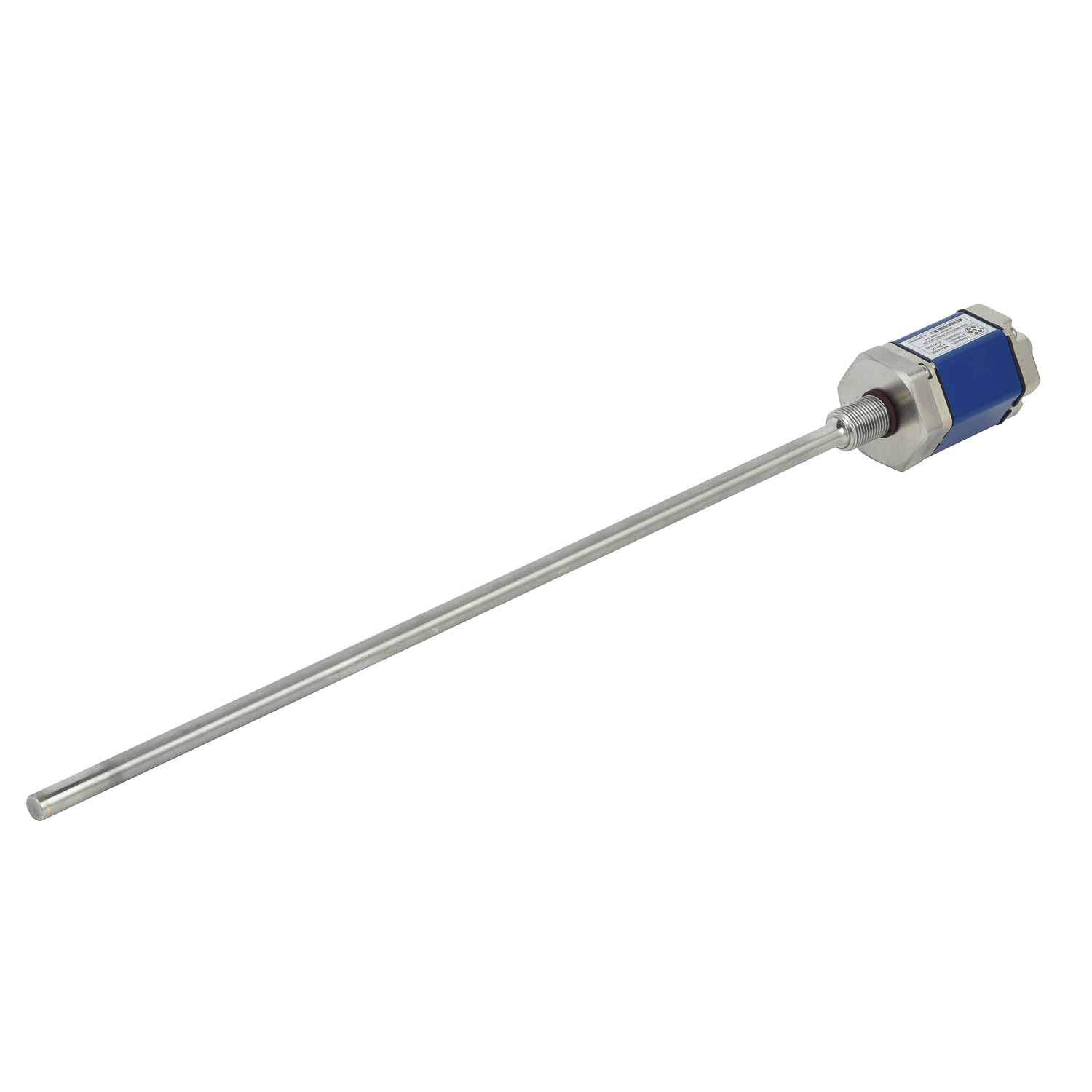
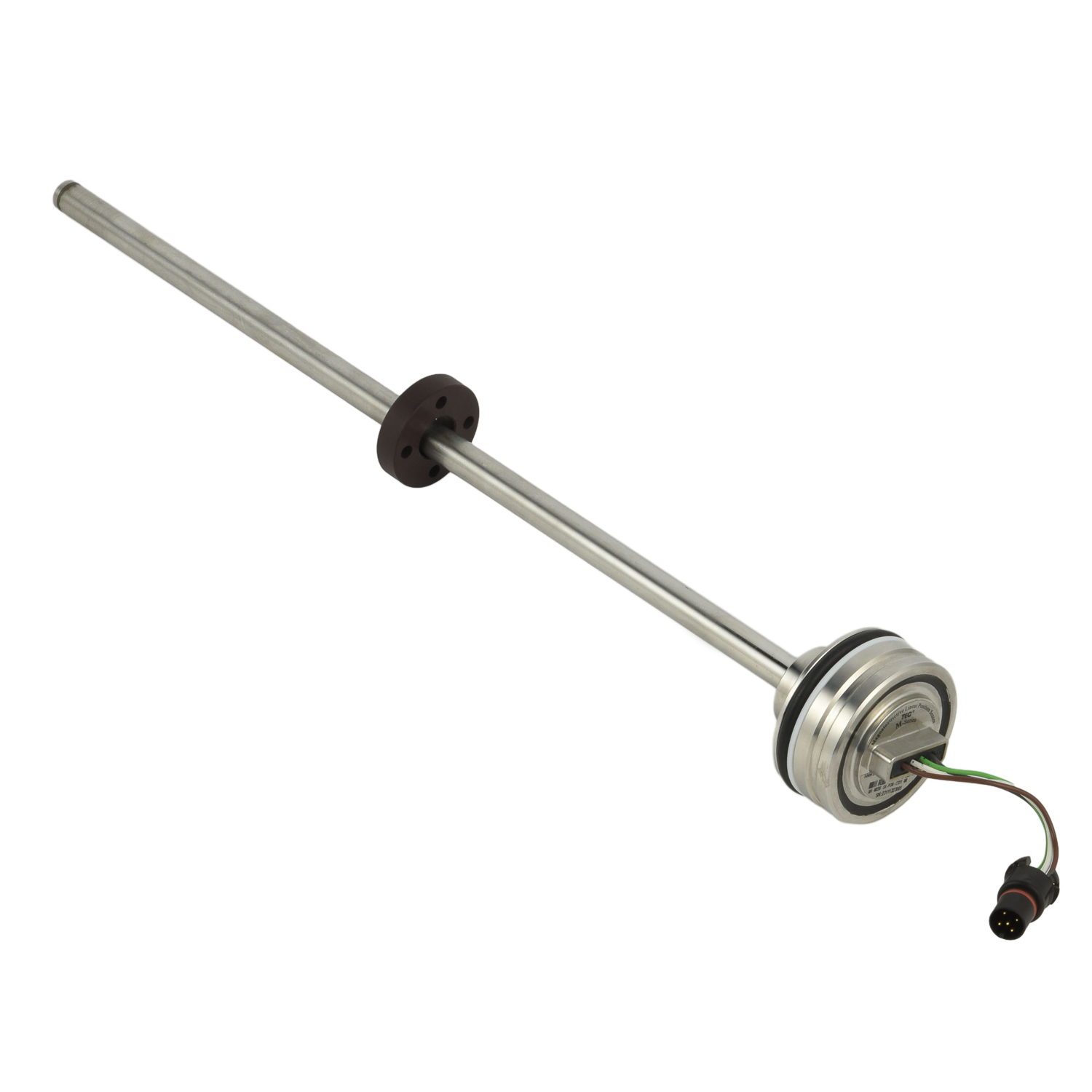 Power Plant Bridge Crane Non-c
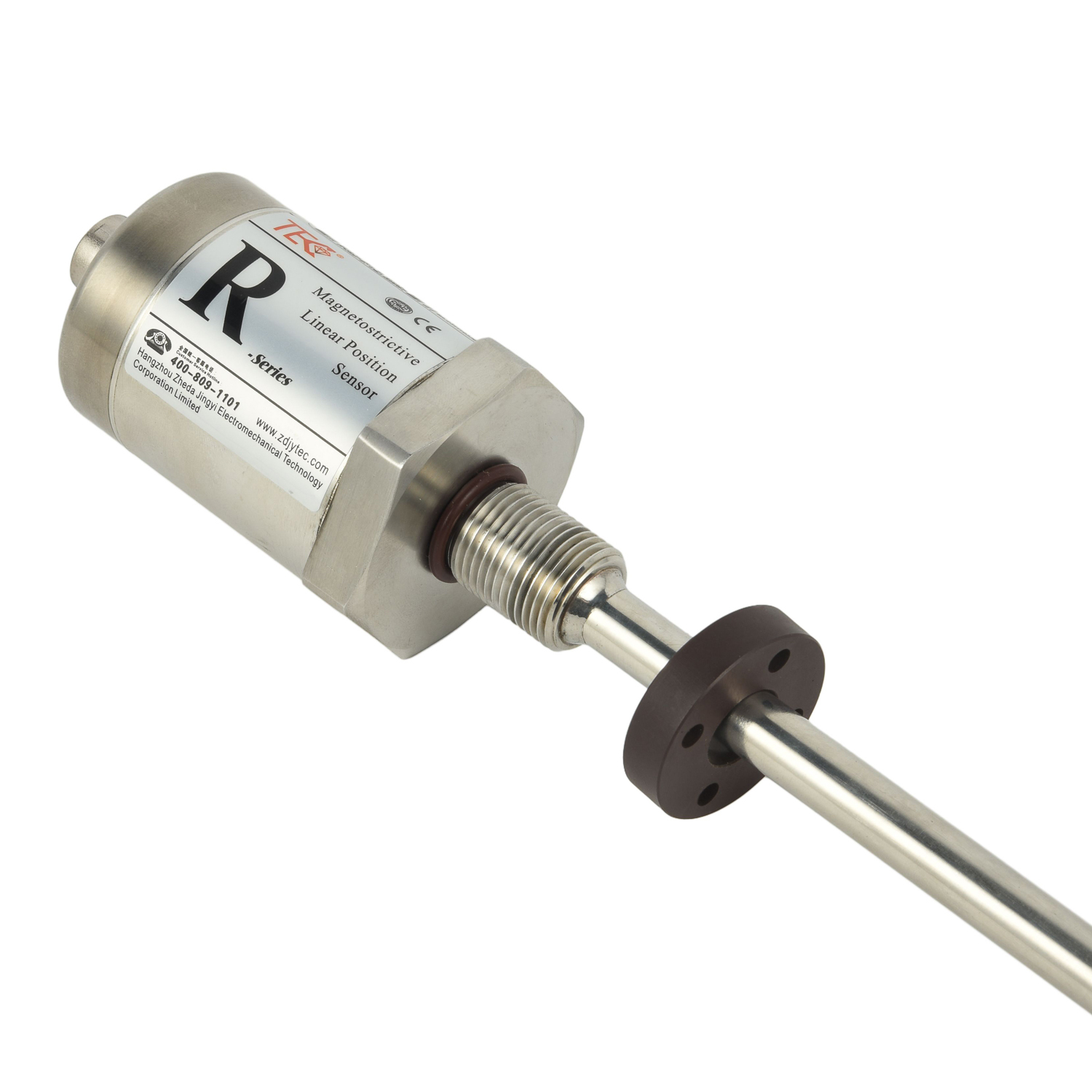 Port Stacker-reclaimer Intrins
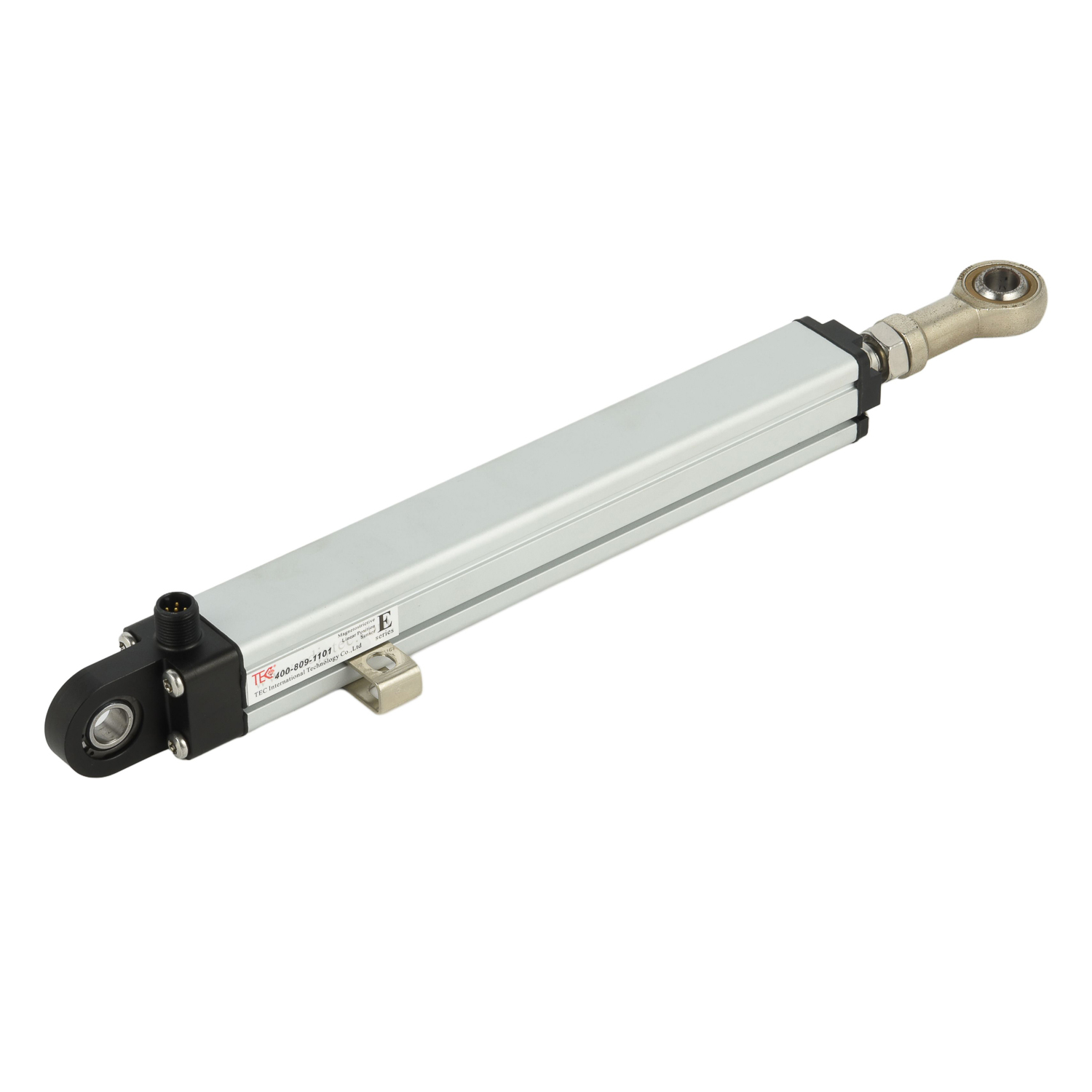 Water Conservancy Gate Corrosi
Sewage Treatment Material Tank