
Chemical Storage Tank High-pressure Pressure Sensor Working Principle
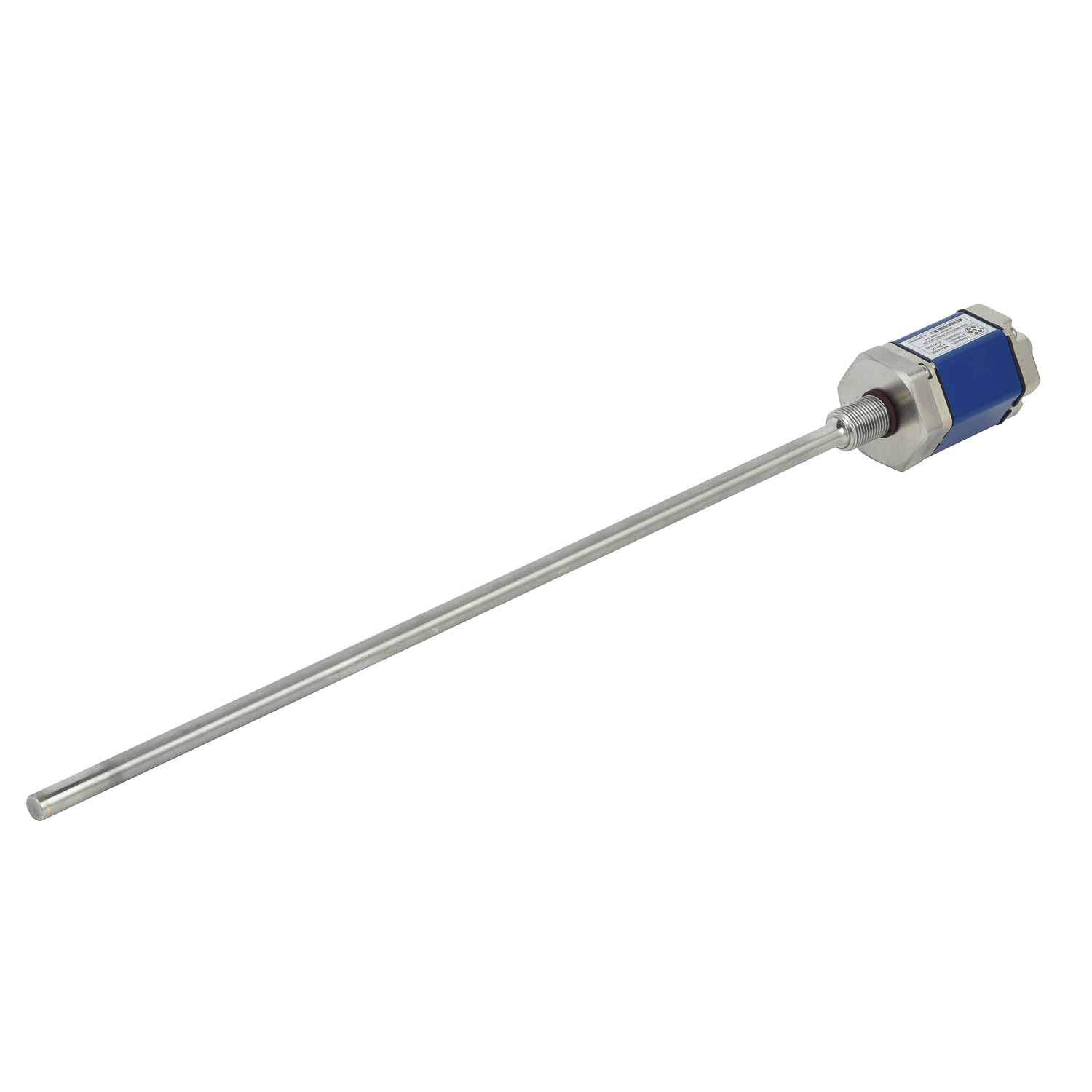
A high-pressure pressure sensor for a chemical storage tank converts internal pressure into a reliable electrical signal. The tank pressure enters the sensor through a sealed pressure port and acts on an isolation diaphragm. This diaphragm protects the sensing element from corrosive chemicals while transmitting pressure through a fill fluid. Inside the sensor, a strain gauge, capacitive, or piezoelectric element detects the small mechanical deformation caused by pressure. The element changes resistance, capacitance, or charge in proportion to the applied pressure. A signal-conditioning circuit amplifies, filters, and linearizes this change, then compensates for temperature effects. The result is a standard output such as 4-20 mA, HART, or digital communication for the control system. In chemical storage tanks, the sensor must resist corrosion, overpressure, and vibration. Wetted materials are selected for chemical compatibility, and the housing is sealed for outdoor or hazardous areas. Regular calibration and diaphragm inspection help maintain accuracy and safety. By continuously measuring high pressure, the sensor supports level calculation, leak detection, alarm interlocking, and safe tank operation. Because chemical tanks may have corrosive vapors and fluctuating temperatures, the sensor uses chemical-compatible wetted parts, a robust pressure port, and temperature compensation. Proper installation keeps the pressure port clear and isolates the sensor from vibration and surge pressure.
 Power Plant Bridge Crane Non-c
 Port Stacker-reclaimer Intrins
 Water Conservancy Gate Corrosi
 Sewage Treatment Material Tank