
Injection Molding Die Casting Injection Molding Machine Rod-type Pressure Sensor Field Application
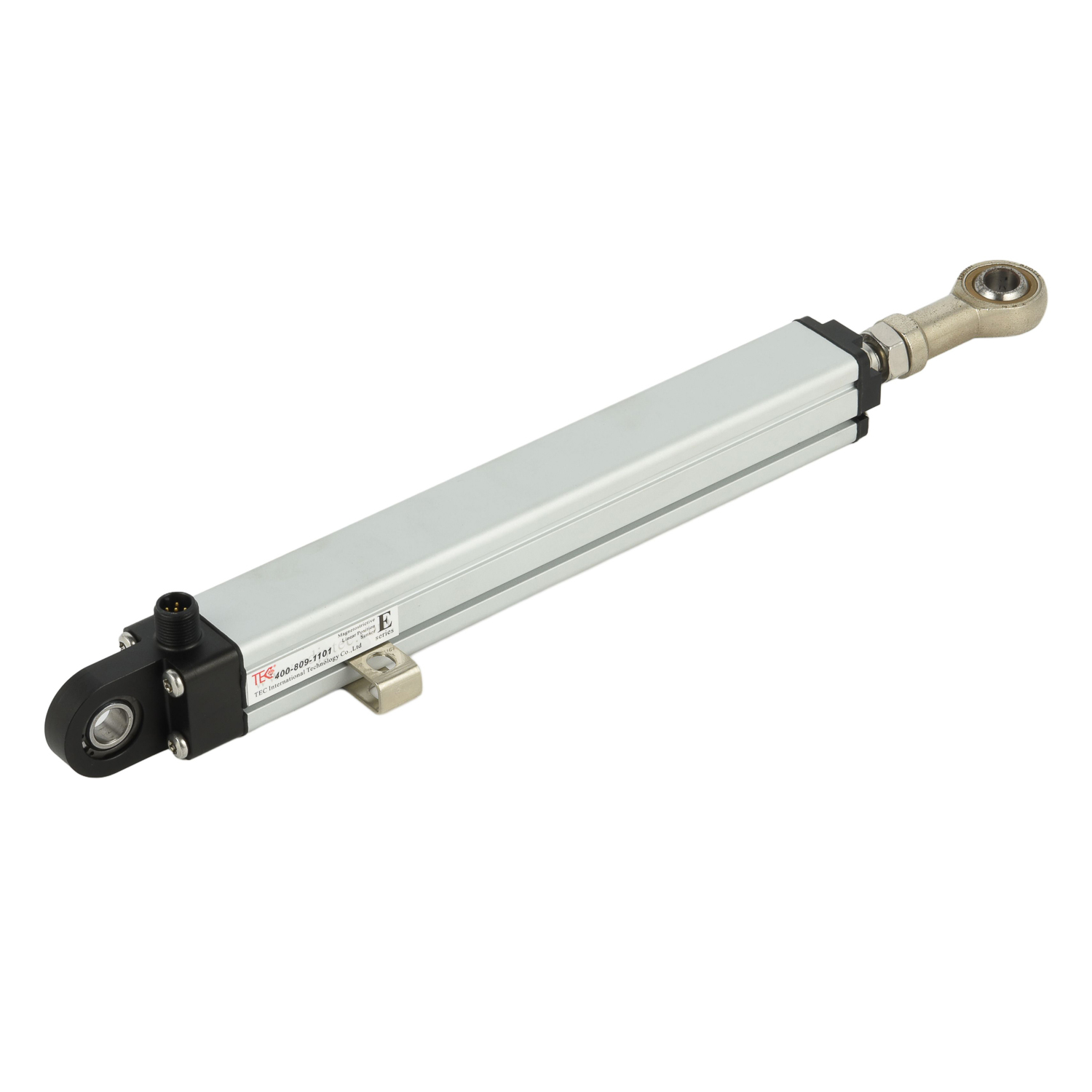
Rod-type pressure sensors are increasingly used in injection molding and die casting machines to provide reliable, real-time pressure feedback in demanding industrial environments. Unlike conventional sensors, rod-type designs feature a slender, robust probe that can be installed close to the melt or hydraulic circuit, enabling accurate measurement of injection pressure, holding pressure, and clamping force. In the field, these sensors help operators detect pressure fluctuations, optimize process parameters, and reduce scrap caused by short shots, flash, and dimensional variation.
During injection molding, a rod-type sensor can monitor nozzle or cavity pressure, allowing closed-loop control and consistent part quality. In die casting, it supports pressure monitoring in the shot system, where high temperatures, vibration, and metal splash demand rugged protection. Proper installation, sealing, and temperature compensation are essential for long-term stability. Regular calibration and signal verification also prevent drift and false alarms.
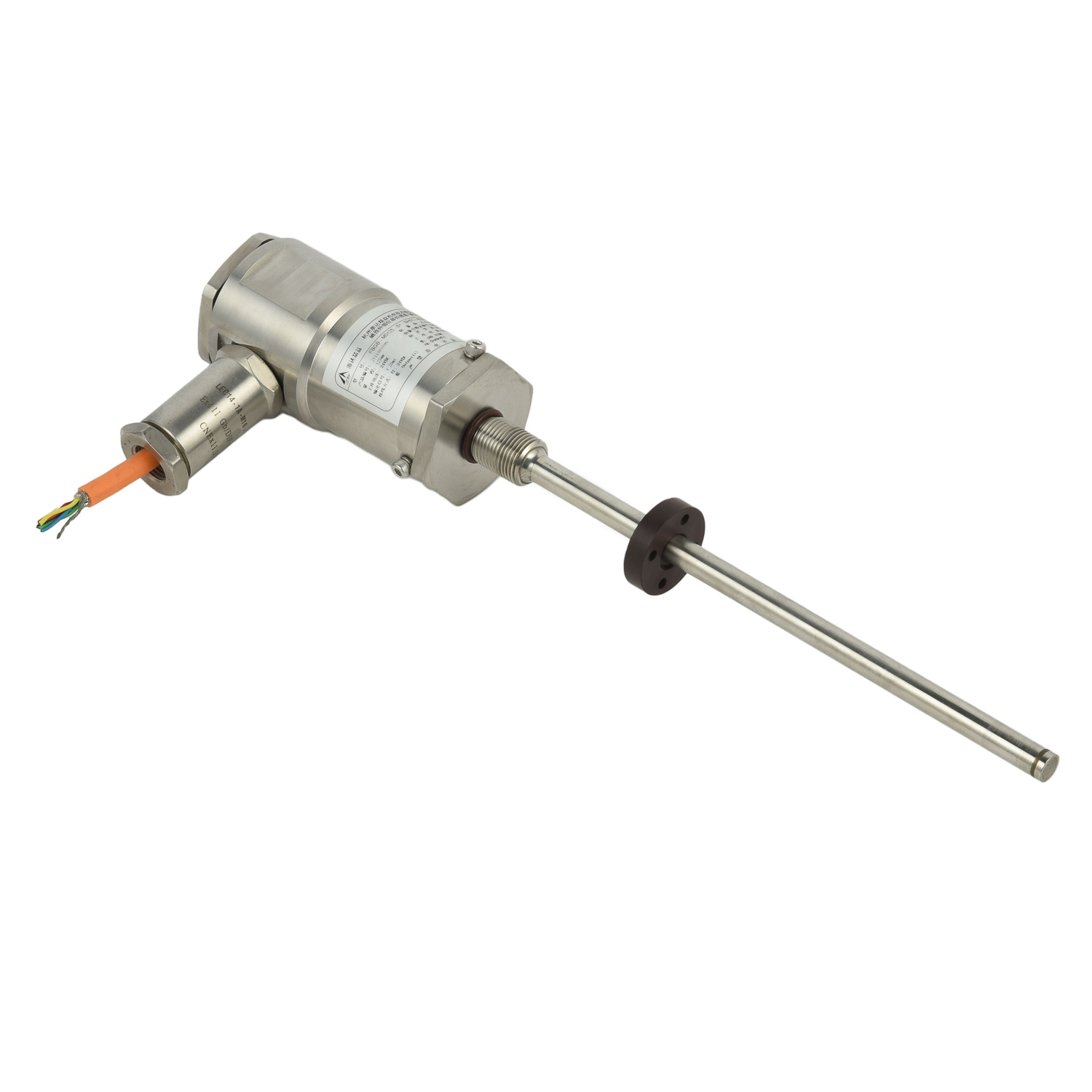
With compatible amplifiers and PLC/DAQ interfaces, the sensor output can be integrated into machine controllers and production dashboards. This supports predictive maintenance, traceability, and energy-efficient operation. For field application, users should select the correct pressure range, mounting thread, and cable protection to match machine conditions. Overall, rod-type pressure sensors offer a practical solution for improving precision, uptime, and quality in injection molding and die casting production. They also withstand repeated pressure cycles and harsh shop-floor use.
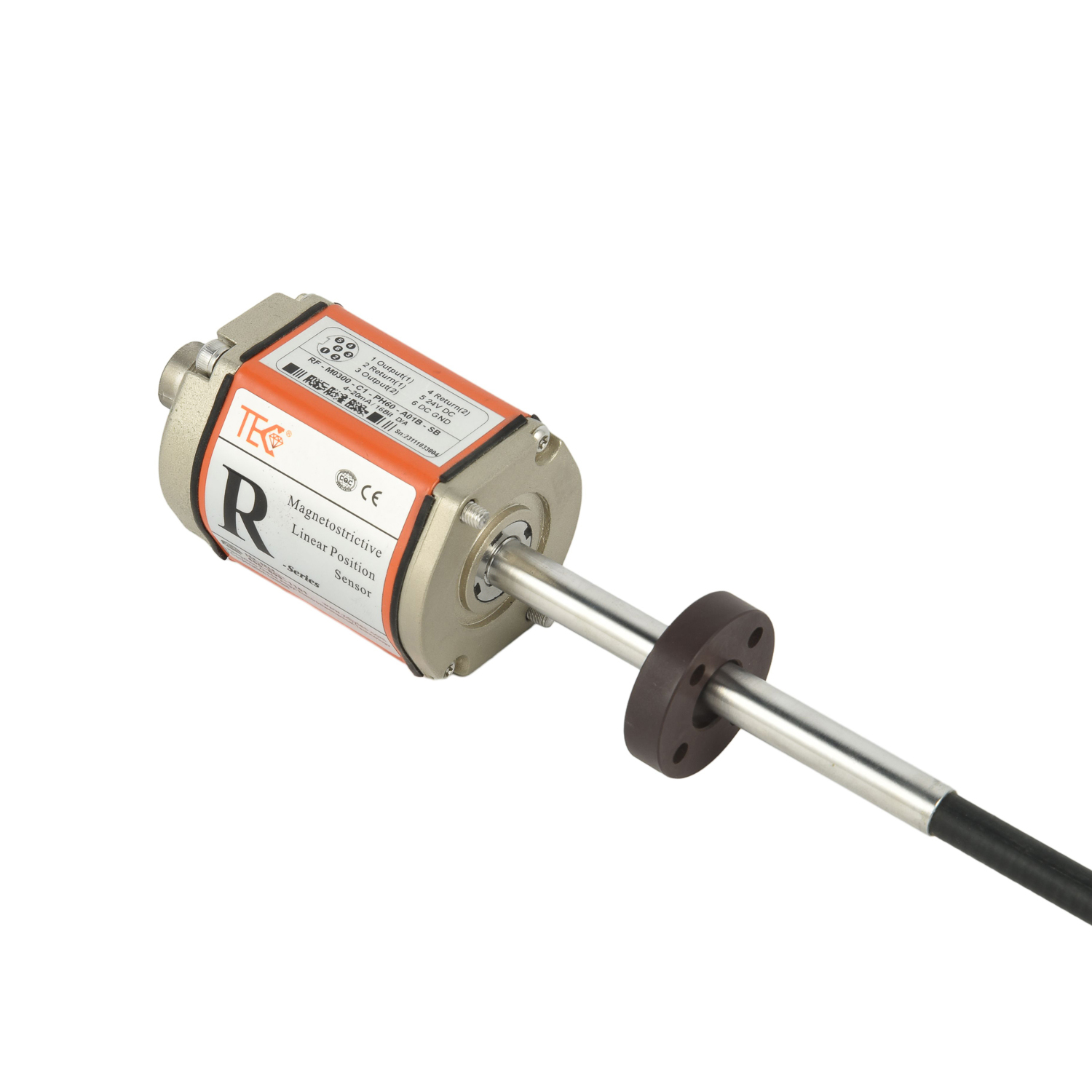 Construction Machinery Crane P
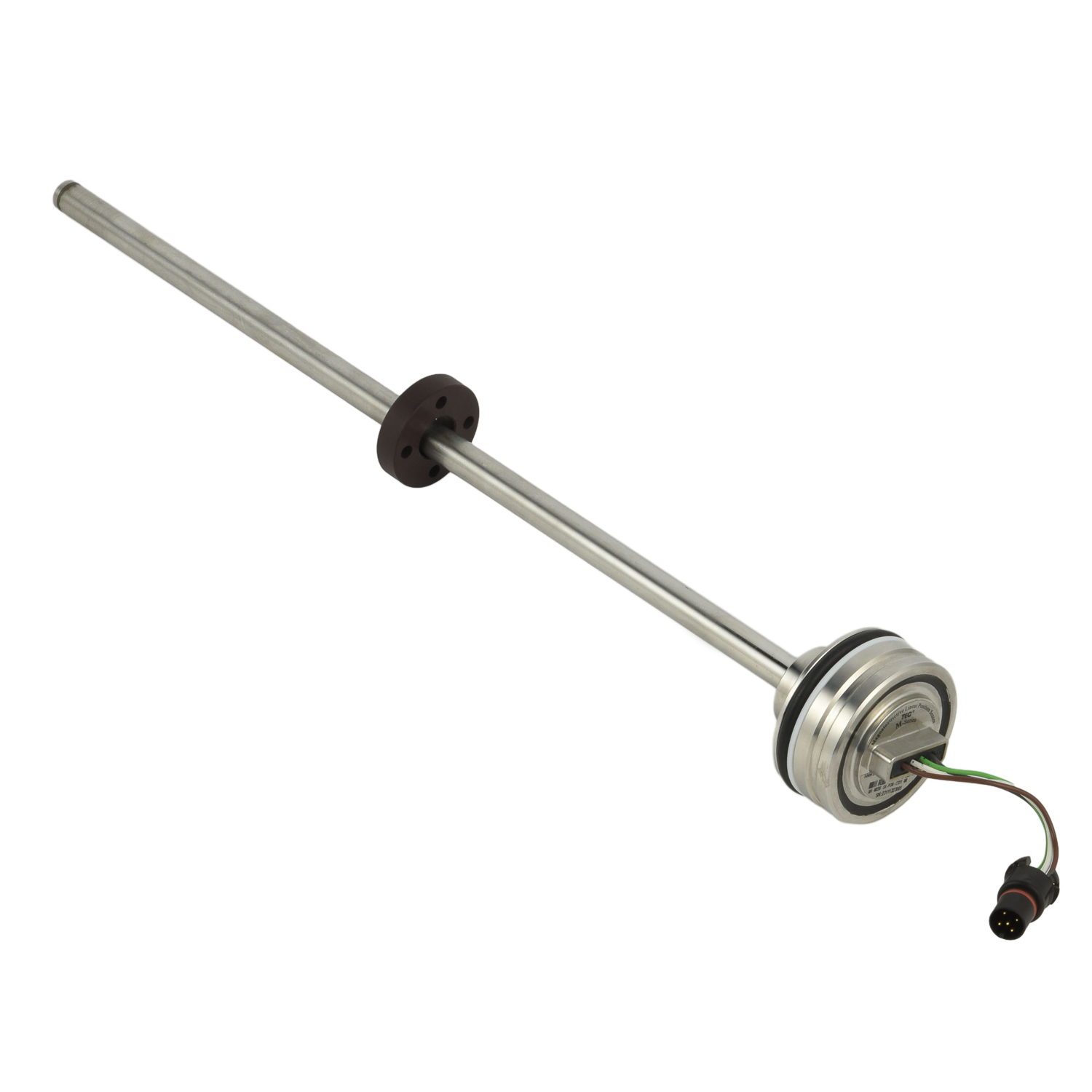 Power Plant Bridge Crane Non-c
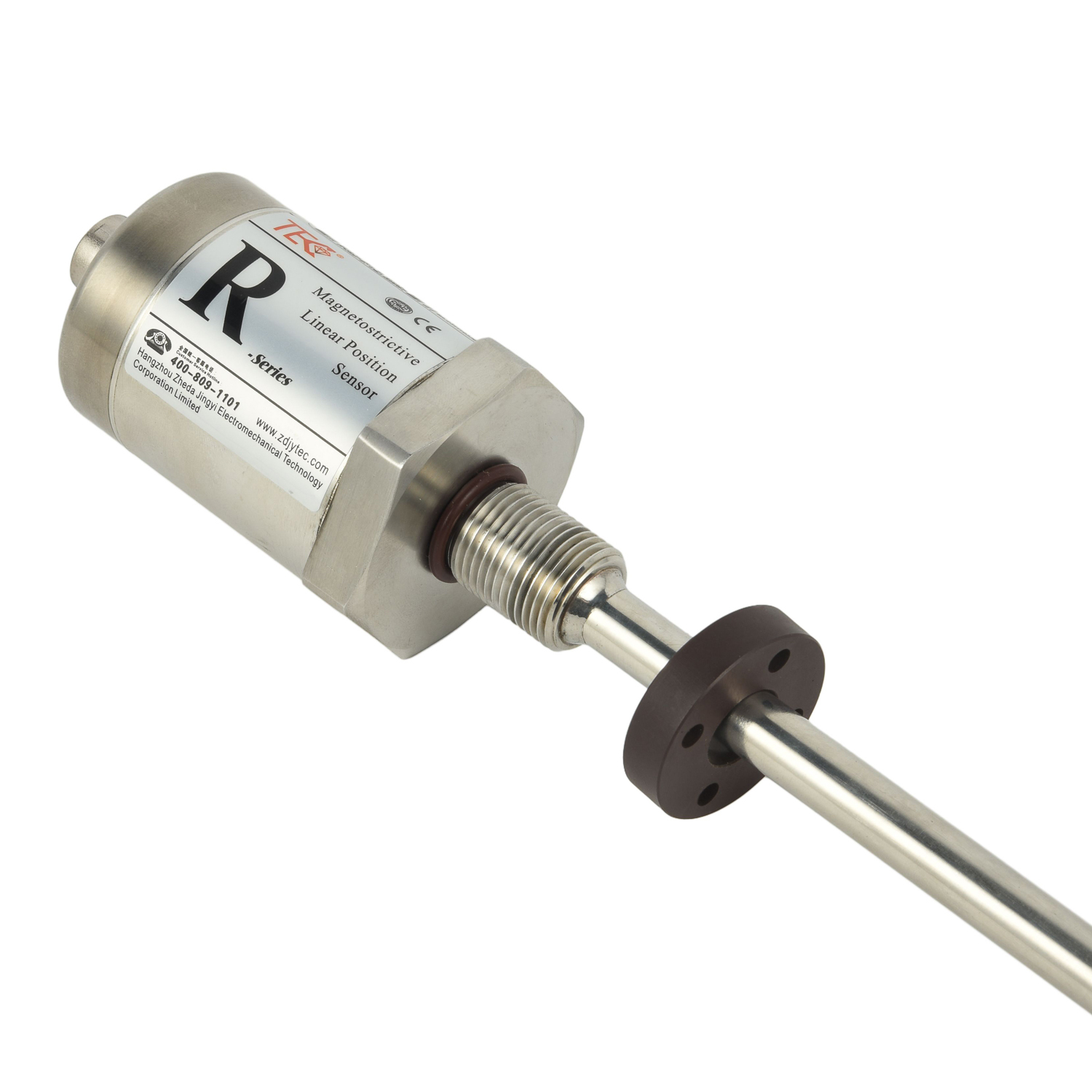 Port Stacker-reclaimer Intrins
 Water Conservancy Gate Corrosi