
Shield Tunneling Pressure Sensor Fault
Shield tunneling pressure sensors are vital for face stability and safe excavation. A fault can appear as drifting readings, sudden spikes, zero output, or noisy signals. Common causes include blocked sensing ports, slurry or grout contamination, cable damage, moisture ingress, connector corrosion, calibration drift, and power supply instability. These faults may lead to inaccurate earth pressure balance, excessive settlement, or face instability.
Maintenance teams should first isolate the sensor and verify power and signal wiring. Compare readings with a calibrated reference gauge and inspect the diaphragm, filter, and connector. Clean blocked ports carefully and replace damaged seals or cables. Use a multimeter to check voltage and continuity, and review PLC trends for intermittent drops. If output remains unstable, perform a zero and span calibration or replace the sensor. Data trends, alarm logs, and manual checks help distinguish sensor failure from real pressure changes.
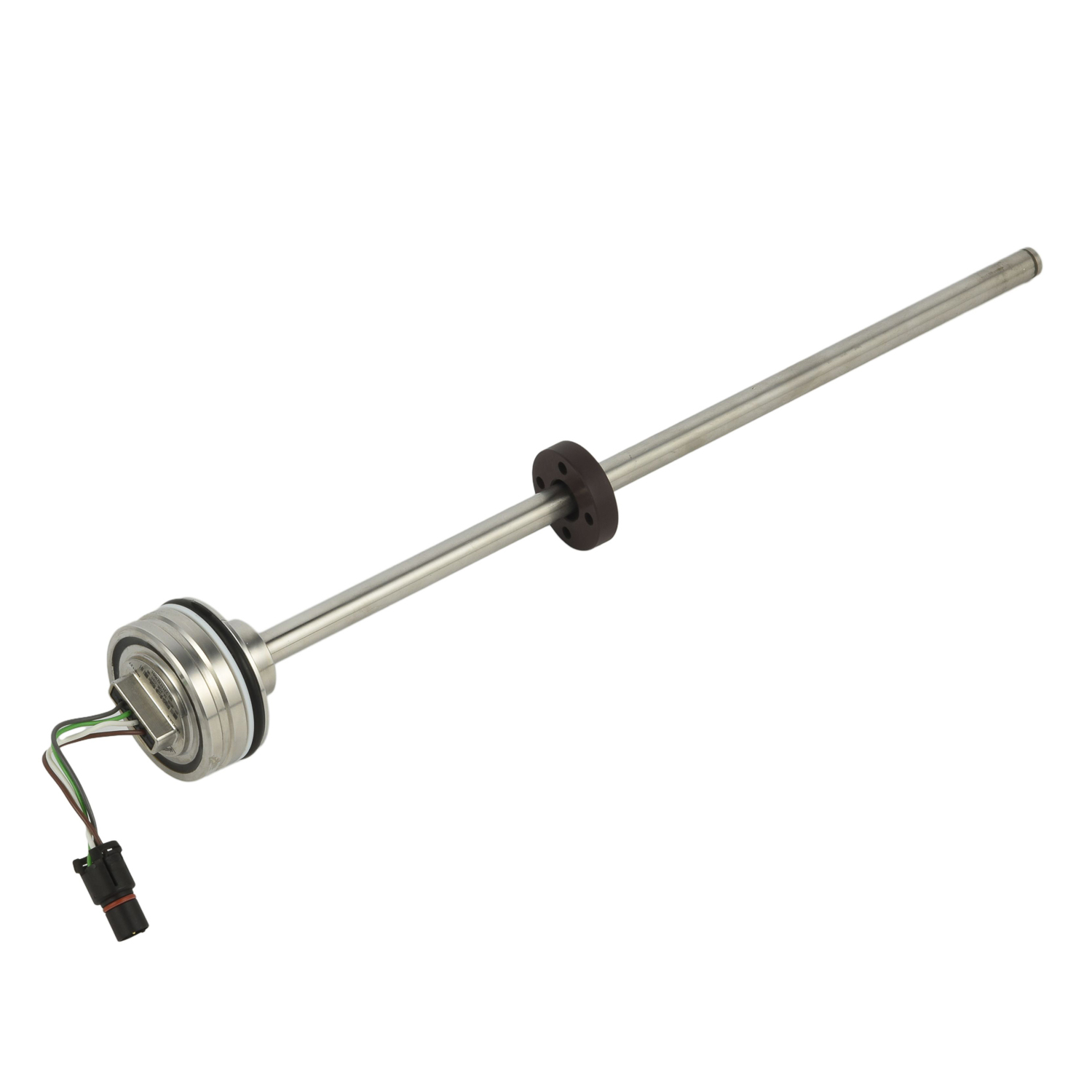
Preventive measures include routine cleaning, waterproof sealing, cable protection, stable power, and scheduled calibration. During operation, cross-check redundant sensors and document all maintenance. A failed sensor must be replaced with a compatible unit and recalibrated after installation. Keep spare parts and maintenance records to speed future repairs. Train staff to recognize early warning signs. Fast fault diagnosis protects workers, limits downtime, and improves tunneling quality.
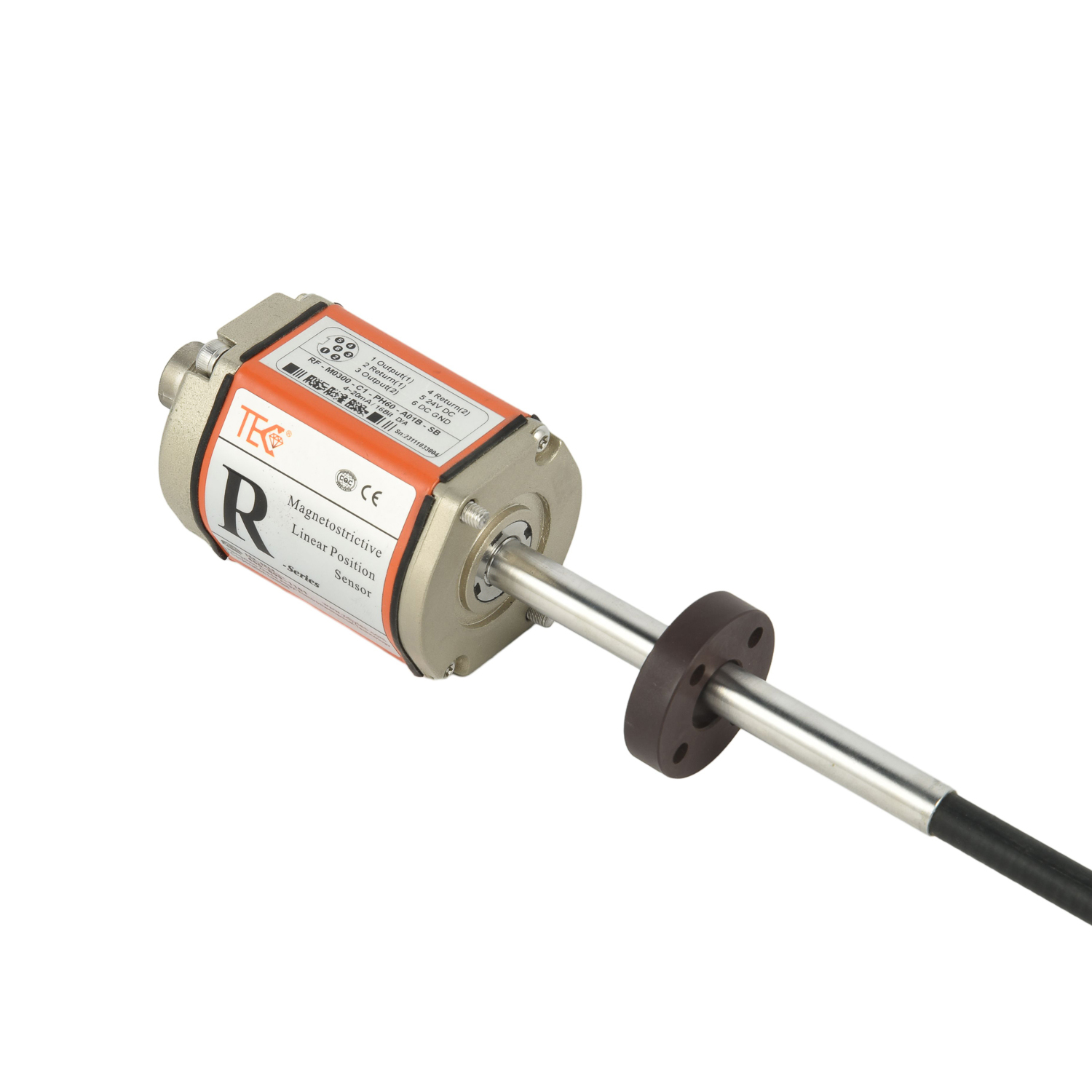 Construction Machinery Crane P
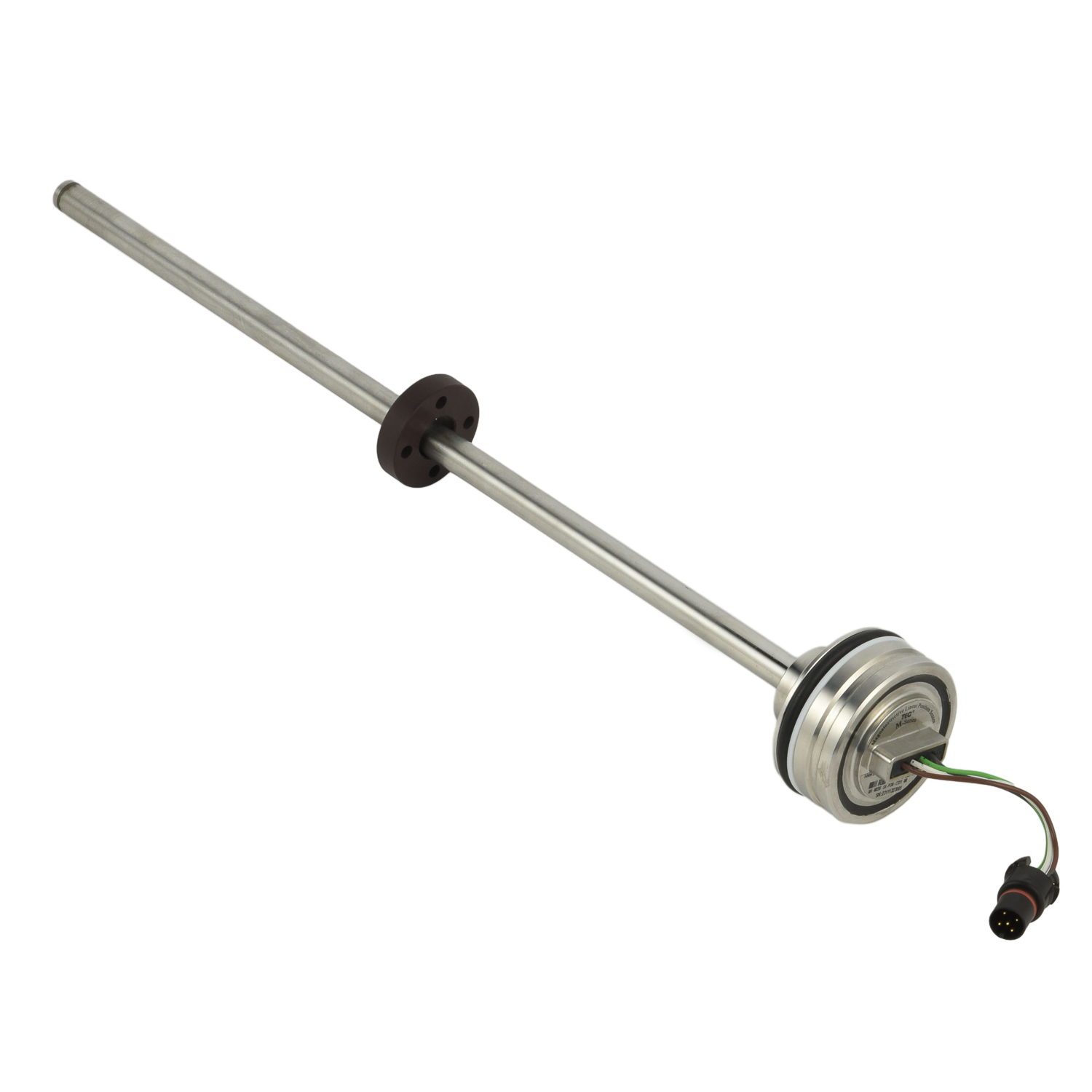 Power Plant Bridge Crane Non-c
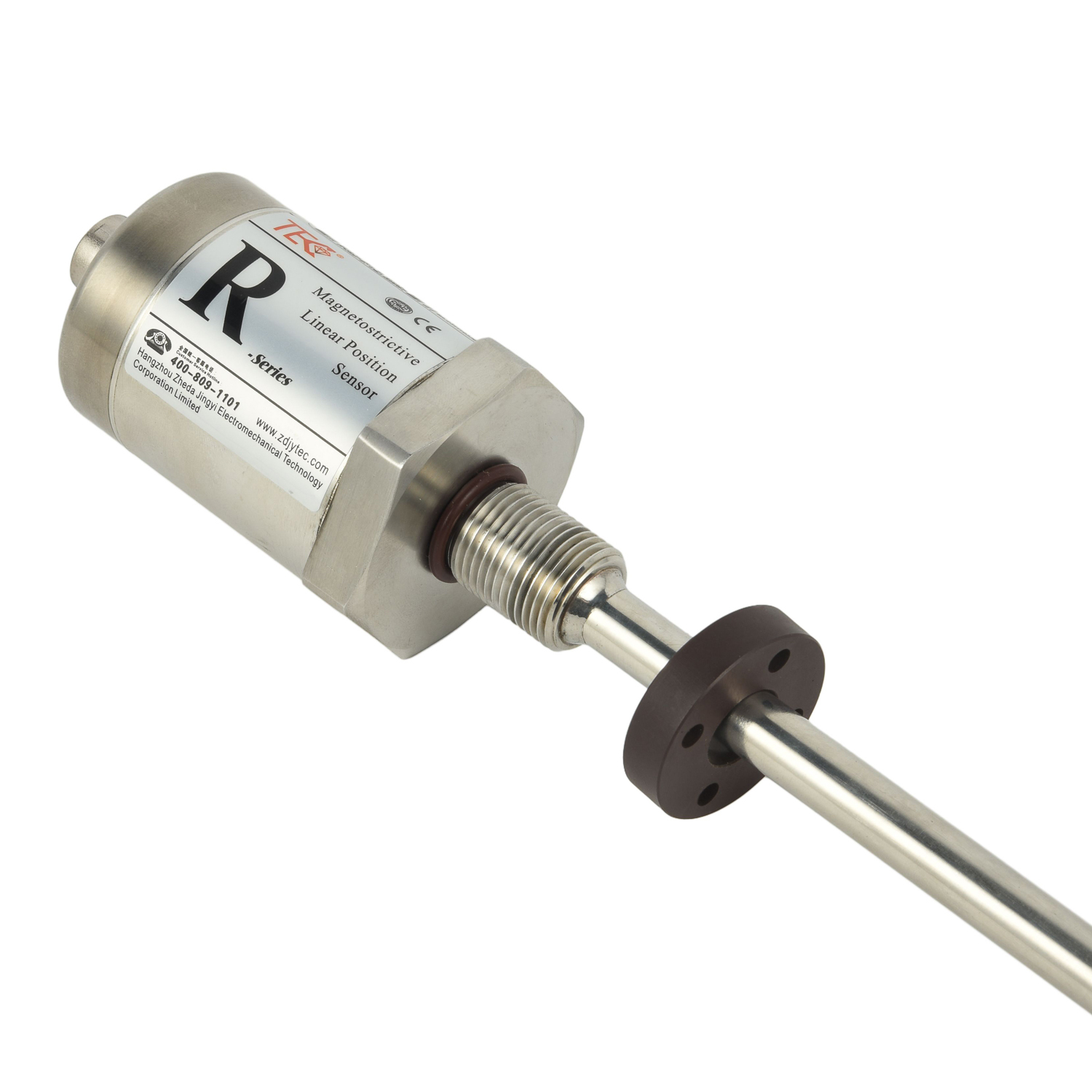 Port Stacker-reclaimer Intrins
 Water Conservancy Gate Corrosi