
Power Plant Crane Non-contact Pressure Sensor Import Substitute
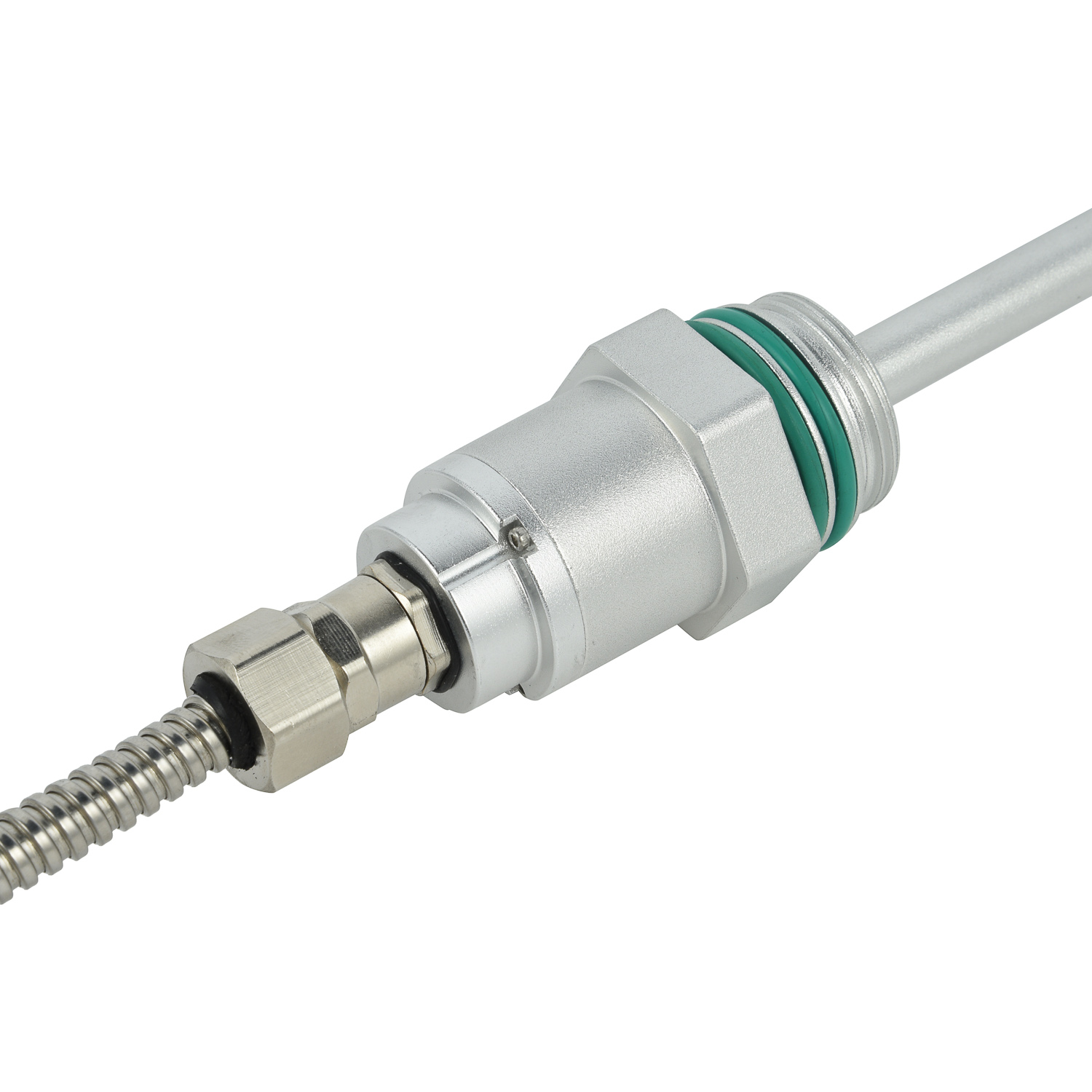
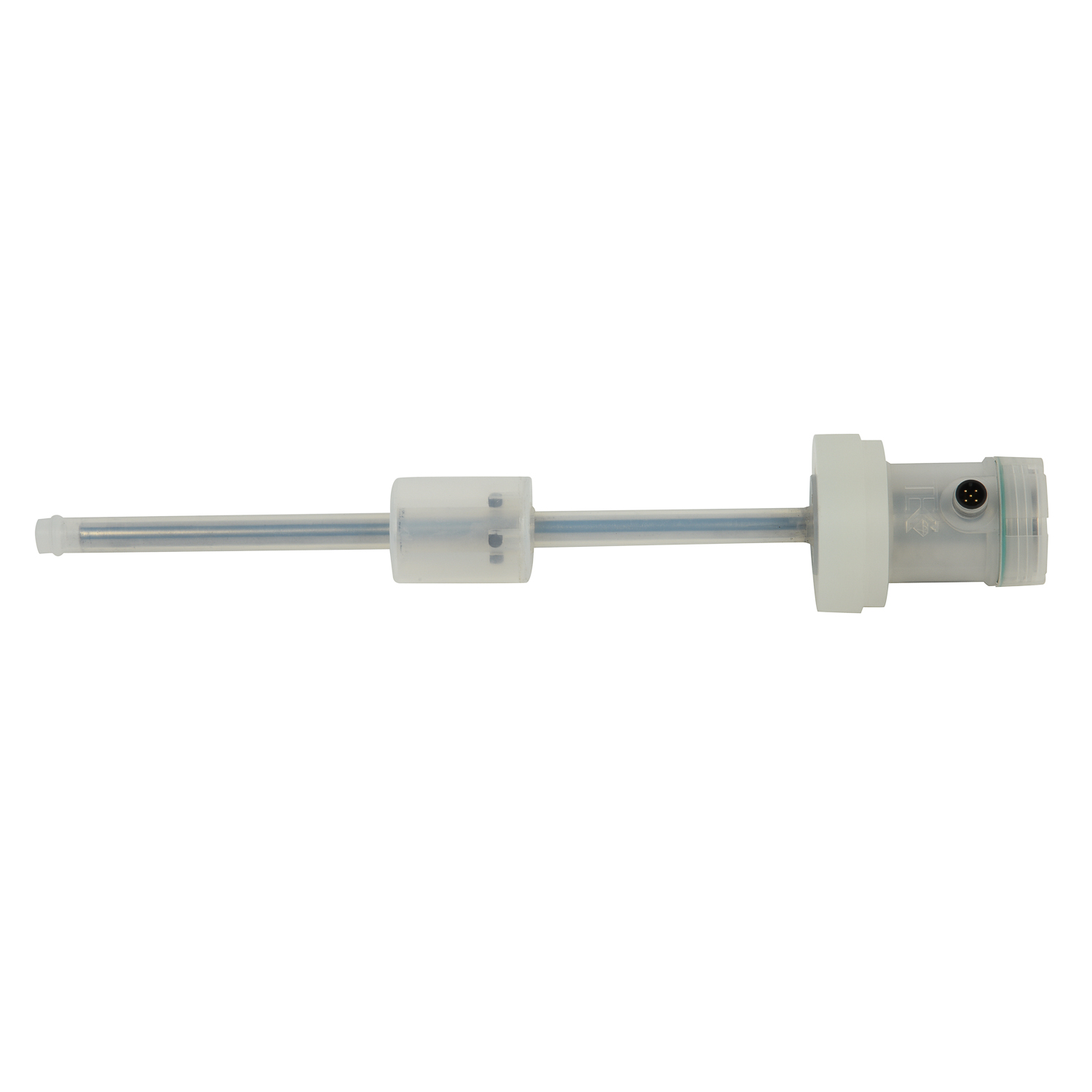
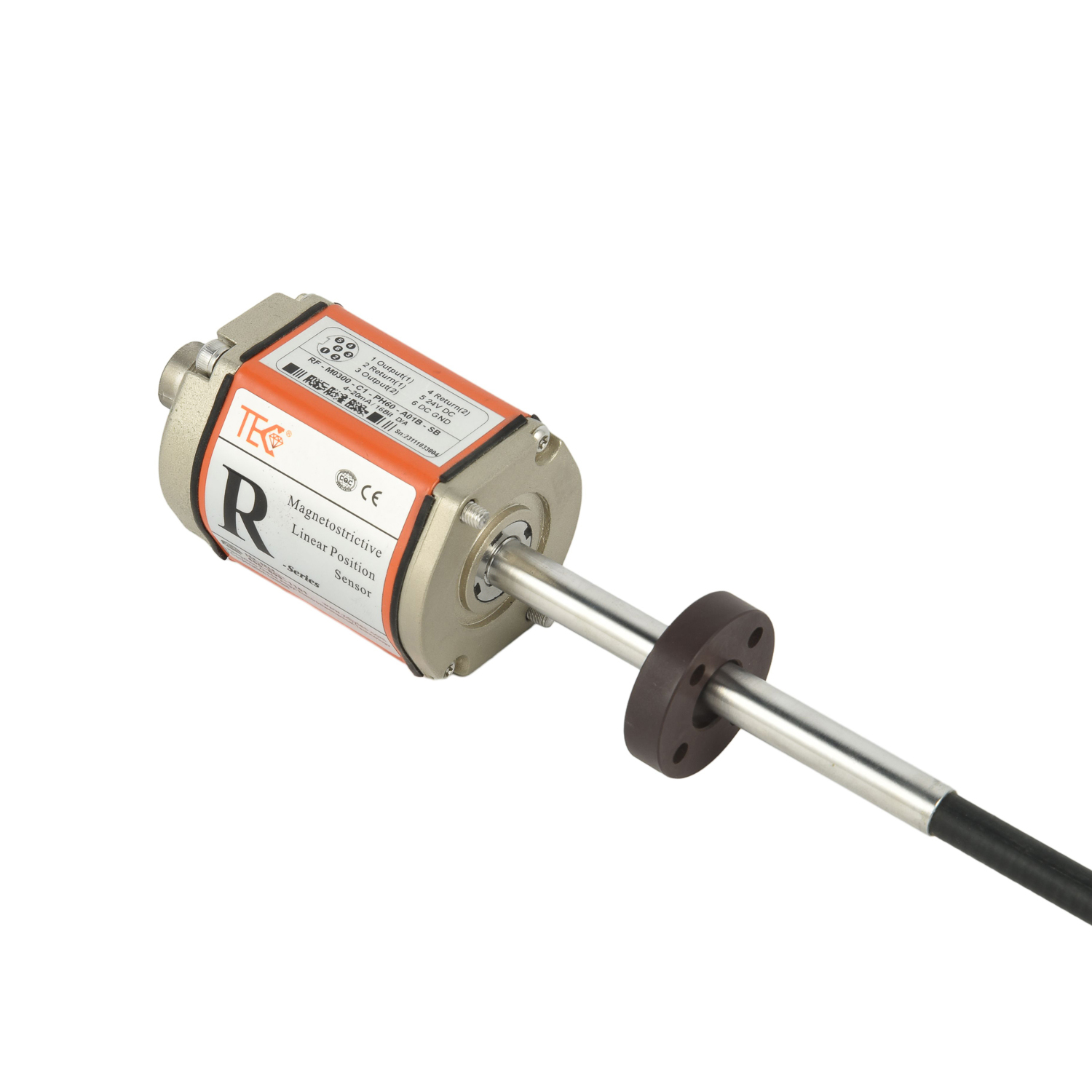
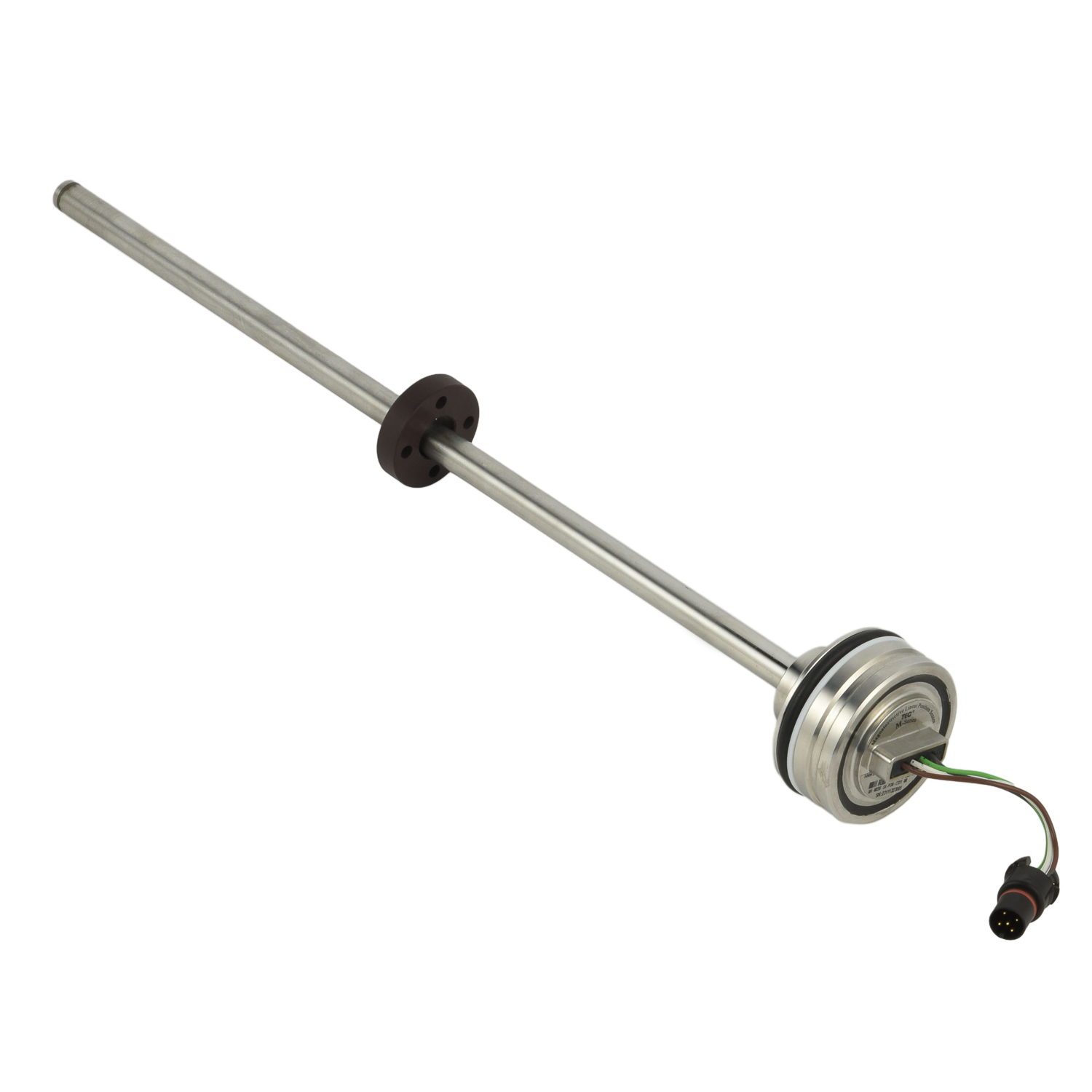
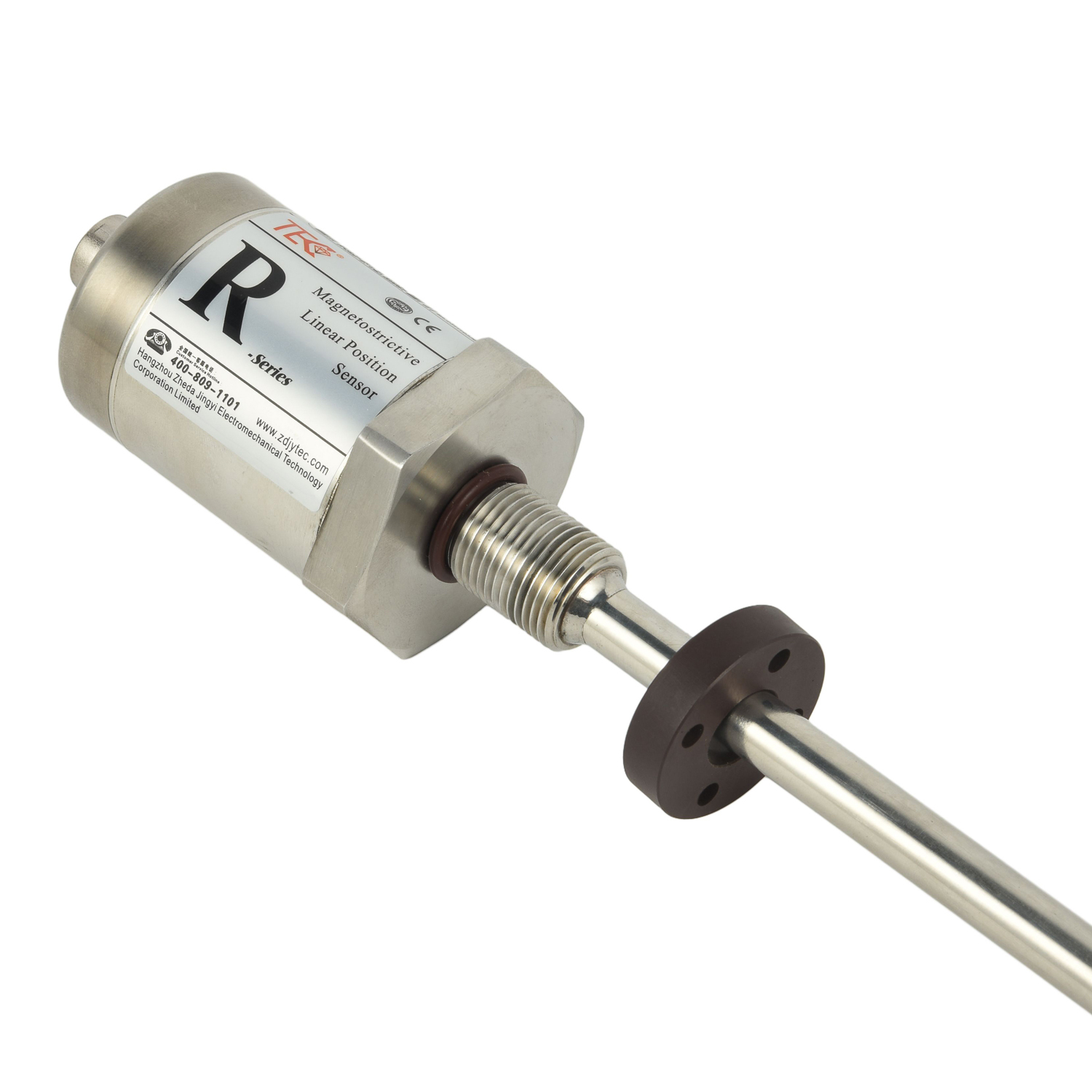
In power plants, crane systems operate under high temperatures, dust, vibration, and strong electromagnetic interference. Conventional contact pressure sensors can suffer from diaphragm wear, seal leakage, drift, and frequent calibration, which raises maintenance costs and creates safety risks. A non-contact pressure sensor developed as an import substitute offers a reliable alternative for hoist braking, hydraulic clamping, load sensing, and safety monitoring. Using magnetic or optical sensing with isolated signal processing, it avoids mechanical contact with pressure media, reduces abrasion, and improves response speed. The replacement model is engineered to match original interfaces, pressure ranges, output signals, and installation dimensions, enabling quick retrofit without changing crane control logic. It supports 4-20 mA, RS485, or CAN outputs and maintains stable performance across wide temperature ranges, vibration, and EMI. Local production shortens lead times, lowers inventory pressure, and provides responsive technical support. Before installation, verify pressure range, thread type, electrical connector, and protection rating. Routine zero-point checks and sealing inspections help maintain long-term accuracy. With proven compatibility and cost efficiency, this non-contact pressure sensor import substitute helps power plant cranes operate safely, continuously, and with lower lifecycle cost. It suits new projects and upgrades, reducing imported spare part dependence and improving maintenance efficiency.
 Injection Molding Die Casting
 Construction Machinery Crane P
 Power Plant Bridge Crane Non-c
 Port Stacker-reclaimer Intrins