
Injection Molding Die Casting Die Casting Machine High-temperature Pressure Sensor Price
In injection molding and die casting, stable pressure measurement is critical. A high-temperature pressure sensor helps monitor melt pressure in injection molding machines and hydraulic pressure in die casting machines. Die casting involves hot metals, high pressure, vibration, and harsh environments, so the sensor must be durable and accurate. When buyers compare a high-temperature pressure sensor price for injection molding or die casting equipment, they should consider more than the initial quote.
Price depends on temperature range, pressure range, accuracy, output signal (4-20 mA, 0-10 V, or digital), process connection, housing material, cable length, and certifications. Sensors for die casting machines often need higher temperature resistance, robust stainless steel bodies, and reliable sealing. These features increase cost but reduce downtime. A low-cost sensor may fail early under thermal cycling, causing quality issues and maintenance costs.
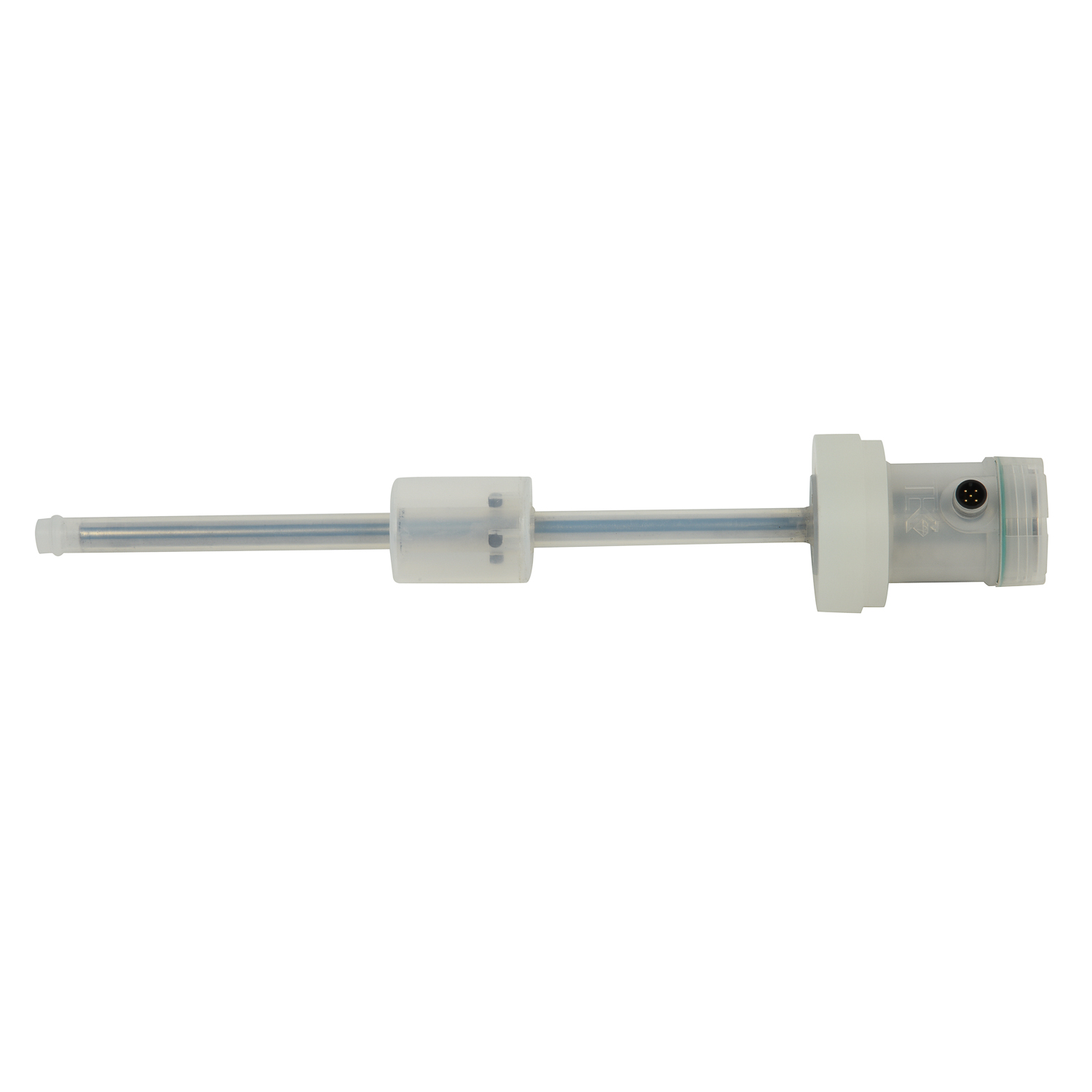
For injection molding, the sensor may measure melt pressure at the nozzle or mold cavity. For die casting, it may monitor hydraulic or process pressure. The right model should match the machine interface and control system. Buyers should request a datasheet, calibration report, warranty, and delivery time. Comparing quotes from qualified suppliers helps balance performance and price.
In summary, the best high-temperature pressure sensor price is not always the lowest. Choose a sensor that fits the application, meets temperature and accuracy needs, and offers dependable support. This protects product quality and improves die casting and injection molding efficiency.
Injection Molding Die Casting
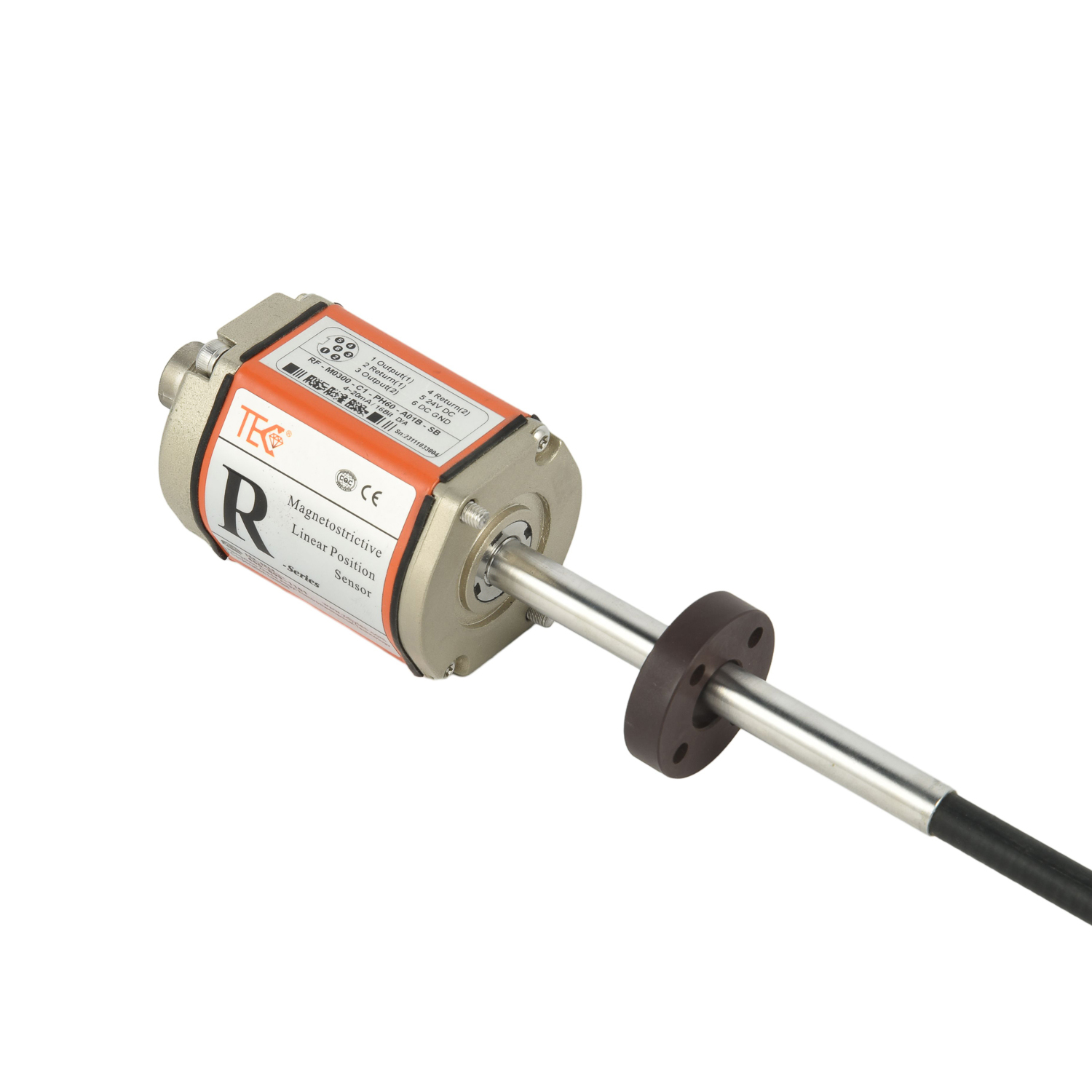 Construction Machinery Crane P
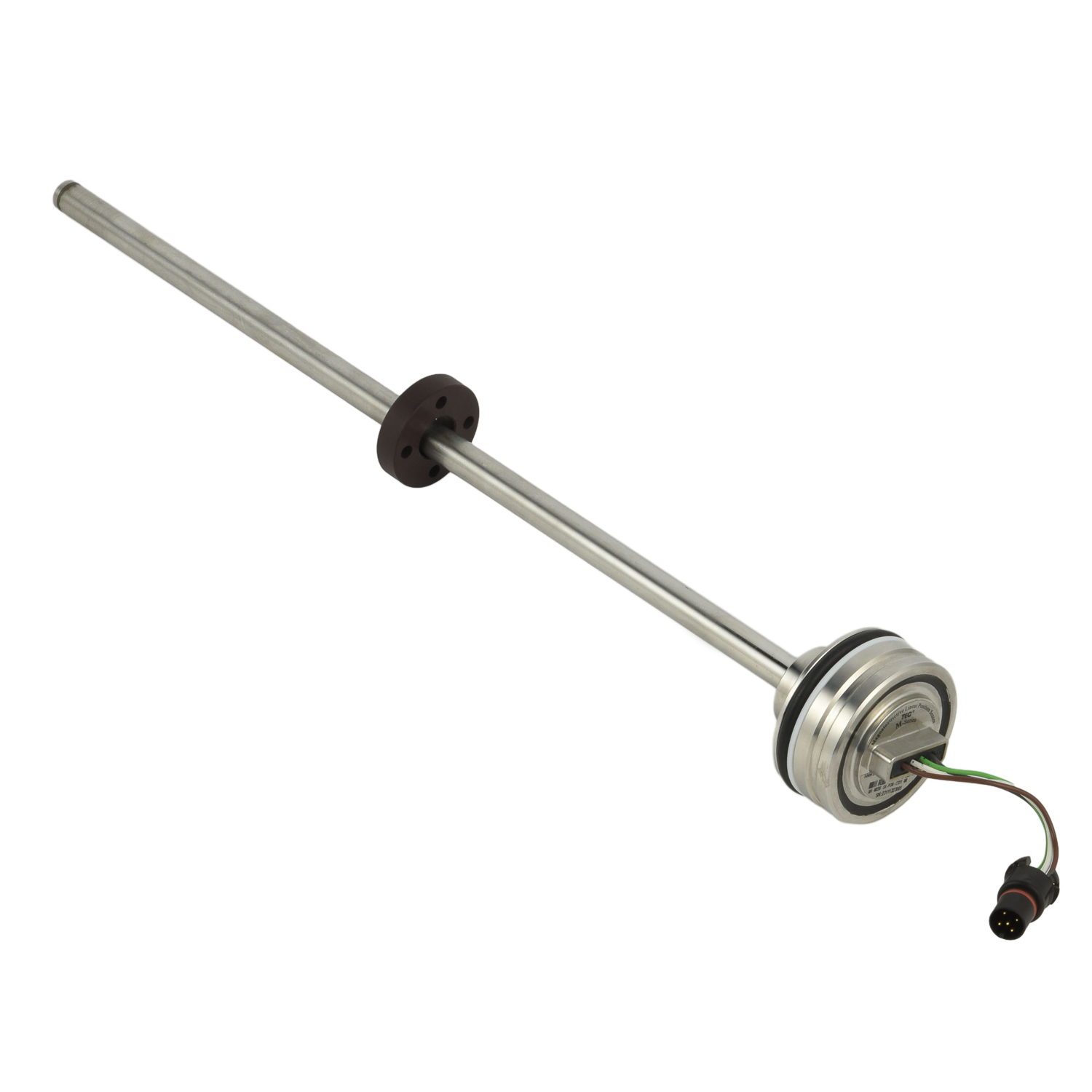 Power Plant Bridge Crane Non-c
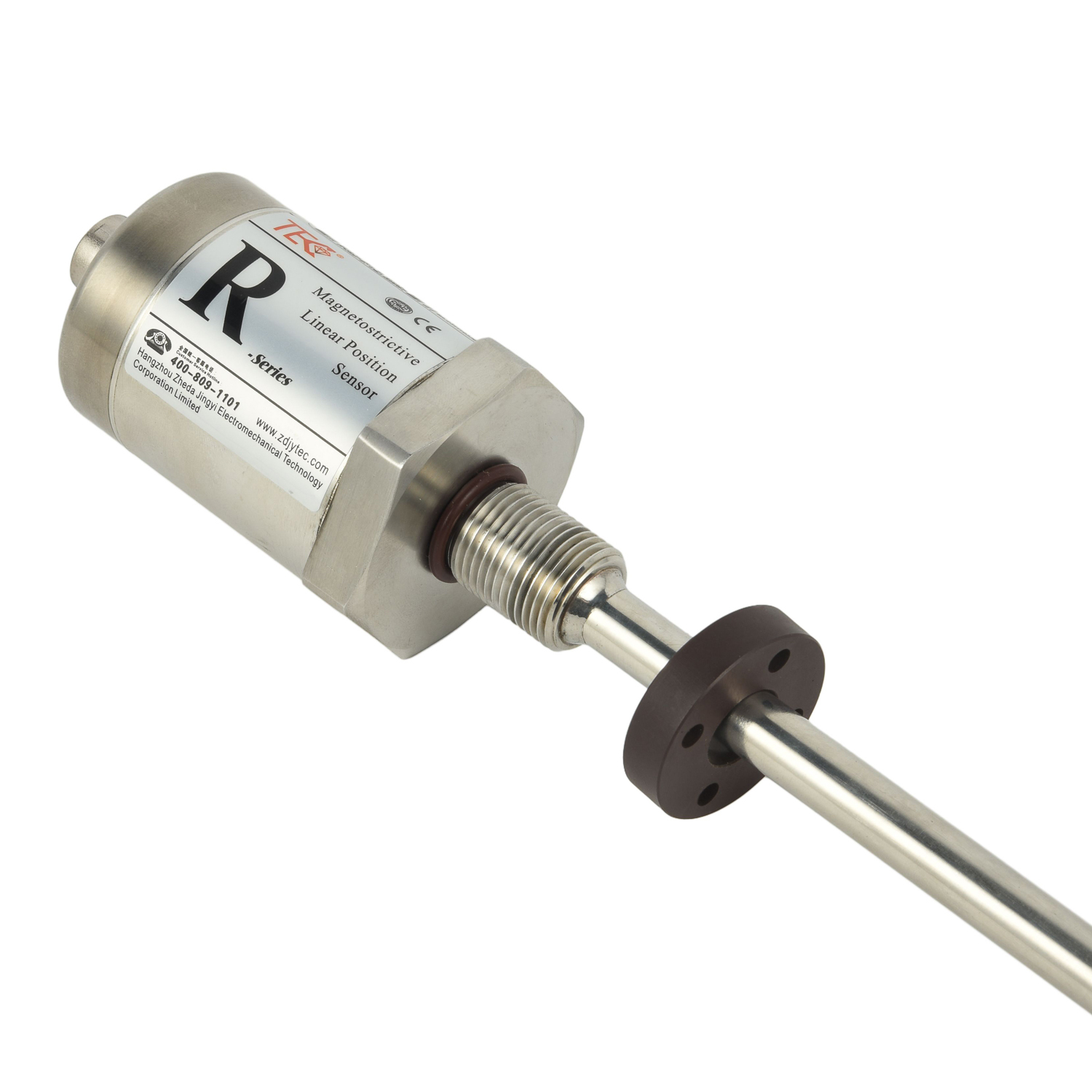 Port Stacker-reclaimer Intrins