
Port Overhead Crane Intrinsically Safe Explosion-proof Pressure Sensor Installation Method
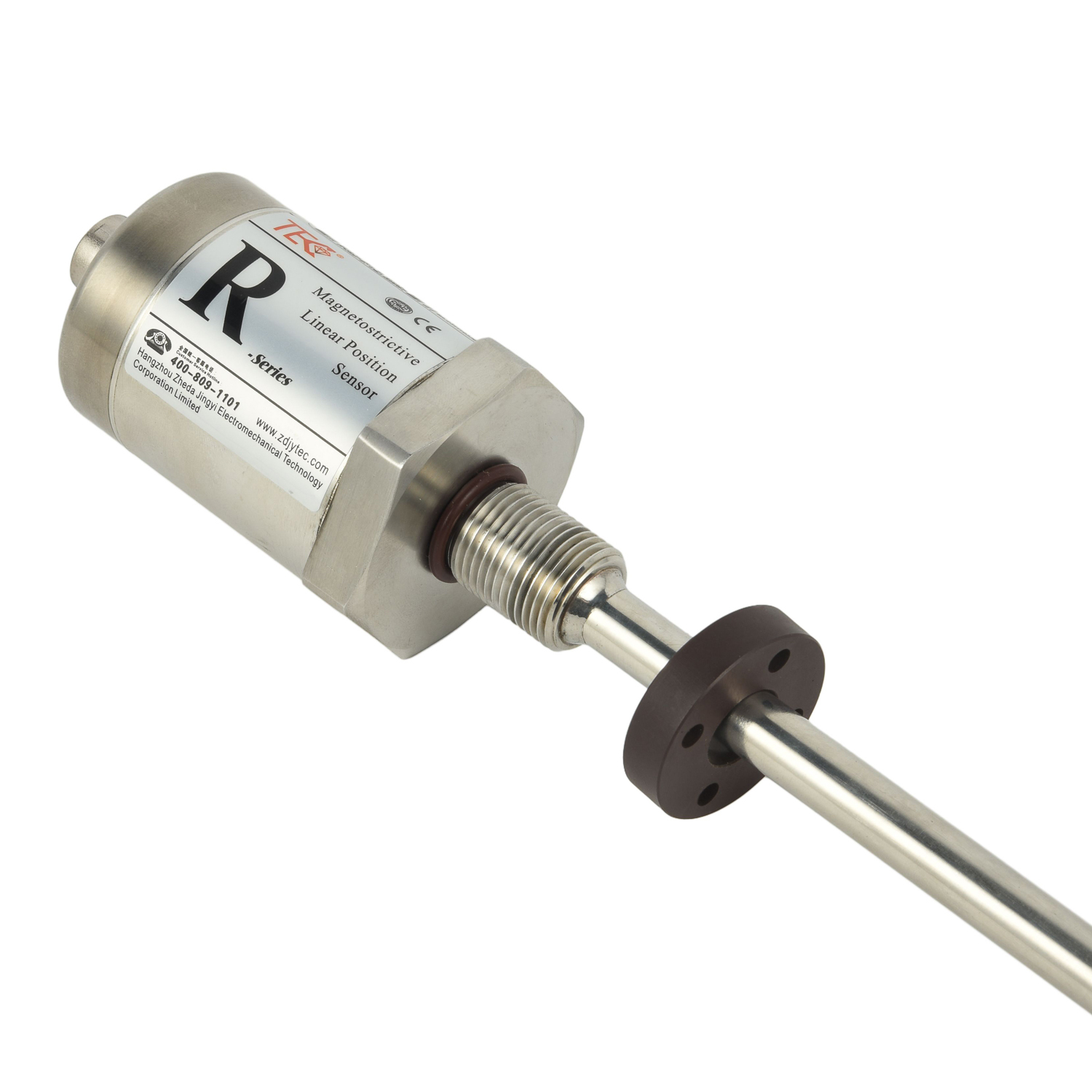
Installing an intrinsically safe explosion-proof pressure sensor on a port overhead crane requires strict hazardous-area control. First, isolate the crane, lock out power, and verify that the mounting point is within the approved gas or dust zone. Select a sensor with a certified intrinsic safety barrier and enclosure rated for the crane environment. Mount the sensor on a rigid bracket away from vibration, heat, and impact. Use a sealing washer or approved adapter to prevent moisture and dust ingress. Keep capillary or impulse lines short, slope them for drainage, and fit a suitable valve for isolation. Route the intrinsically safe cable separately from power cables, use shielded twisted-pair cable, and terminate it in the certified barrier enclosure. Connect the shield at the specified single point only. Bond the enclosure and crane structure to the plant grounding system according to the hazardous-area drawing. Do not substitute components or extend cables without checking loop capacitance and inductance limits. After installation, perform insulation, continuity, and loop checks. Calibrate the sensor at zero and span, then verify the output at crane control system. Restore power only after inspection. Record the barrier model, cable length, grounding point, and calibration data. During commissioning, test for leakage, loose fittings, and alarm response. Regular inspection should confirm enclosure seals, cable glands, grounding, and barrier integrity. This ensures safe pressure monitoring.
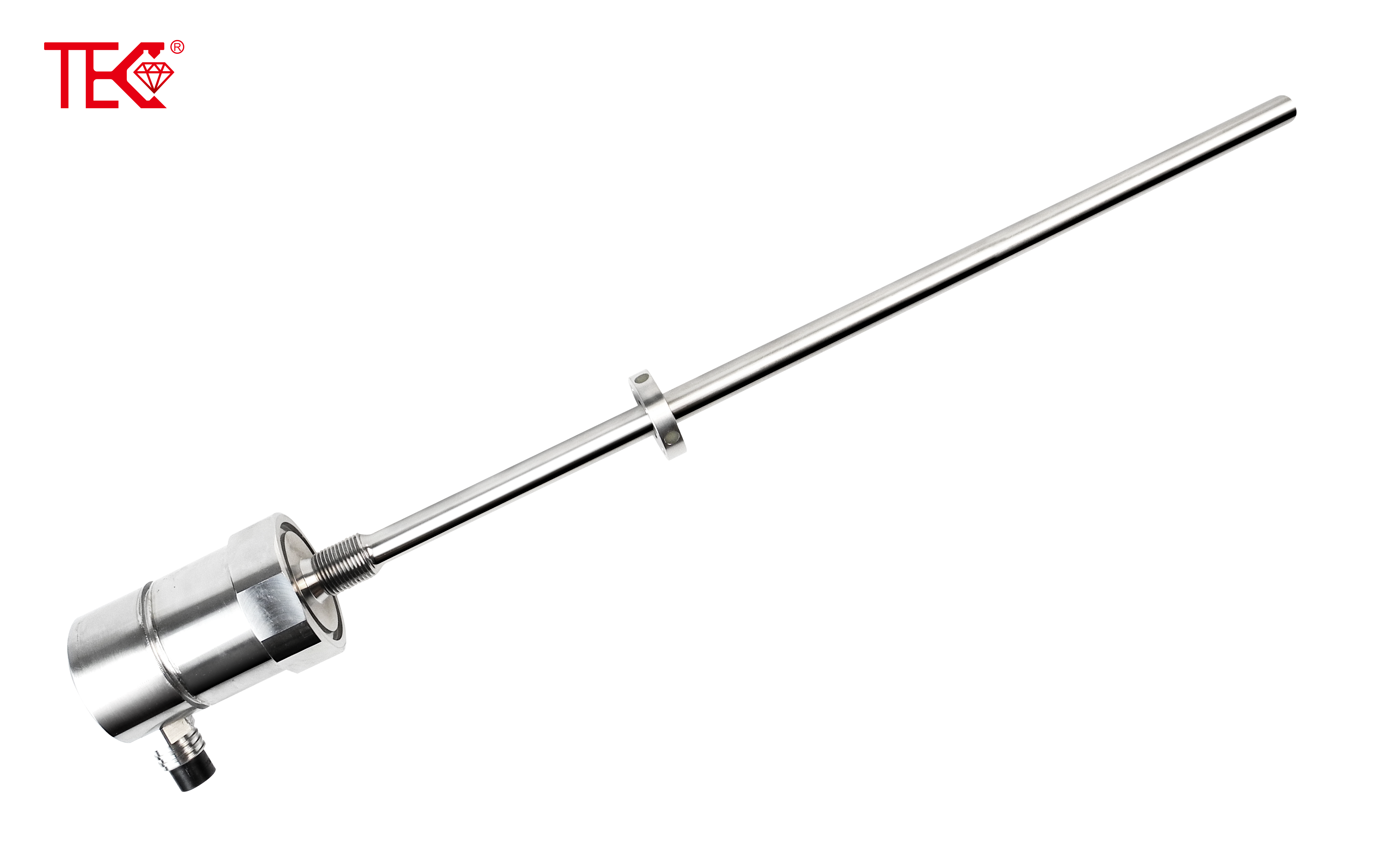
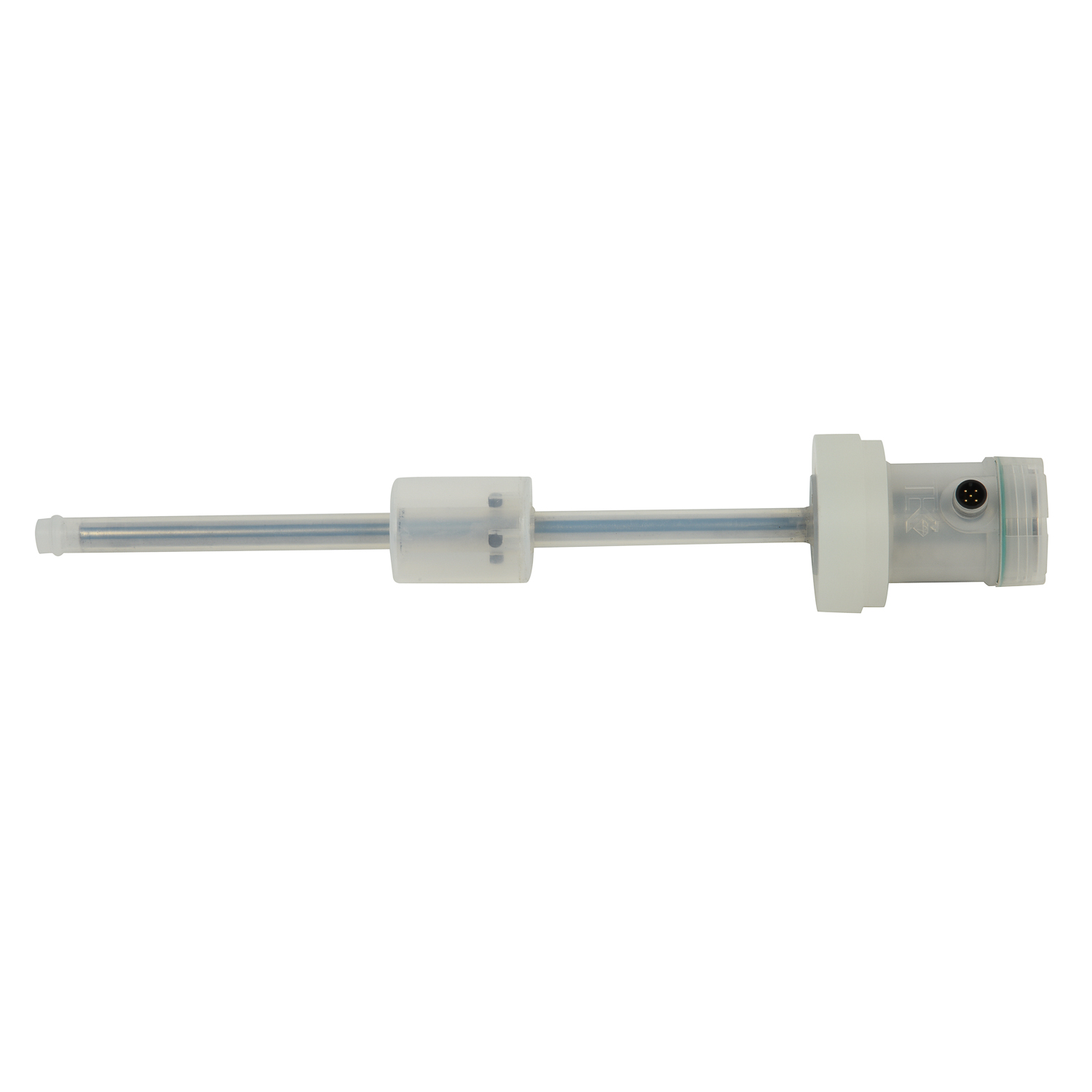 Injection Molding Die Casting
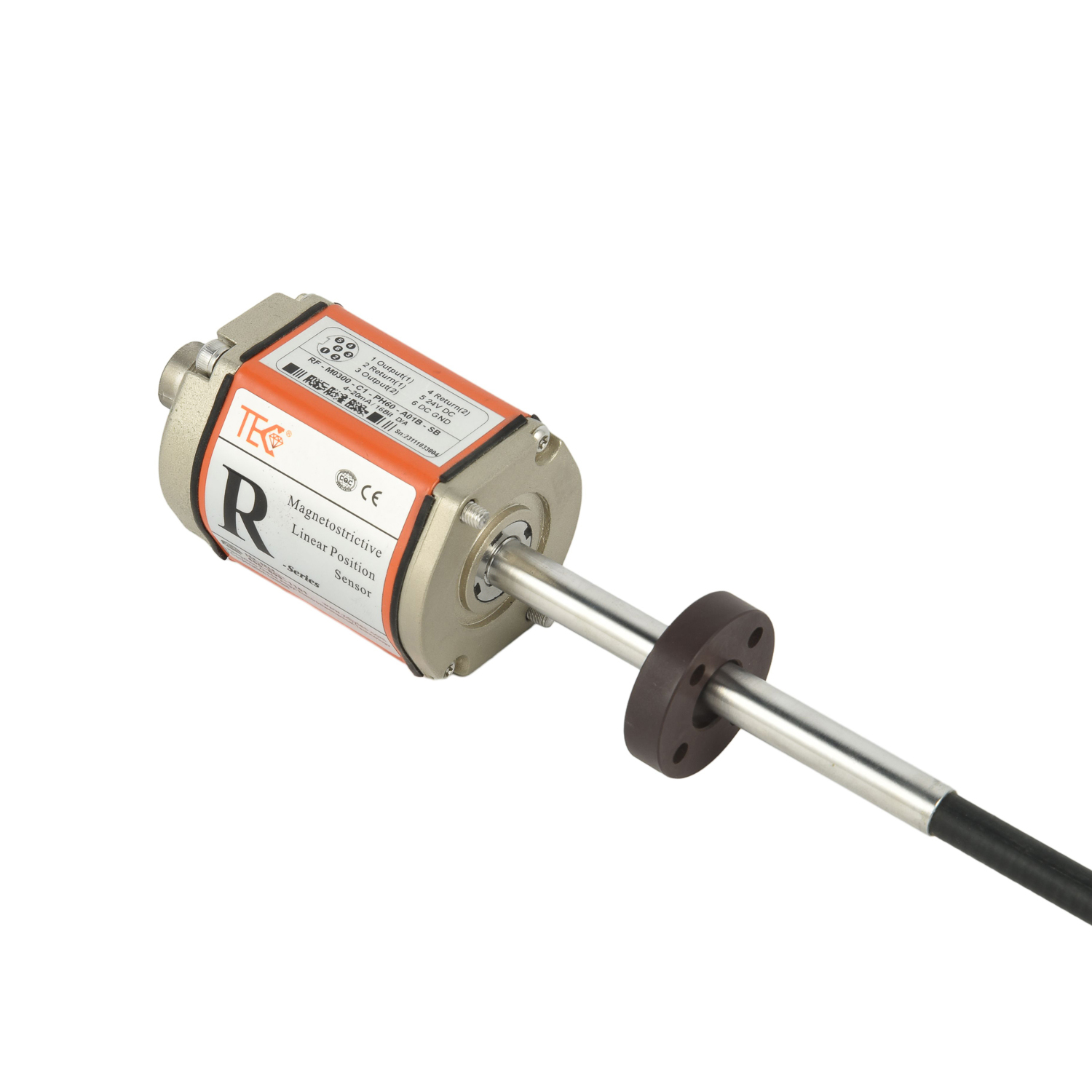 Construction Machinery Crane P
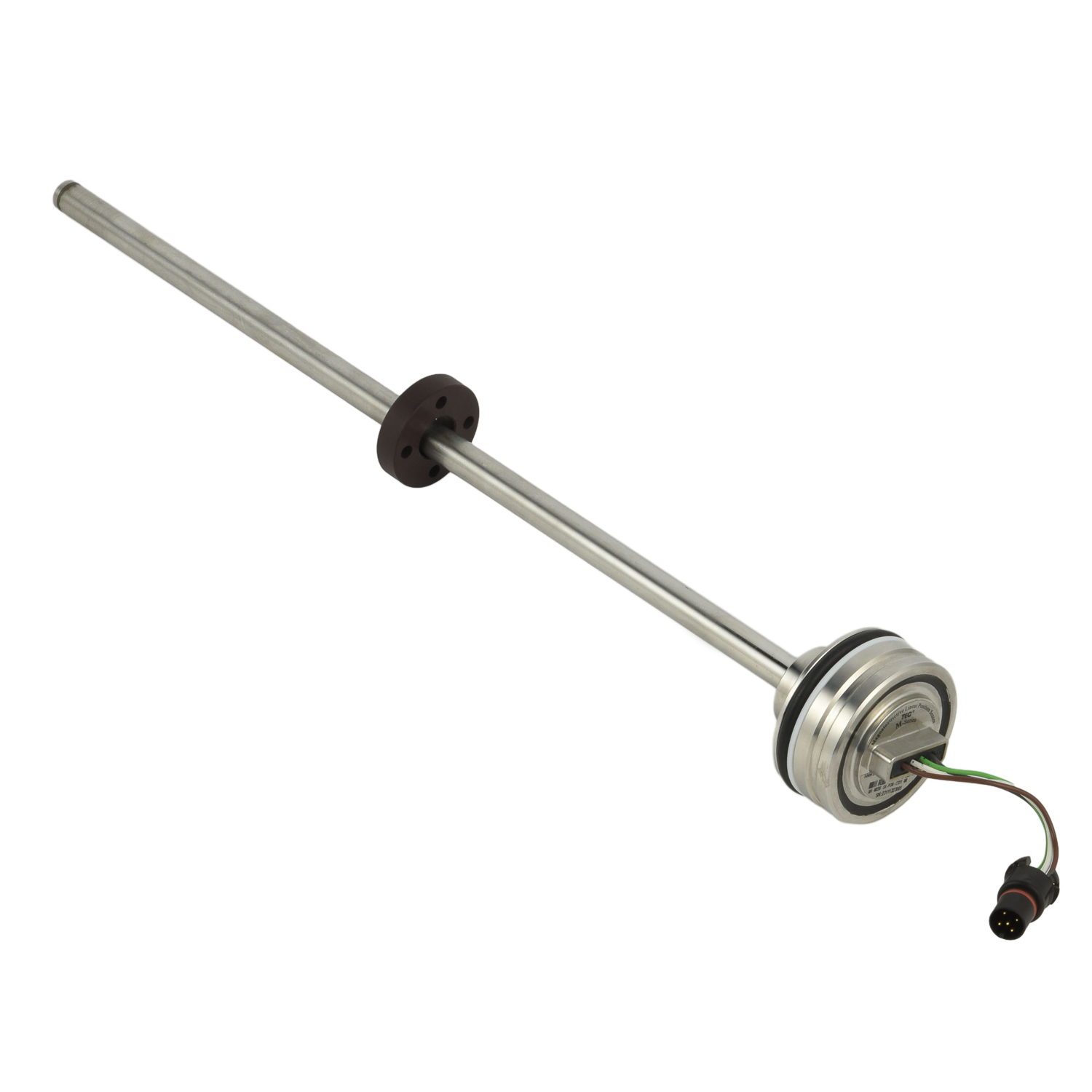 Power Plant Bridge Crane Non-c
 Port Stacker-reclaimer Intrins