
Radar Sensor for Construction Machinery
Radar sensors are becoming essential for construction machinery because they deliver reliable object detection when cameras and LiDAR struggle. On excavators, wheel loaders, cranes, and dozers, radar supports collision avoidance, blind spot monitoring, and safer movement in crowded jobsites. Unlike optical sensors, radar works in dust, fog, rain, glare, and low light. It measures distance and relative speed, helping machines stop or alert operators before contact. Rugged units with sealed housings, wide temperature ratings, and vibration resistance suit harsh construction environments. CAN bus and Ethernet outputs simplify integration with machine controllers, displays, and telematics. Radar can also assist grade control, autonomous functions, and proximity warnings around swing zones and haul routes. To choose the right sensor, consider detection range, field of view, update rate, environmental rating, and mounting position. Proper calibration reduces false alarms from ground clutter and moving debris. Combining radar with cameras creates robust sensing for safety and productivity. As jobsites become more automated, radar sensors for construction machinery will play a key role in protecting people, equipment, and schedules. Frequency-modulated continuous wave radar provides accurate range and speed data, while advanced filtering ignores dust and debris. A single sensor can cover multiple zones, and rugged connectors protect against water, mud, and vibration. Early tests aid.
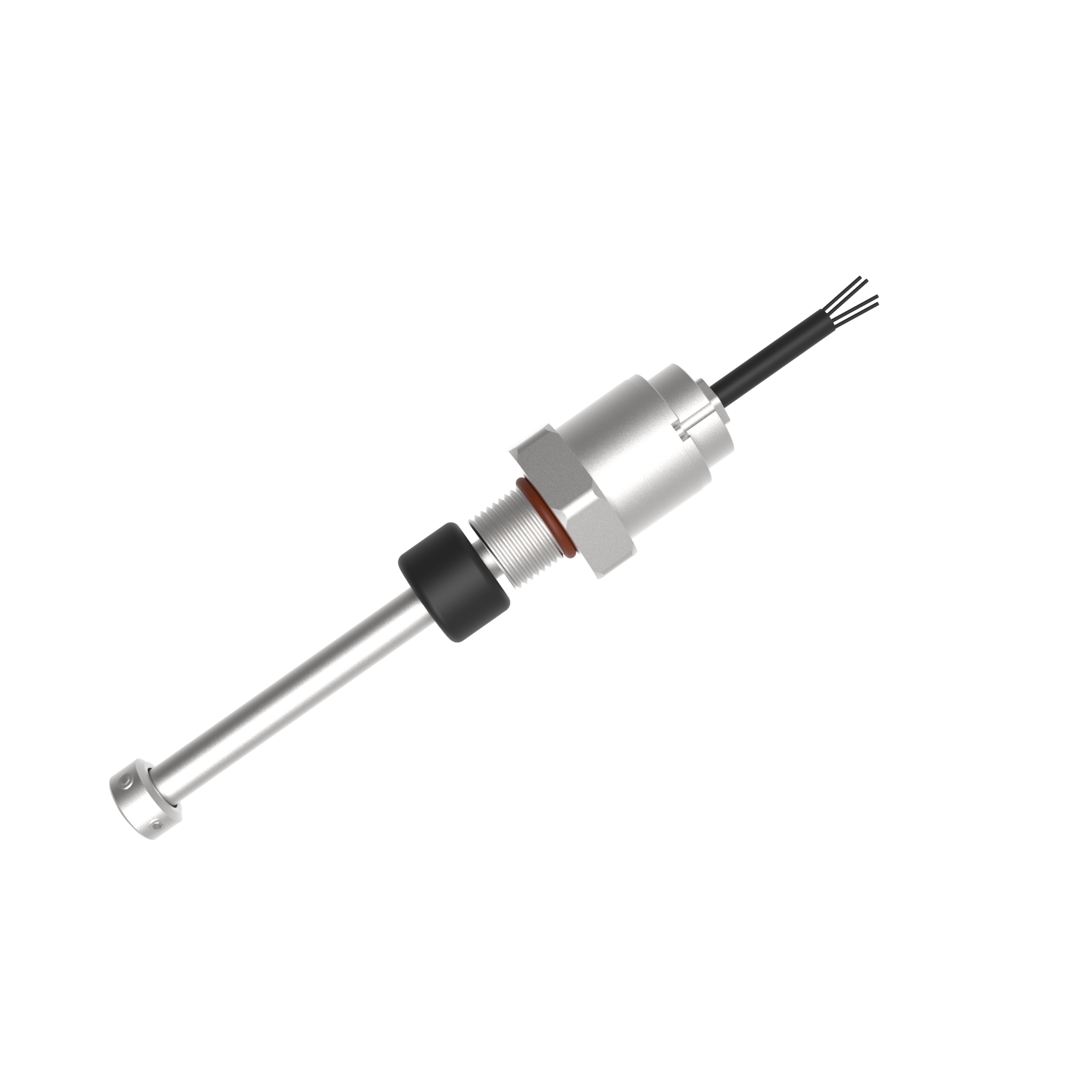
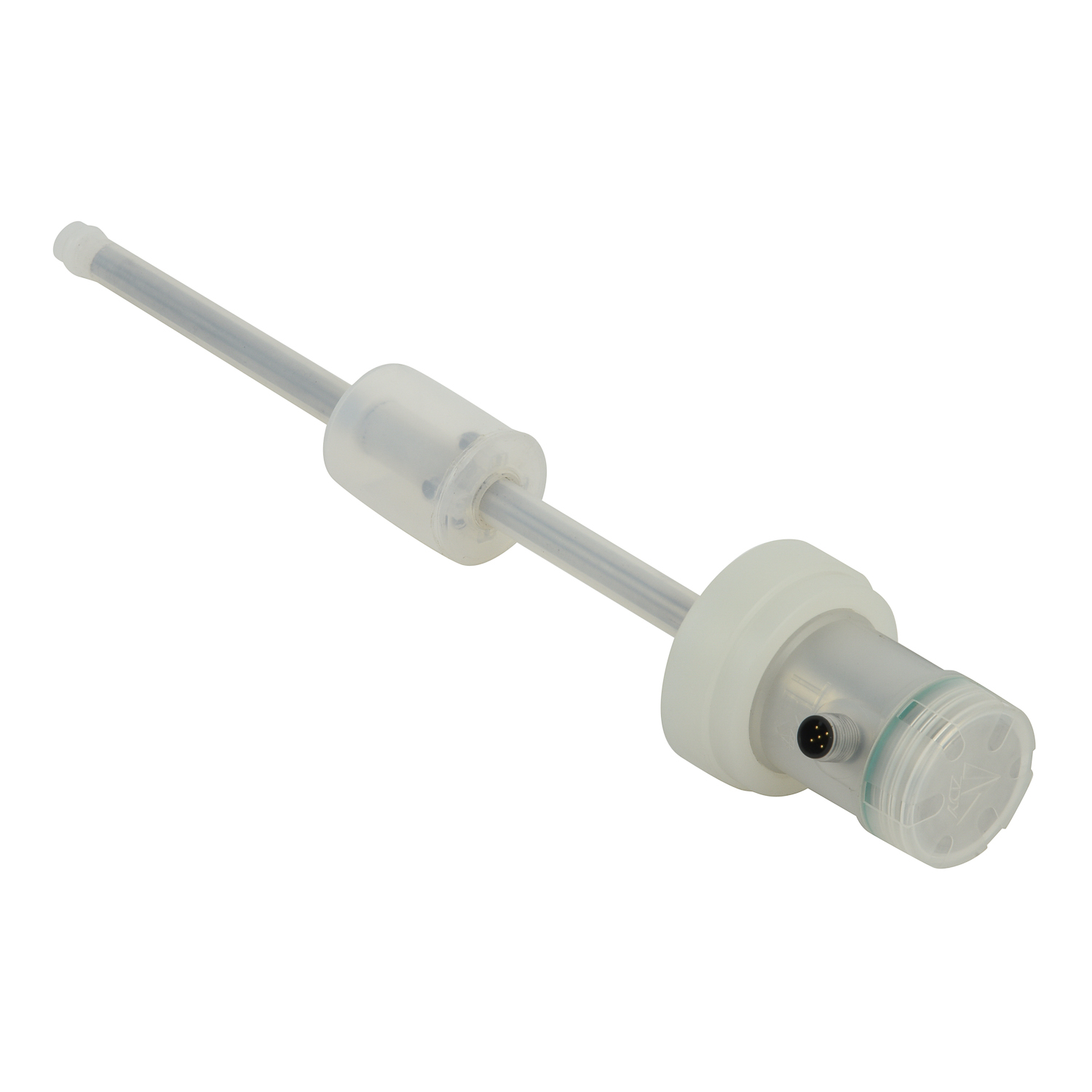 Radar Sensor for Material Tank
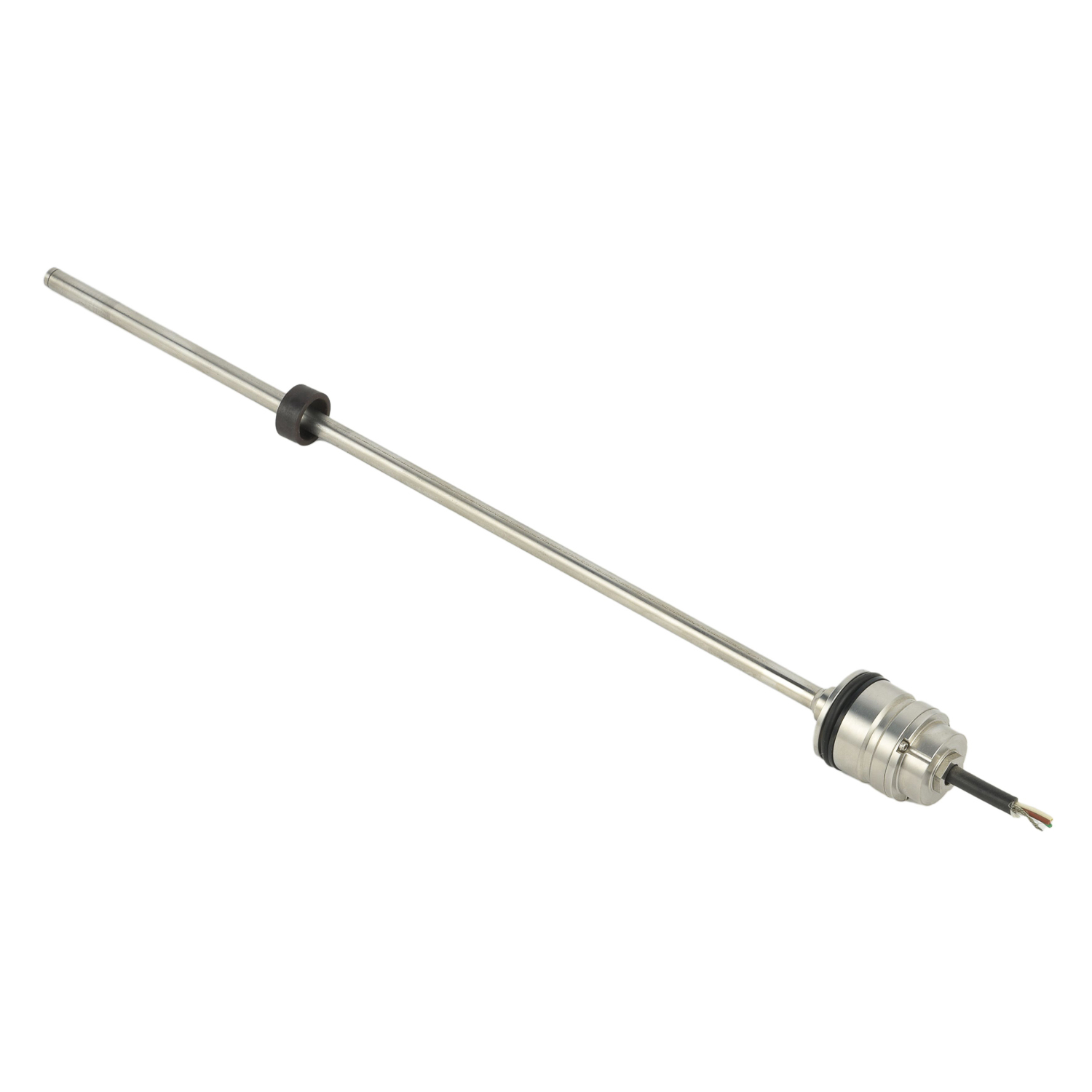 Radar Sensor for Grain and Oil
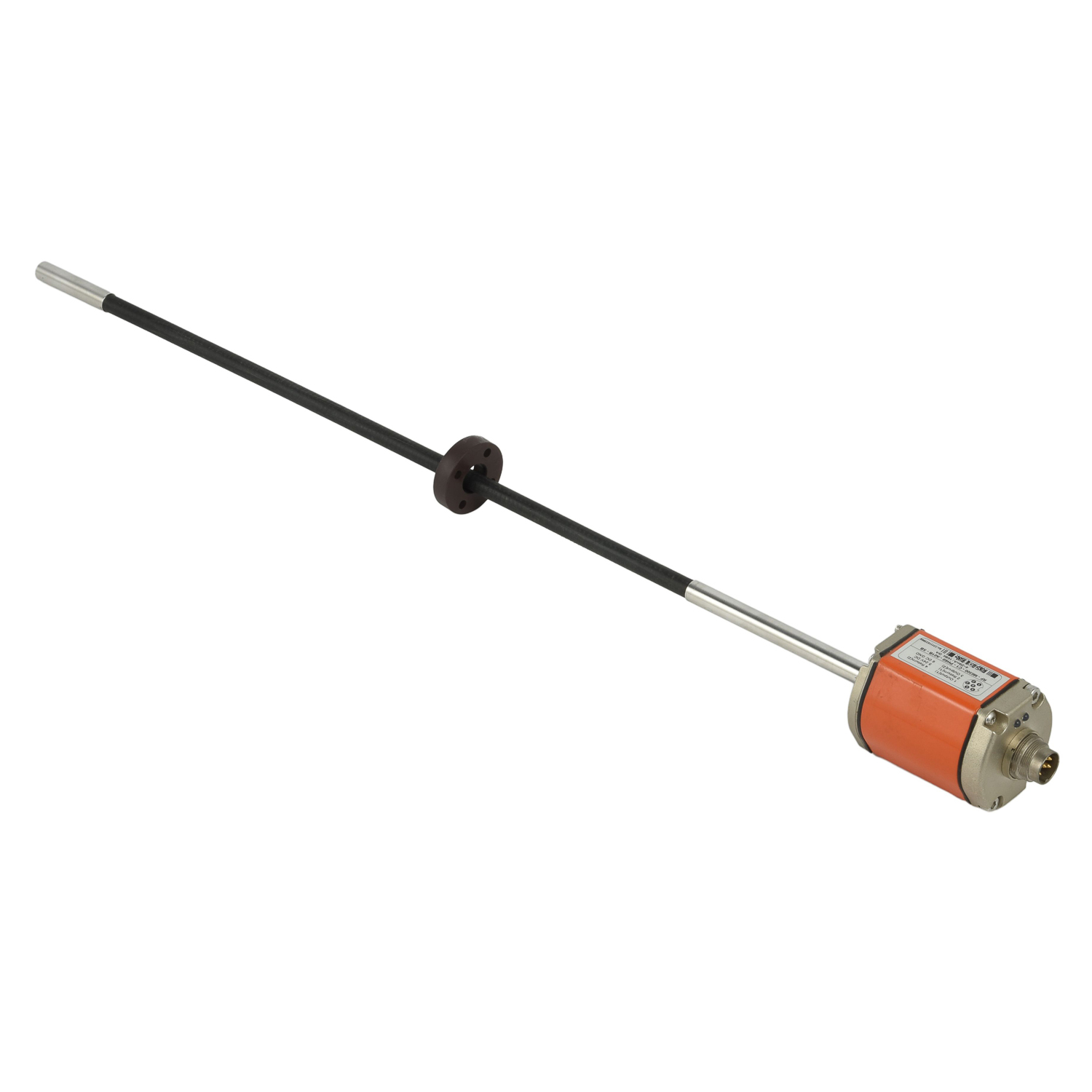 Radar Sensor for Mixing Statio
 Radar Sensor for Shield Tunnel