
Radar Sensor for Material Tanks
Radar sensors provide reliable, non-contact level measurement for material tanks in challenging industrial environments. Unlike mechanical floats or pressure devices, a radar sensor sends a high-frequency signal to the material surface and measures the echo travel time. This makes it suitable for liquids, powders, granules, and slurry, even when dust, vapor, or buildup are present. Non-contact operation reduces wear, maintenance, and contamination risk.
For material tanks, radar sensors support continuous monitoring and accurate inventory control. They can be mounted on silos, process vessels, storage tanks, and mixing tanks. The measurement is largely unaffected by temperature, pressure, or dielectric changes when the sensor is correctly selected. Narrow beam options help avoid false echoes from tank walls, agitators, and internal structures, while advanced signal processing improves stability in turbulent or foaming conditions.
Proper installation is essential. Keep the radar beam clear of obstructions, avoid mounting too close to the inlet, and confirm the tank geometry and material properties before commissioning. For extreme conditions, choose the right antenna material, frequency, and protection rating. With regular verification and smart diagnostics, radar sensors deliver long-term accuracy, safer operations, and better material management for modern tank systems. This supports efficient planning, reduces downtime, and helps prevent overfills or shortages.
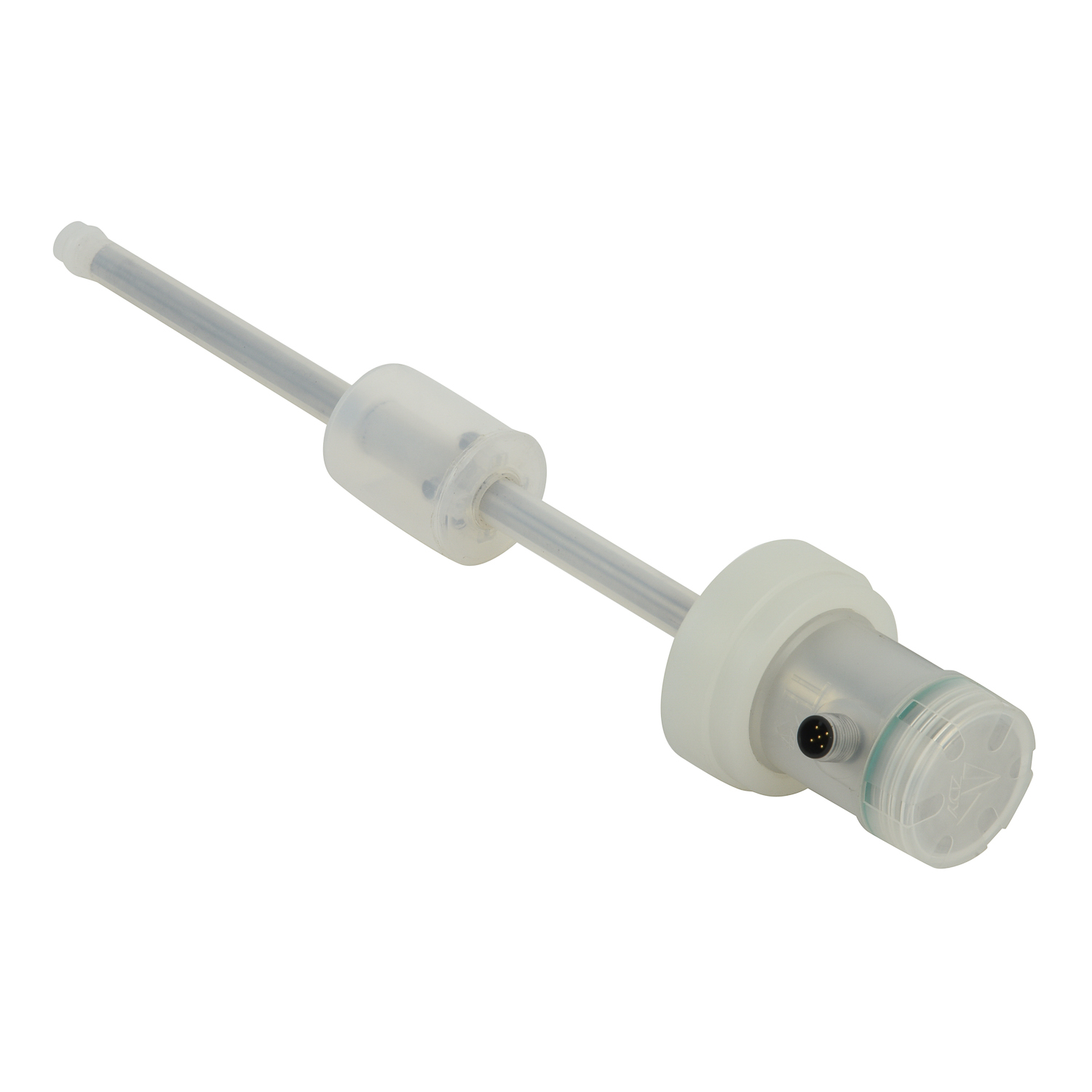 Radar Sensor for Material Tank
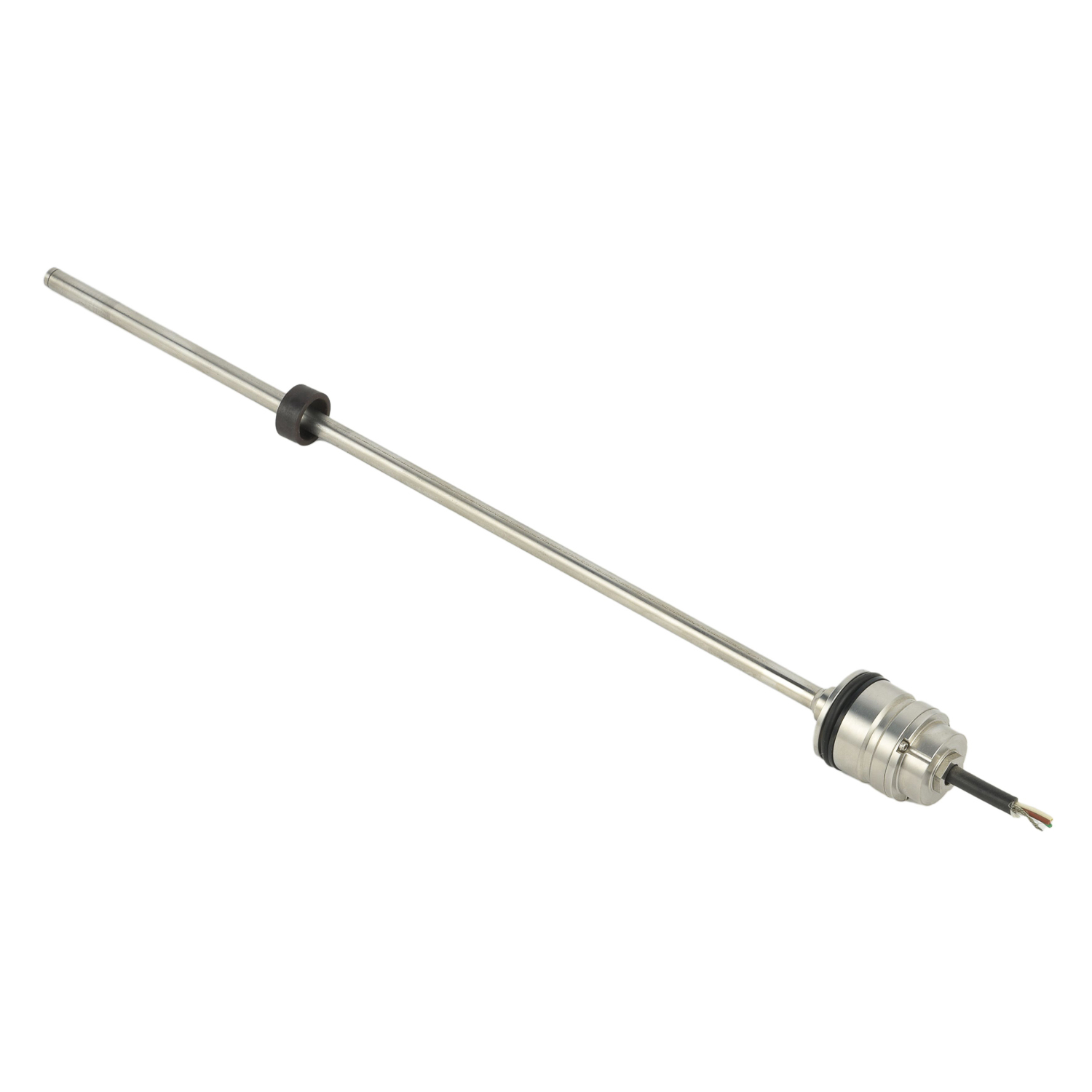 Radar Sensor for Grain and Oil
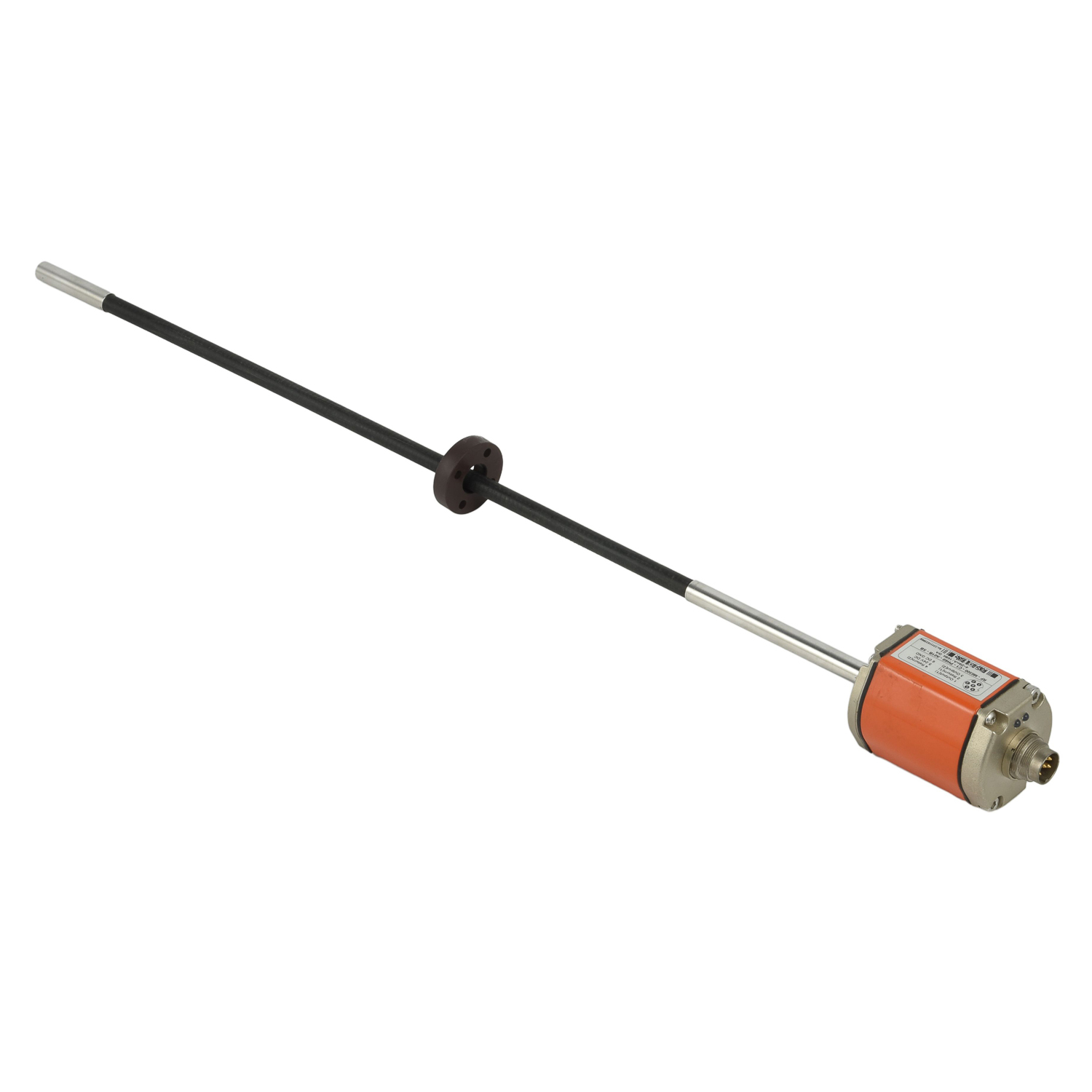 Radar Sensor for Mixing Statio
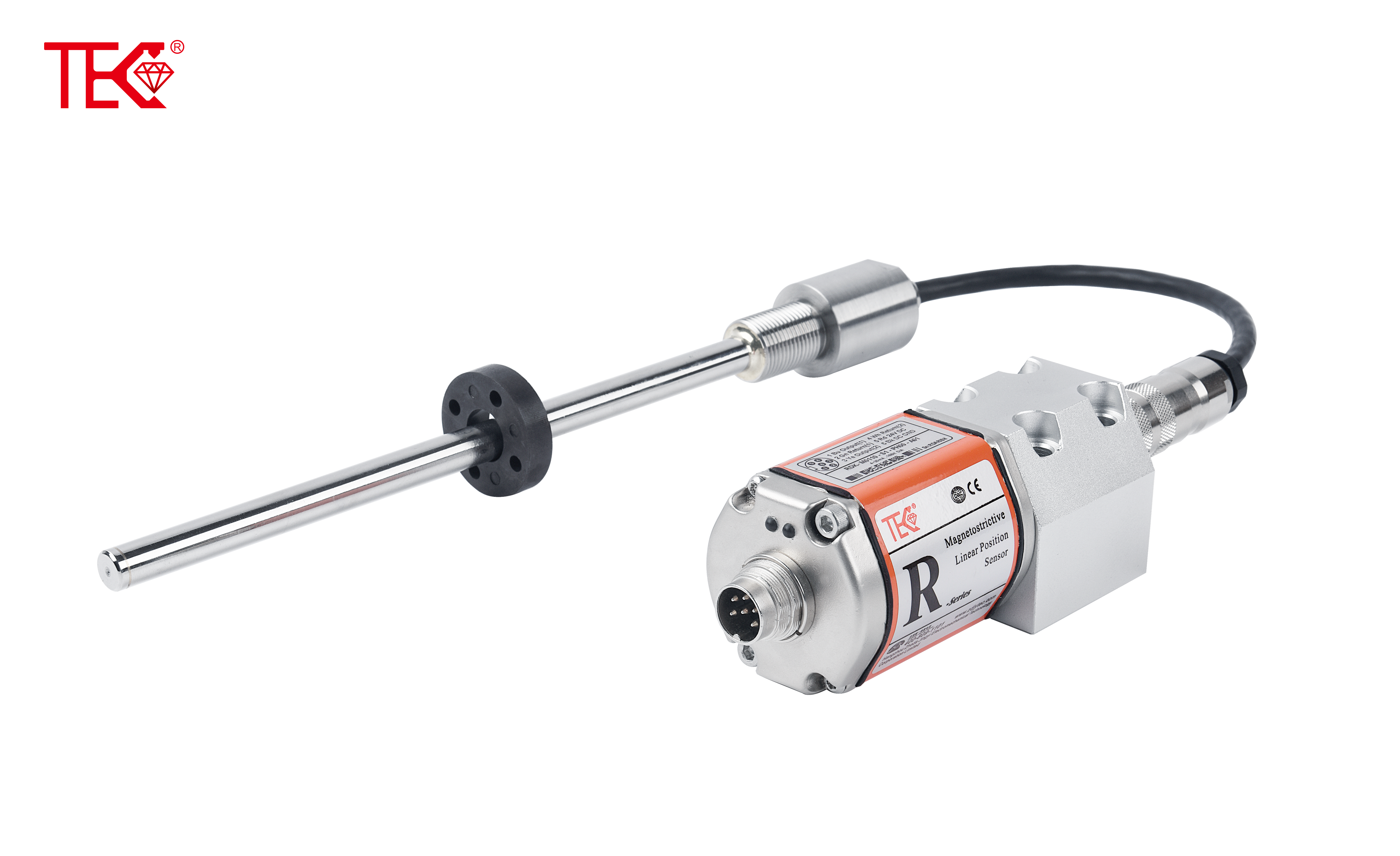 Radar Sensor for Shield Tunnel