
Radar Sensor for Grain and Oil Storage Tanks
Radar sensors are transforming how grain and oil storage tanks are monitored. Unlike mechanical floats or pressure devices, a radar sensor measures product level without touching the contents. It sends a high-frequency signal downward and calculates distance from the reflected echo. This non-contact method reduces contamination, wear, and maintenance, making it ideal for dusty grain silos and viscous oil tanks.
Modern radar sensors deliver reliable readings even in challenging conditions. Frequency-modulated continuous wave (FMCW) technology provides high accuracy and a narrow beam, which helps avoid false echoes from tank walls, agitators, or filling streams. For grain storage, radar can track uneven surfaces and dust clouds; for edible or industrial oil, it handles vapor, foam, and temperature changes. Hygienic or explosion-proof models are available for safe operation.
Installation is simple: mount the sensor on the tank roof, configure tank geometry, and connect it to a PLC or cloud dashboard. Operators gain real-time inventory data, early overflow warnings, and better stock control. By choosing the right antenna, range, and certification, facilities can improve safety, reduce manual dipping, and optimize logistics. Radar level measurement is a smart upgrade for modern grain and oil storage. Choose the right range, beam angle, process connection, and output protocol. Remote diagnostics and occasional cleaning keep systems running with minimal downtime, for reliable use.
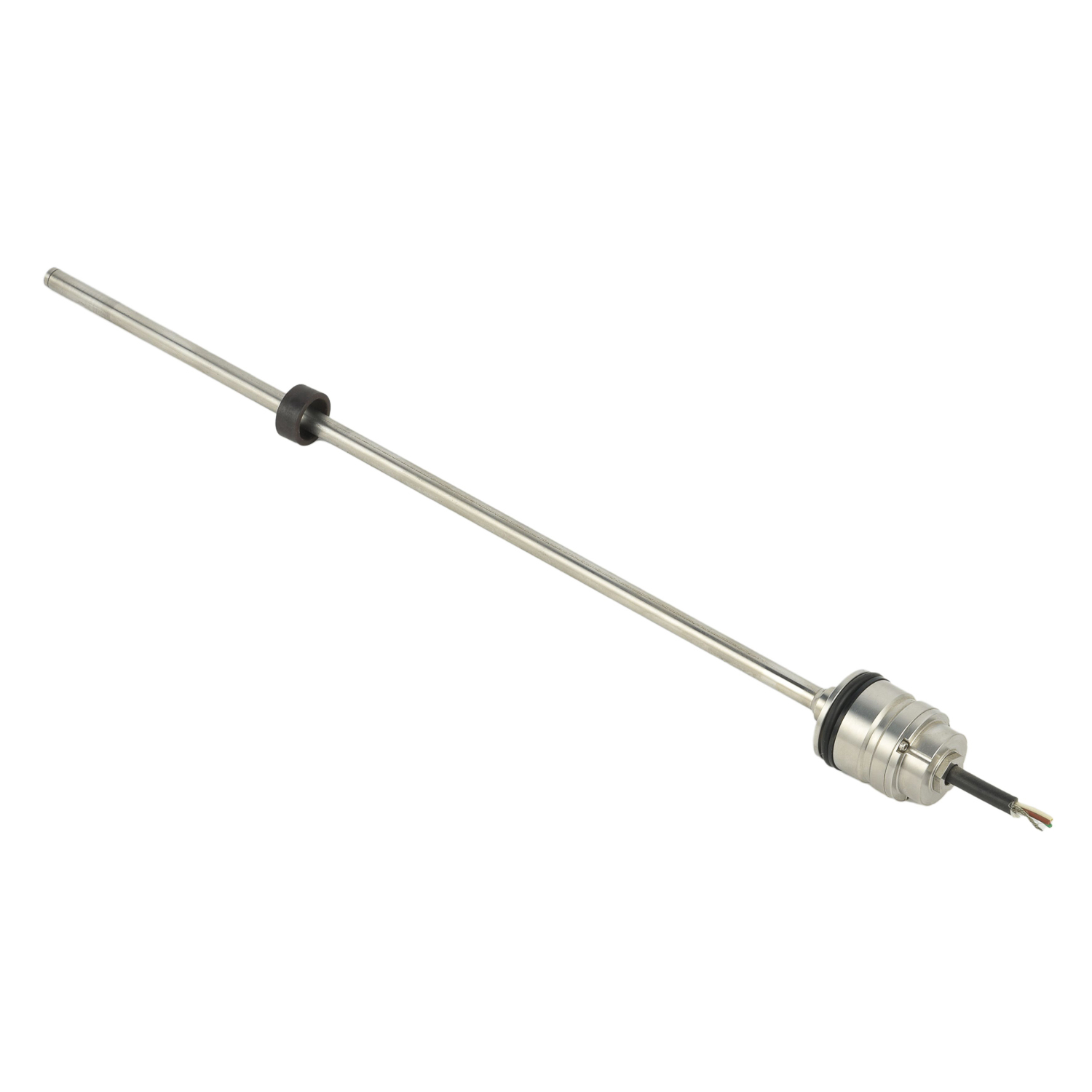
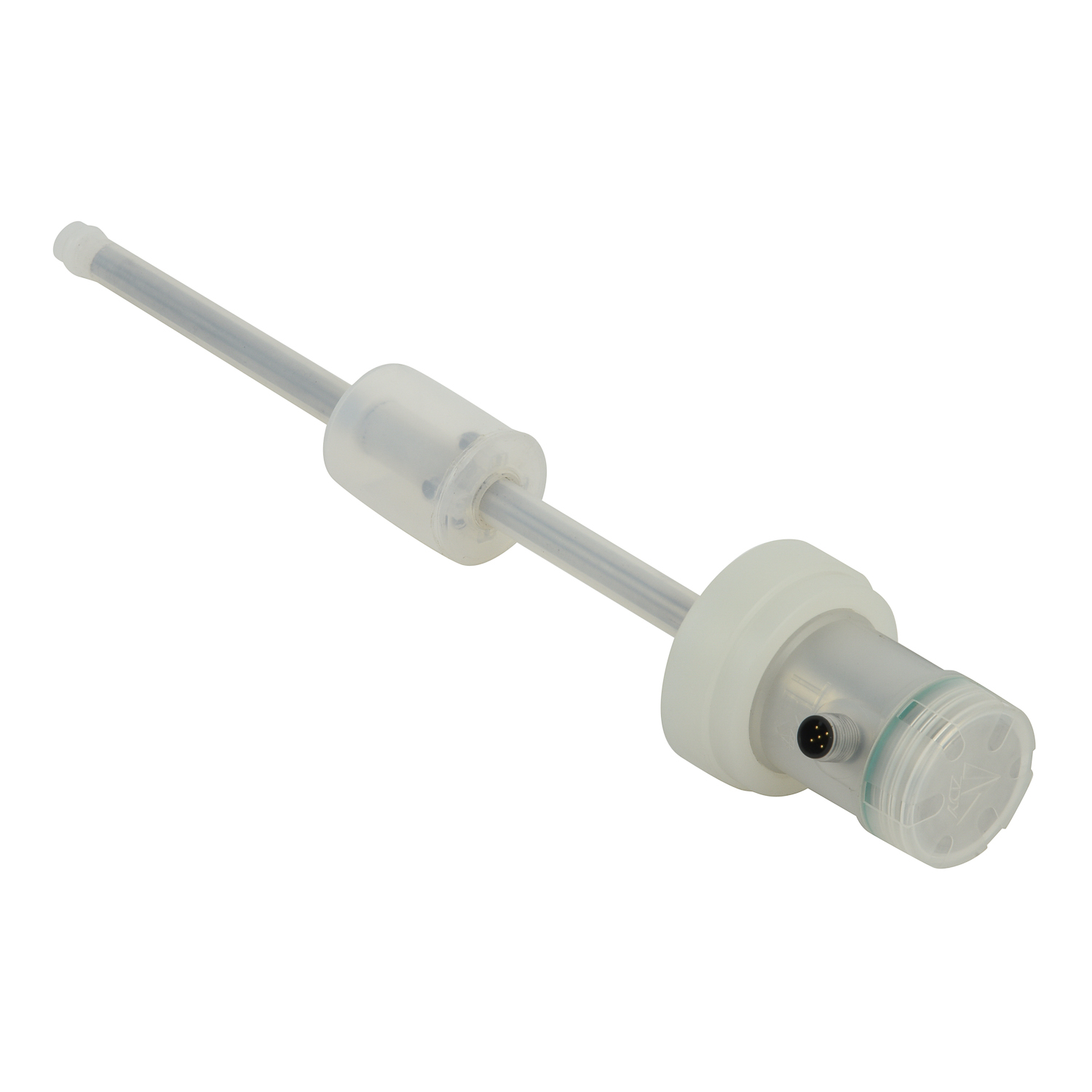 Radar Sensor for Material Tank
Radar Sensor for Grain and Oil
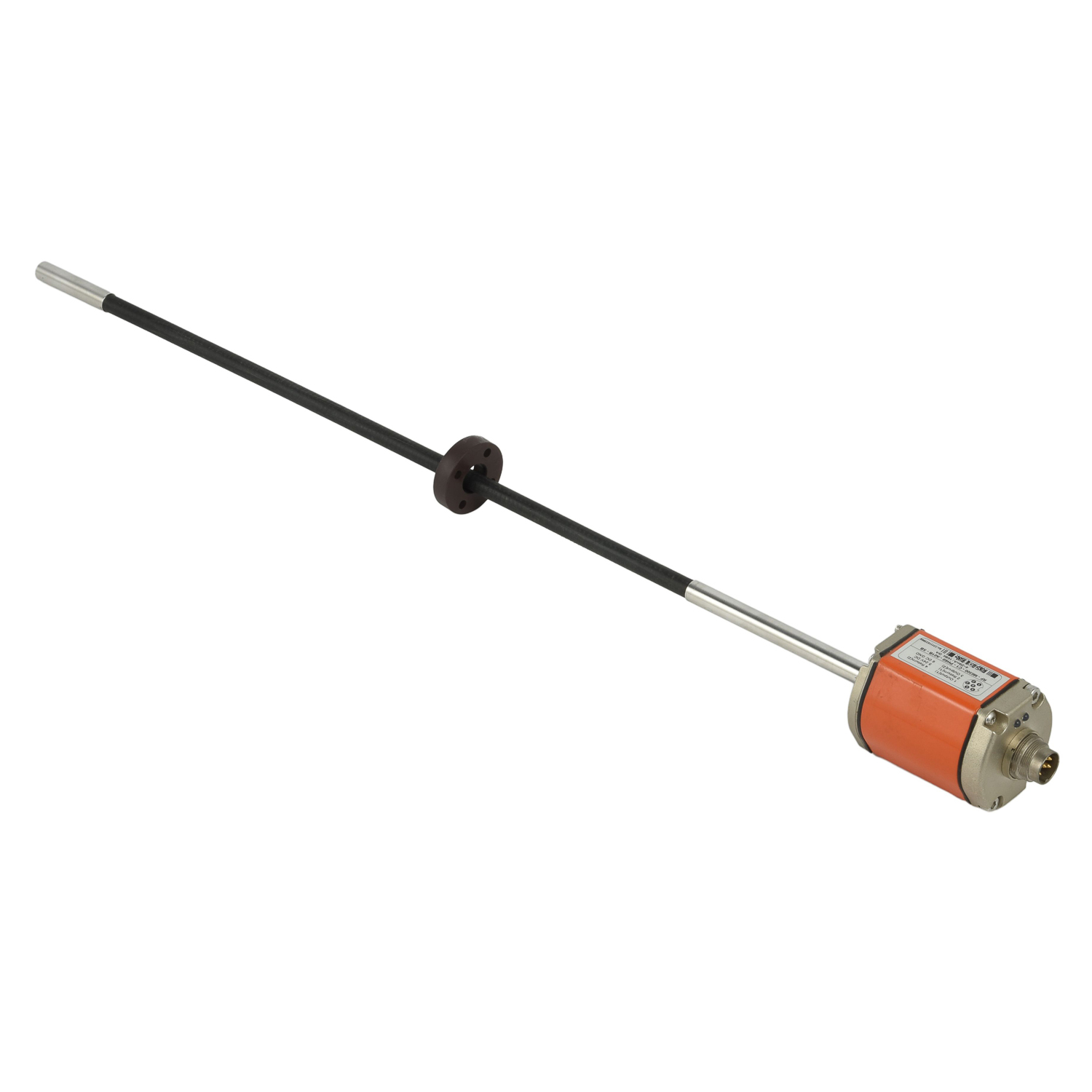 Radar Sensor for Mixing Statio
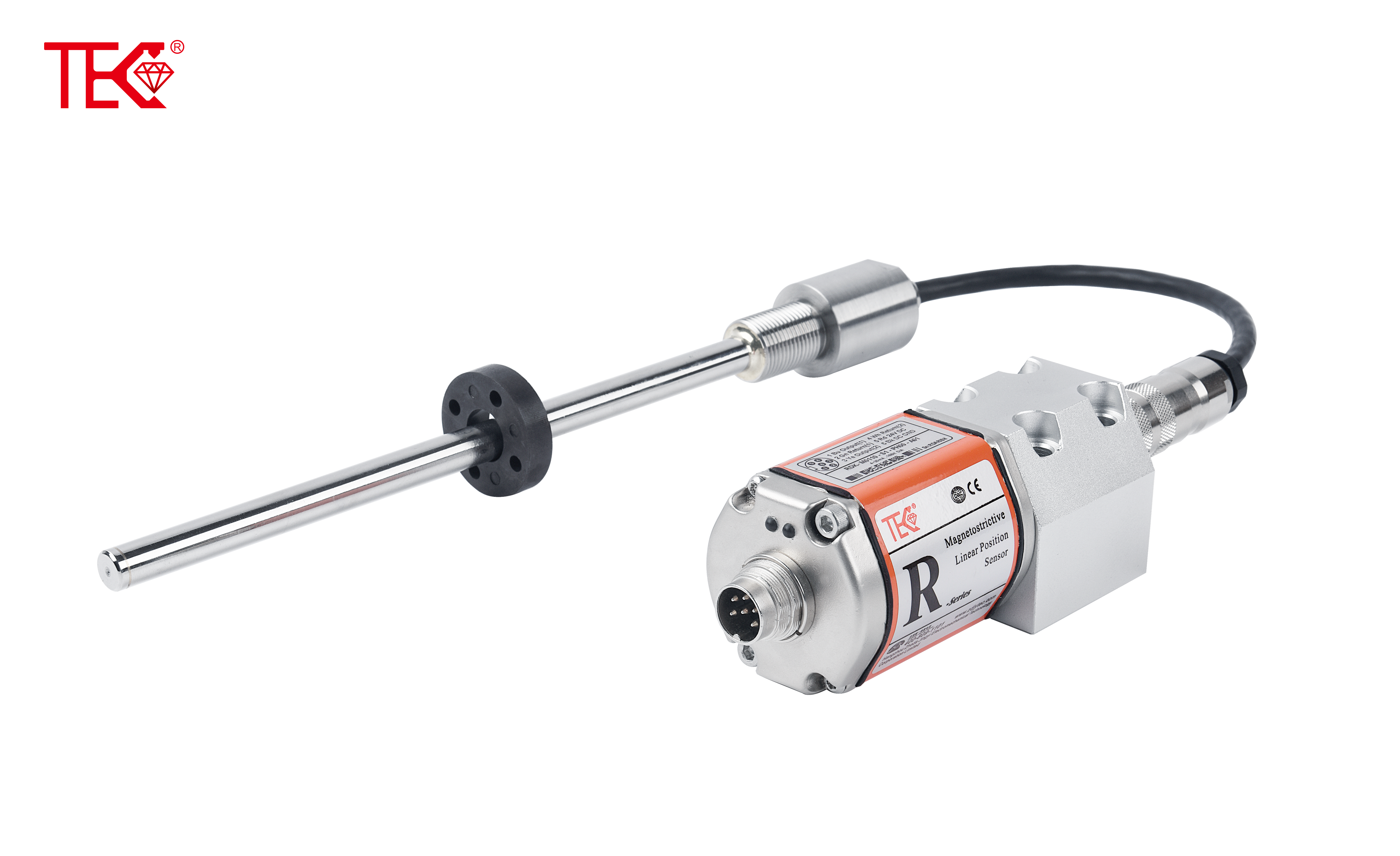 Radar Sensor for Shield Tunnel