
Radar Sensor for Shield Tunneling
Radar sensors are becoming essential tools for shield tunneling, where unexpected geology can slow progress, damage equipment, and endanger crews. Mounted on or near the tunnel boring machine (TBM), they use high-frequency electromagnetic waves to scan ahead of the cutterhead and around the shield. Unlike drilling or seismic methods, radar offers fast, continuous, non-destructive detection of ground changes. In shield tunneling, radar sensors help identify rock interfaces, voids, fractured zones, water-bearing strata, and buried obstacles. Ground-penetrating radar (GPR) and FMCW designs provide real-time images and distance data, allowing operators to adjust thrust, torque, slurry pressure, and cutterhead speed before risks become costly problems. Reliable performance underground demands rugged, compact, and interference-resistant sensors. They must tolerate vibration, dust, moisture, high pressure, and electrical noise from TBM systems. Sealed housings, wide-temperature components, and robust signal processing are critical. Integration with TBM control and monitoring platforms turns radar data into actionable warnings, trend charts, and 3D geological maps. The benefits are clear: fewer stoppages, reduced cutter wear, lower risk of water inrush or surface settlement, and safer, more predictable tunneling. As tunnel projects grow deeper and more complex, radar sensing will play a key role in intelligent shield tunneling, combining real-time geological prediction with data-driven decision-making.
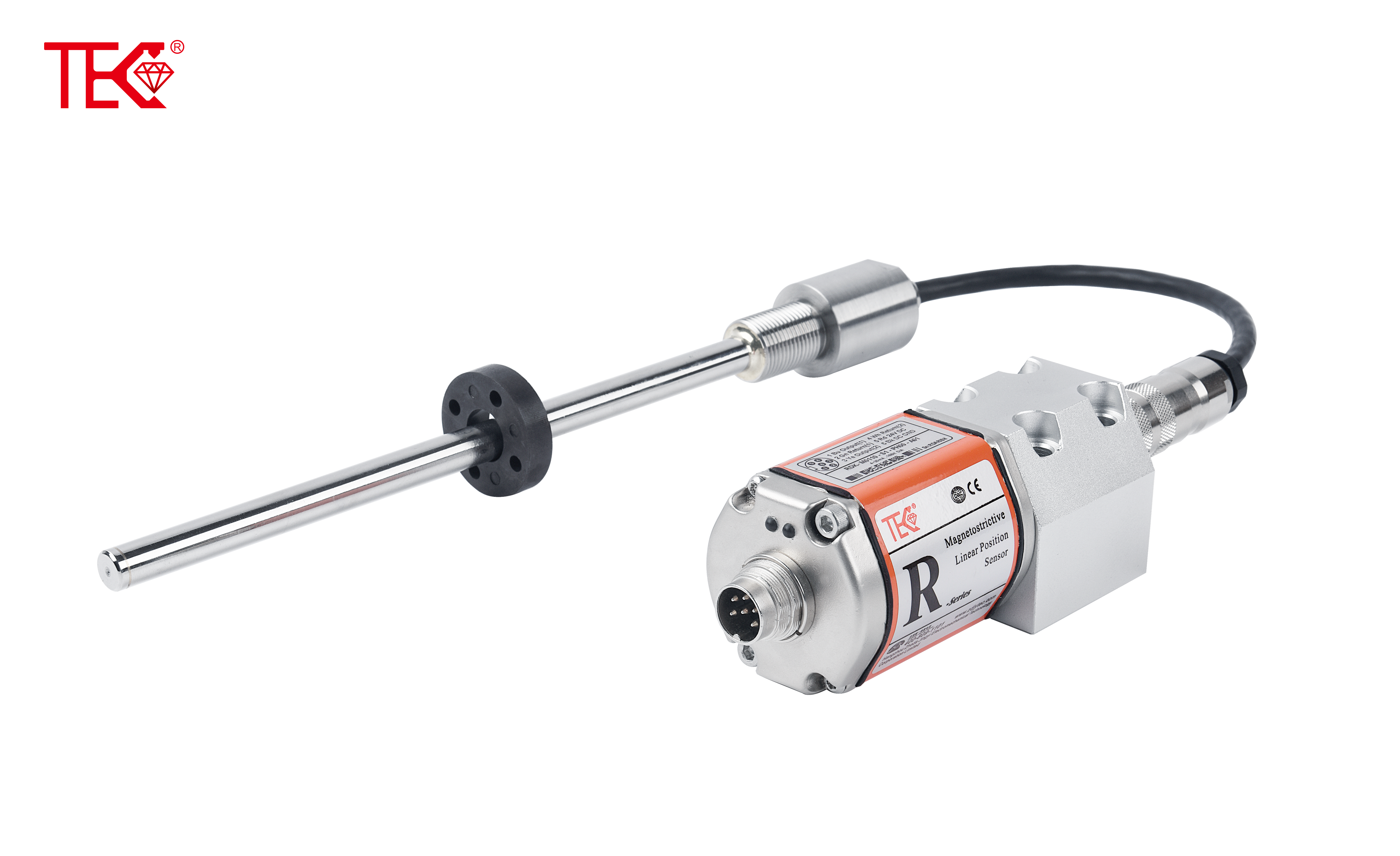
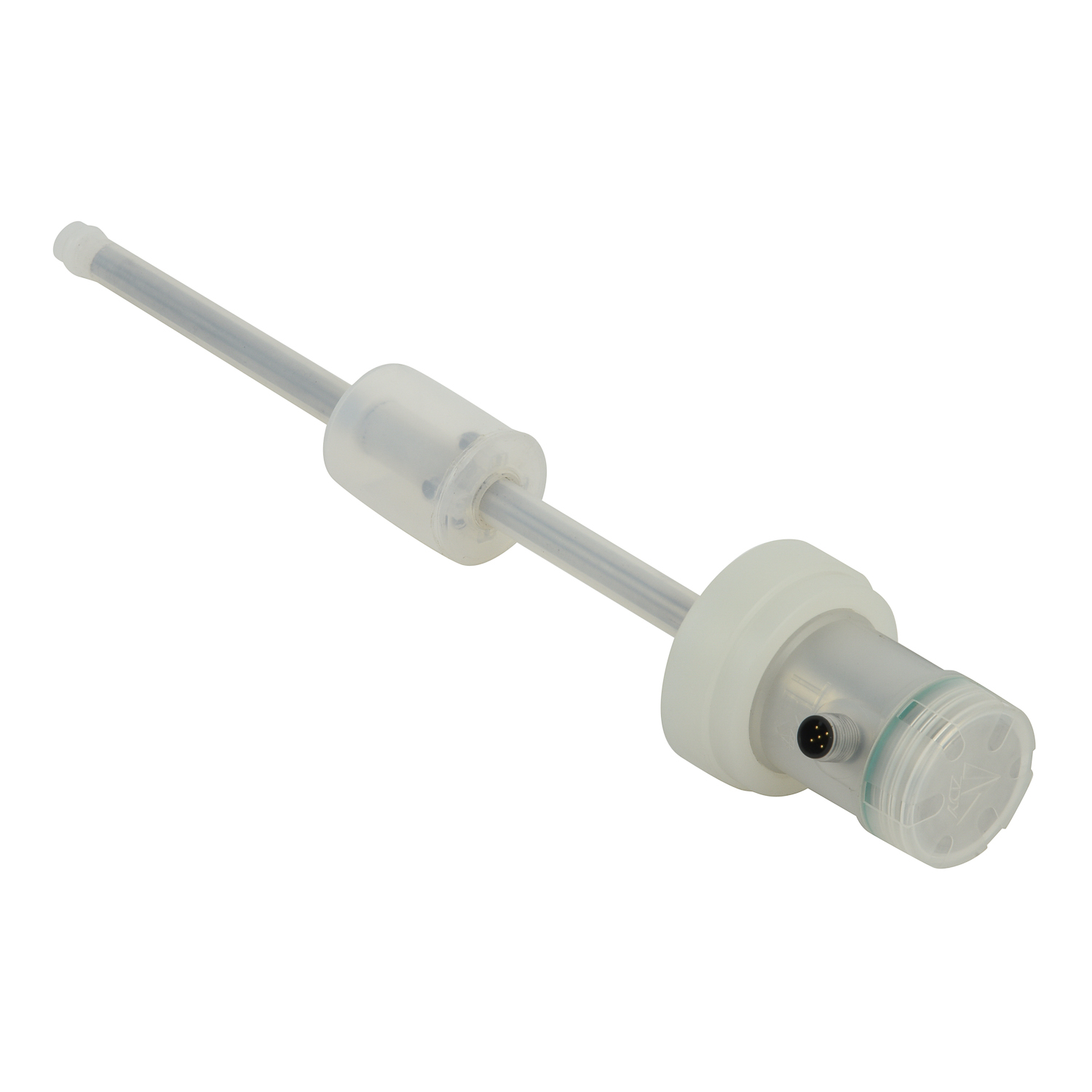 Radar Sensor for Material Tank
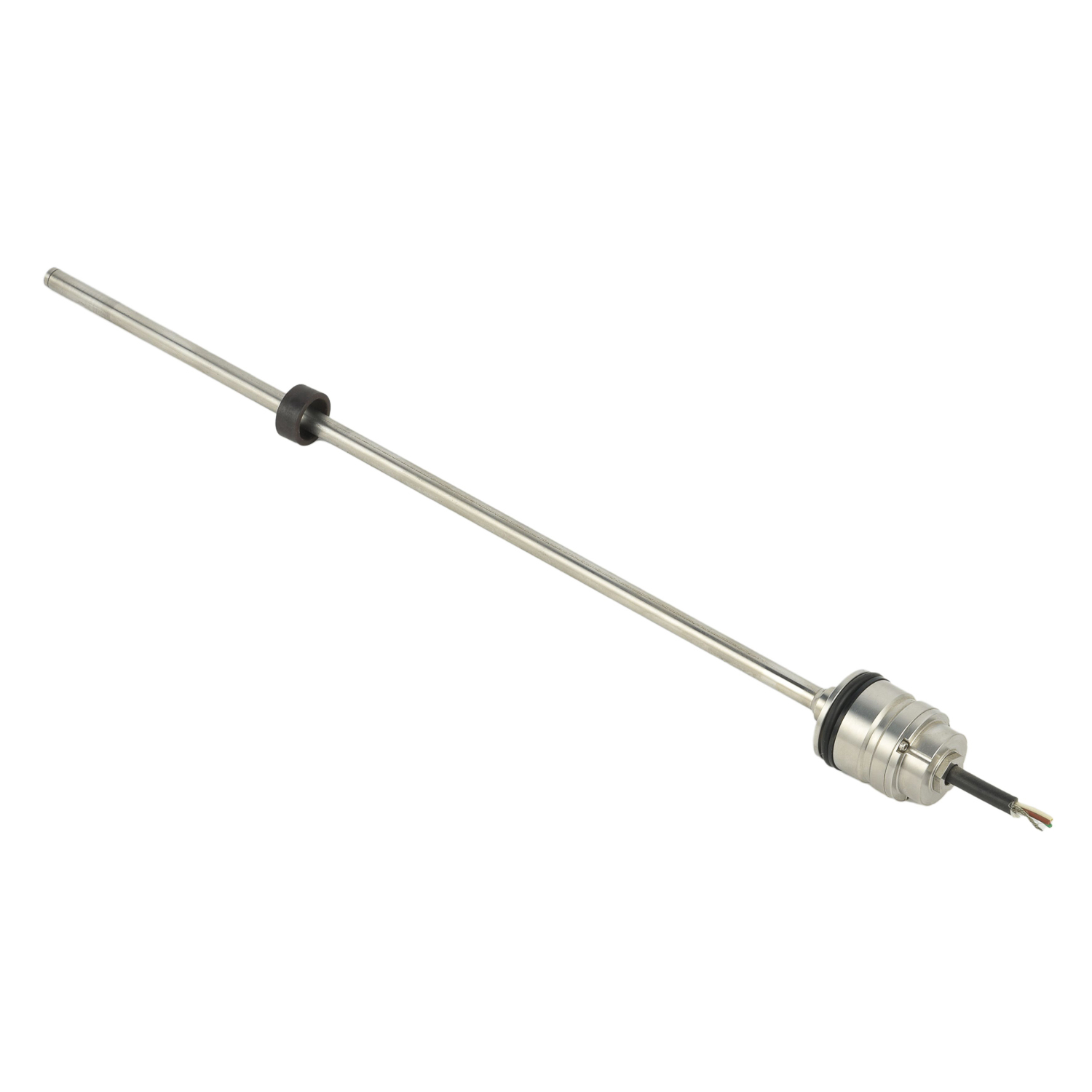 Radar Sensor for Grain and Oil
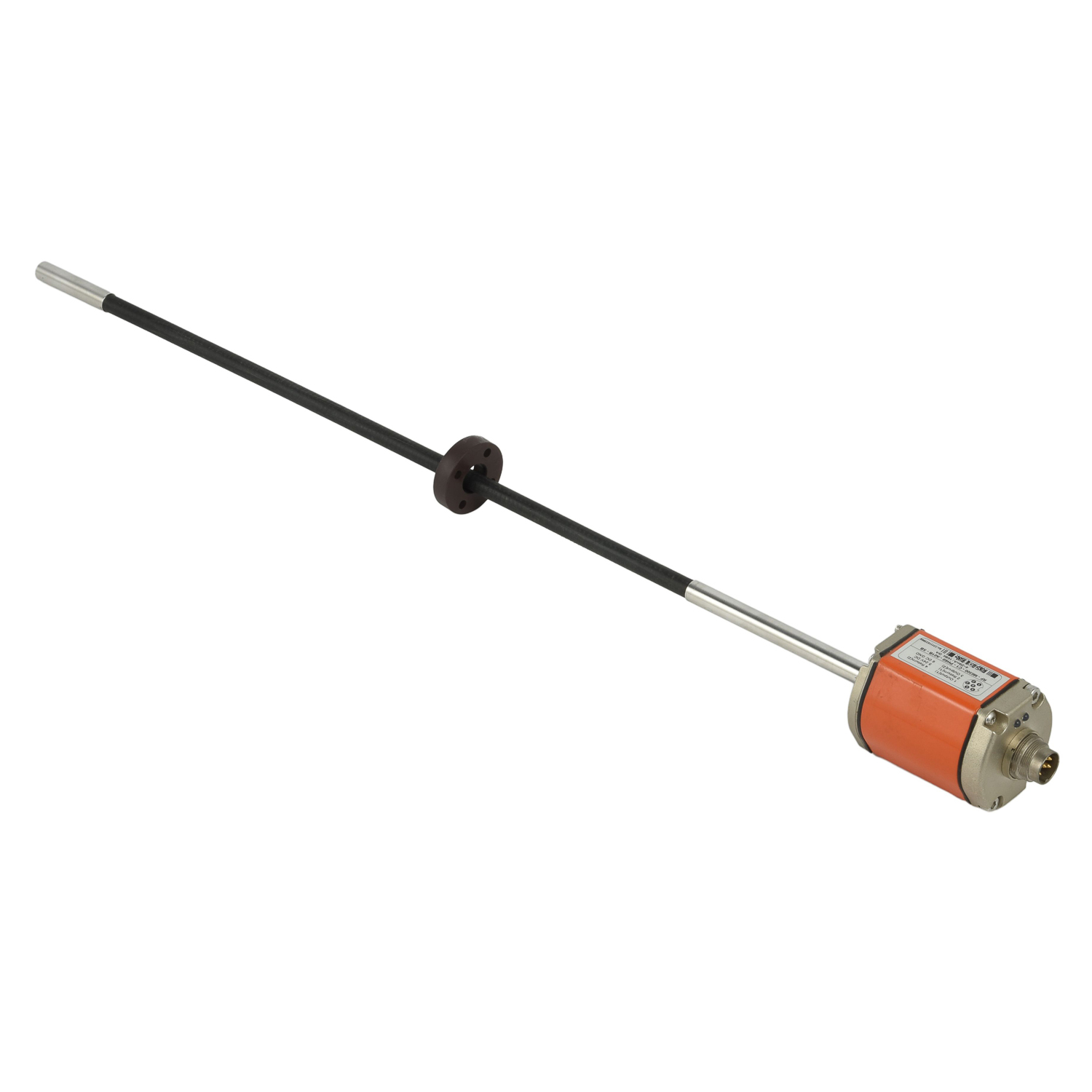 Radar Sensor for Mixing Statio
Radar Sensor for Shield Tunnel