
Radar Sensor for Injection Molding and Die Casting
Radar sensors are changing process monitoring in injection molding and die casting. Unlike optical or contact devices, millimeter-wave radar can measure material position and movement without touching the melt or damaging sensitive surfaces. This makes it suitable for hot, dusty, and high-cycle production environments where reliability matters.
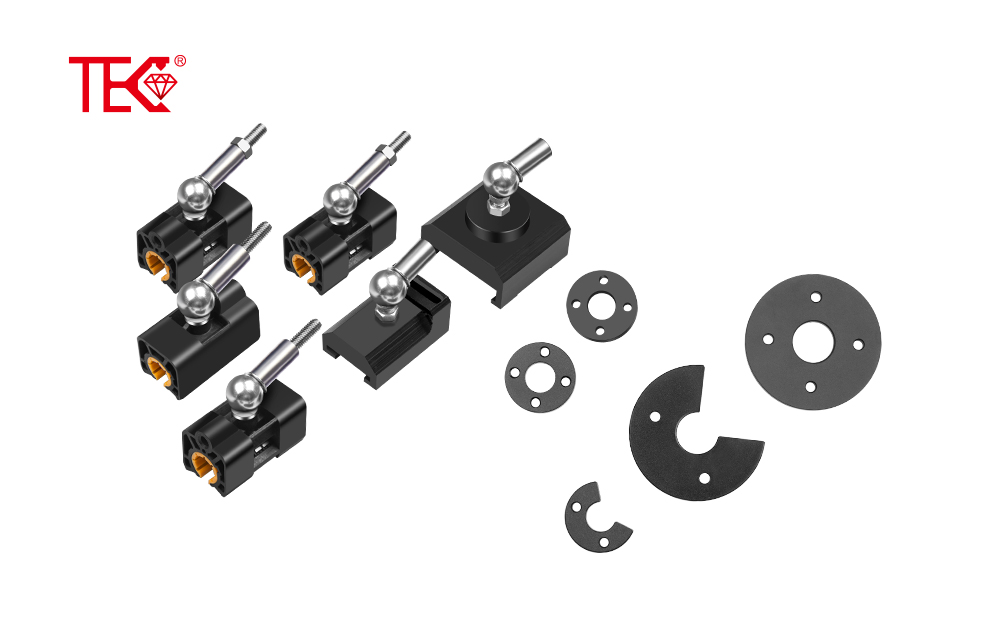
In injection molding, radar sensors can help track melt front progress, screw position, and mold filling. The sensor sends a high-frequency signal and analyzes the reflection from the material surface. Because the measurement is non-contact, it reduces wear and avoids contamination. Real-time data supports stable shot control, short cycle times, and fewer rejects.
In die casting, radar sensors can monitor molten metal levels, shot progress, and die filling. They operate despite steam, smoke, and surface glare that may challenge cameras. Early detection of incomplete filling or unstable flow helps operators adjust parameters before defects grow. The result is better repeatability, safer operation, and higher equipment availability.
Radar sensors are not a simple drop-in replacement for every existing sensor. Successful integration requires correct mounting, shielding, and signal tuning for each machine and material. When applied with clear process goals, radar sensing offers a practical path to smarter, non-contact monitoring in high-temperature manufacturing. It also supports condition monitoring, reduces downtime, and improves uptime.
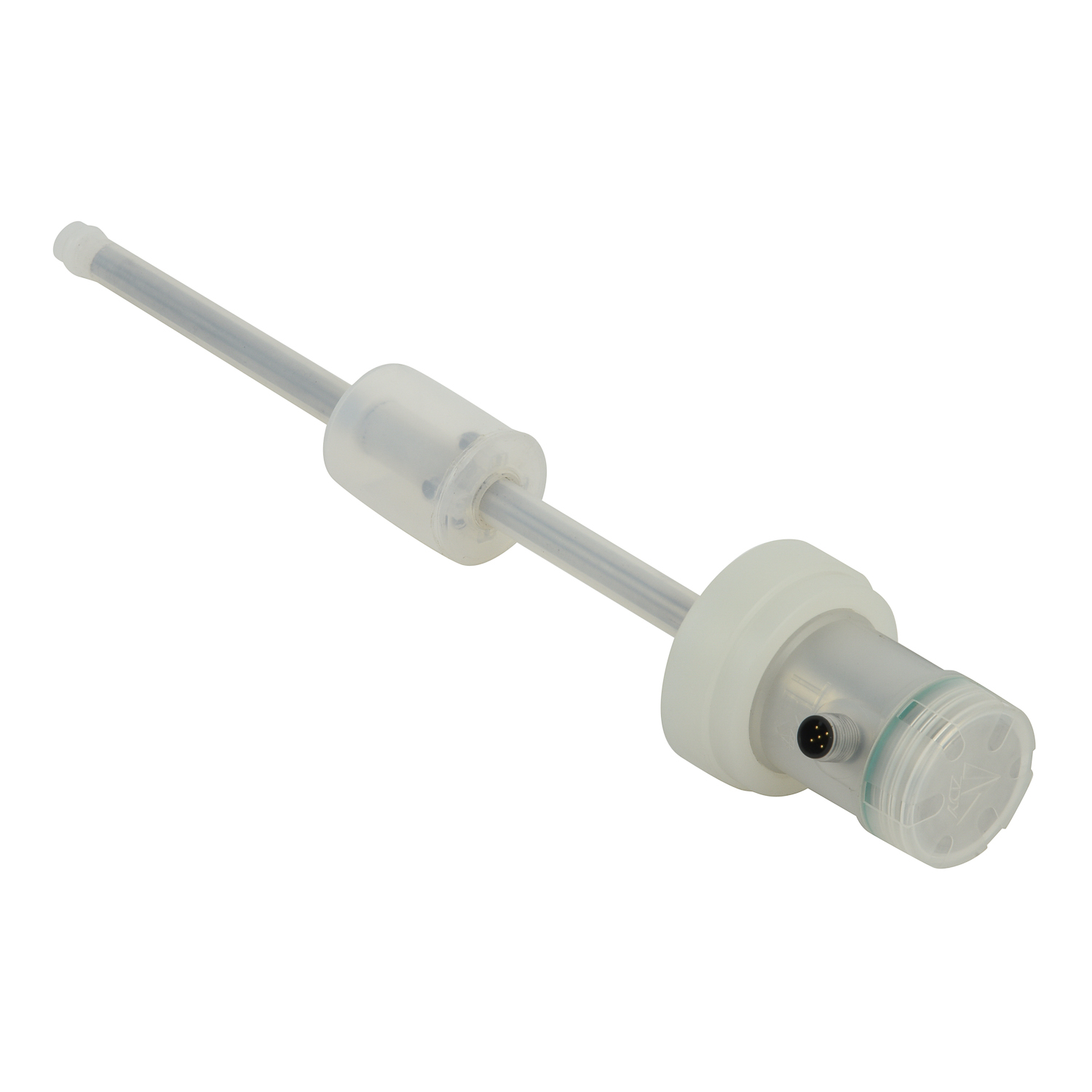 Radar Sensor for Material Tank
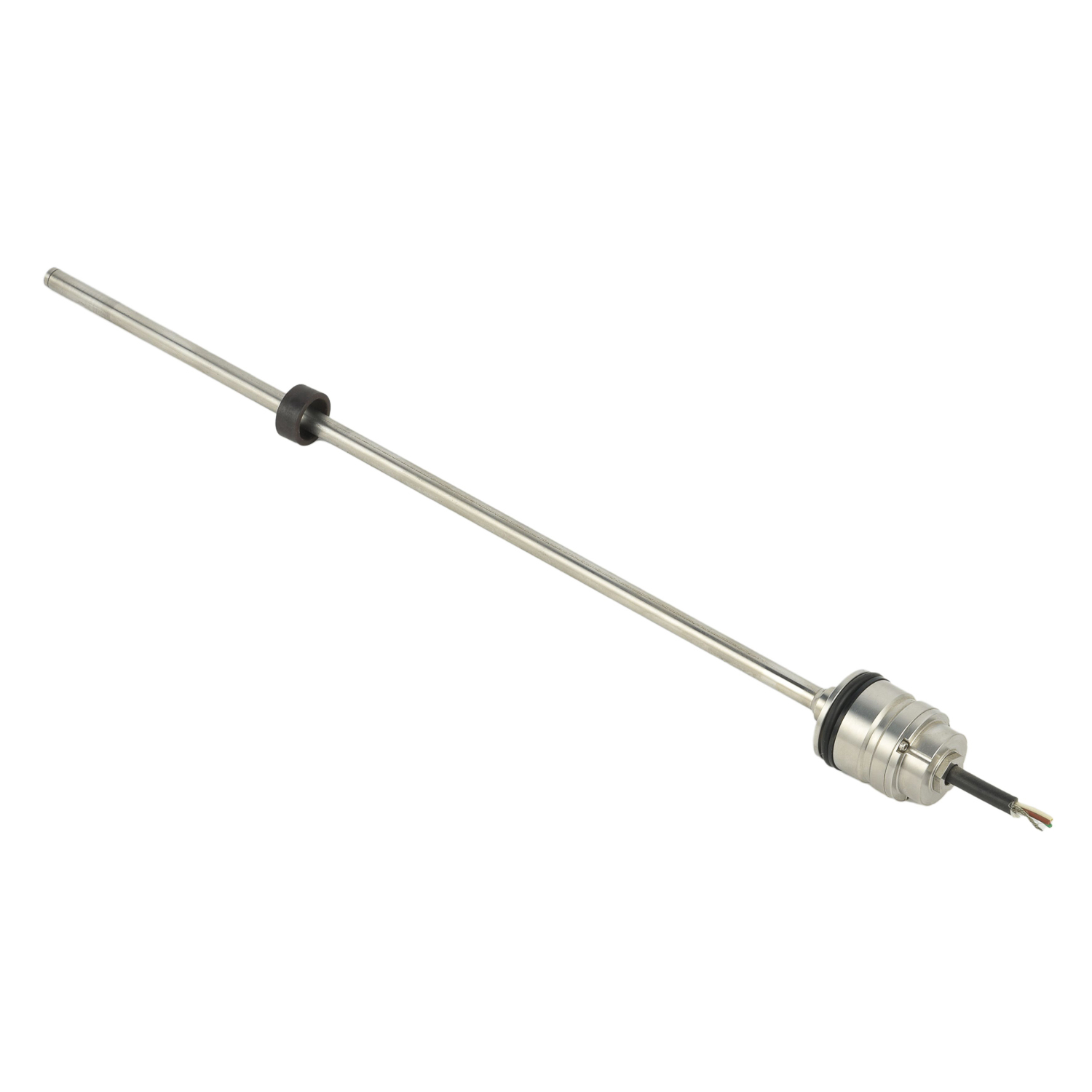 Radar Sensor for Grain and Oil
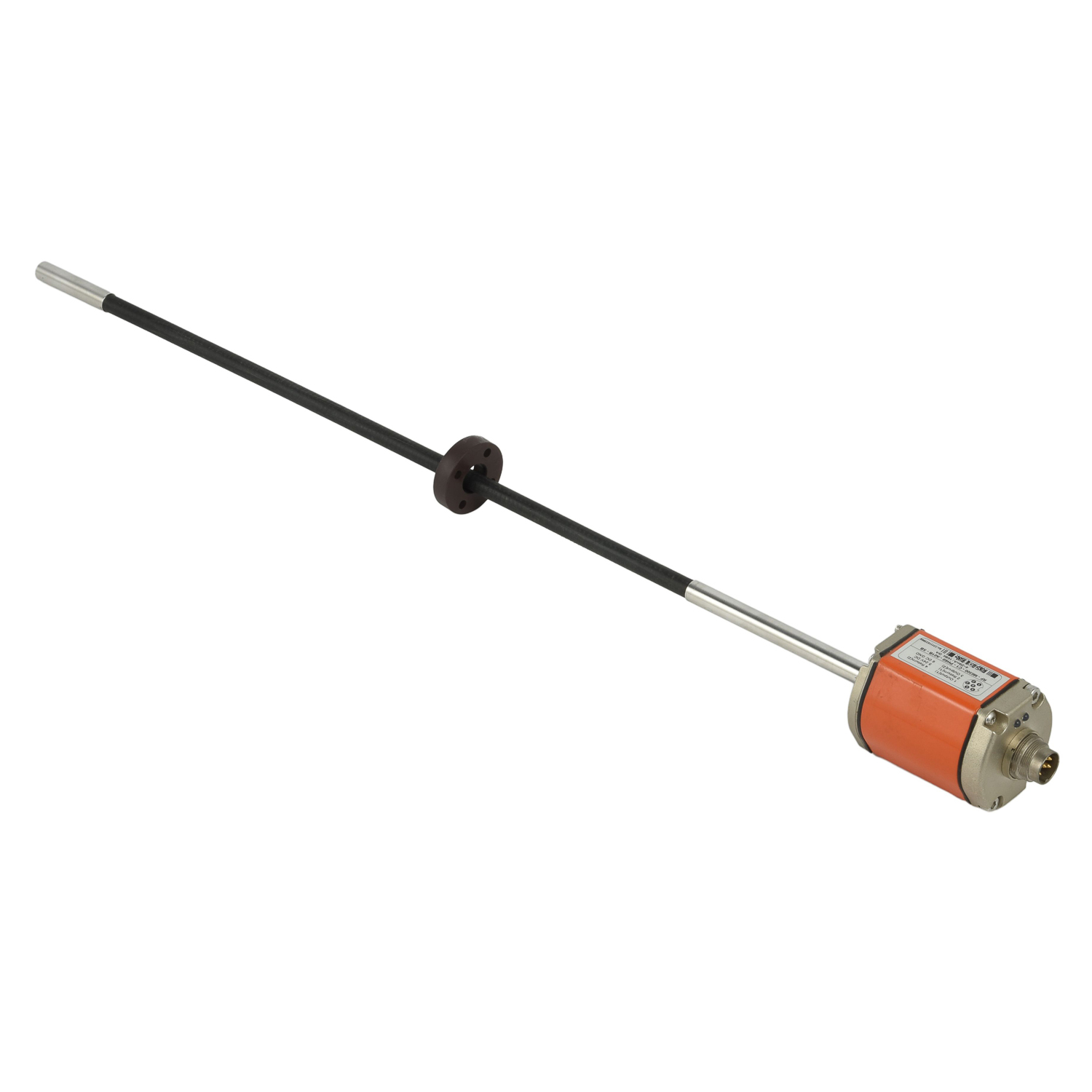 Radar Sensor for Mixing Statio
 Radar Sensor for Shield Tunnel