
Radar Sensor for Power Plant
Radar sensors are becoming essential tools in modern power plants. Unlike contact sensors, they use radio waves to measure level, distance, flow, and position without touching harsh media. This makes them reliable in high-temperature, high-pressure, dusty, and corrosive environments. In coal, gas, biomass, and nuclear facilities, radar sensors monitor fuel bunkers, ash silos, water tanks, cooling towers, and chemical storage. Accurate level data helps operators prevent overfills, avoid dry runs, and maintain stable combustion and steam cycles. Because radar signals penetrate steam, foam, and dust, the sensors support continuous operation where optical and ultrasonic devices may fail. Advanced radar units also provide diagnostic data and self-calibration, reducing false alarms and maintenance visits. When integrated with plant control systems, they enable real-time inventory tracking, leak detection, and predictive maintenance. For safety, radar sensors can detect moving equipment, crane positions, and restricted-area intrusions. They are also useful in remote or hazardous zones, lowering human exposure to heat, noise, and toxic materials. To maximize value, engineers should select the right frequency, antenna, and housing for each application, then verify mounting and signal quality during commissioning. With proper installation and regular validation, radar sensors improve efficiency, uptime, and safety in power generation. They turn difficult measurements into dependable data, helping plants meet production and environmental targets. Their non-contact design also reduces wear and contamination, while strong signal processing filters out interference from agitators, condensation, and uneven surfaces. Selecting certified models with robust enclosures further protects performance in outdoor and explosive atmospheres.
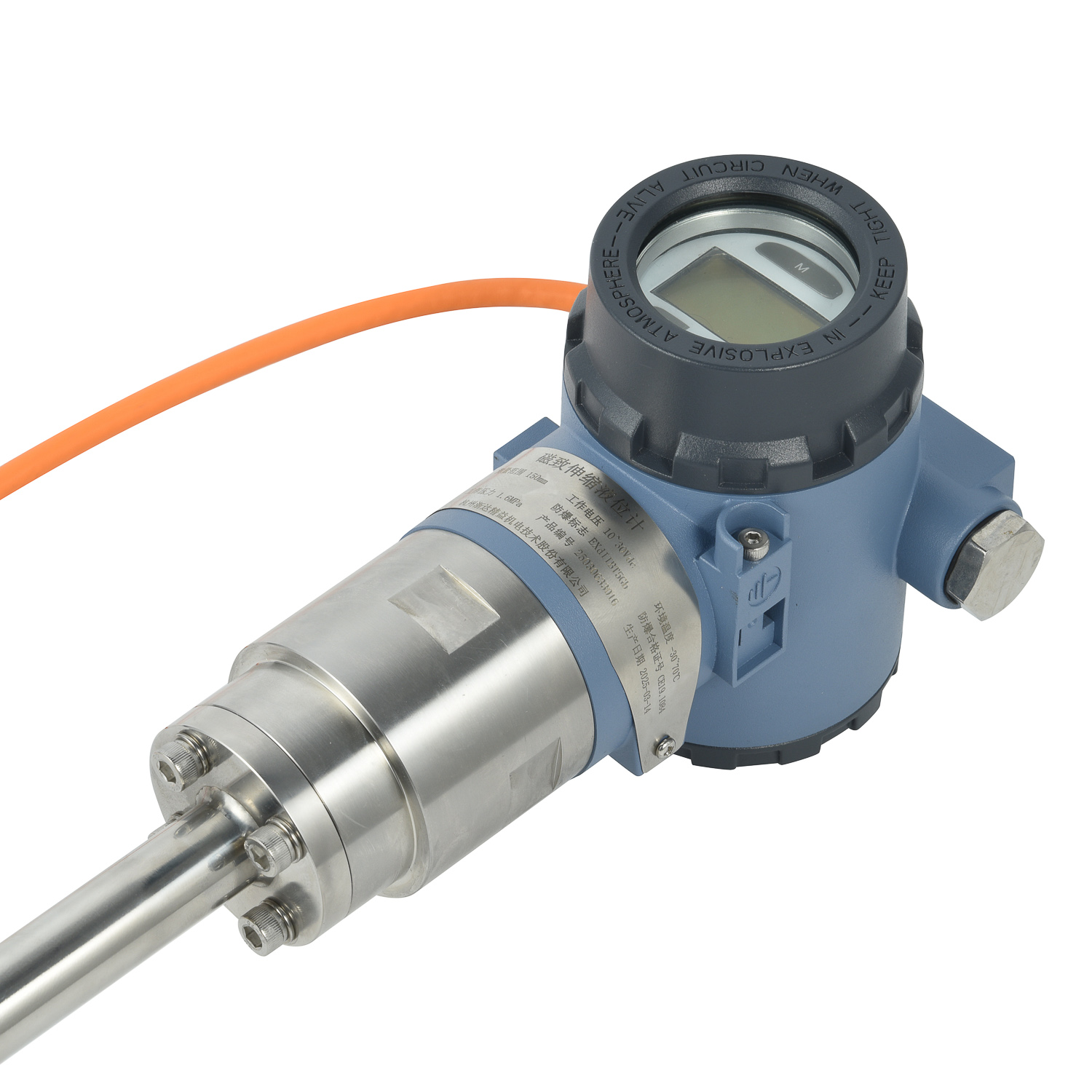
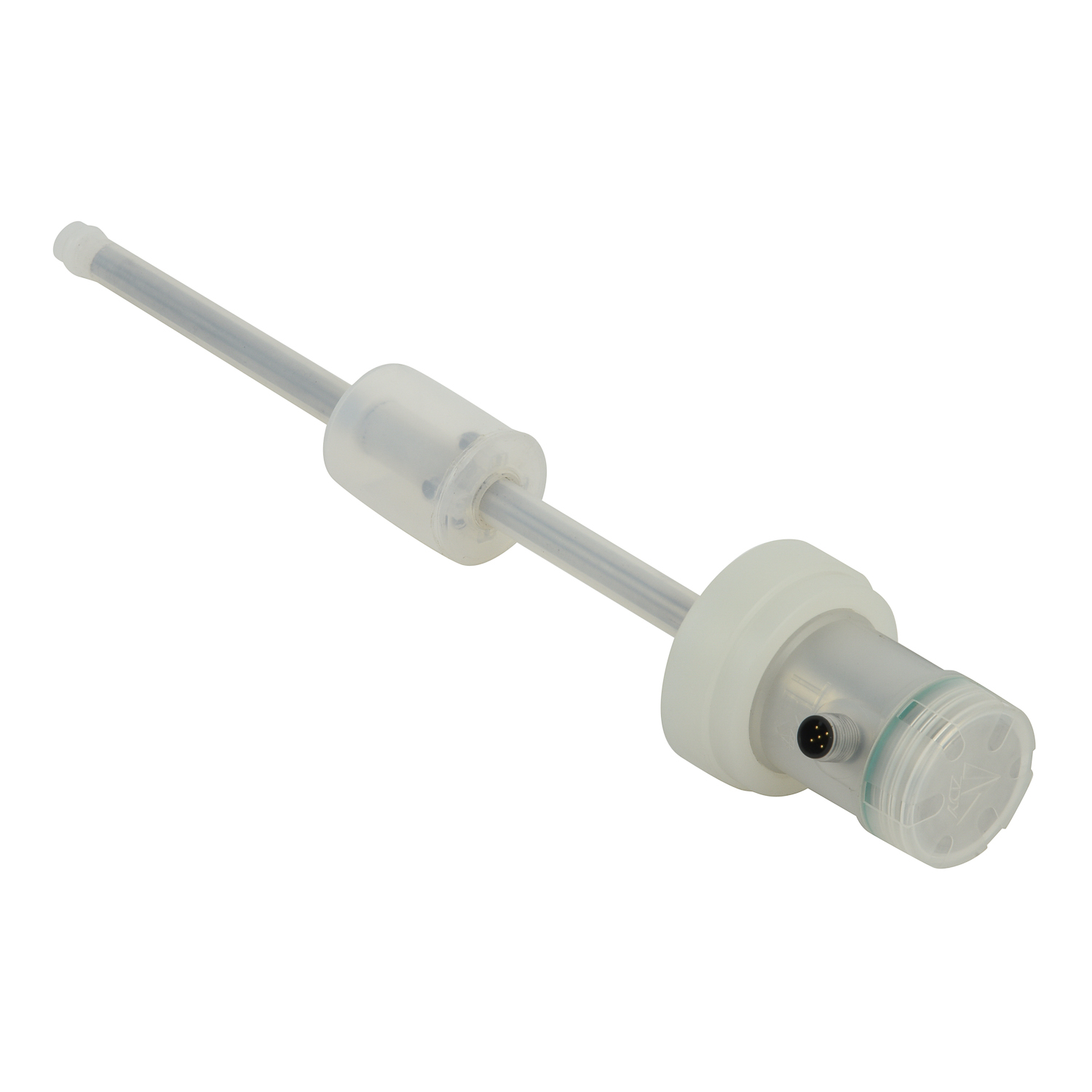 Radar Sensor for Material Tank
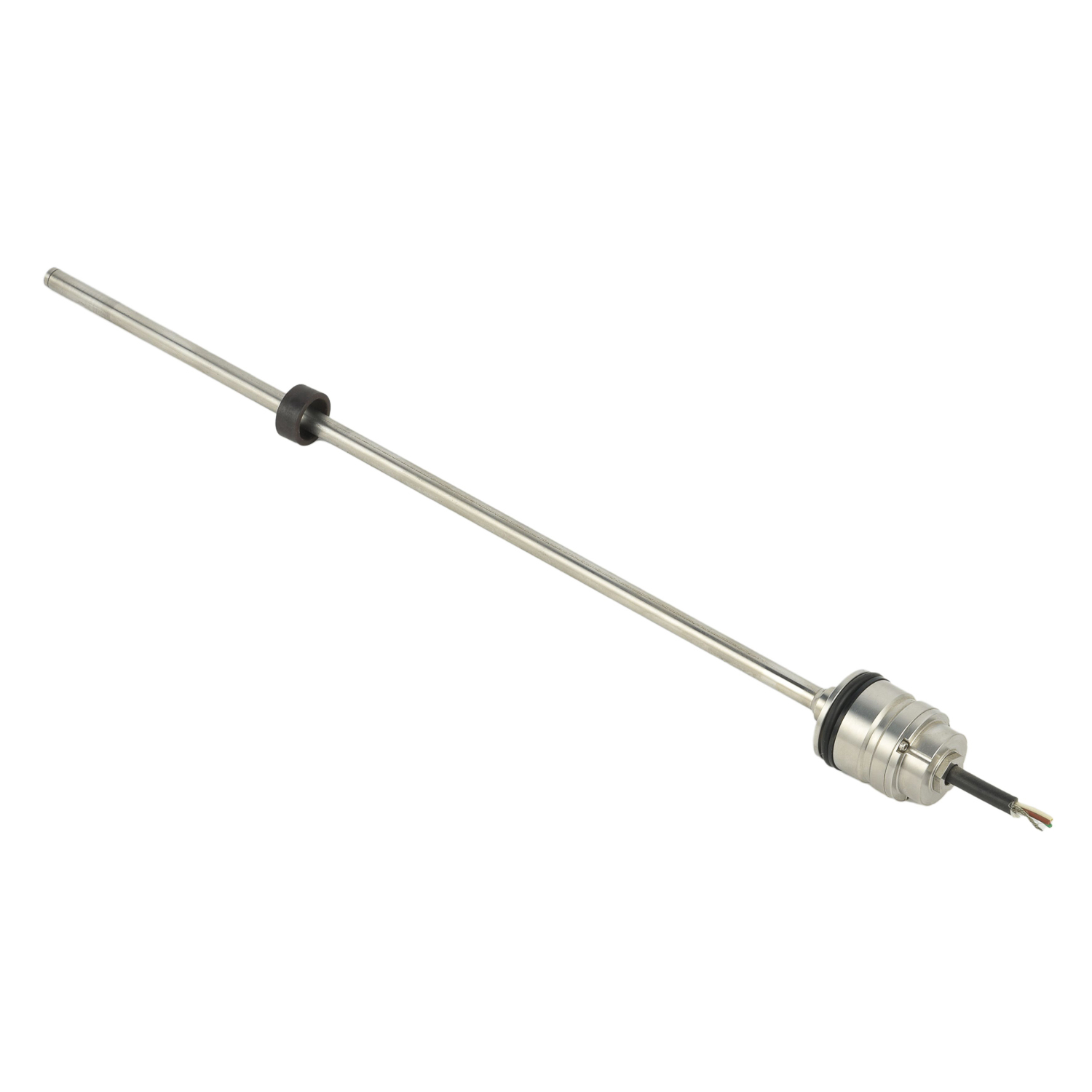 Radar Sensor for Grain and Oil
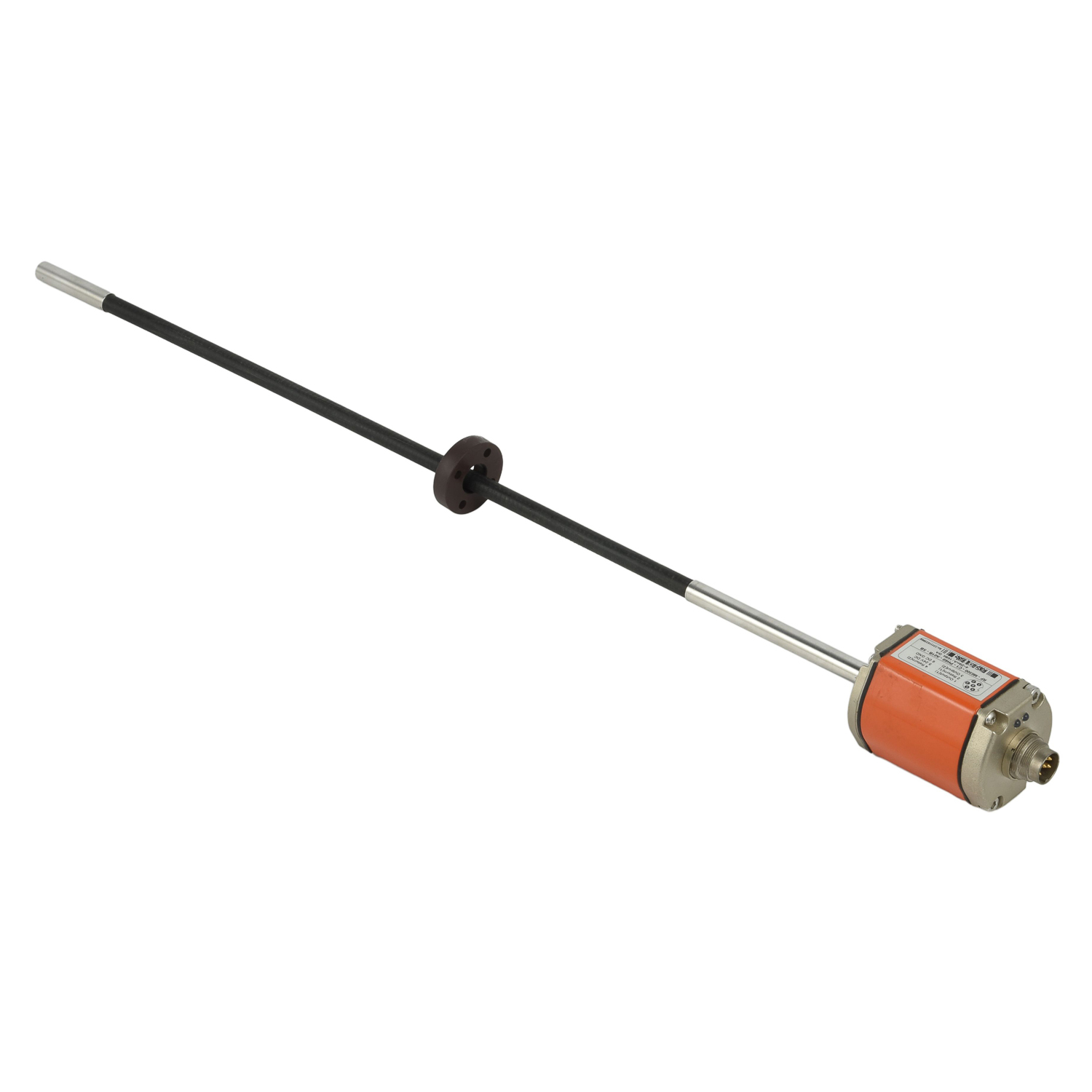 Radar Sensor for Mixing Statio
 Radar Sensor for Shield Tunnel