
Radar Sensor for Port
Radar sensors are transforming port operations by providing reliable, real-time detection in harsh environments. Unlike cameras, radar works in fog, rain, dust, and low light, making it ideal for docks, terminals, and loading zones. These sensors track vehicles, cranes, containers, and personnel with high accuracy. They support collision avoidance, blind-spot monitoring, and automated guided vehicle navigation. At berths, radar can monitor vessel approach and mooring safety. On quays, it helps prevent crane-to-truck accidents and protects workers in busy lanes. Radar data integrates with terminal operating systems, feeding alerts and analytics to control rooms. This improves throughput, reduces downtime, and strengthens safety. Ports also use radar for perimeter security, gate automation, and stack monitoring, where continuous coverage is critical. Because radar measures distance and speed directly, it performs well in rain, salt spray, and heavy traffic. When selecting a radar sensor for port use, consider detection range, angular resolution, update rate, IP rating, vibration resistance, and electromagnetic interference immunity. A well-designed deployment uses multiple sensors for full coverage and edge processing for fast response. Regular calibration and clean mounting points maintain accuracy over time. They can also detect unauthorized entry and monitor dangerous areas without exposing staff to risk. Choose sensors with open protocols and strong cybersecurity to simplify integration and protect operational data. With rugged performance, low maintenance, and seamless integration, radar sensors are a smart investment for modern, connected ports.
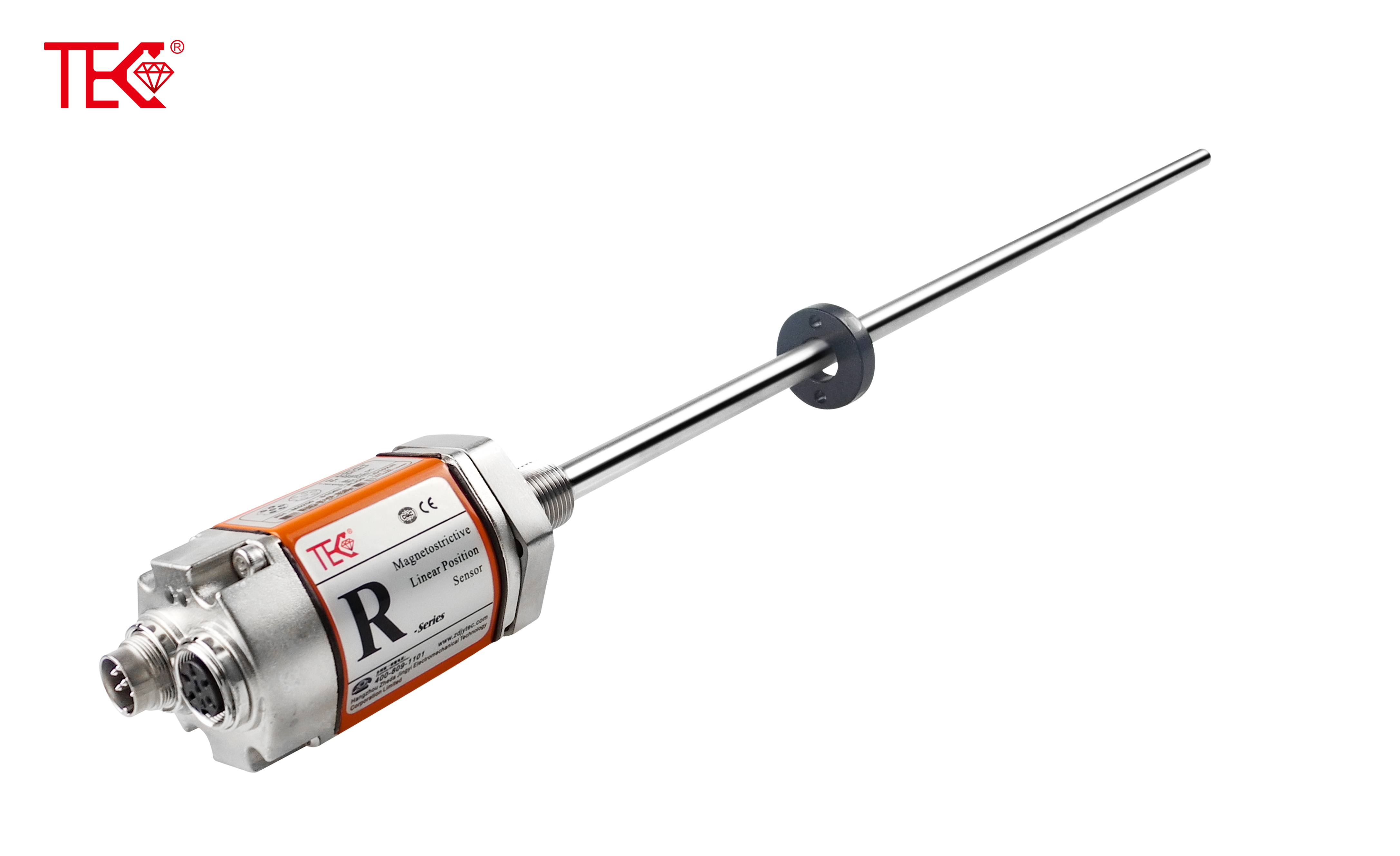
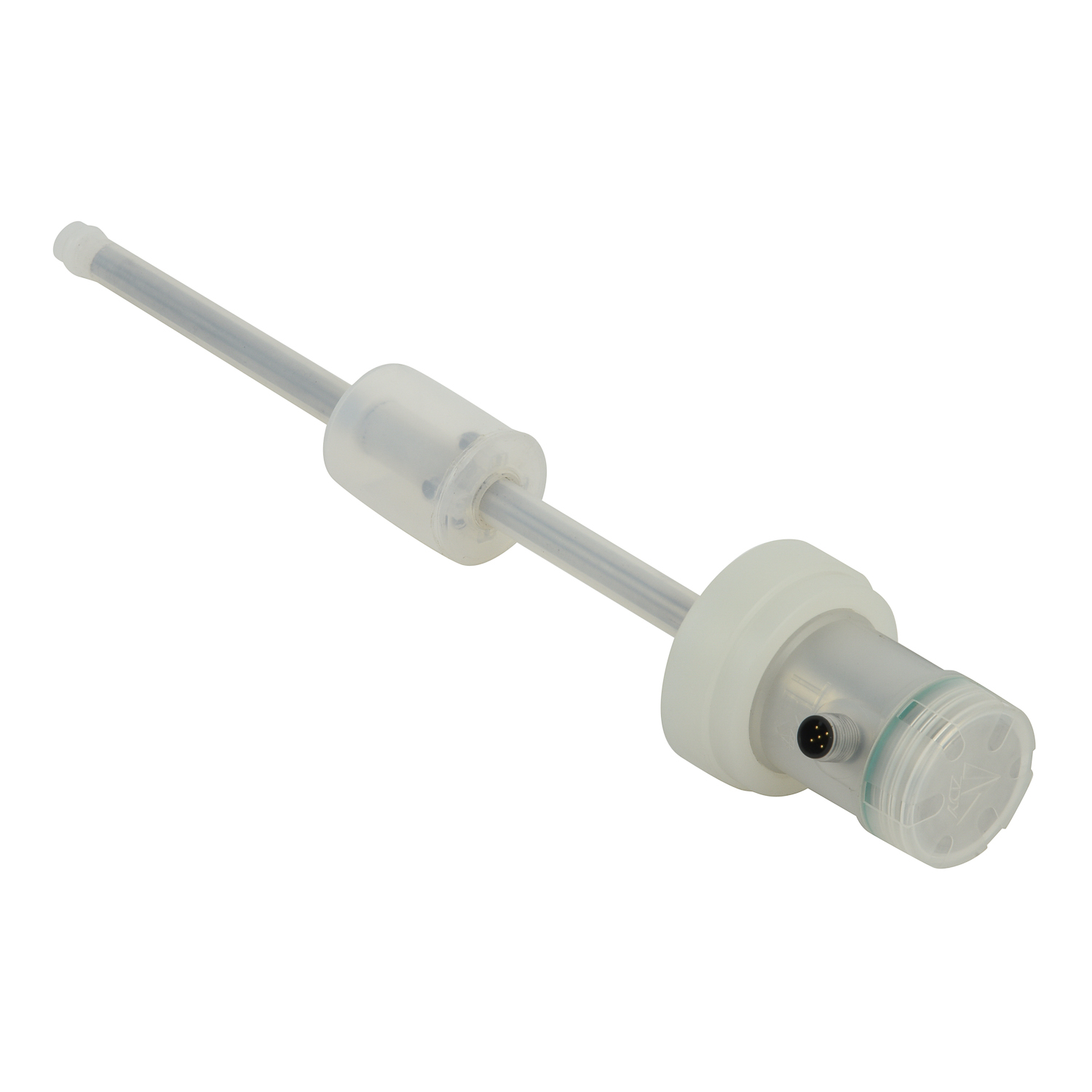 Radar Sensor for Material Tank
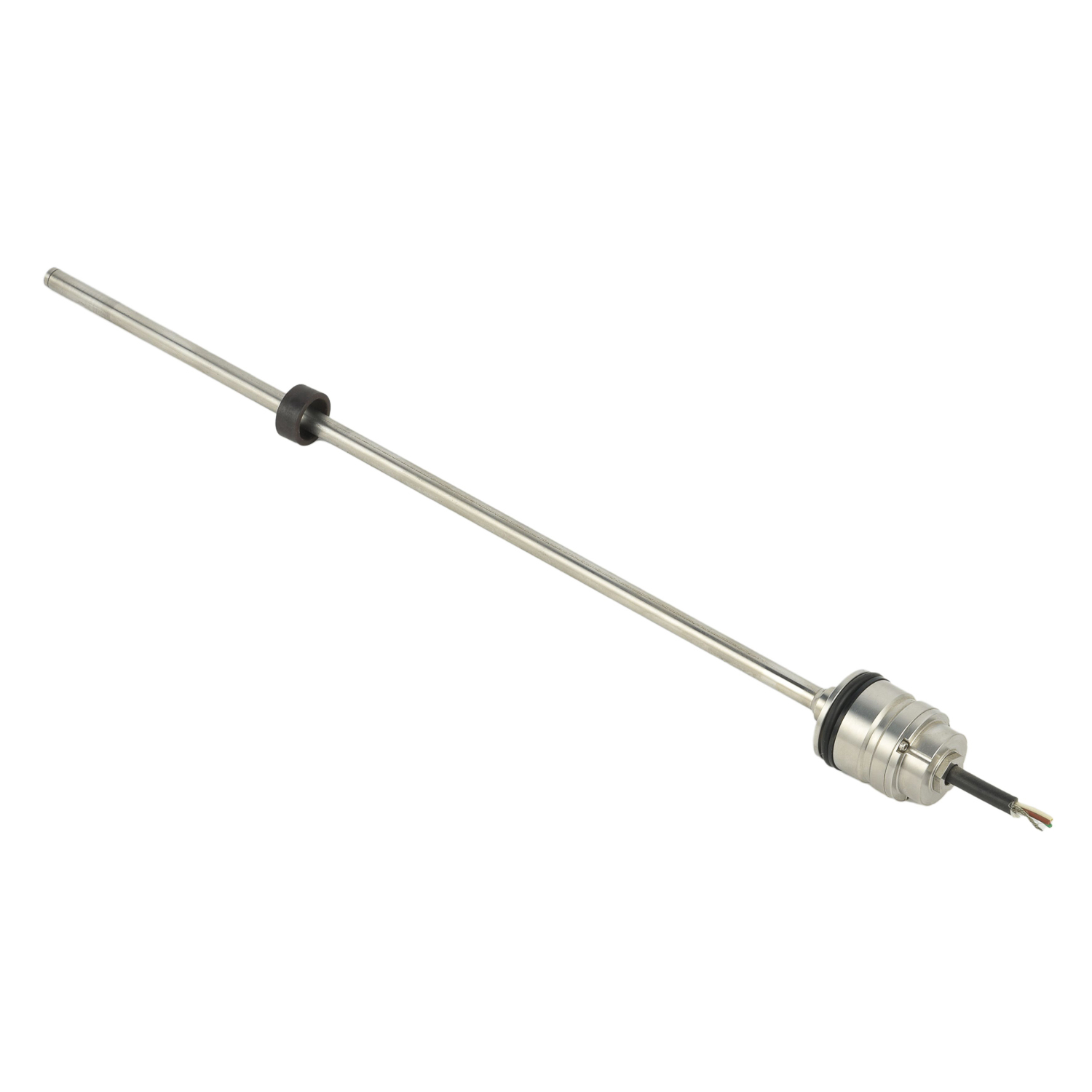 Radar Sensor for Grain and Oil
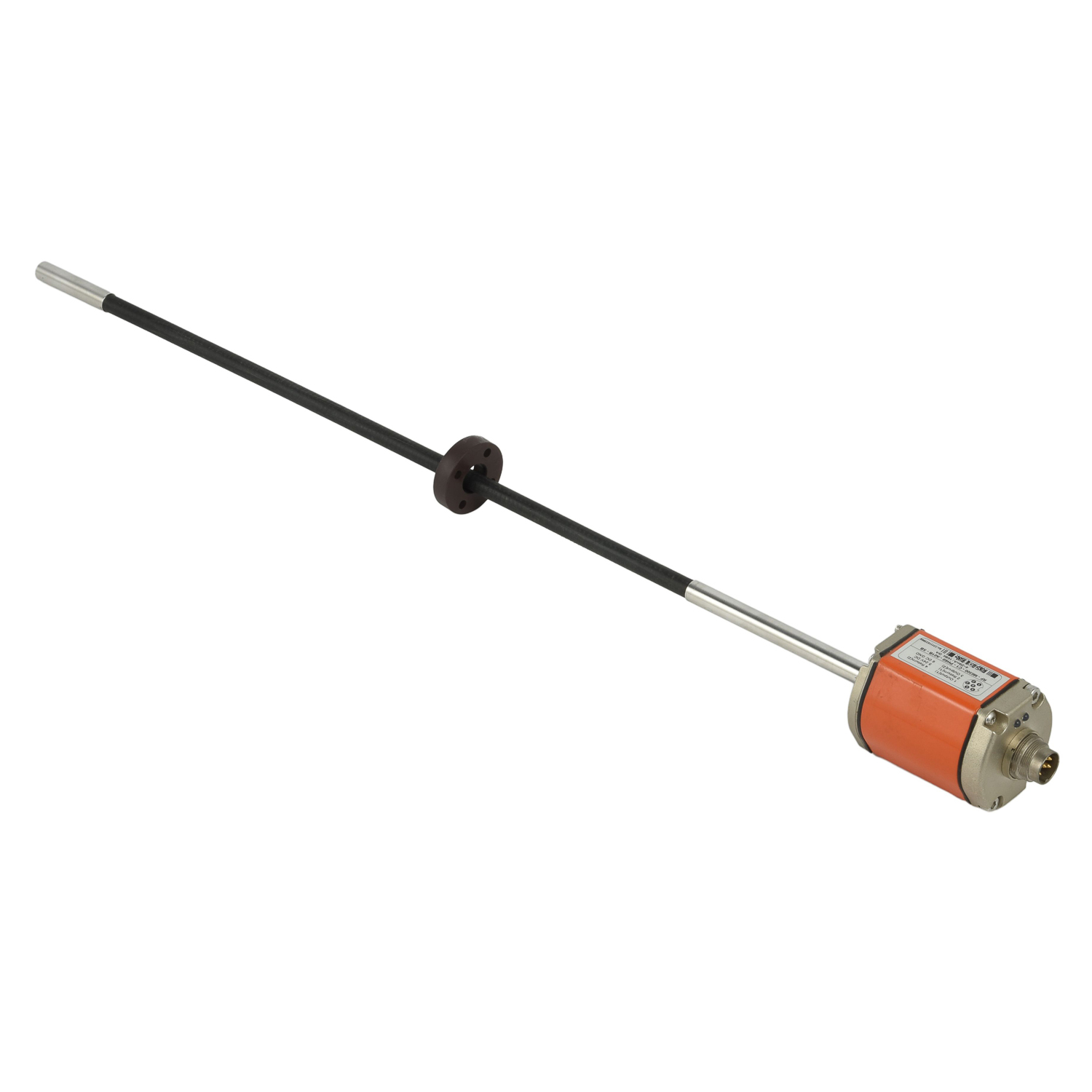 Radar Sensor for Mixing Statio
 Radar Sensor for Shield Tunnel