
Radar Sensor for Water Conservancy
Radar sensors are increasingly used in water conservancy because they provide reliable, non-contact measurement in rivers, reservoirs, canals, and flood-control facilities. Unlike traditional probes, a radar sensor measures water level by transmitting microwave pulses and analyzing the reflected signal. This design reduces damage from sediment, debris, corrosion, and algae, making long-term monitoring more stable and cost-effective.
In hydrological stations, radar sensors support real-time water-level monitoring, rainfall-runoff analysis, and flood warning. Accurate data helps operators control gates, manage storage capacity, and coordinate emergency responses. During storms, continuous readings improve early warning and reduce risks to downstream communities. The sensors also work well in remote sites where solar power and wireless transmission are used.
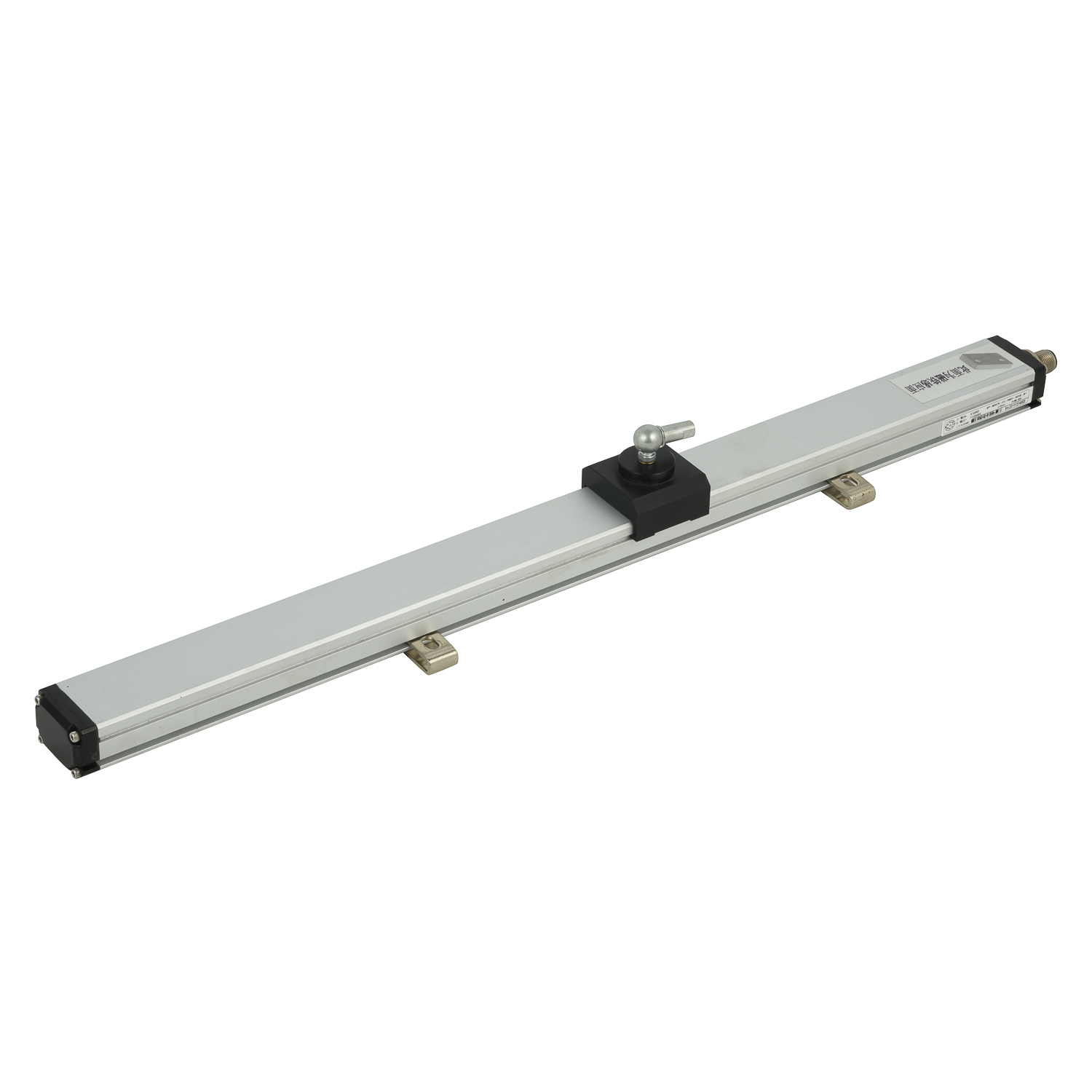
For irrigation and water transfer projects, radar sensors help maintain stable flow and prevent overflow. Combined with telemetry platforms, they enable automatic reports, alarm thresholds, and trend analysis. Low-power models suit unattended stations, while robust IP-rated designs resist rain, humidity, and temperature changes. Proper installation, regular calibration, and clean antennas ensure accuracy.
As water conservancy moves toward digital management, radar sensor technology will play a key role in smart monitoring, efficient scheduling, and disaster prevention. It offers a practical path to safer water systems and more sustainable resource management.
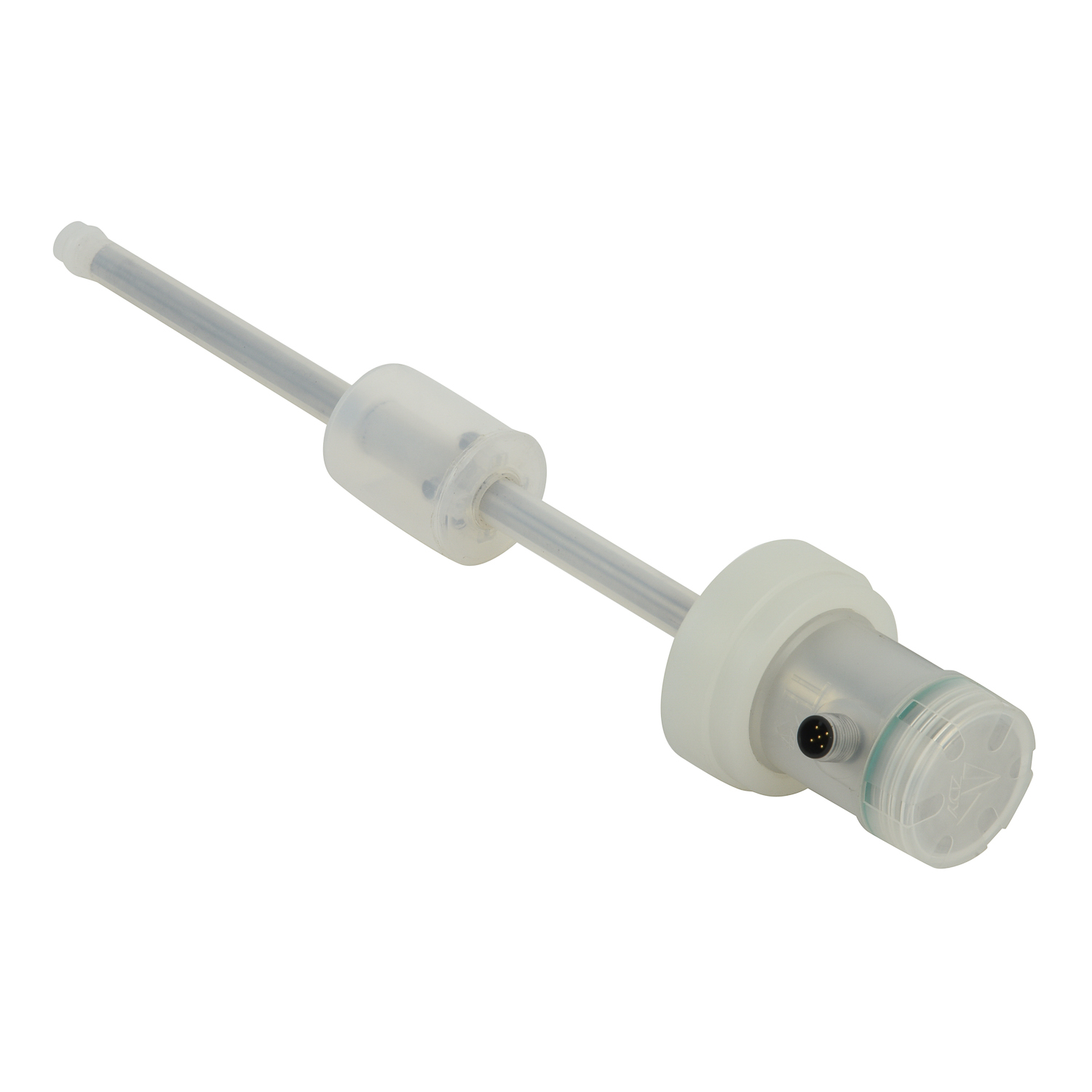 Radar Sensor for Material Tank
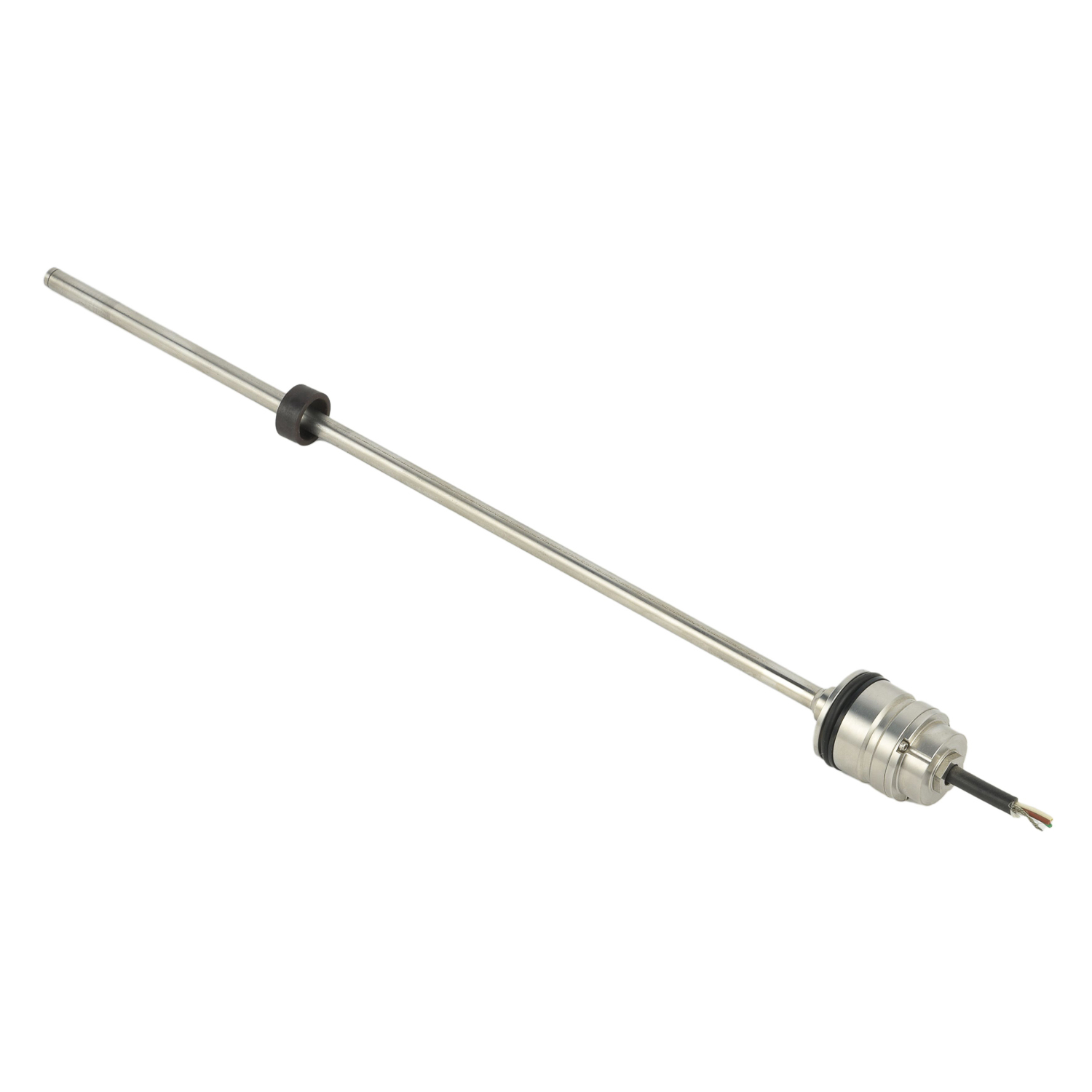 Radar Sensor for Grain and Oil
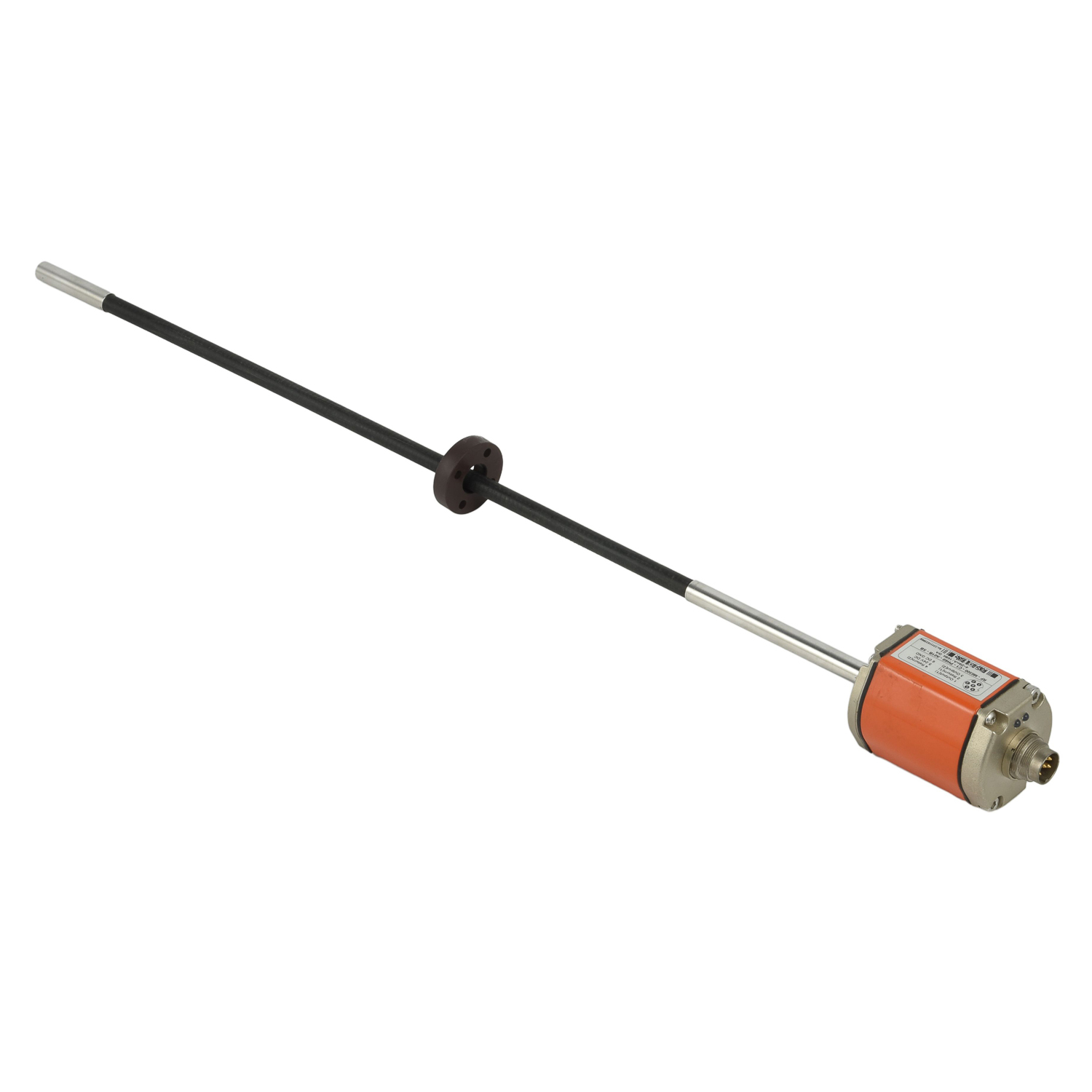 Radar Sensor for Mixing Statio
 Radar Sensor for Shield Tunnel