
Radar Sensor for Sewage Treatment
Radar sensors are transforming sewage treatment by providing reliable, non-contact level measurement in harsh wastewater environments. Unlike traditional floats or pressure sensors, radar sensors use high-frequency electromagnetic waves to detect the distance to the liquid surface. This reduces fouling, clogging, and maintenance caused by grease, foam, sludge, and corrosive gases.
In sewage treatment plants, accurate level data supports influent pumping, aeration tanks, clarifiers, sludge storage, and overflow control. Continuous radar monitoring helps operators optimize pump cycles, prevent spills, and improve energy efficiency. Because the sensor does not touch the wastewater, it performs well in dirty and aggressive conditions. Narrow-beam radar sensors can also be mounted above confined channels, wet wells, and covered tanks with minimal interference.
Modern radar sensors offer digital outputs, remote diagnostics, and stable readings despite temperature changes, vapor, and condensation. When integrated with SCADA systems, they deliver real-time alarms and trend data for proactive maintenance. Proper installation, beam alignment, and parameter tuning are essential for best accuracy. Regular cleaning checks remain simple because there are no moving parts in contact with the liquid. This makes radar sensing a practical choice for modern wastewater facilities seeking low-maintenance control. Overall, radar sensors improve safety, reduce downtime, and support smarter, more sustainable sewage treatment operations.
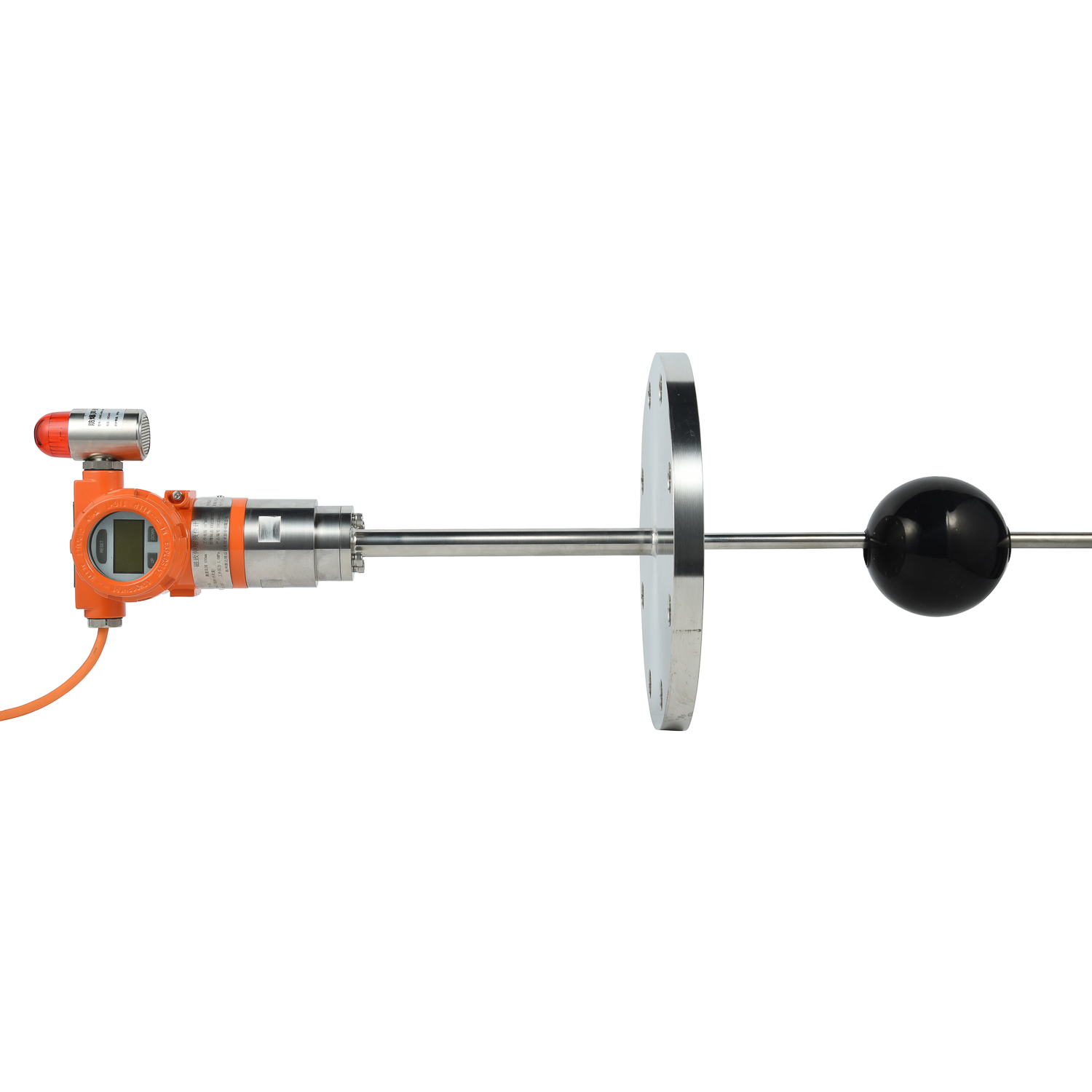
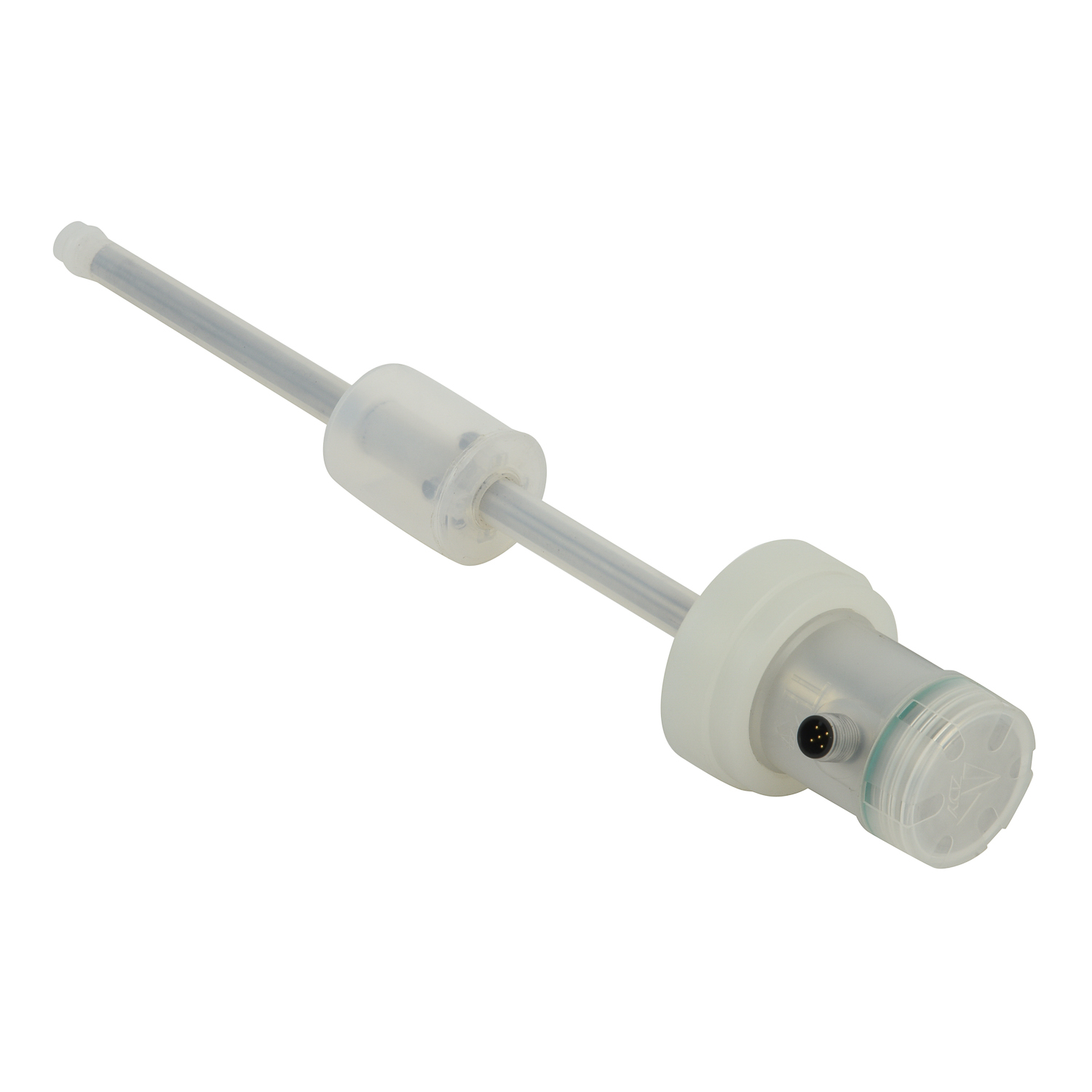 Radar Sensor for Material Tank
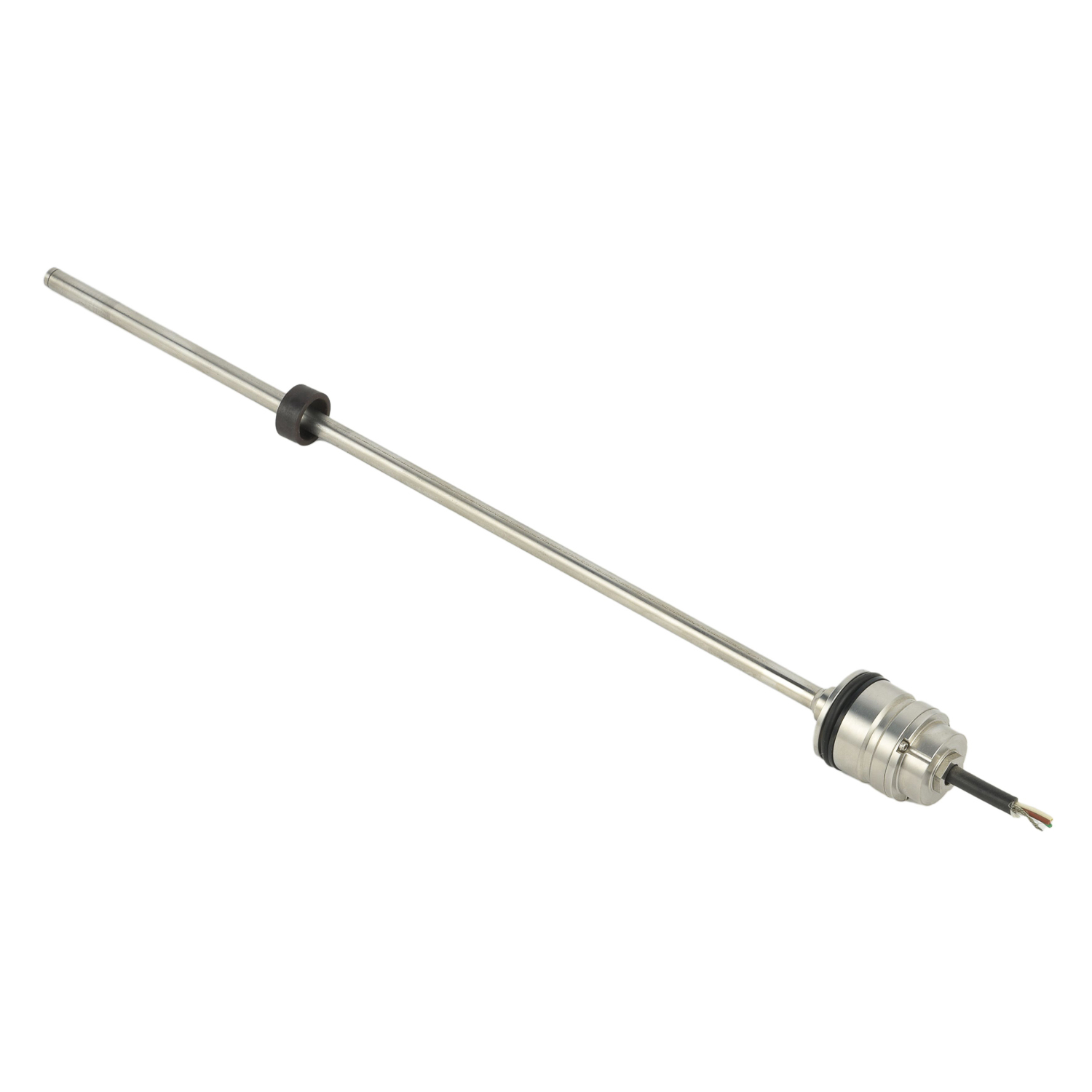 Radar Sensor for Grain and Oil
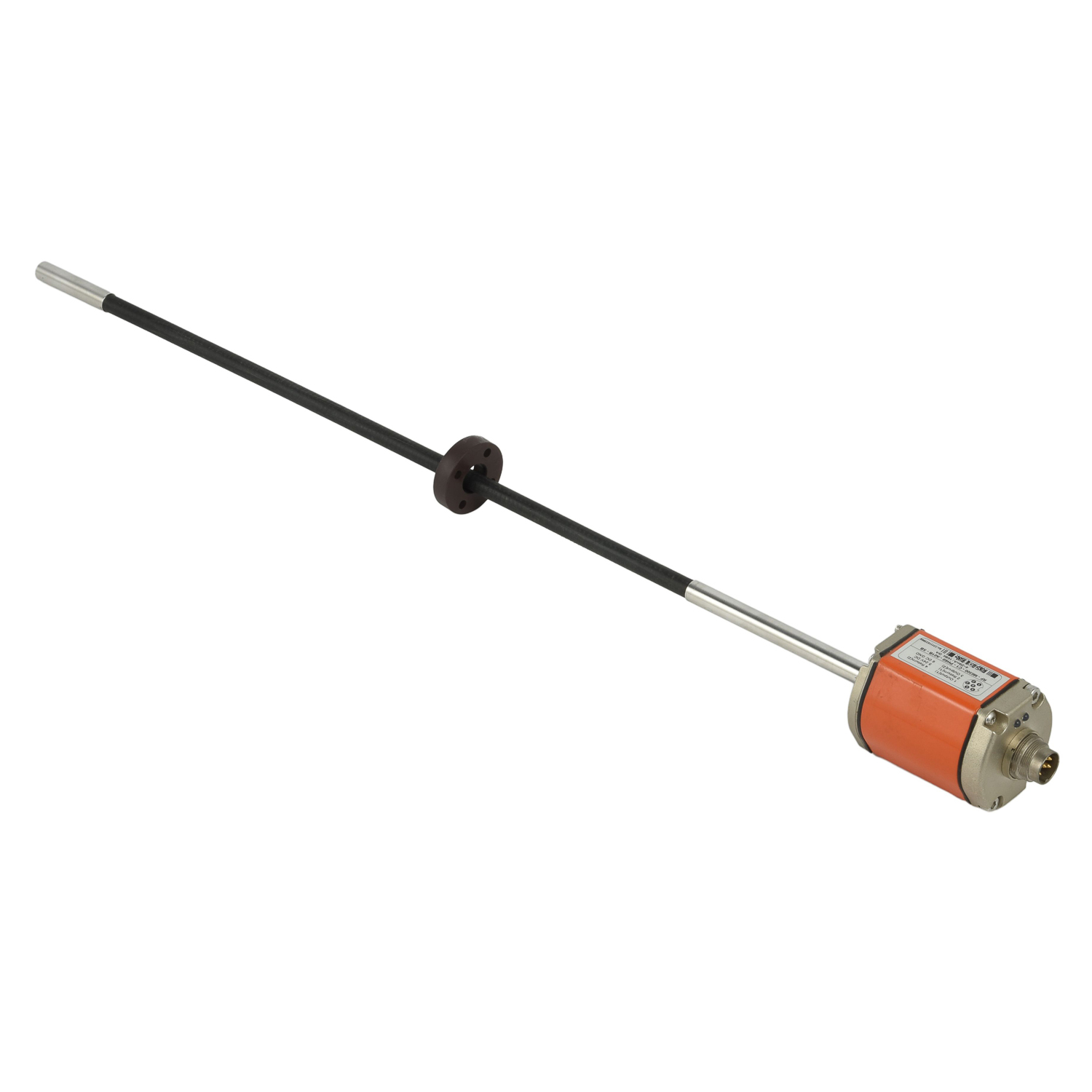 Radar Sensor for Mixing Statio
 Radar Sensor for Shield Tunnel