
Radar Sensor for Chemical Industry
In the chemical industry, accurate and safe measurement is essential. Corrosive liquids, toxic vapors, high temperatures, and flammable atmospheres make traditional contact sensors difficult to maintain. Radar sensors offer a strong solution. They use non-contact microwave technology to measure liquid levels, slurries, and powders inside tanks and reactors. Because the sensor does not touch the process medium, it resists corrosion and reduces contamination risk, cleaning downtime, and maintenance costs.
Modern radar sensors for chemical applications are designed for harsh conditions. They can be enclosed in explosion-proof housings and use corrosion-resistant antennas such as PTFE or stainless steel. Advanced signal processing handles foam, condensation, agitation, and low dielectric media. This ensures stable readings even when process conditions change. Operators can integrate the sensors with PLC, SCADA, and process automation systems through 4–20 mA, HART, Modbus, or Ethernet outputs.
Choosing the right radar sensor requires attention to tank geometry, dielectric constant, temperature, pressure, and hazardous area classification. A high-frequency radar sensor often provides a narrow beam for precise focusing in tall or narrow vessels, while guided-wave radar can suit complex tanks with internal structures. Proper installation and regular verification help maintain accuracy and safety.
By adopting radar sensors, chemical plants improve inventory control, overflow protection, and environmental compliance. They also reduce manual inspection and exposure to dangerous materials. With reliable non-contact measurement, radar technology supports safer, cleaner, and more efficient chemical production.
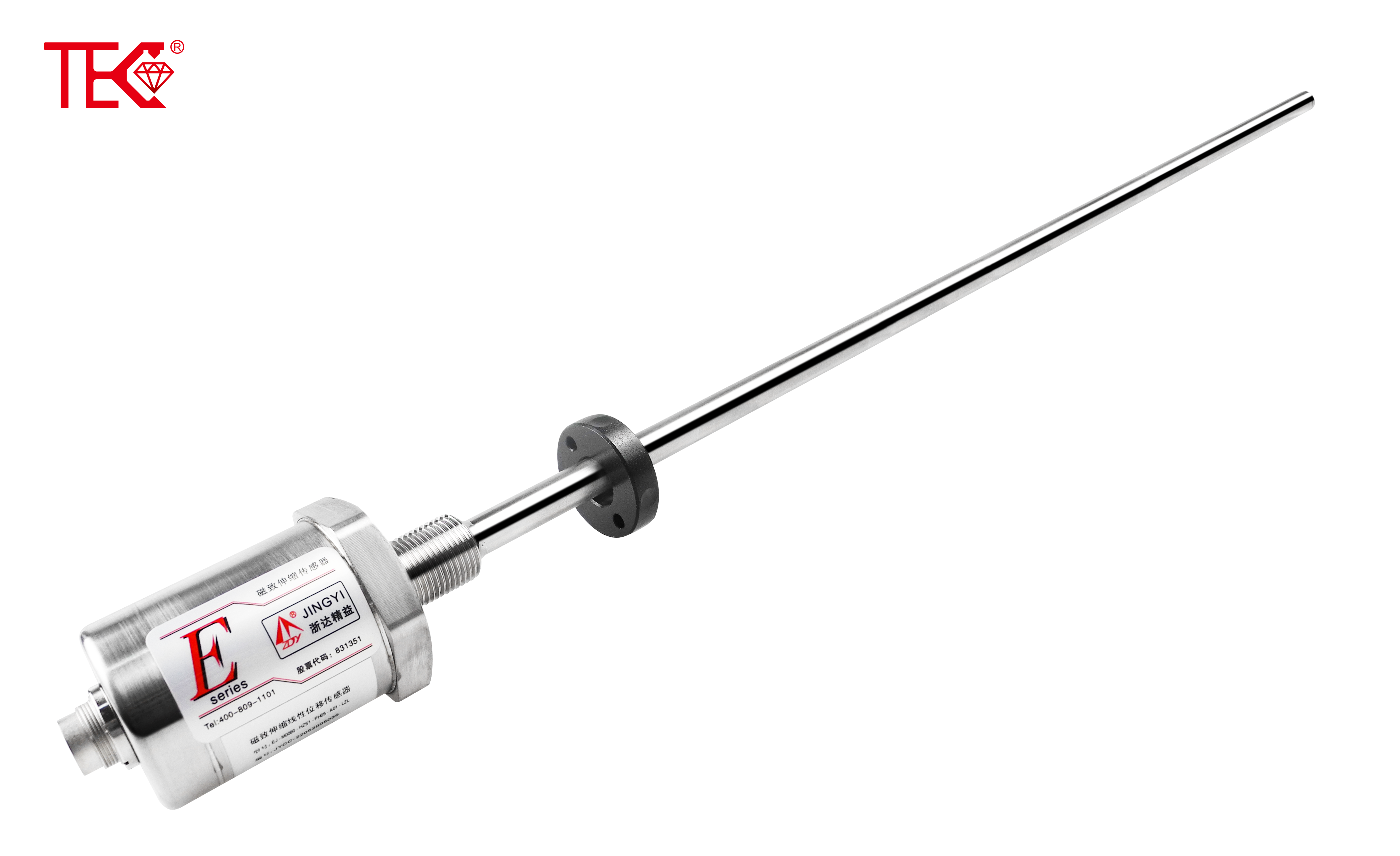
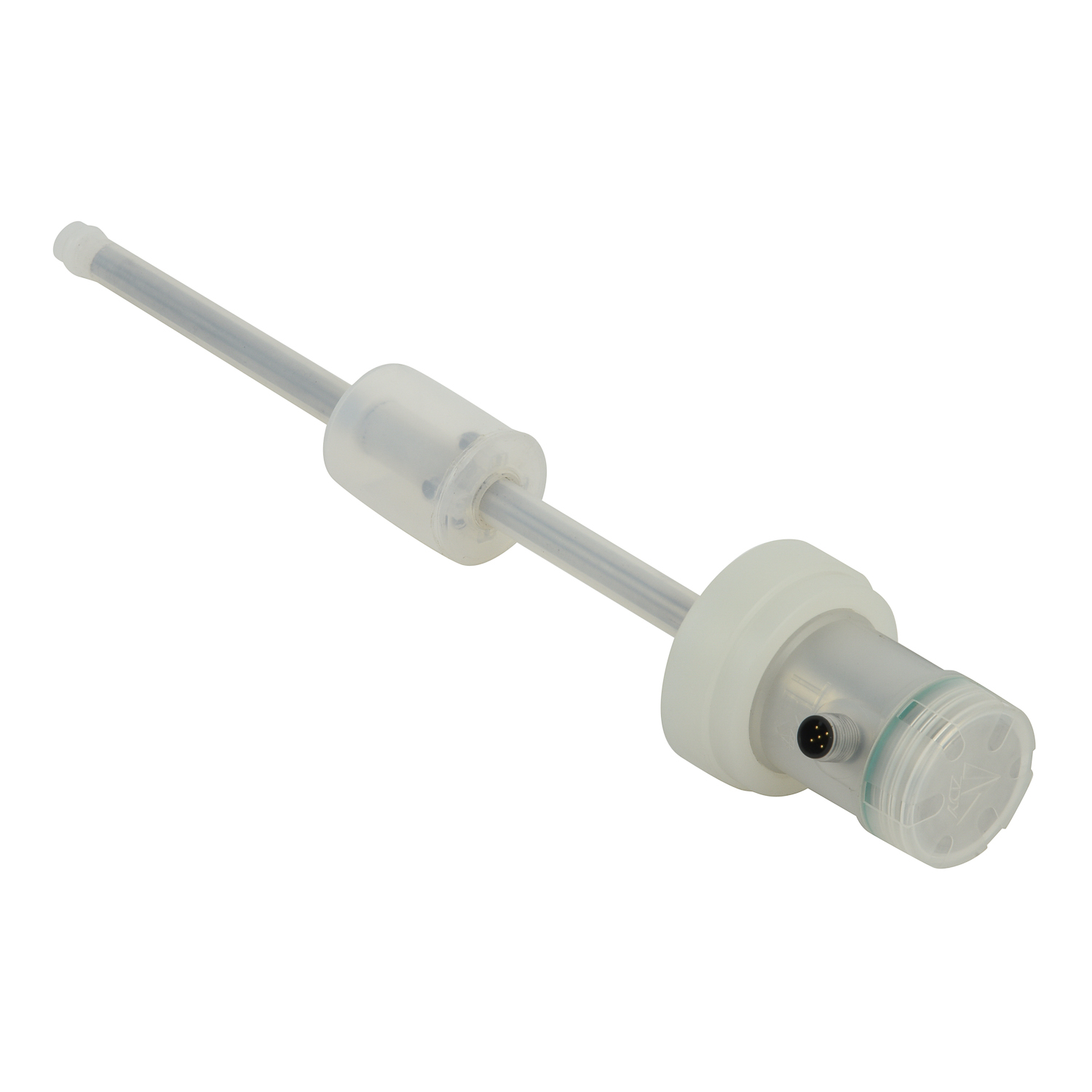 Radar Sensor for Material Tank
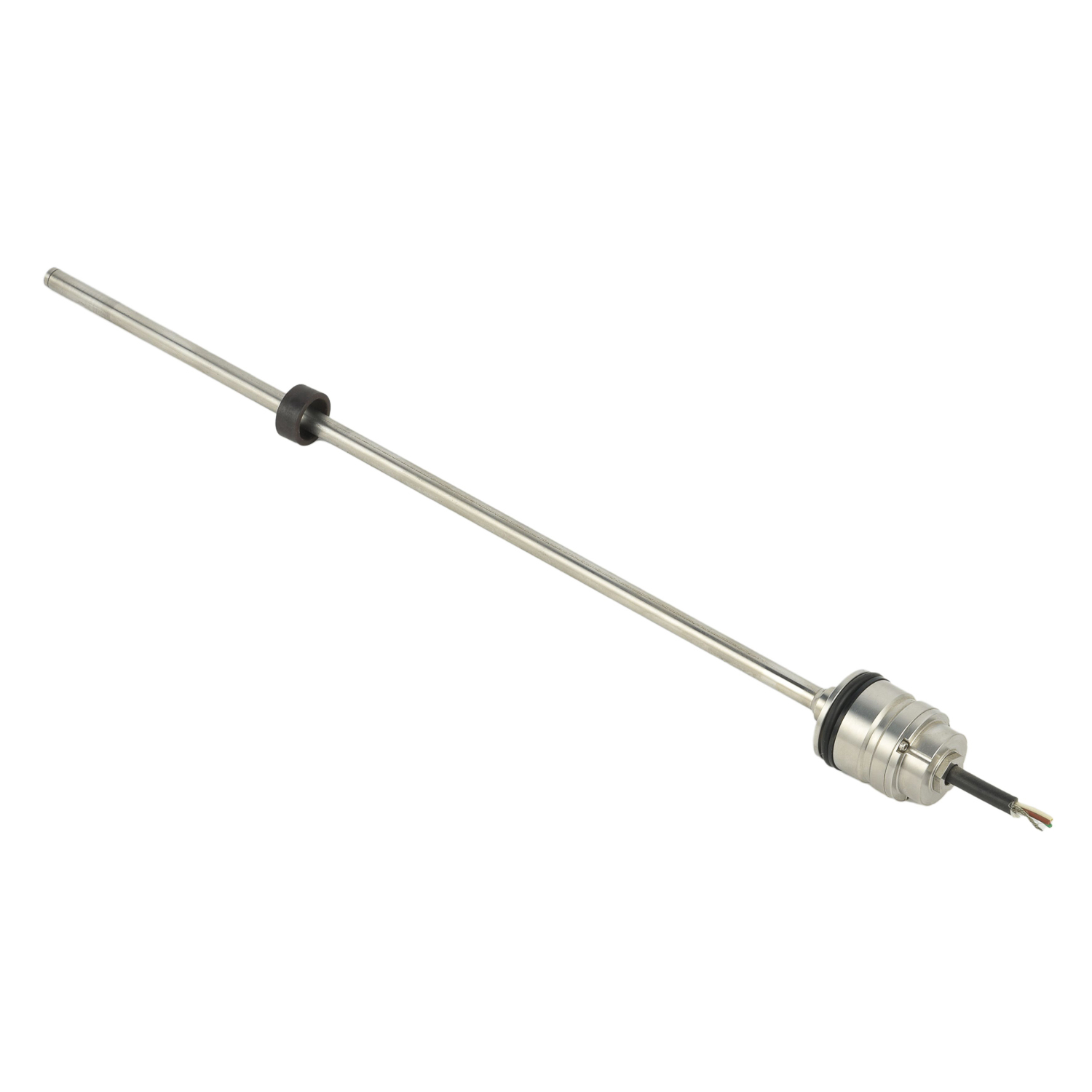 Radar Sensor for Grain and Oil
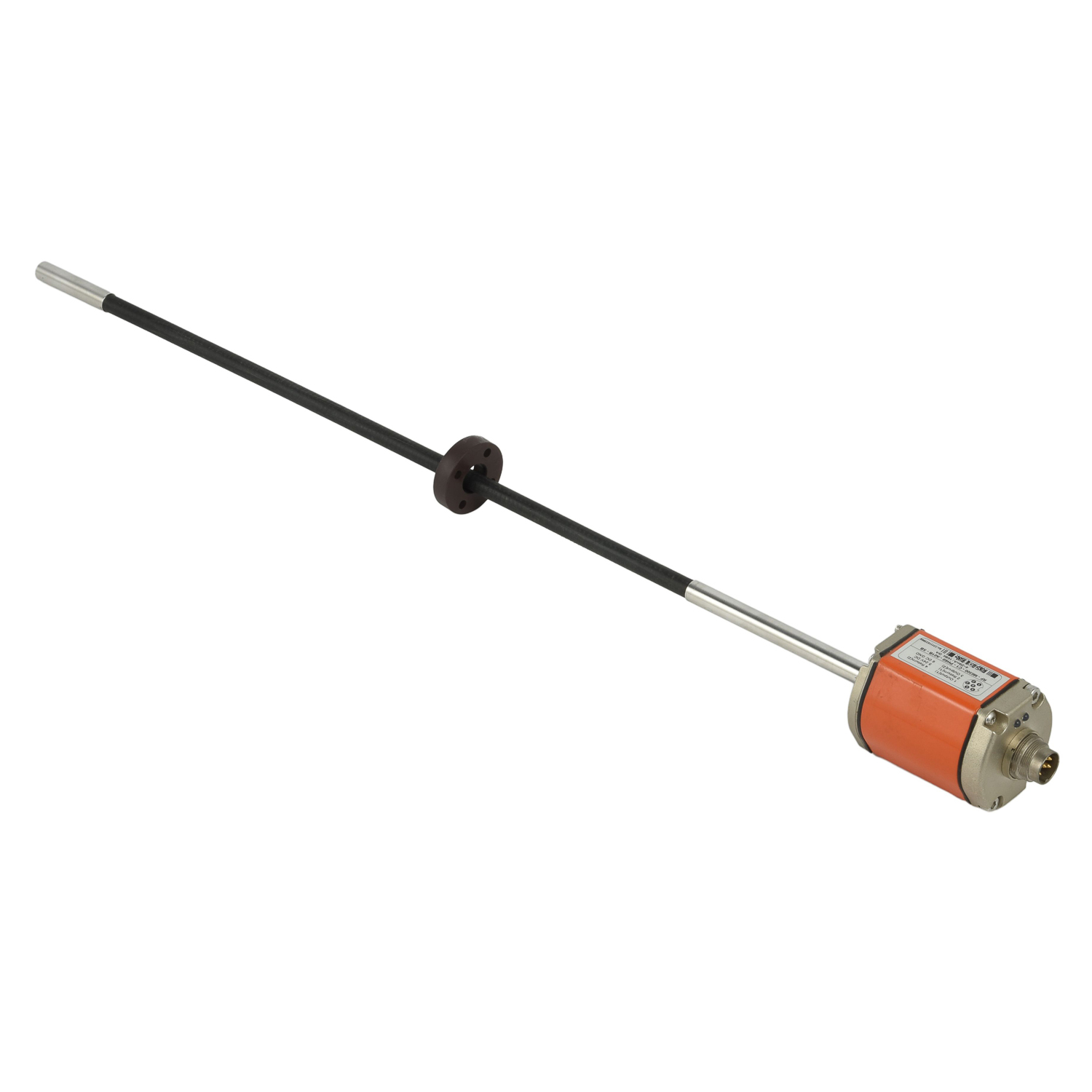 Radar Sensor for Mixing Statio
 Radar Sensor for Shield Tunnel