
Radar Sensor for Cement Industry
Radar sensors are transforming measurement and monitoring in the cement industry. From raw meal silos and clinker storage to crushers, preheaters, and packing lines, reliable data is essential for safe, continuous production. Dust, high temperatures, vibration, and material buildup make many conventional sensors difficult to maintain. Non-contact radar sensors offer a robust alternative. They transmit high-frequency microwave signals and measure the reflected echo, calculating distance without touching the material. This makes them suitable for level measurement in silos, bins, and hoppers, even during filling or emptying. Modern radar sensors can focus narrow beams, resist dust and condensation, and operate through build-up on antennas. They support continuous real-time inventory control, prevent overflow and empty-running, and improve feed consistency. In clinker and cement storage, accurate level data helps operators plan dispatch and reduce energy use. In crushers and chutes, radar can detect blockage risk and support maintenance planning. For automation, radar data feeds PLC and SCADA systems, enabling alarms, trend analysis, and predictive decisions. When selecting a radar sensor for cement plants, consider measuring range, beam angle, process temperature and pressure, dust level, mounting position, and output protocol. With rugged housings and smart diagnostics, radar sensors reduce downtime, lower maintenance costs, and support safer, more efficient cement operations.
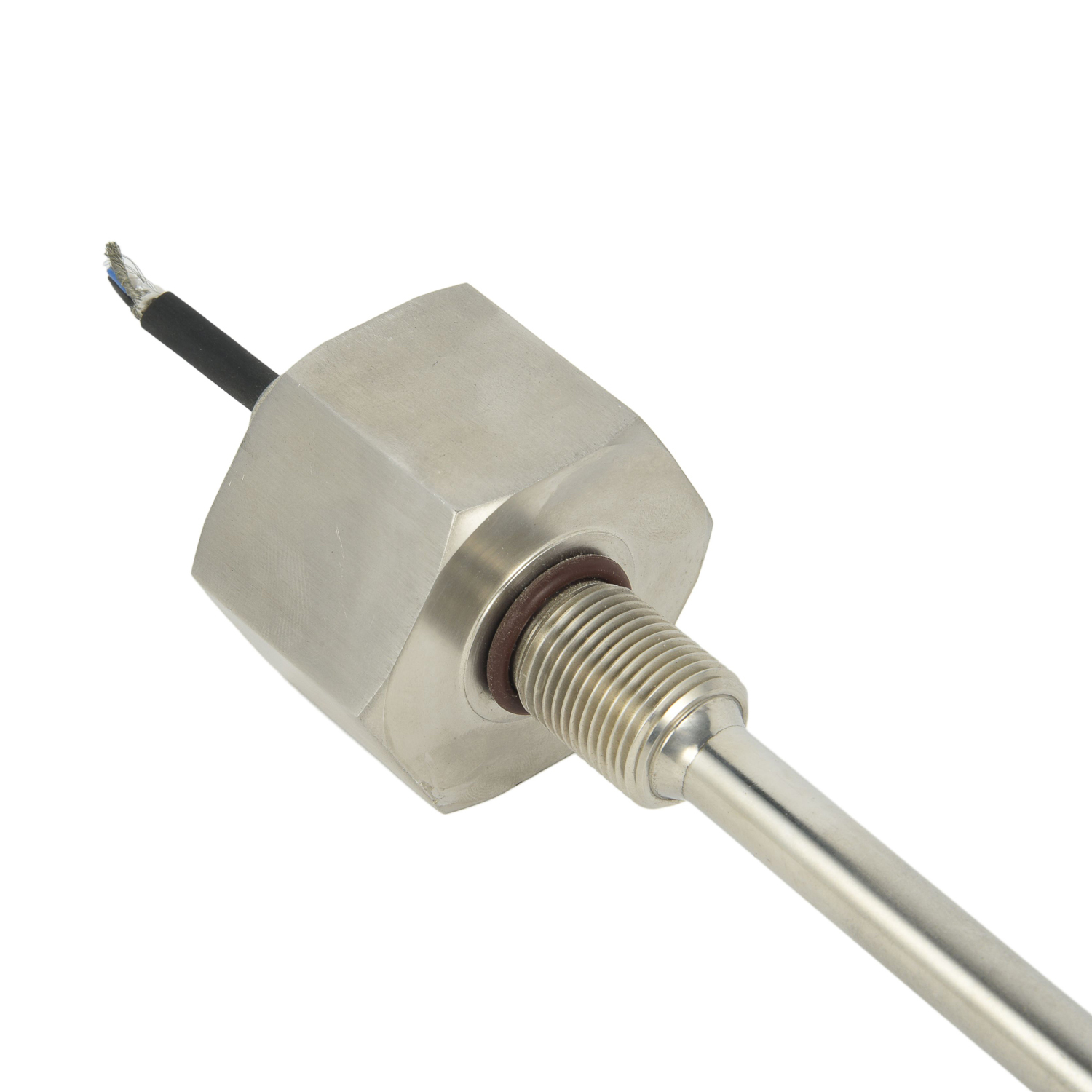
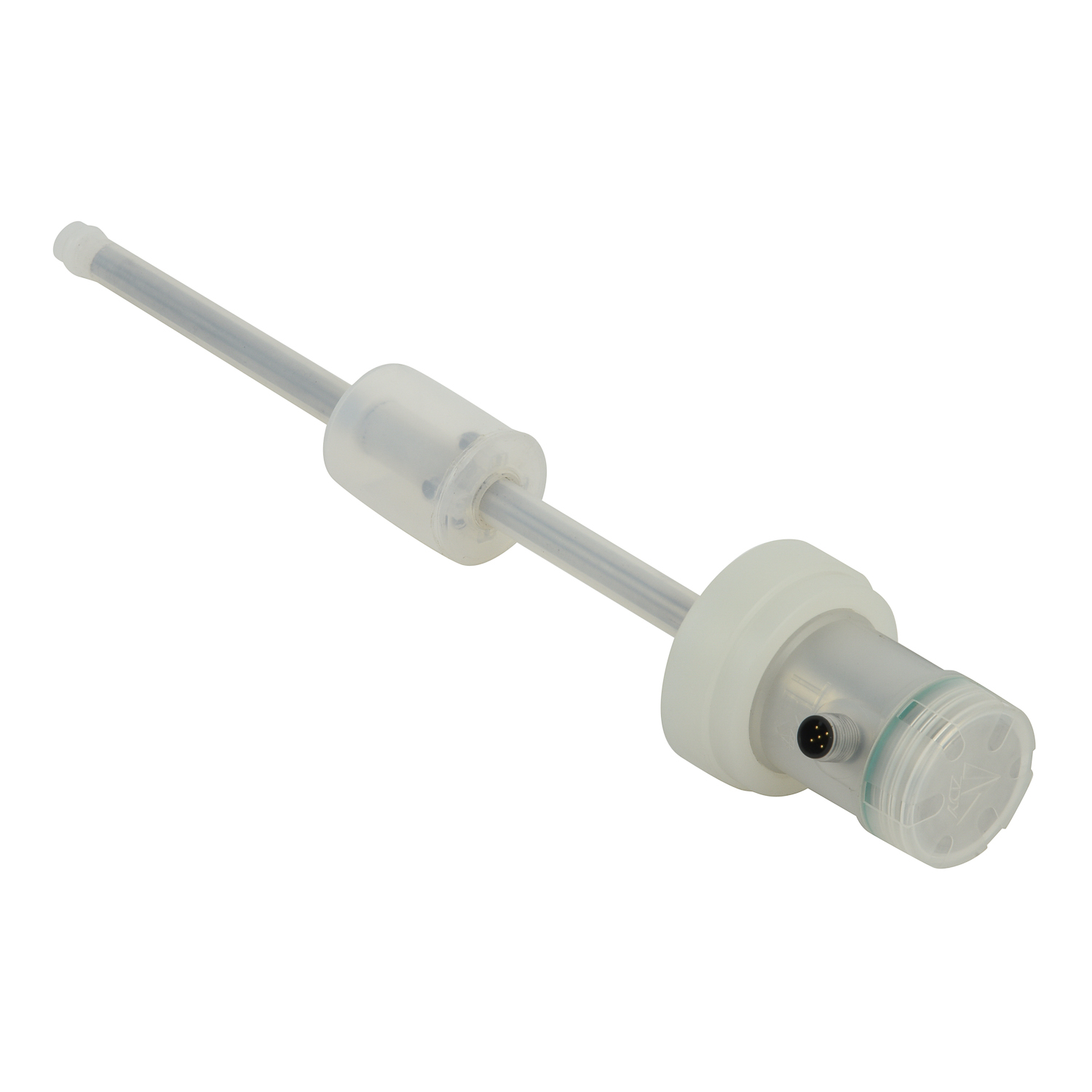 Radar Sensor for Material Tank
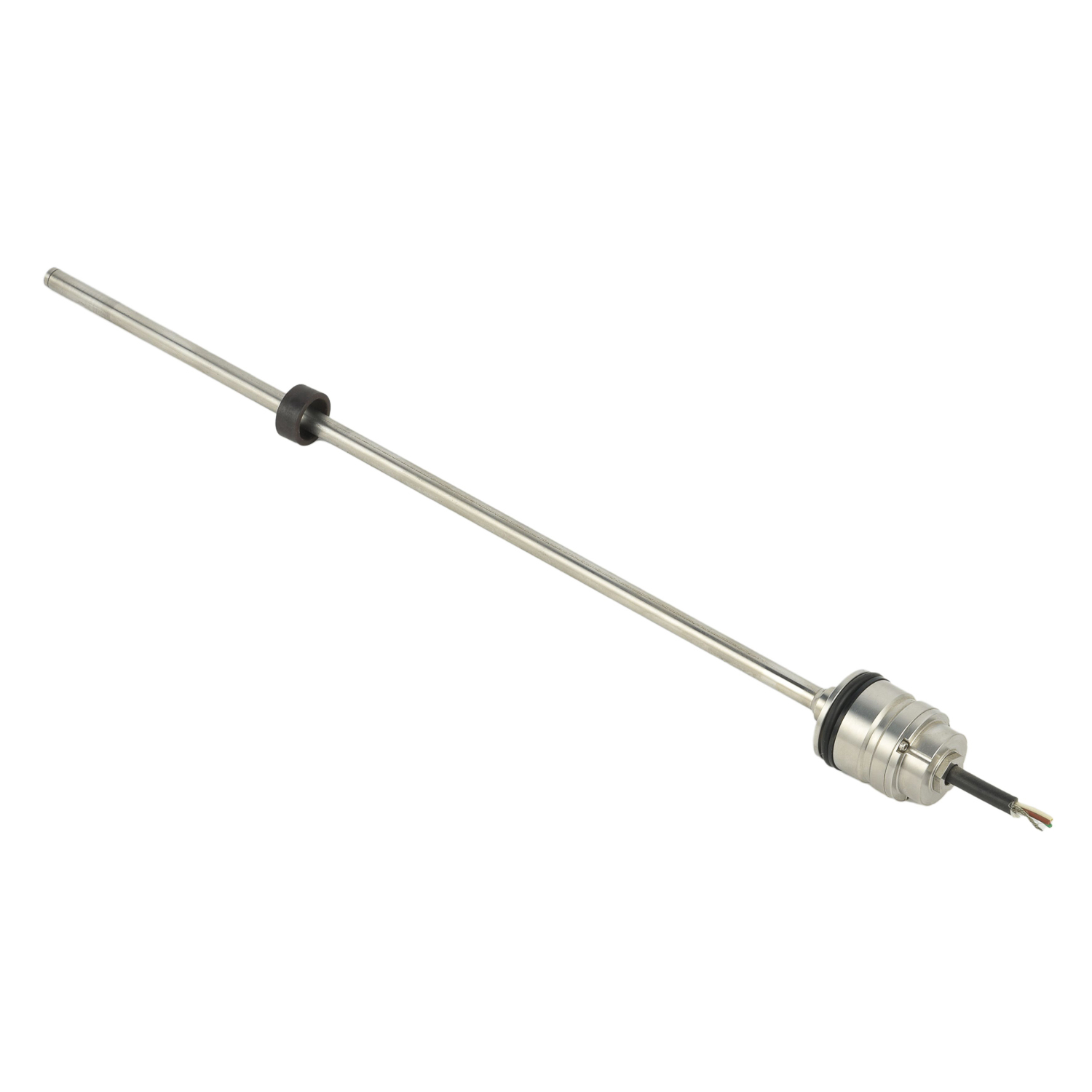 Radar Sensor for Grain and Oil
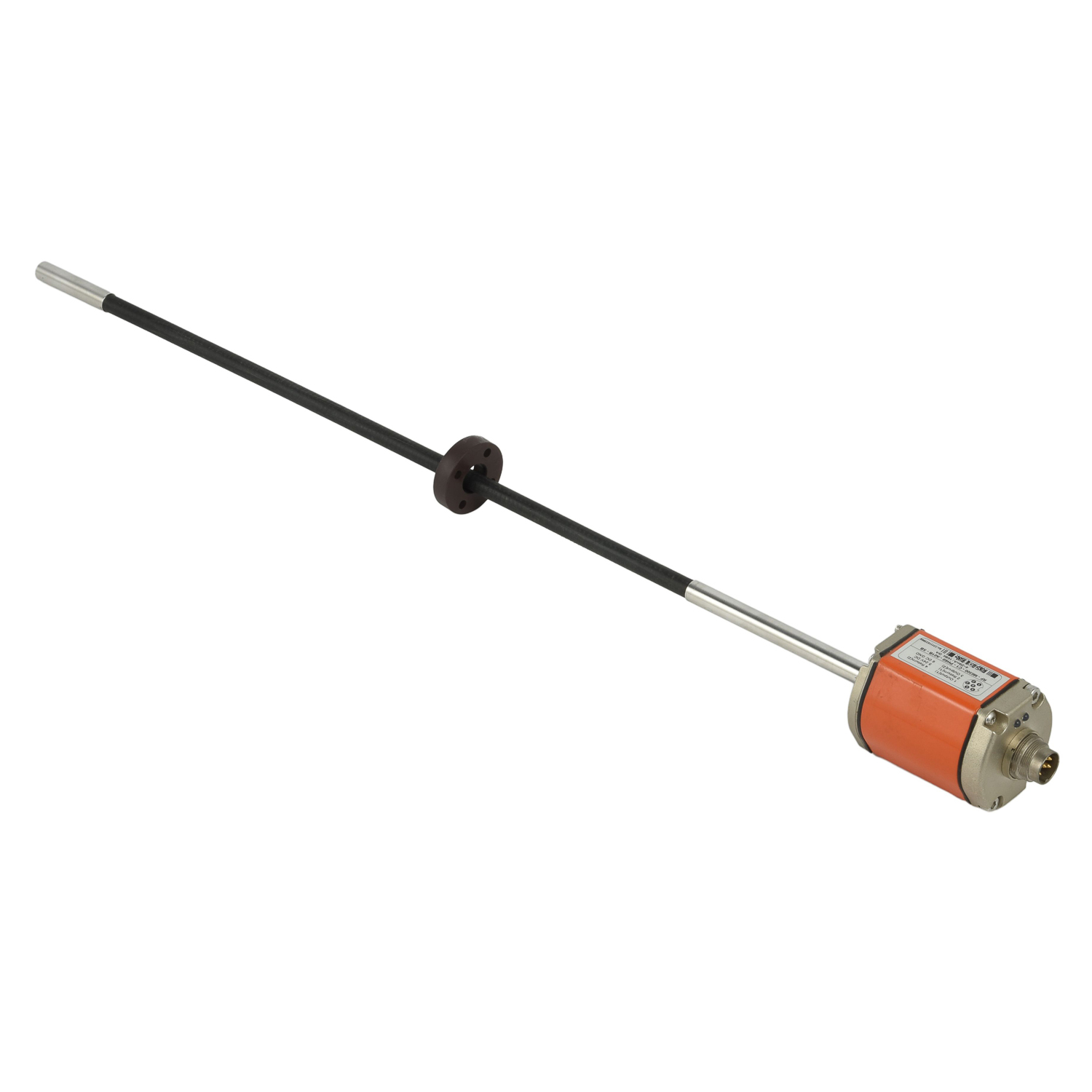 Radar Sensor for Mixing Statio
 Radar Sensor for Shield Tunnel