
Radar Sensor for Mining
Radar sensors are transforming mining operations by providing reliable detection in dust, darkness, fog, and rain. Unlike cameras and optical systems, radar measures distance and speed using radio waves, so it keeps working when visibility drops. In open-pit mines, radar sensors support collision avoidance on haul trucks, loaders, and light vehicles. They can detect pedestrians, other vehicles, and obstacles around blind spots, helping operators react earlier and reducing accidents. The data also supports zone monitoring and proximity alarms at crushers, dump points, and loading areas. For underground mining, compact radar units monitor clearance, support vehicle positioning, and improve safety in tunnels where dust and moisture are common. Radar also supports automation and remote control by feeding accurate range data to guidance systems. In material handling, radar sensors measure stockpile levels, monitor conveyor transfer points, and detect blockages without contact. This reduces downtime and improves flow control. Because radar is not affected by airborne particles, it offers stable performance in areas where optical sensors often fail. Modern mining radar sensors are rugged, low-maintenance, and designed for vibration, shock, and harsh temperatures. They can be integrated with fleet management and safety platforms to provide real-time alerts. By combining dependable sensing with data-driven decisions, radar technology helps mines improve productivity, protect workers.
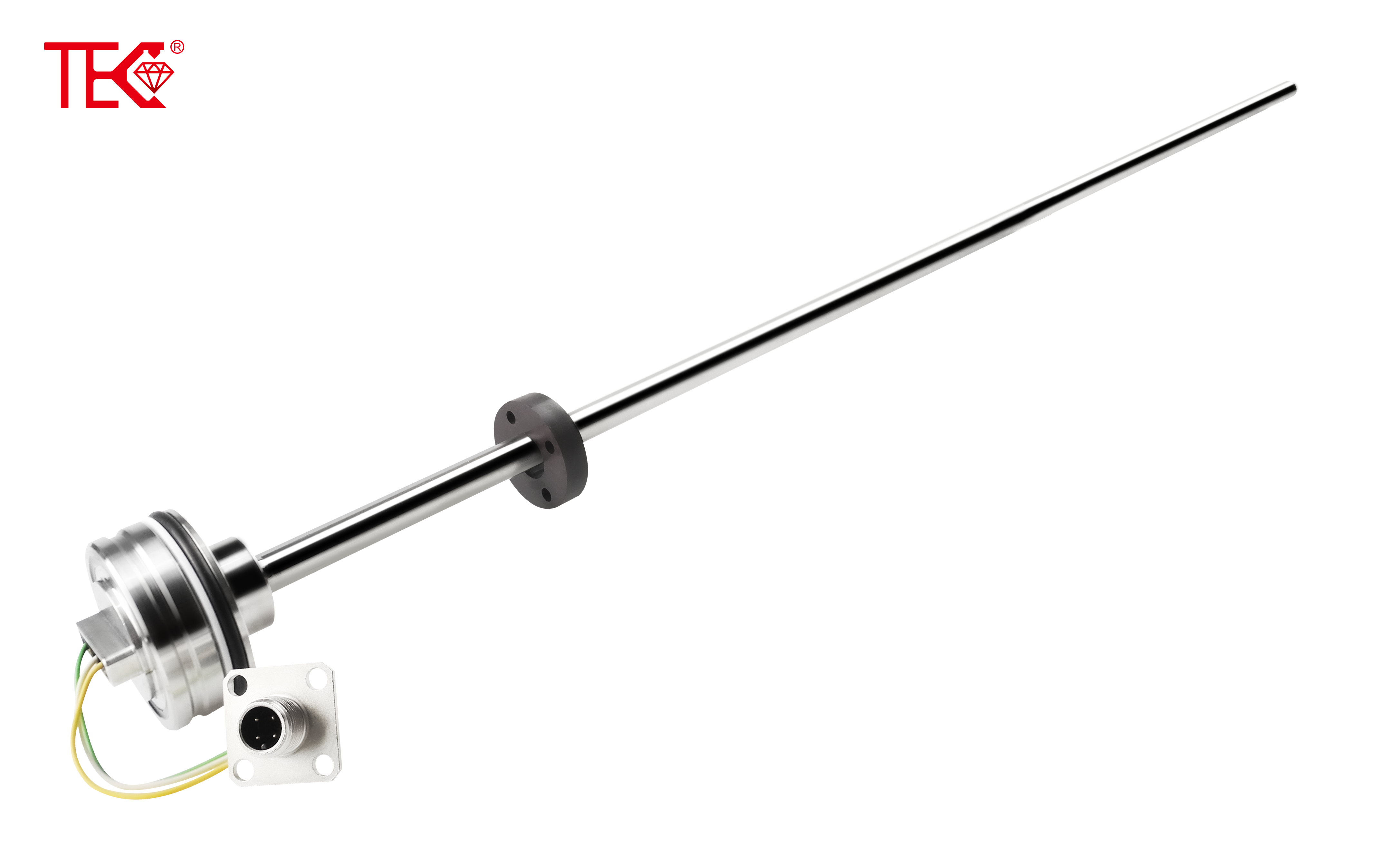
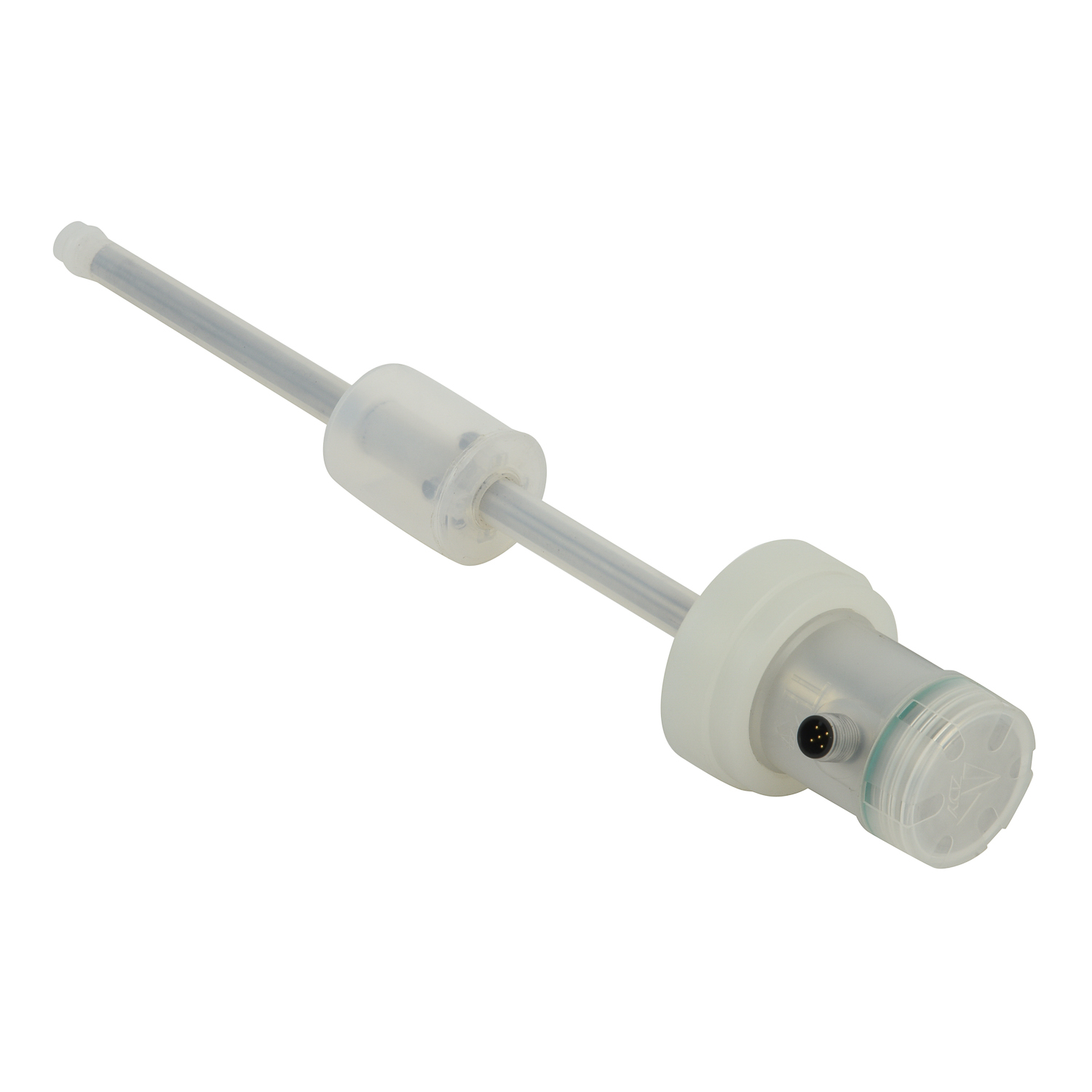 Radar Sensor for Material Tank
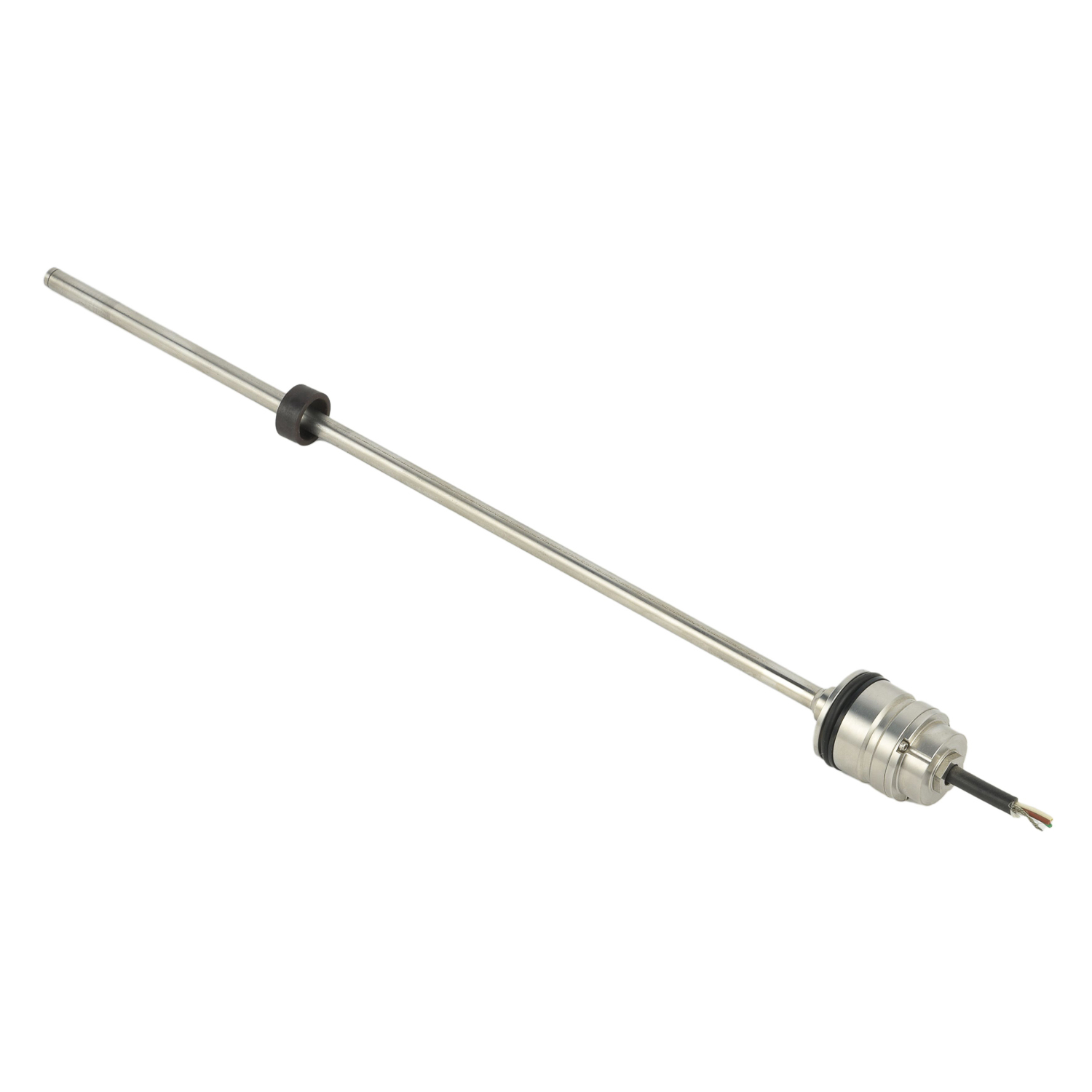 Radar Sensor for Grain and Oil
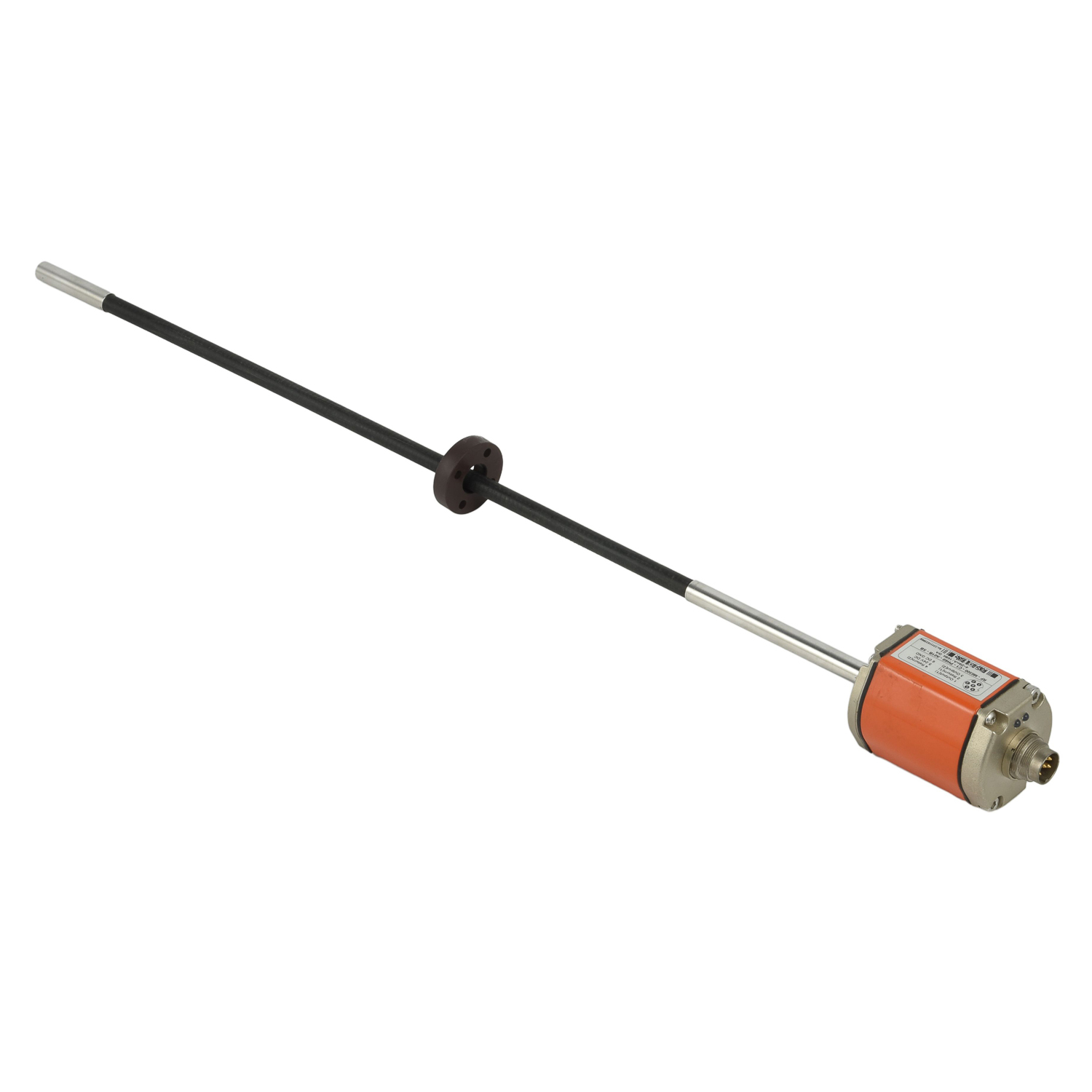 Radar Sensor for Mixing Statio
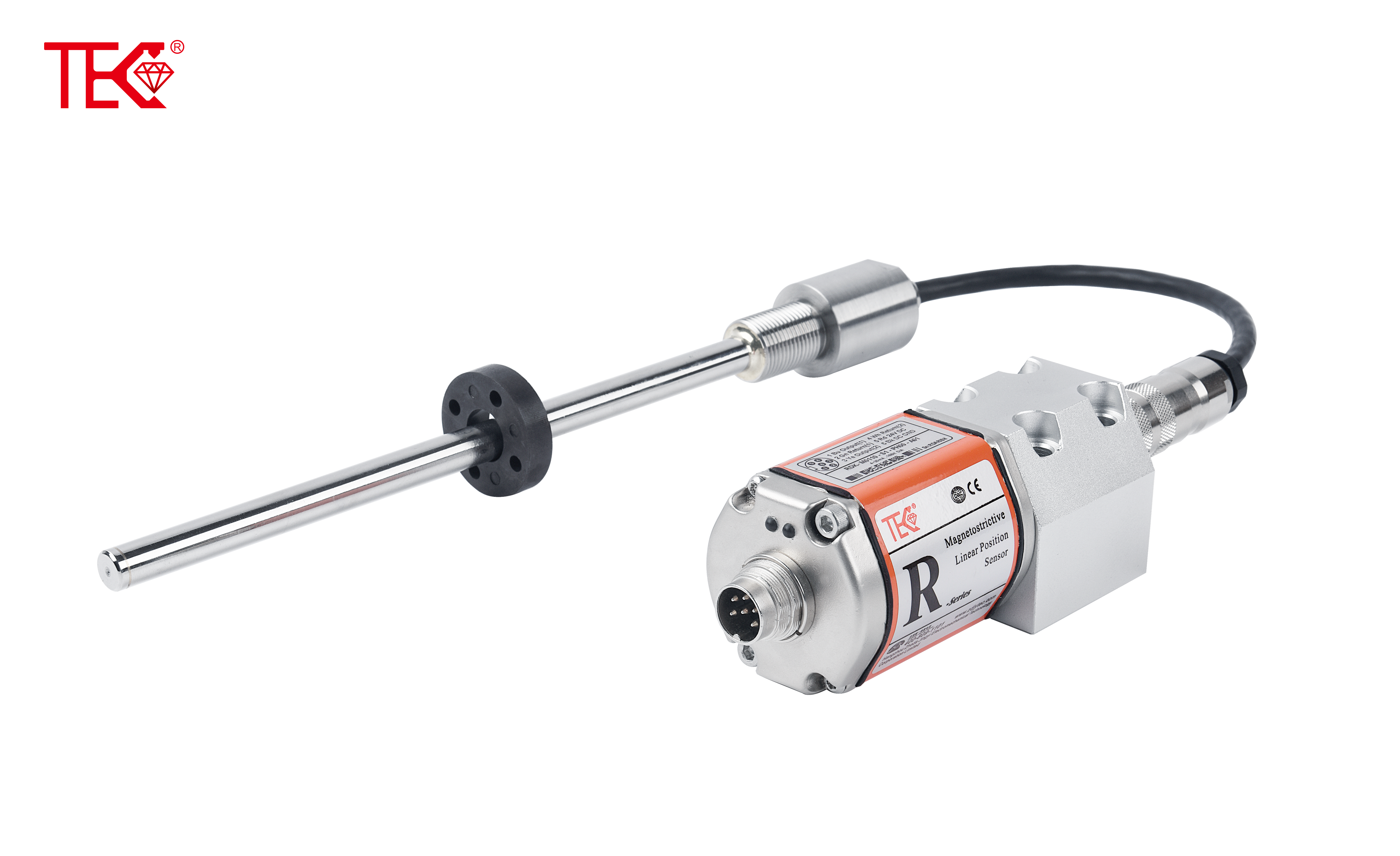 Radar Sensor for Shield Tunnel