
Radar Sensor for Metallurgy
Radar sensors are becoming essential in metallurgy because they measure levels and profiles without touching molten metal, slag, dust, or steam. Using FMCW technology, a high-frequency radar sensor sends a microwave signal to the process surface and calculates distance from the echo. This non-contact method avoids wear, sticking, and contamination, which are common problems for mechanical and capacitive instruments in steel plants. It also remains stable when dust, steam, and temperature change.
In blast furnaces, ladles, tundishes, and continuous casting molds, reliable level data support safer charging, stable casting, and better yield. Modern metallurgy radar sensors use rugged housings, cooling or purging systems, and high-temperature antennas to survive heat radiation, vibration, and aggressive atmospheres. They can monitor molten steel, slag, raw material silos, and waste bins with minimal maintenance. Outputs such as 4-20 mA, HART, PROFIBUS, or Ethernet connect easily to automation systems. Advanced signal processing filters steam and foam echoes, while self-diagnostics warn of antenna buildup or signal loss.
For plant engineers, the main benefits are continuous measurement, improved safety, lower maintenance cost, and clearer process control. Radar sensors also support energy saving and reduce operator exposure near hot equipment. When selected for temperature range, antenna material, purging, and mounting position, radar technology delivers dependable data in the toughest metallurgical environments.
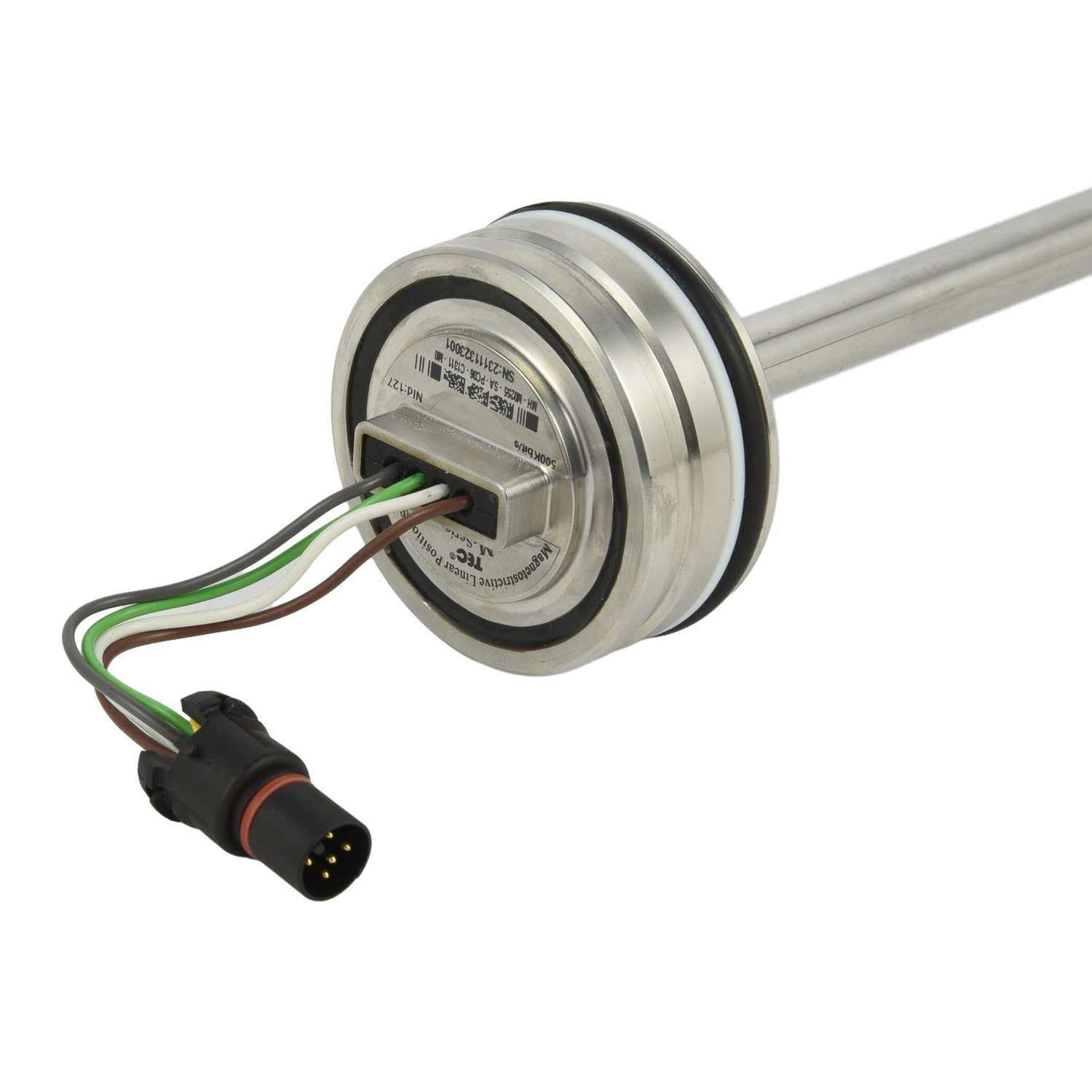
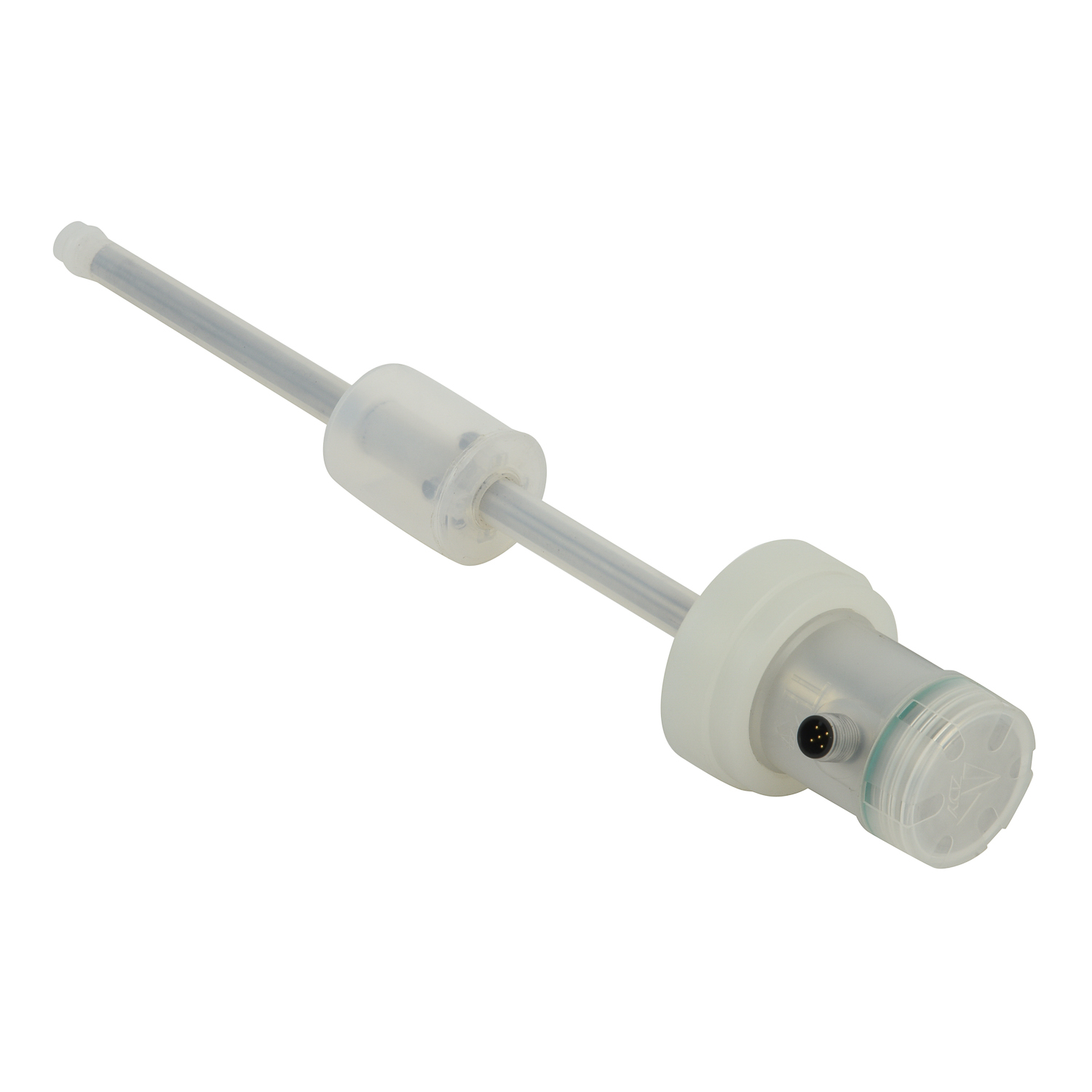 Radar Sensor for Material Tank
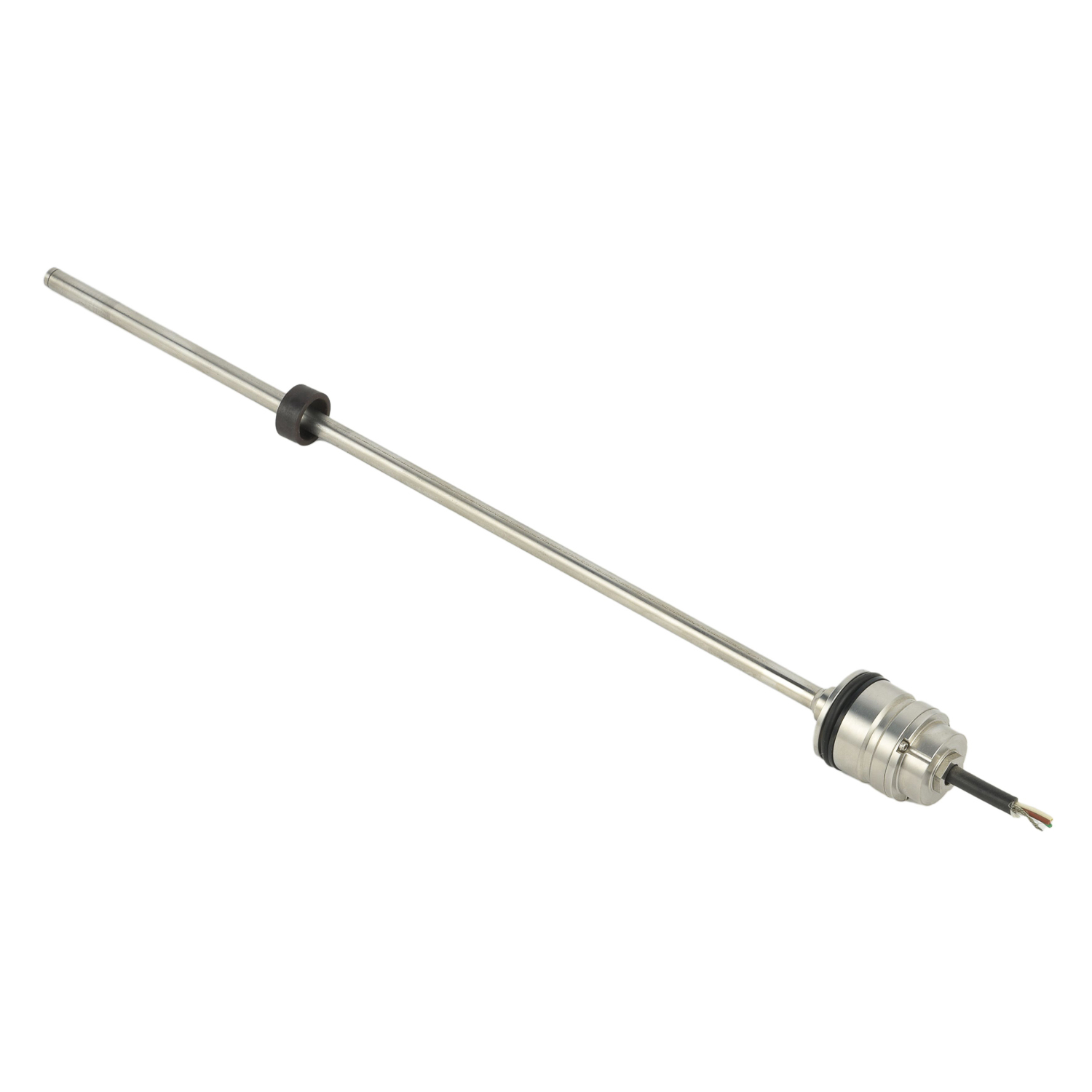 Radar Sensor for Grain and Oil
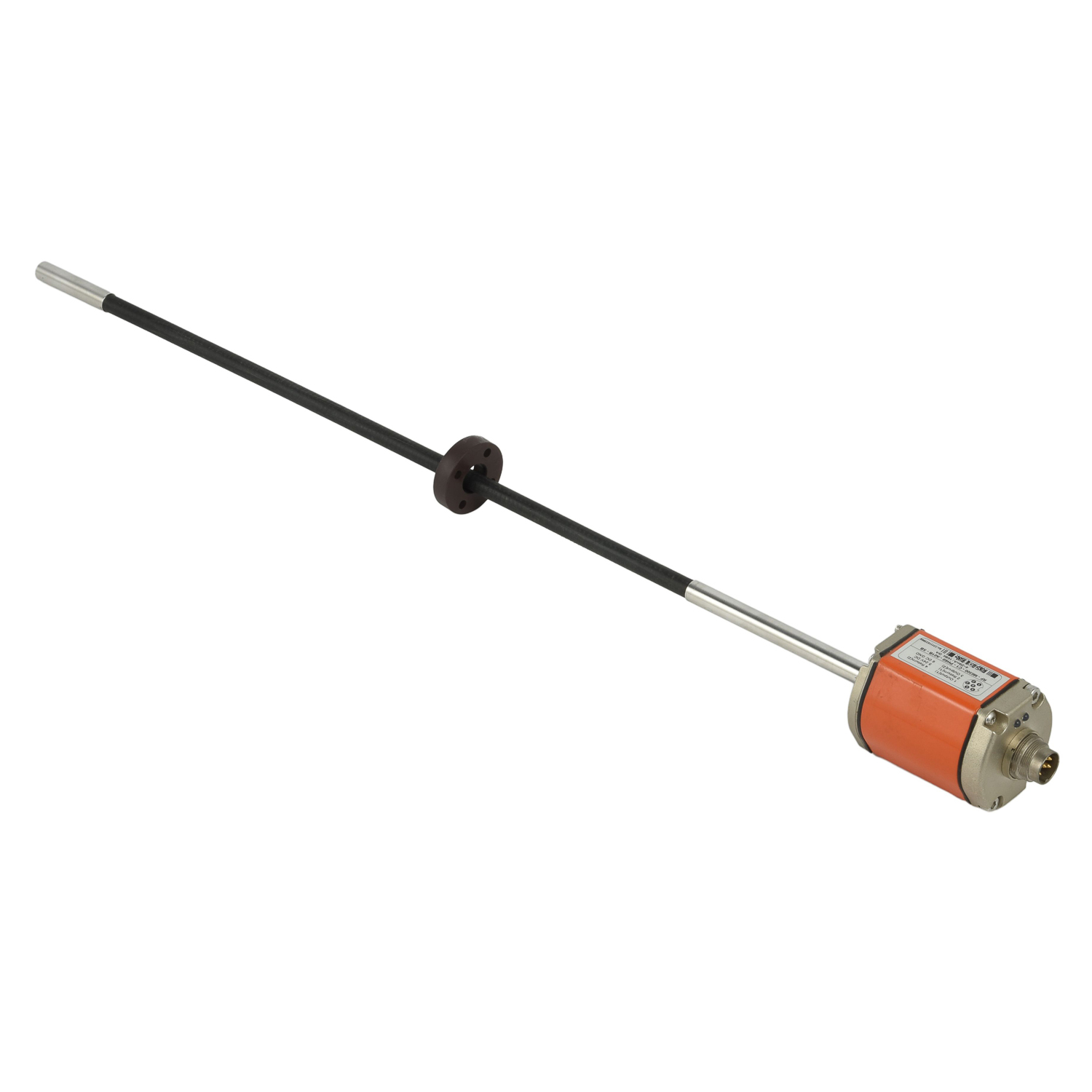 Radar Sensor for Mixing Statio
 Radar Sensor for Shield Tunnel