
Metallurgy Stacker-reclaimer Crane and Trolley Positioning
In metallurgical bulk material yards, stacker-reclaimers must handle iron ore, coal, and fluxes with high efficiency and safety. Accurate crane and trolley positioning is essential because every stacking and reclaiming cycle depends on stable travel, precise boom movement, and reliable trolley location. Modern systems combine PLC control, absolute encoders, laser distance measurement, and GNSS or RFID correction to detect crane and trolley positions in real time. Anti-sway control and closed-loop feedback reduce positioning errors, prevent collisions, and protect rails, booms, and stockpiles. For harsh environments, rugged sensors, dust protection, sealed cabinets, and redundant communication help maintain accuracy under vibration, heat, and dust. Operators can use automatic modes for repeatable stockpile profiles, while maintenance teams benefit from fault diagnostics and predictive alarms. Proper calibration, regular inspection, and safe interlocking are also critical. A well-designed positioning system should support manual, semi-automatic, and automatic operation, with clear HMI displays and emergency stop logic. Choosing the right sensor mix depends on yard layout, travel speed, dust level, and required repeatability. Commissioning should include track survey, reference point verification, and dynamic test runs under loaded conditions. By improving crane and trolley positioning, metallurgy plants achieve faster cycles, lower energy use, less material spillage, and safer bulk material handling.
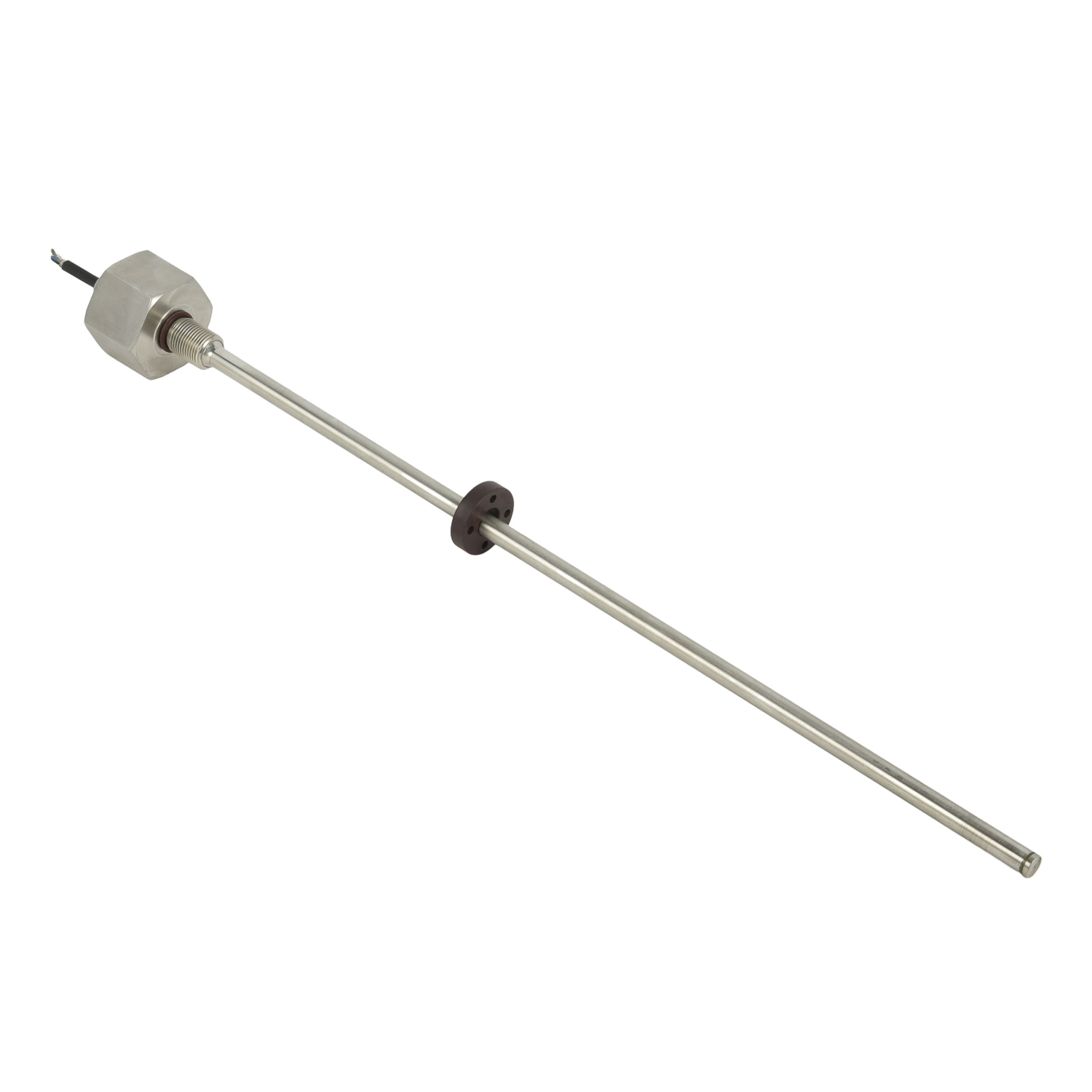
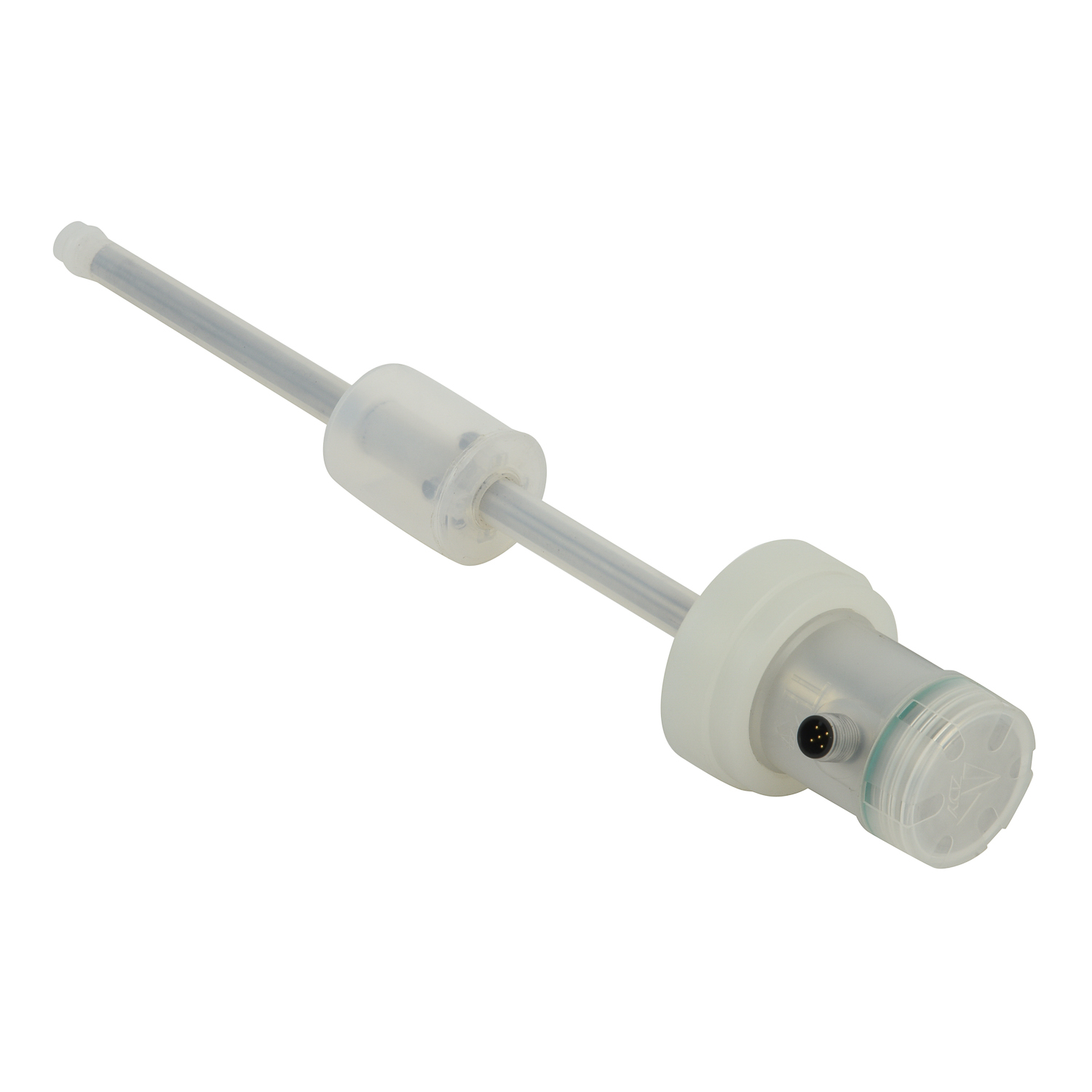 Radar Sensor for Material Tank
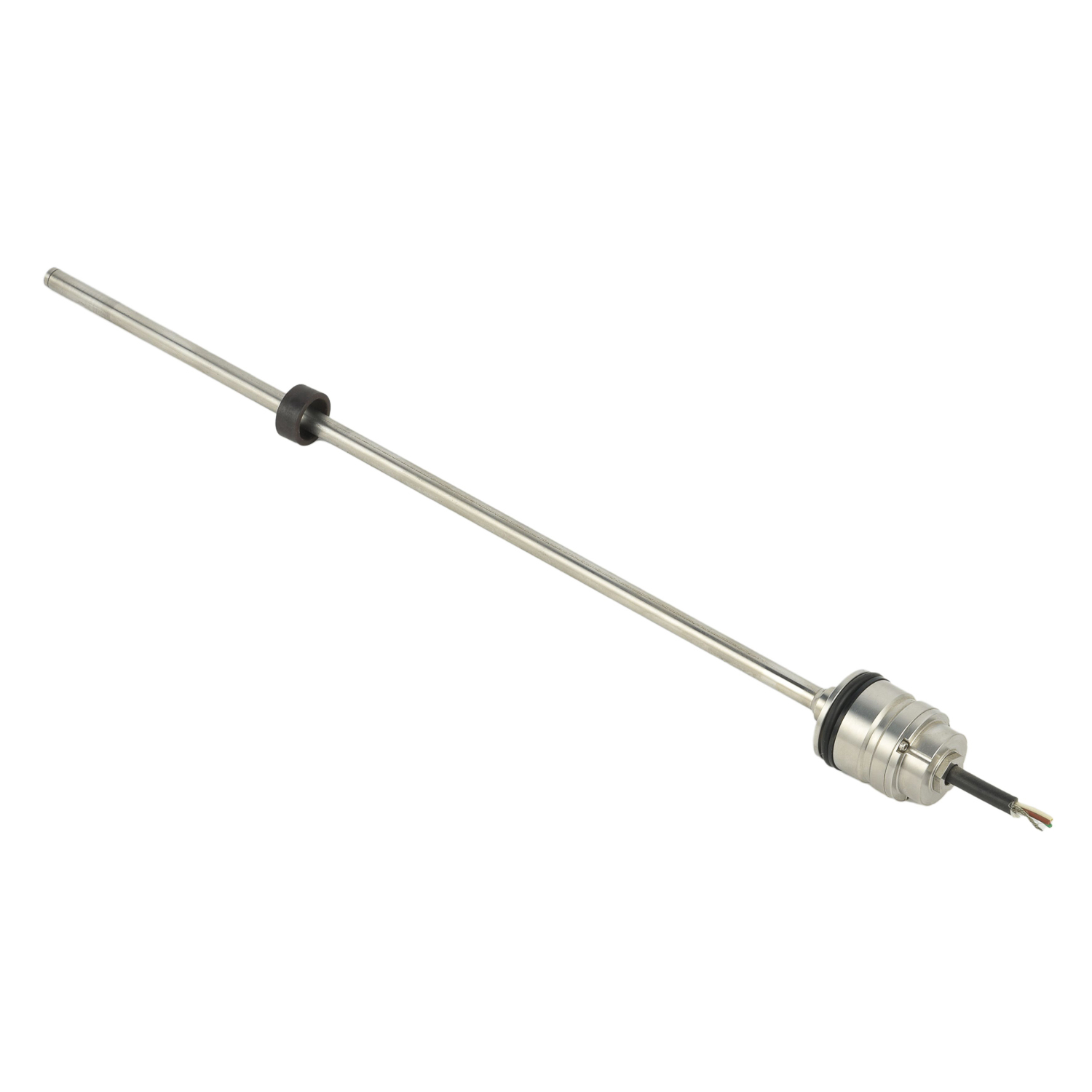 Radar Sensor for Grain and Oil
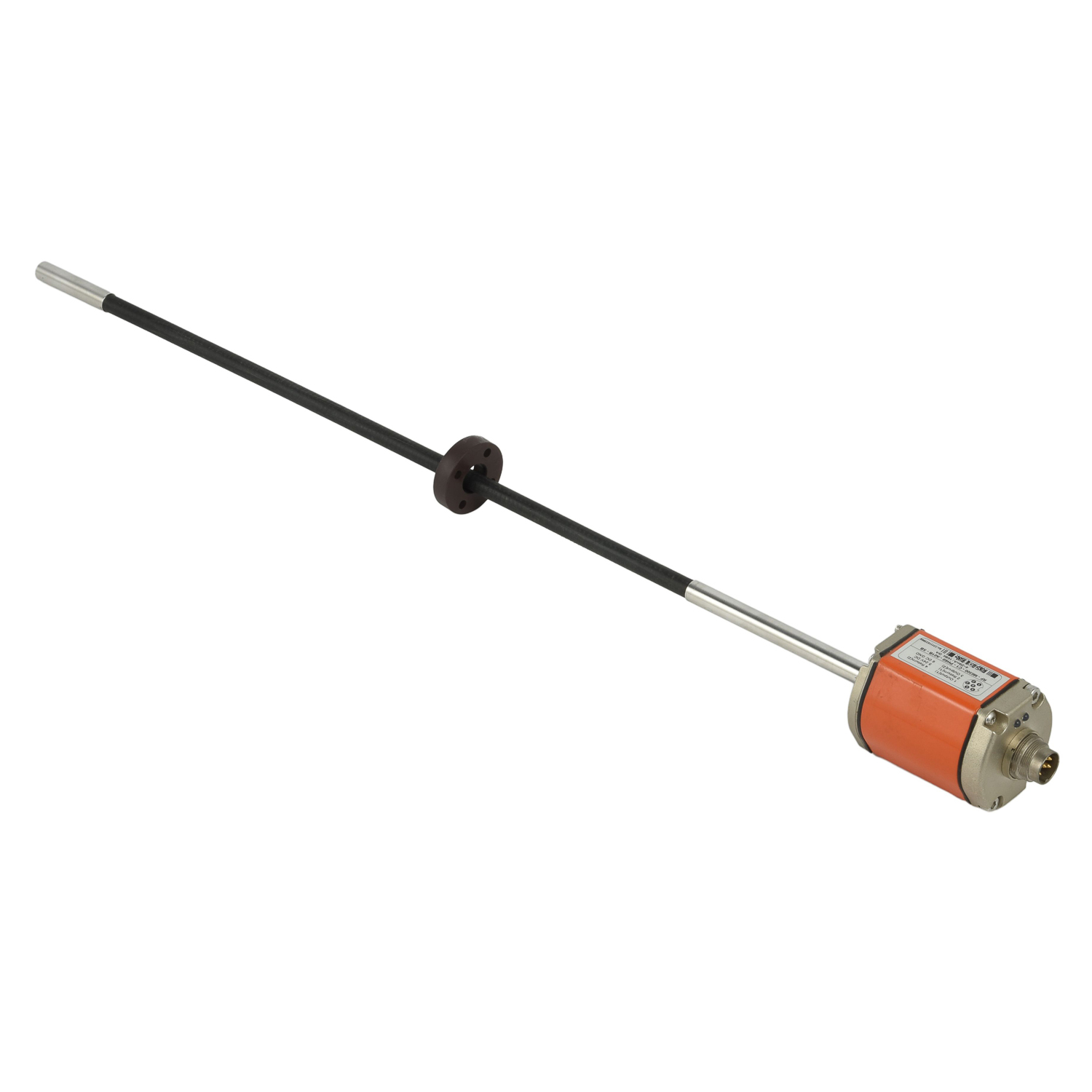 Radar Sensor for Mixing Statio
 Radar Sensor for Shield Tunnel