
Power Plant Bridge Crane Crane and Trolley Positioning
Reliable bridge crane and trolley positioning is essential in power plants, where heavy components must move safely around turbines, boilers, and electrical equipment. Accurate positioning improves load handling, reduces cycle time, and protects critical infrastructure. Modern systems combine encoders, laser distance sensors, limit switches, and PLC control to monitor bridge travel and trolley movement in real time. Absolute positioning helps operators place hooks and loads within millimeters, while anti-sway control limits dangerous pendulum motion during fast moves. In coal, gas, and nuclear facilities, robust feedback devices resist heat, dust, vibration, and electromagnetic interference. Redundant sensors and fail-safe brakes support safe operation and simplify maintenance. Integration with crane management software enables zone control, collision avoidance, and logged movement data for inspections. Regular calibration of encoders and sensor alignment is important for repeatable accuracy. Wireless and bus-based communication reduce cabling and improve diagnostics. Operators should receive training on positioning displays, manual override procedures, and emergency stops. Choosing the right positioning technology depends on plant layout, duty cycle, and environmental conditions. Periodic inspection of rails, wheels, and alignment also helps maintain precise travel. With well-designed crane and trolley positioning, power plants achieve safer lifts, lower downtime, and longer equipment life.
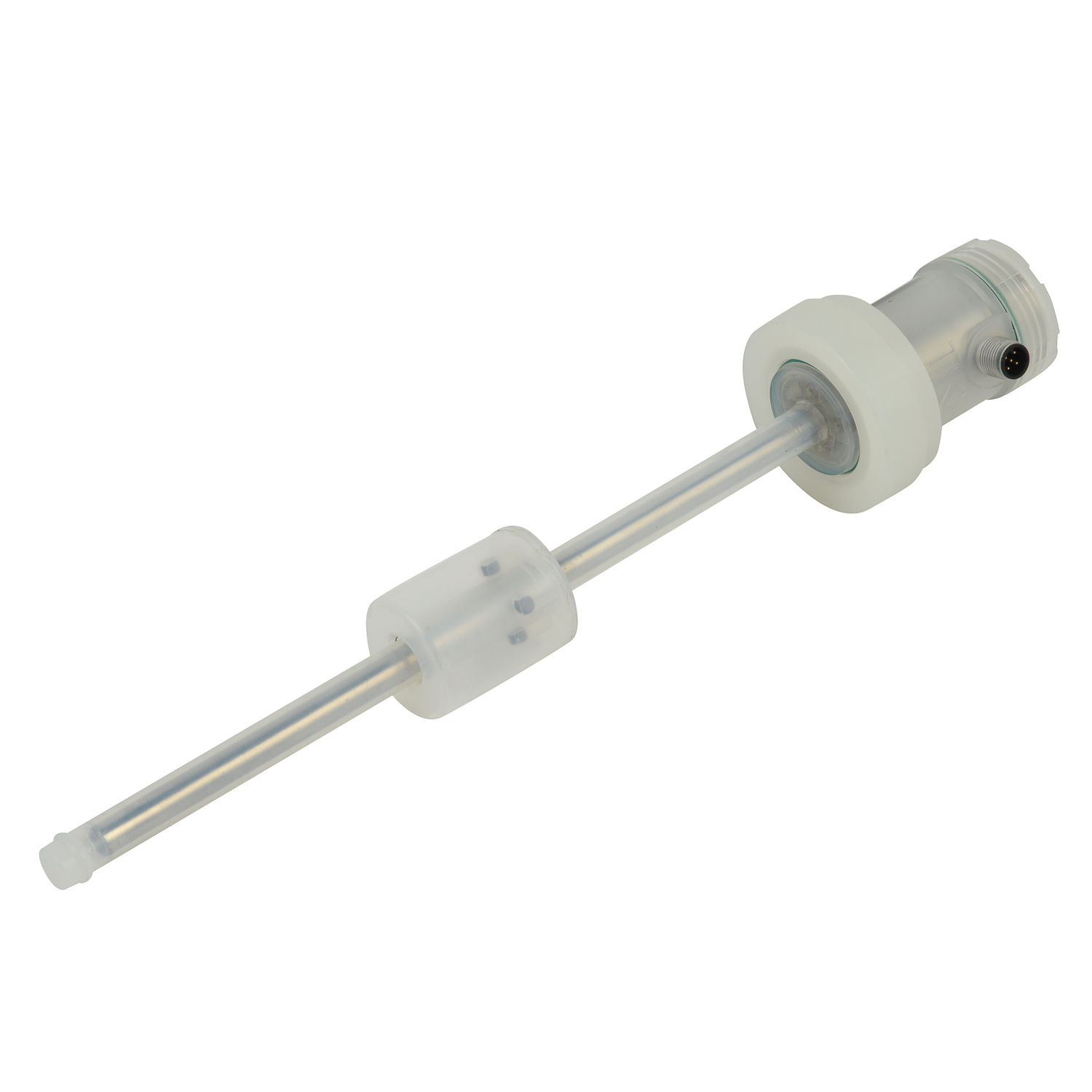
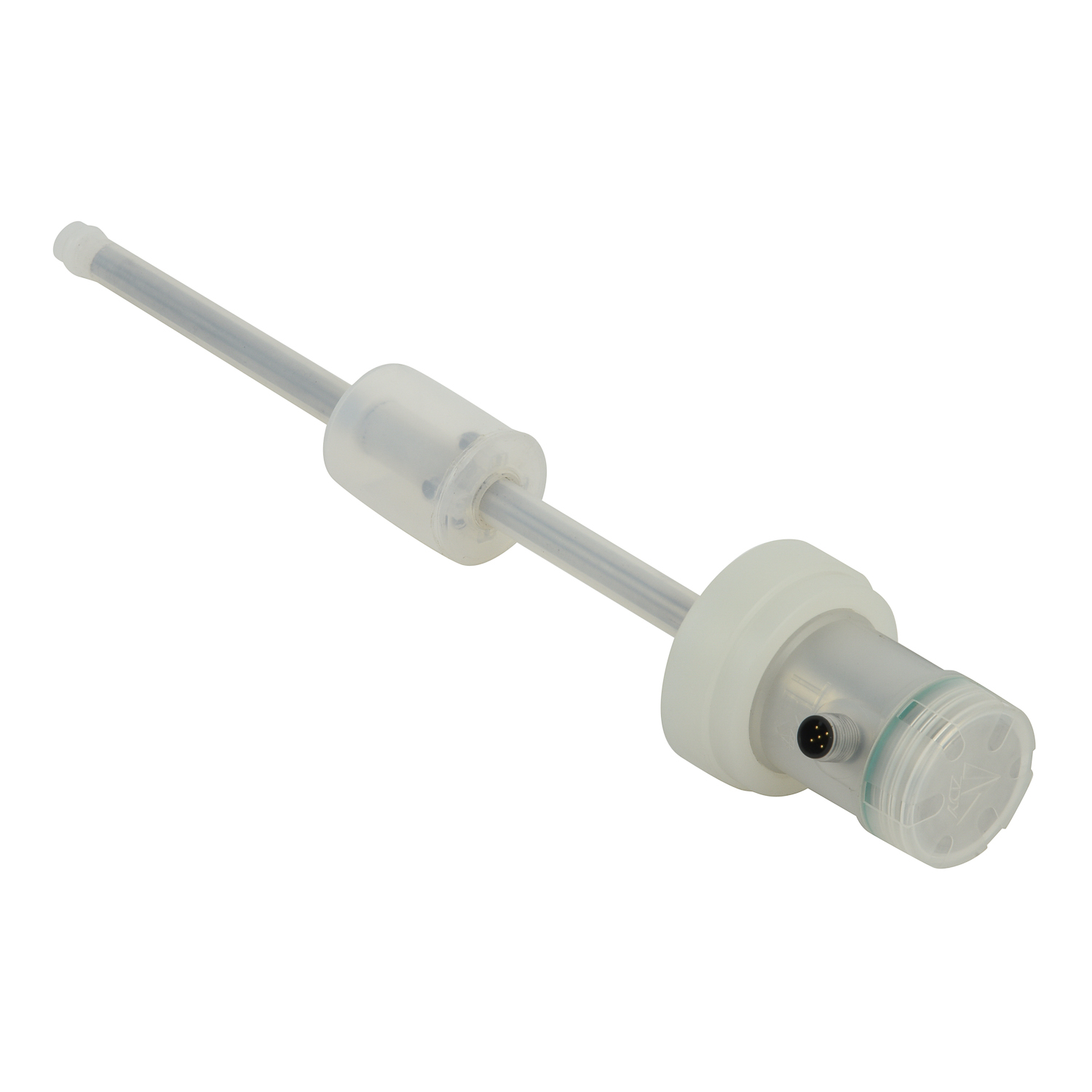 Radar Sensor for Material Tank
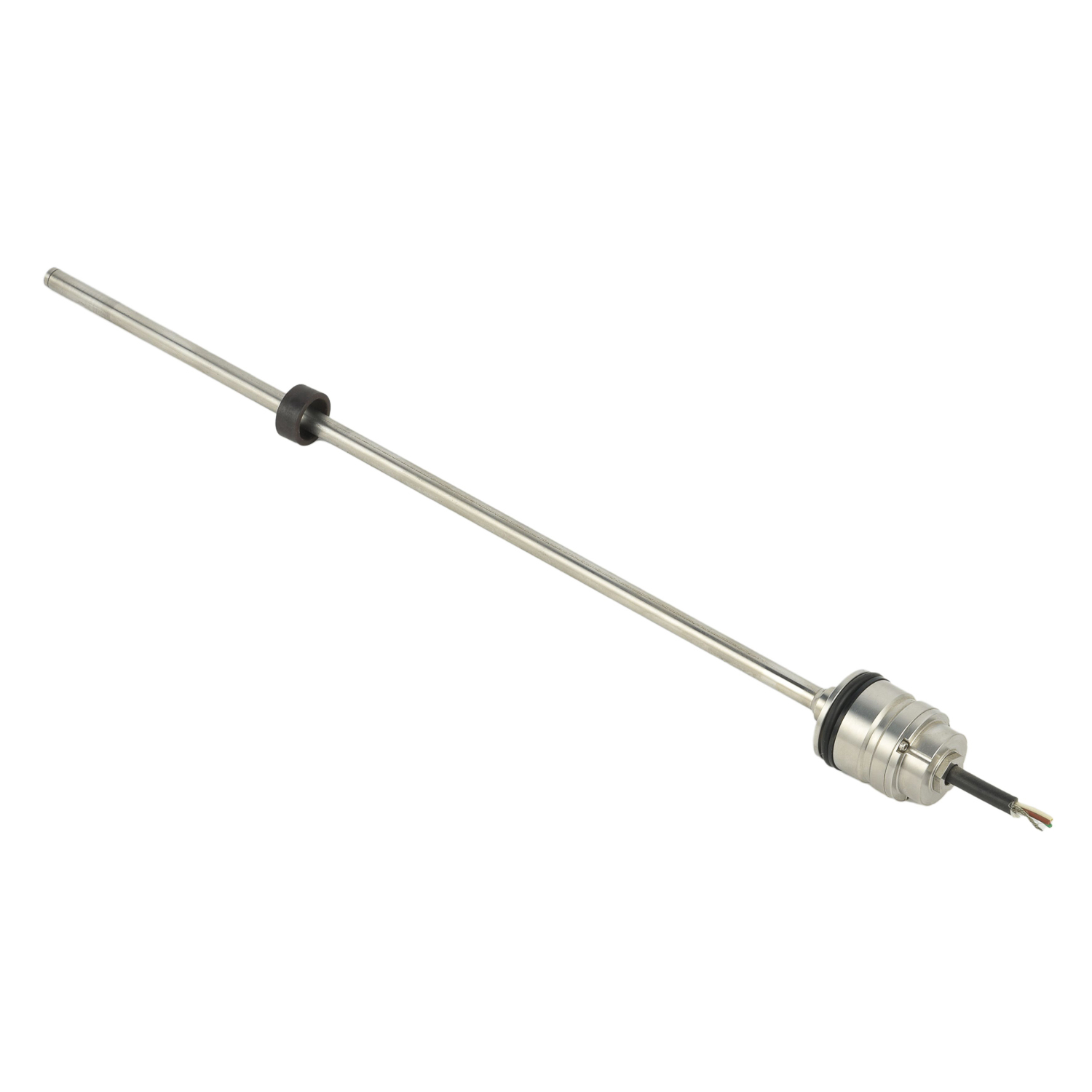 Radar Sensor for Grain and Oil
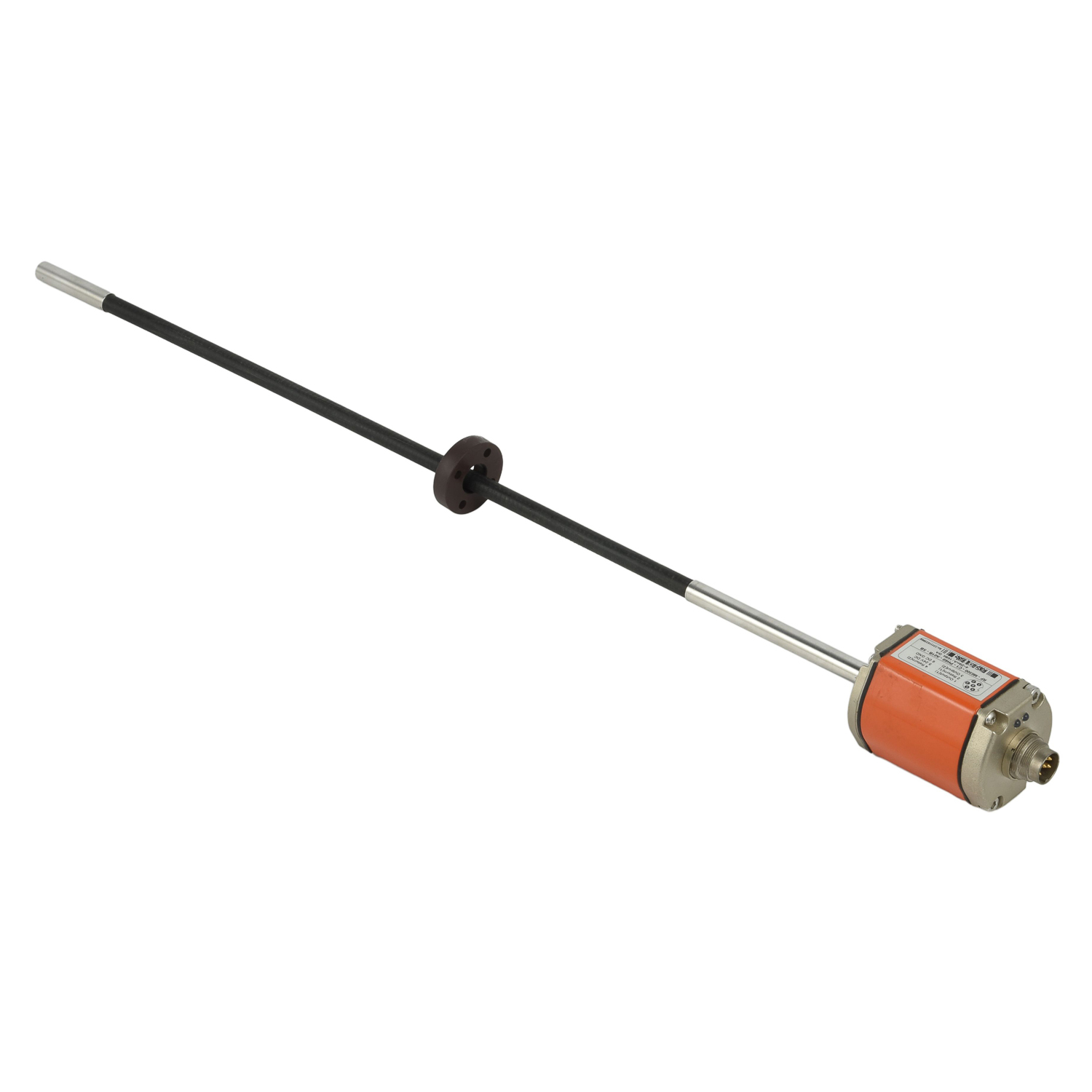 Radar Sensor for Mixing Statio
 Radar Sensor for Shield Tunnel