
Mining Bucket Wheel Stacker-reclaimer Crane and Trolley Positioning
Mining bucket wheel stacker-reclaimers depend on accurate crane and trolley positioning to handle high-volume bulk materials safely. The stacker-reclaimer travels along a rail, while the bucket wheel and boom perform stacking or reclaiming. Trolley positioning controls the horizontal movement of the boom or transfer point, and crane positioning coordinates the main machine with yard layout, stockpile profile, and conveyor routes. Reliable position data prevents collision, over-travel, uneven stockpiles, and conveyor overload.
Modern systems combine absolute encoders, laser distance sensors, GPS/GNSS, RFID rail tags, and limit switches. A PLC or industrial controller fuses these signals and compares them with the digital stockyard map. Closed-loop control then adjusts travel, slewing, and trolley speed. For dusty mining sites, robust sensors, redundancy, and regular calibration are essential. Accurate positioning supports automatic stacking, reclaiming, anti-collision, and remote operation, improving productivity and reducing maintenance.
Proper commissioning includes reference point setup, encoder zeroing, sensor alignment, and communication testing. Operators should monitor position drift, rail condition, cable reels, and trolley wheels. With real-time crane and trolley coordinates, the stacker-reclaimer can follow planned stockpile profiles, avoid equipment clashes, and reduce operator fatigue. This makes precise positioning a core part of intelligent bulk material handling.
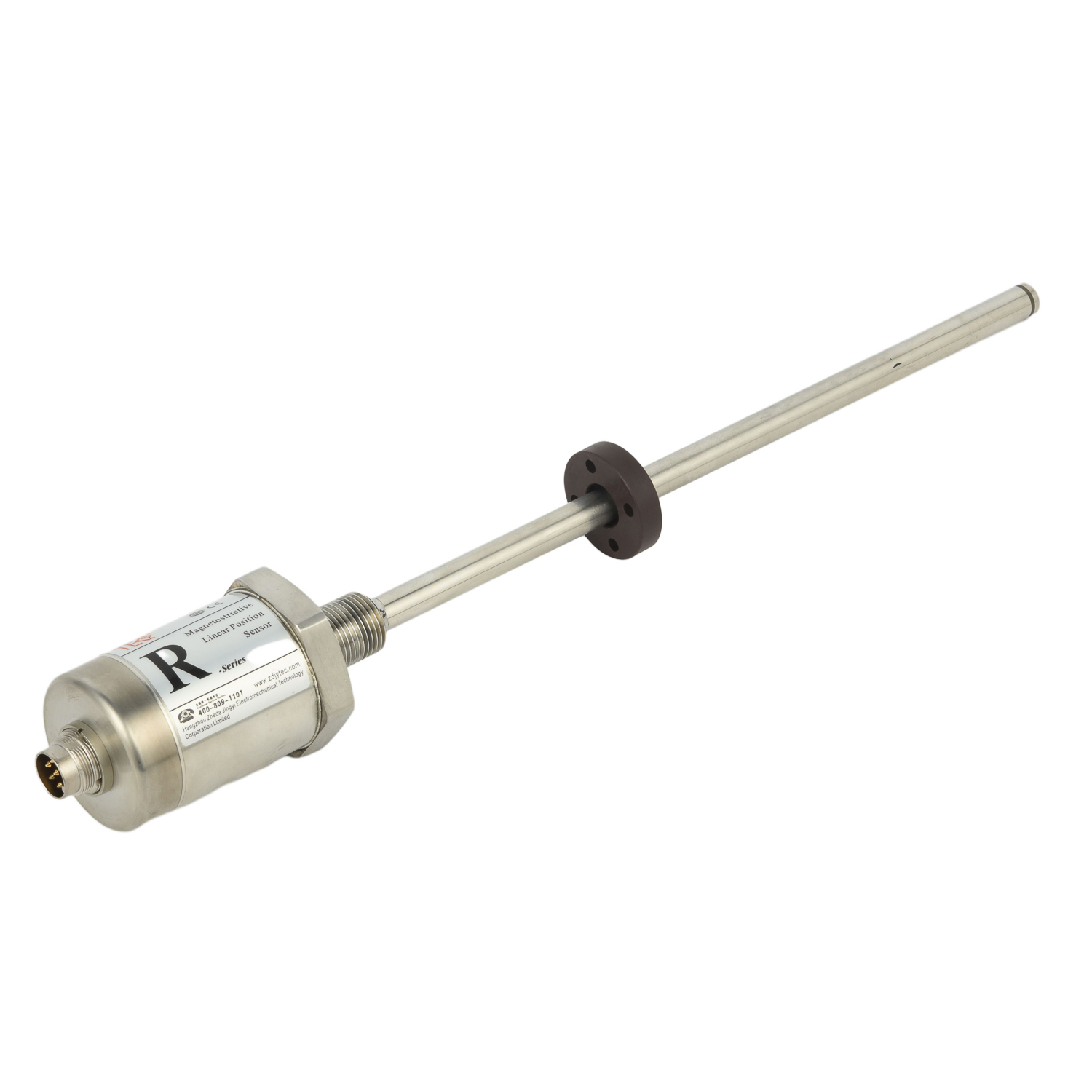
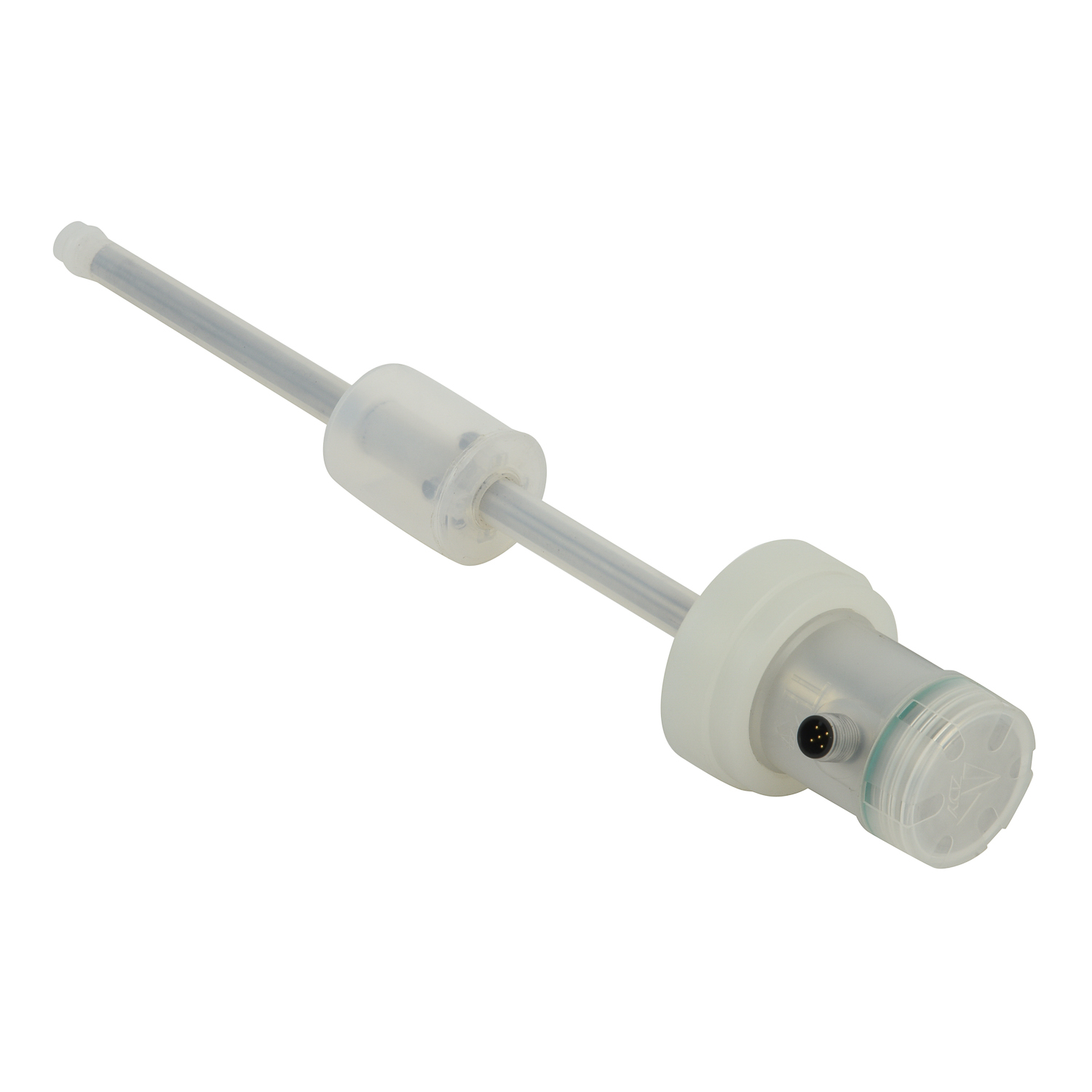 Radar Sensor for Material Tank
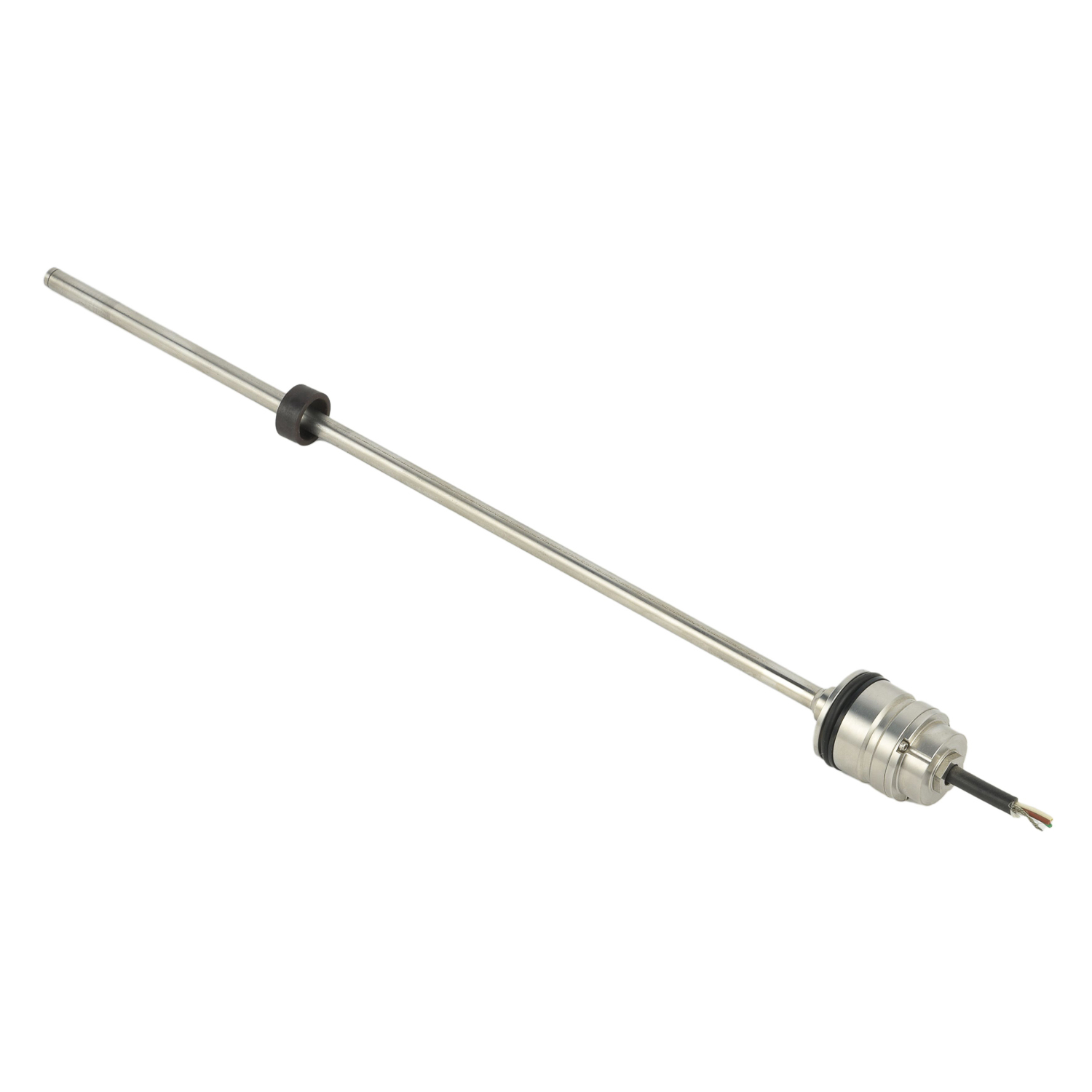 Radar Sensor for Grain and Oil
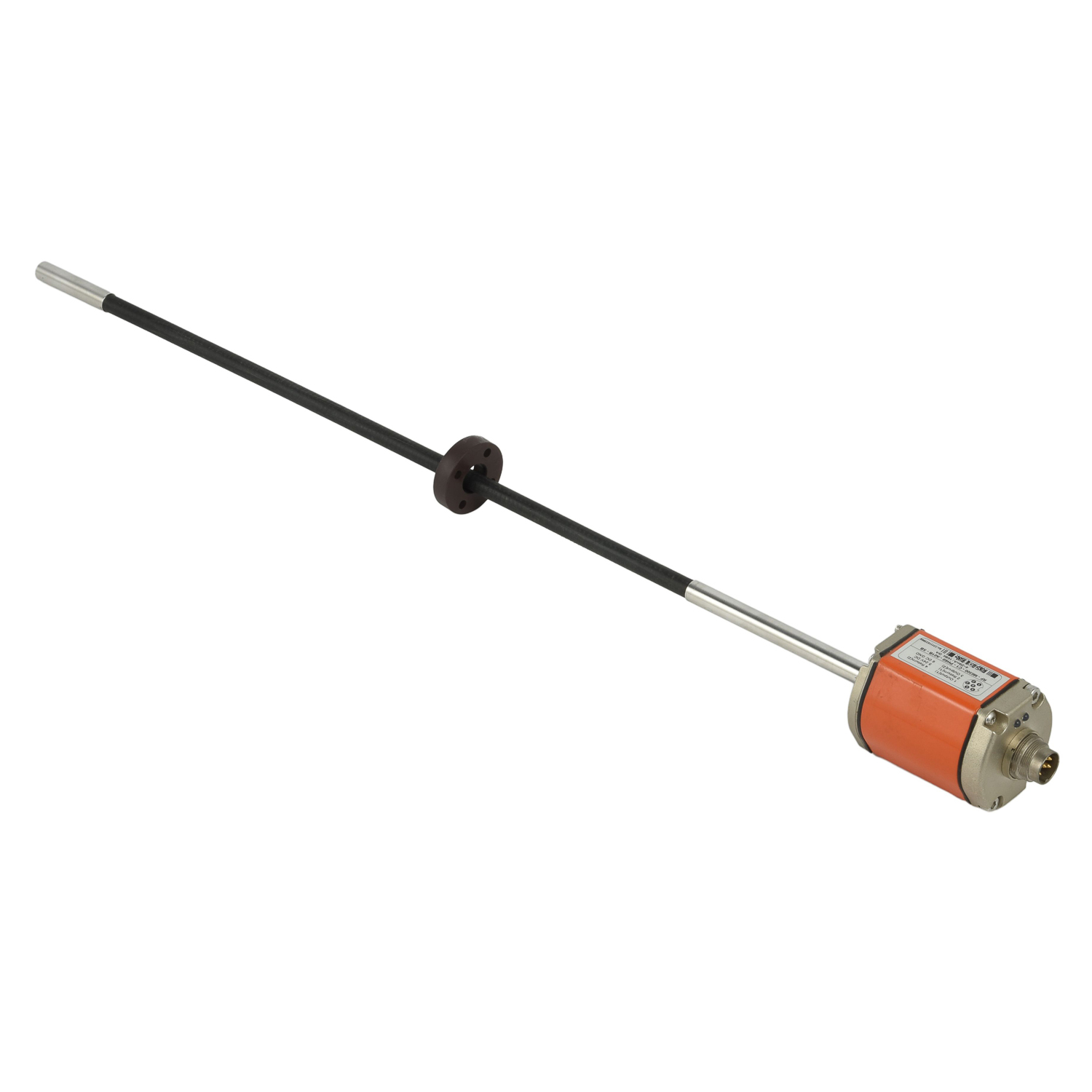 Radar Sensor for Mixing Statio
 Radar Sensor for Shield Tunnel