
Port Overhead Crane Crane and Trolley Positioning
Accurate crane and trolley positioning is now essential for safe, efficient container handling. A port overhead crane must place its spreader precisely over moving trucks, rail wagons, and stacks while wind, load swing, and operator visibility affect every move. Advanced positioning systems combine RTK-GNSS, laser rangefinders, encoders, and machine vision to calculate the crane bridge and trolley location in real time. These data streams feed the crane control system, which guides the trolley, limits sway, and confirms the pick or set position before the twistlocks engage.
Automation depends on repeatable positioning. When the trolley stops within centimeters of the target, cycle times become shorter and rework decreases. Anti-sway control and micro-speed adjustment reduce impact on containers and spreaders, while zone monitoring prevents collisions with adjacent cranes, personnel, and terminal structures. For retrofit projects, robust sensors and calibrated reference points can improve existing manual cranes without replacing the full drive system.
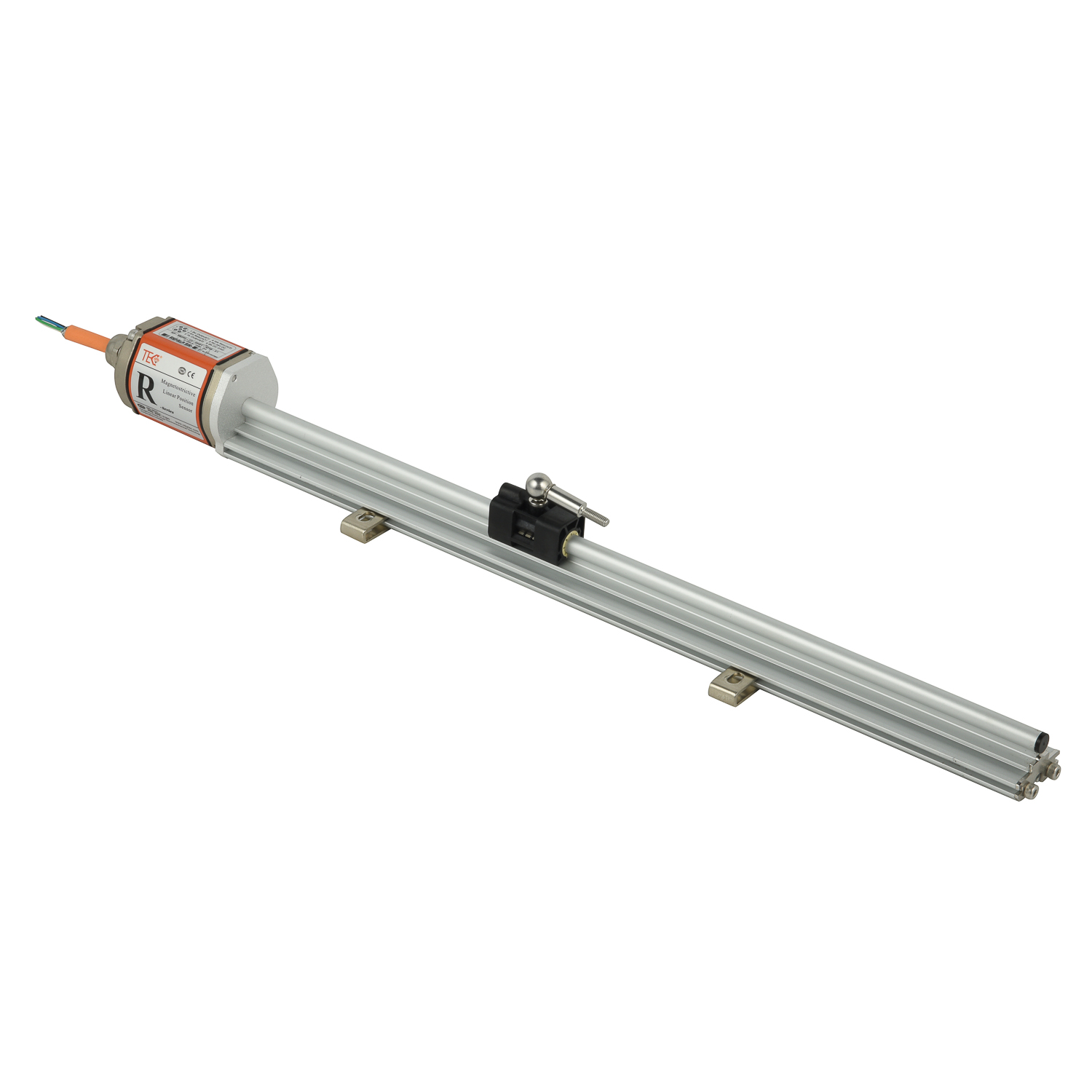
Maintenance benefits. Encoder checks, sensor cleaning, calibration verification, and software diagnostics keep positioning accuracy stable in salt, dust, and vibration. Operators receive clear feedback through HMI displays, so faults are corrected before they cause delays. By integrating reliable crane and trolley positioning with terminal operating systems, ports gain smoother handovers, higher throughput, and safer operations.
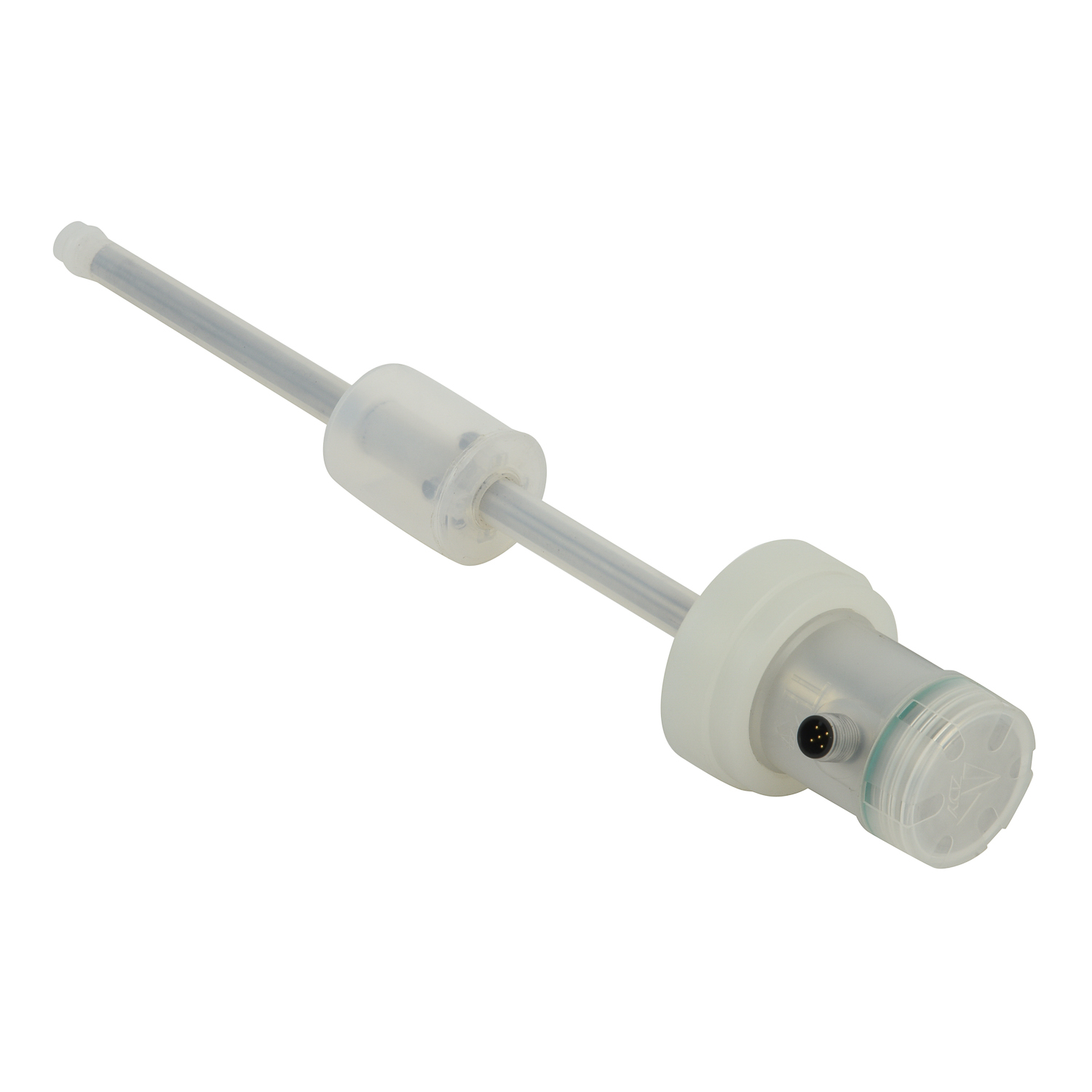 Radar Sensor for Material Tank
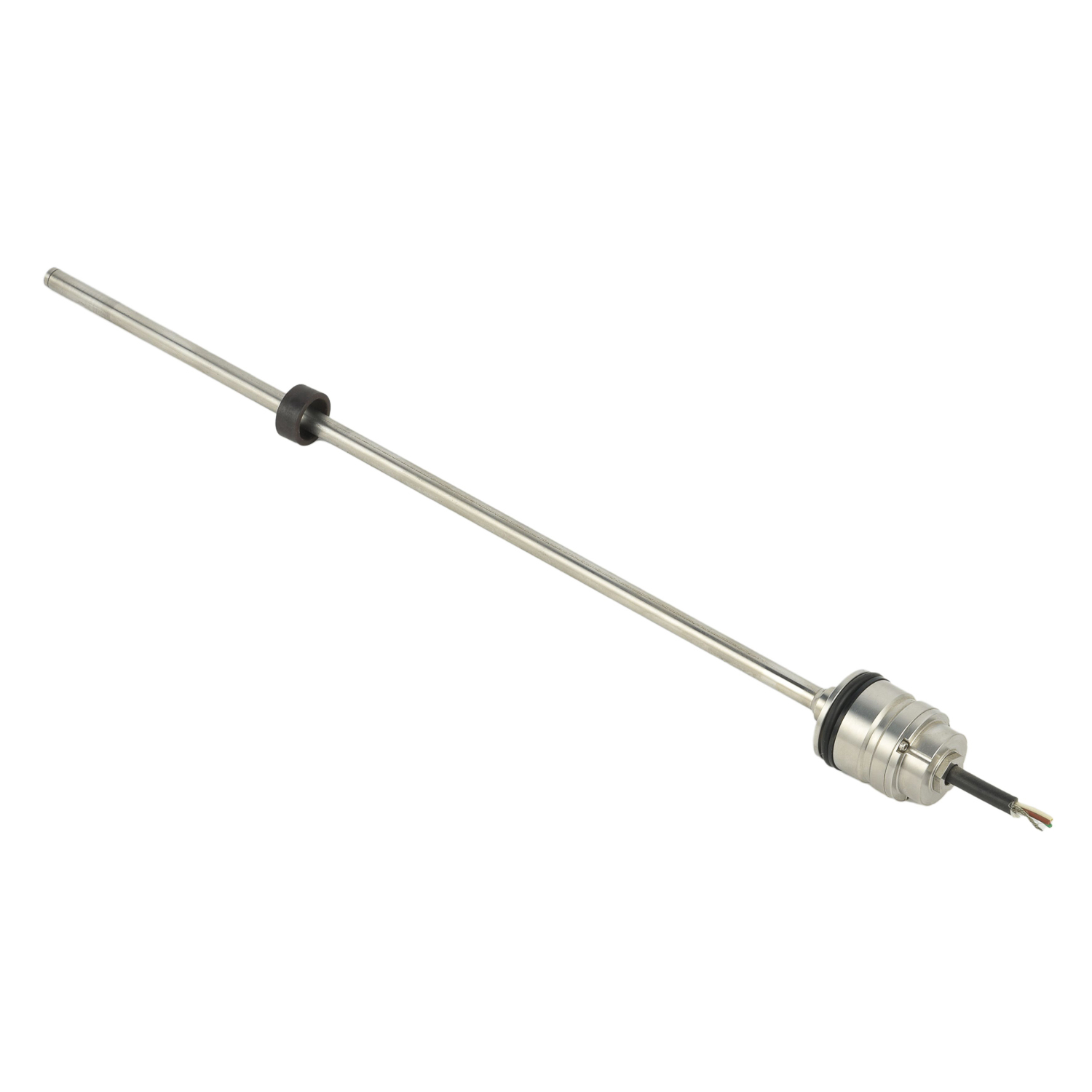 Radar Sensor for Grain and Oil
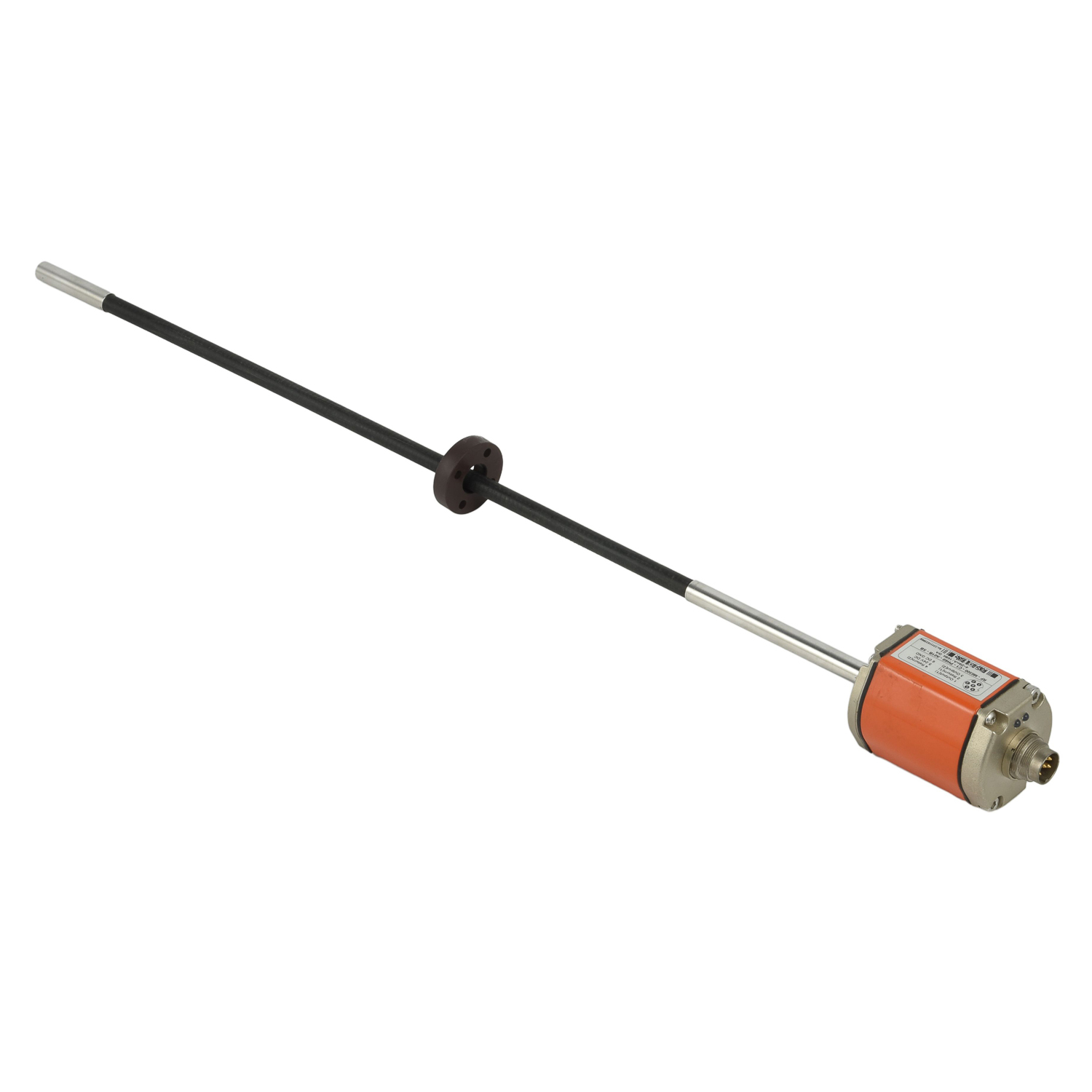 Radar Sensor for Mixing Statio
 Radar Sensor for Shield Tunnel