
Port Corrosion-resistant Crane and Trolley Positioning
Port corrosion-resistant cranes operate in salt spray, high humidity, and continuous loading cycles. Reliable trolley positioning is essential for safe container handling, accurate stacking, and efficient ship-to-shore transfer. A corrosion-resistant crane combines sealed structures, marine-grade coatings, stainless components, and drainage design to resist chloride attack. These protections reduce maintenance and keep positioning sensors, rails, and drive systems stable.
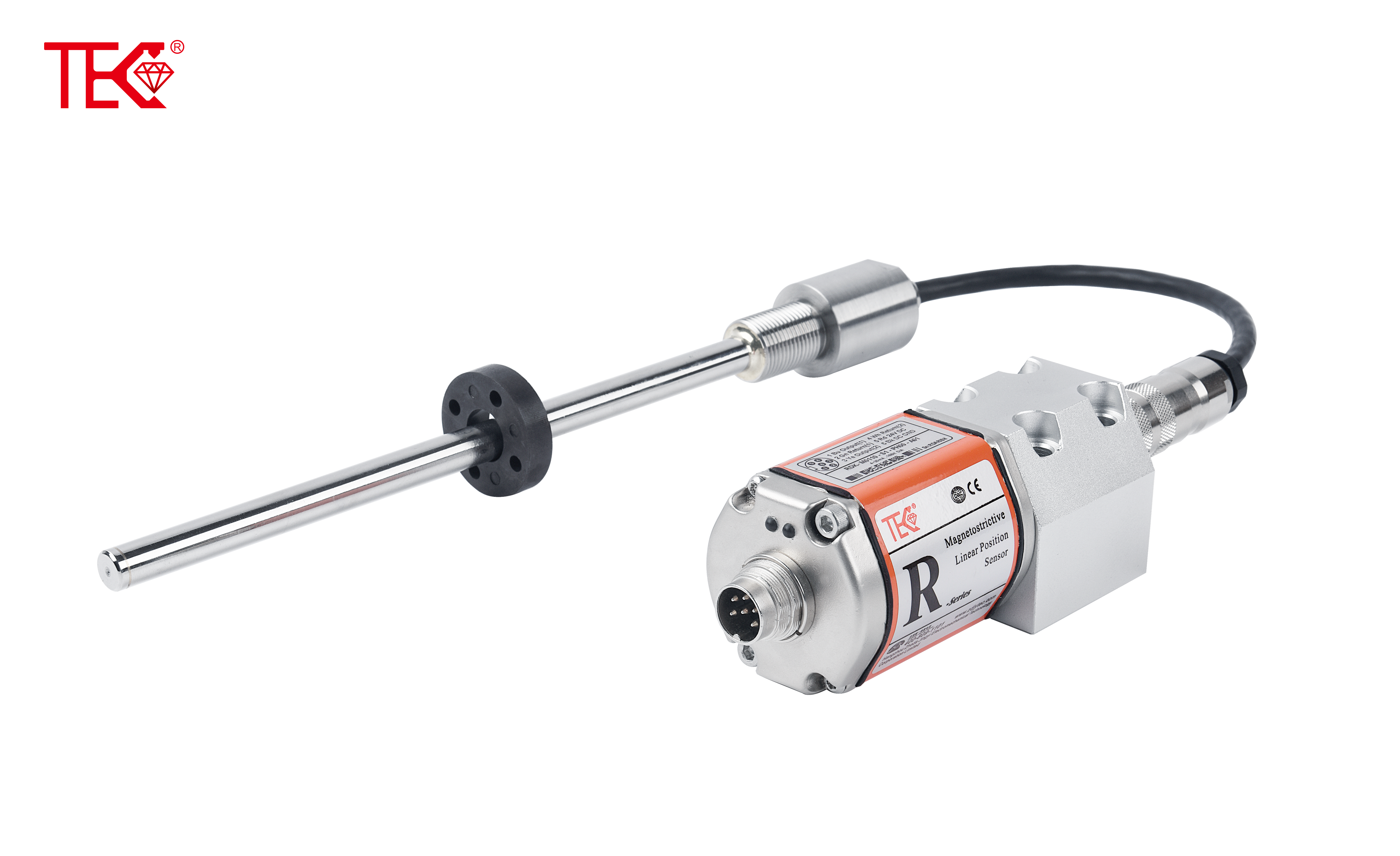
For trolley positioning, engineers often use encoder feedback, laser ranging, RFID tags, or GNSS correction. The control system compares target and actual positions, then adjusts the trolley drive with anti-sway logic. In corrosive ports, IP-rated sensors and protected cable routes prevent signal drift and false readings. Regular inspection of rails, wheels, and limit switches also supports repeatable accuracy.
A well-designed system improves cycle time, reduces collision risk, and lowers downtime. It also helps operators meet safety and environmental standards. By integrating corrosion protection with precise trolley control, ports can achieve dependable performance in harsh marine environments.
Routine maintenance should include coating inspection, fastener checks, rail cleaning, and calibration of position feedback. In port operations, planning spare parts and remote diagnostics minimizes service delays. Properly specified protection and positioning systems deliver long-term reliability, lower life-cycle cost, and safer lifting performance.
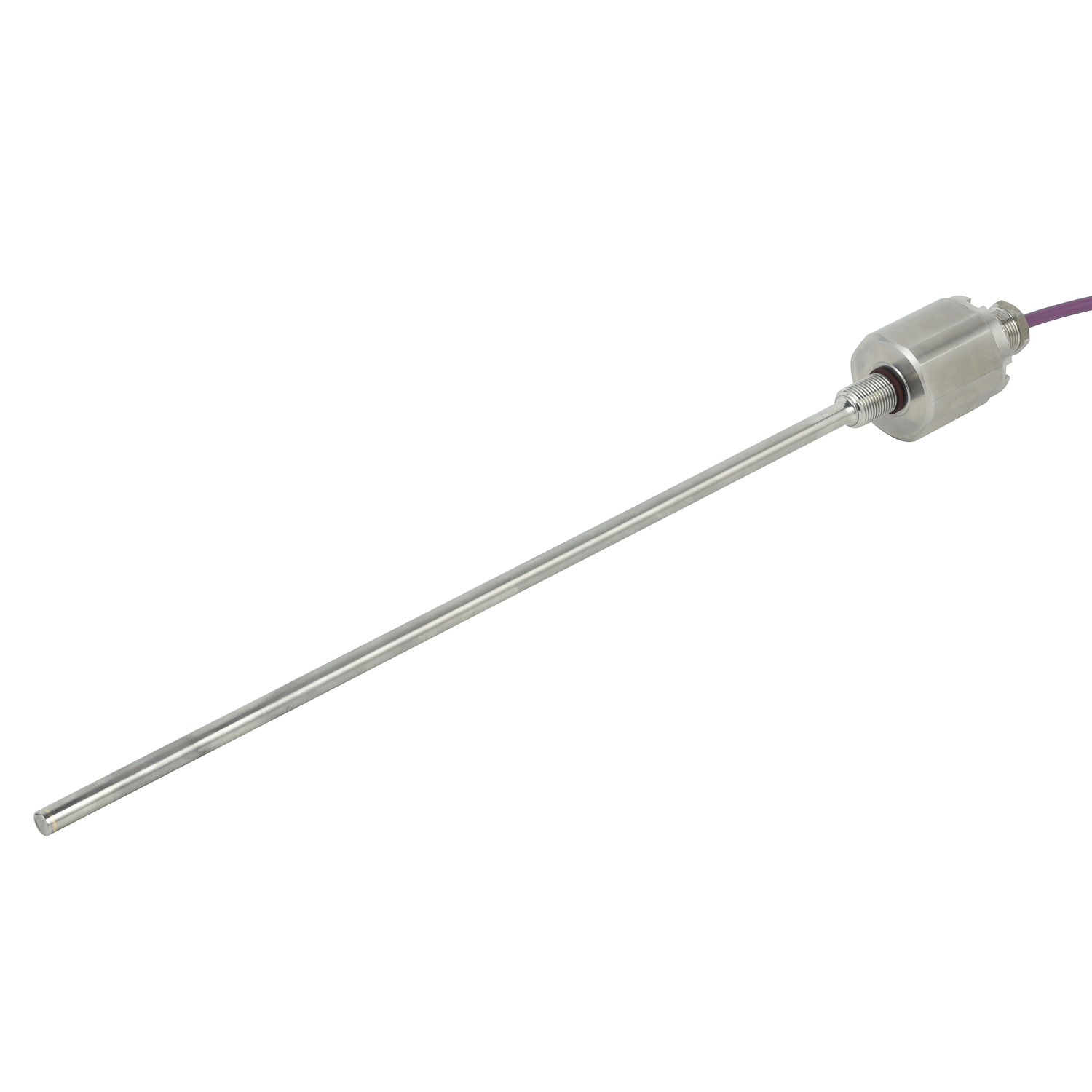
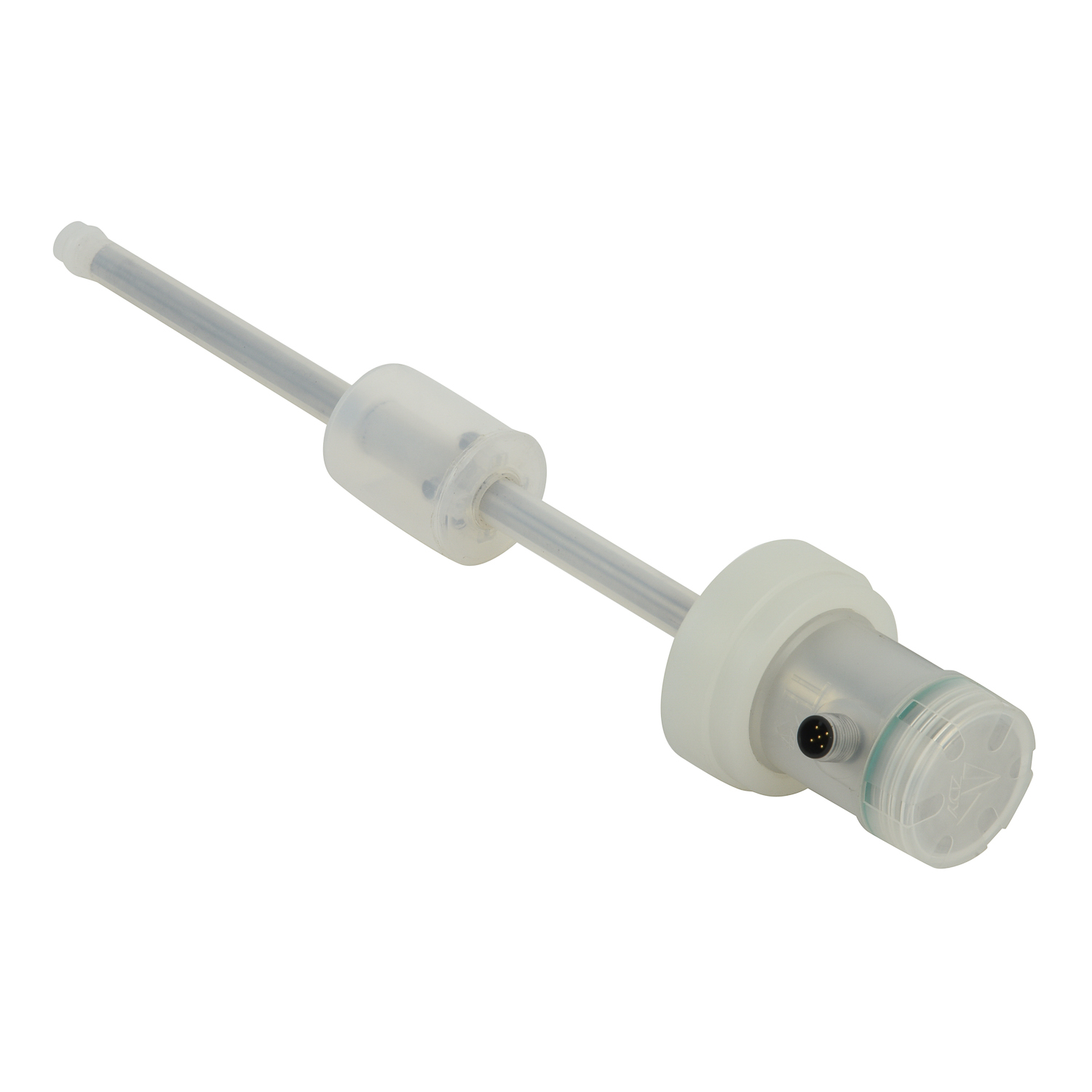 Radar Sensor for Material Tank
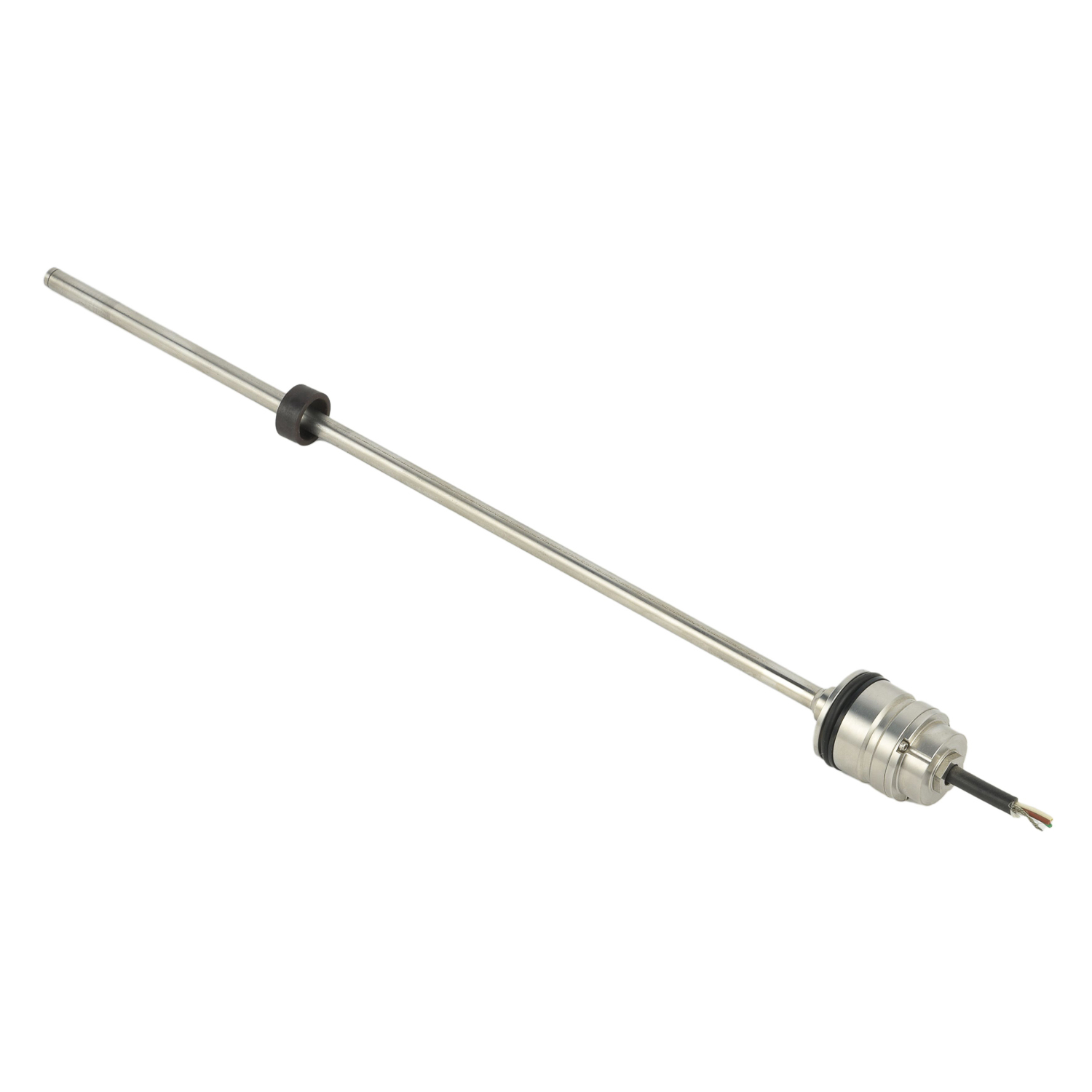 Radar Sensor for Grain and Oil
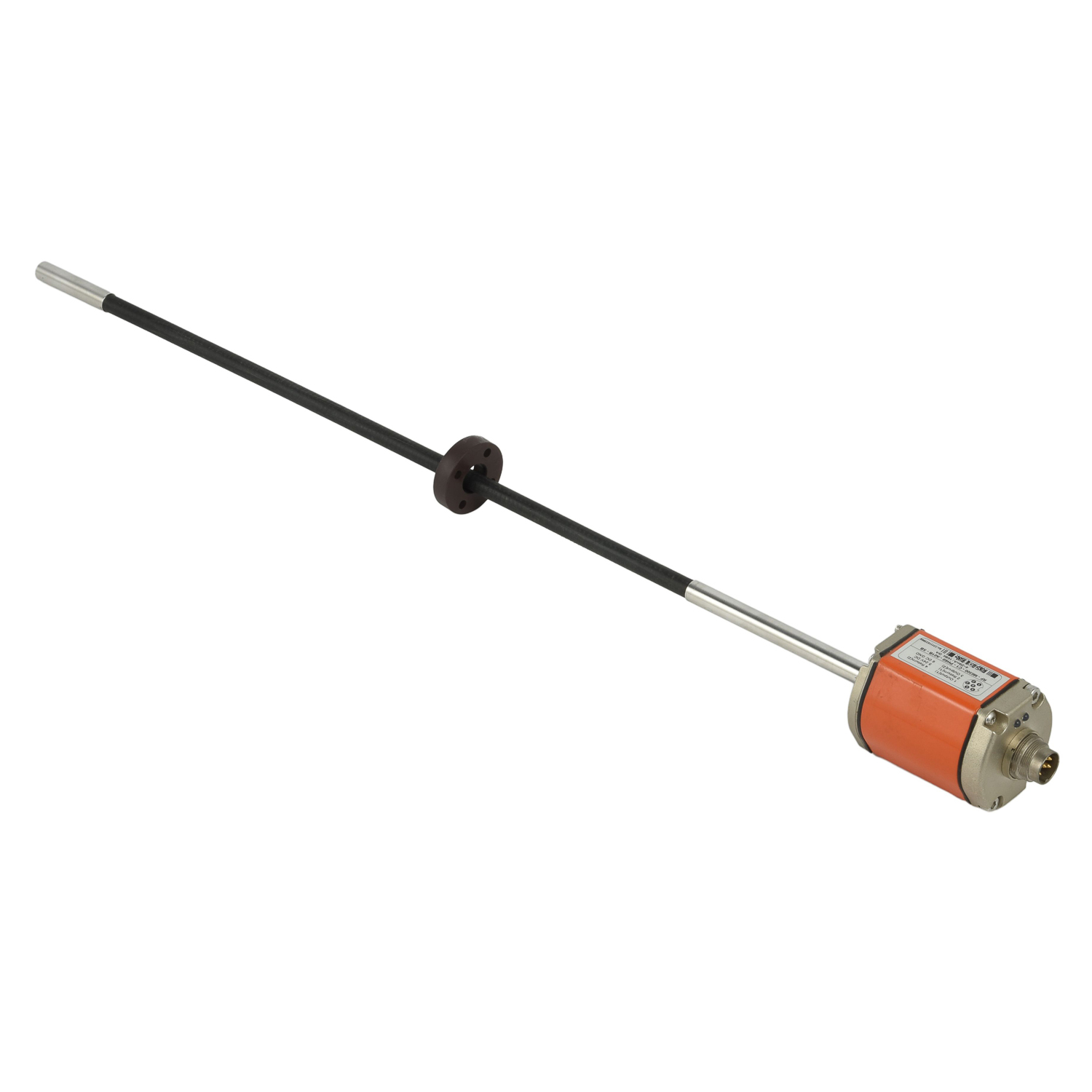 Radar Sensor for Mixing Statio
 Radar Sensor for Shield Tunnel