
Metallurgy Explosion-proof Crane and Trolley Positioning
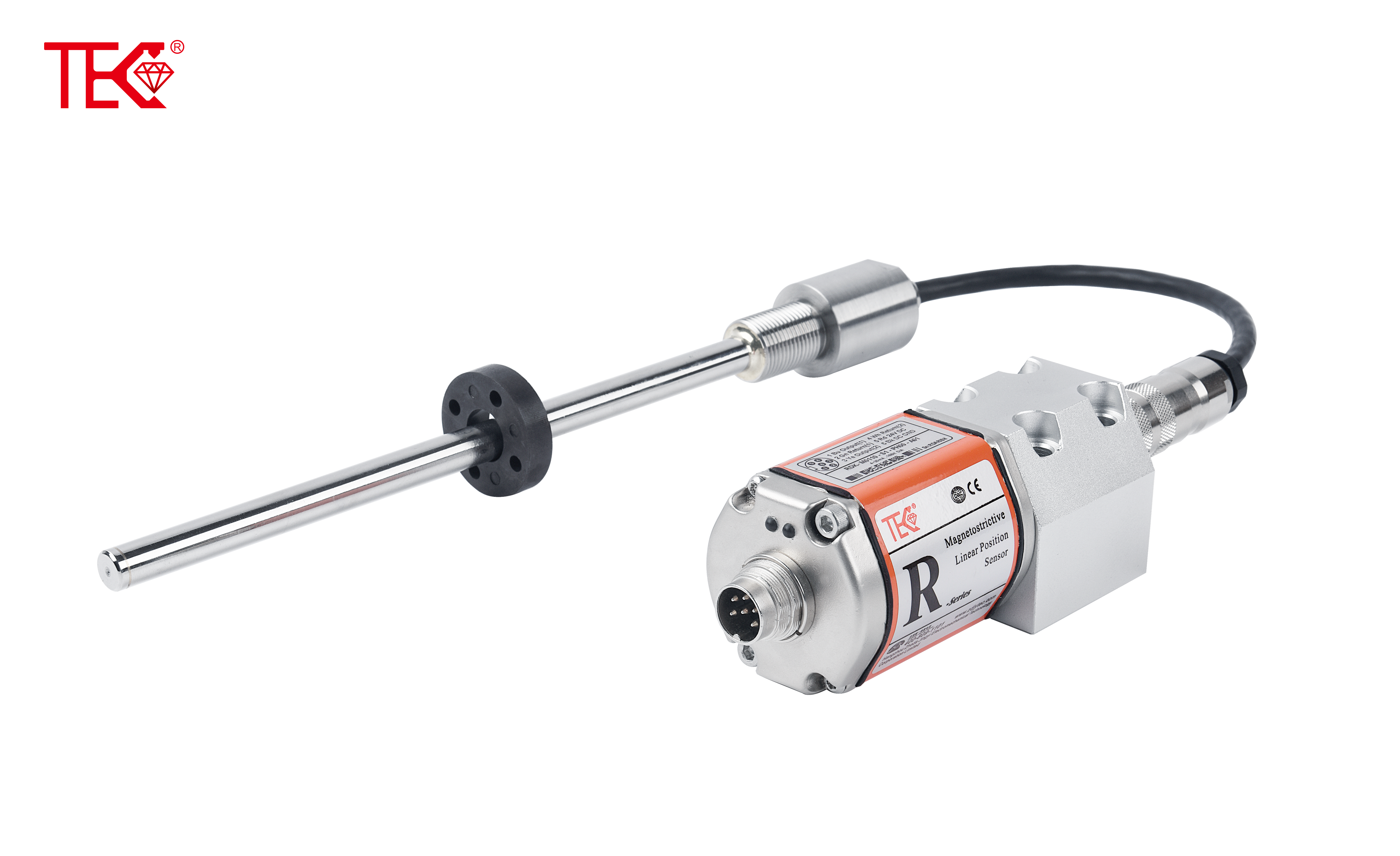
In metallurgical plants, cranes often work where heat, dust, corrosive gases, and explosive atmospheres demand more than standard material handling. An explosion-proof crane must combine robust mechanical design with reliable trolley positioning to keep molten metal, charging, and maintenance tasks safe and repeatable. Accurate positioning reduces swing, collision risk, and operator exposure. Modern systems use absolute encoders, laser distance sensors, and PLC logic to monitor crane and trolley travel in real time. Explosion-proof enclosures and intrinsically safe circuits protect electrical components in hazardous zones. Anti-sway control and zone interlocks prevent hazardous movement near furnaces, ladles, and walkways. Redundant sensors and fail-safe brakes support stable stopping and fault detection. In hazardous areas, equipment selection should match the zone classification and gas or dust group, while the positioning system must remain accurate despite vibration, heat radiation, and electromagnetic interference. Commissioning should verify repeatability at critical furnace and ladle stops, with backup manual controls for emergency recovery. Regular calibration, inspection, and limit-switch testing are essential in high-temperature and dusty conditions. Training and documented checks further strengthen truly on-site safe operation. With smart positioning, metallurgy plants improve cycle time, precision, safety, and reliability while meeting strict explosion-protection requirements.
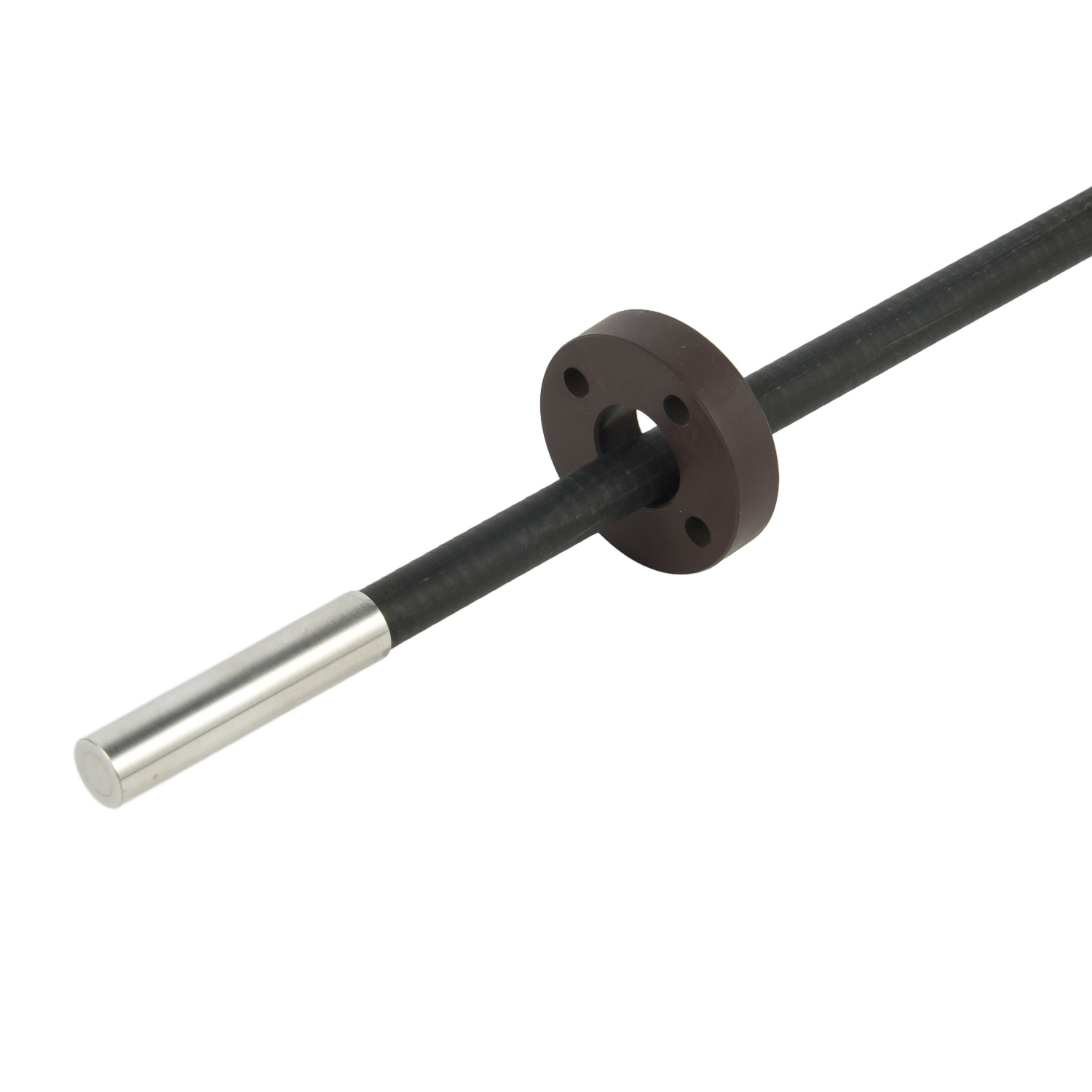
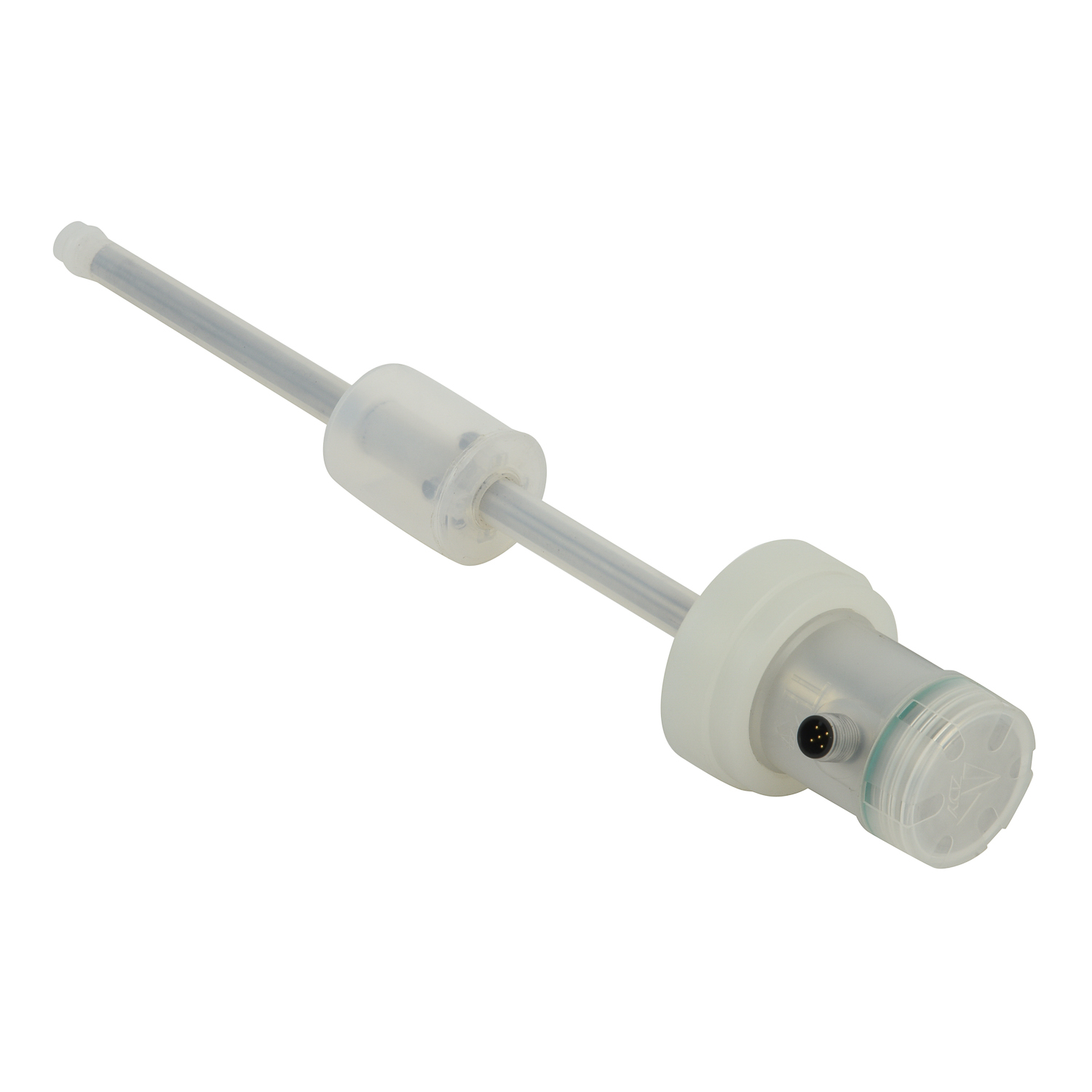 Radar Sensor for Material Tank
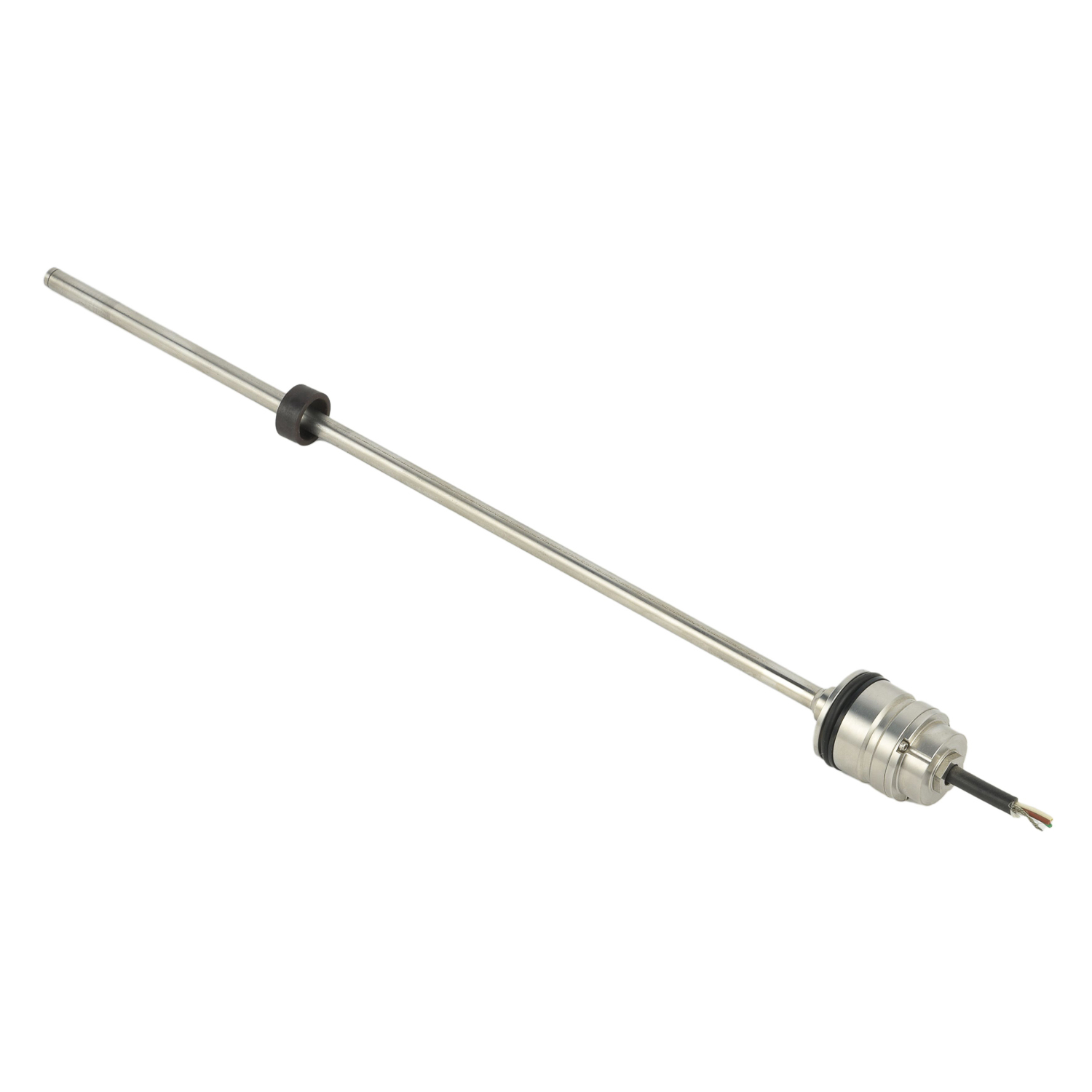 Radar Sensor for Grain and Oil
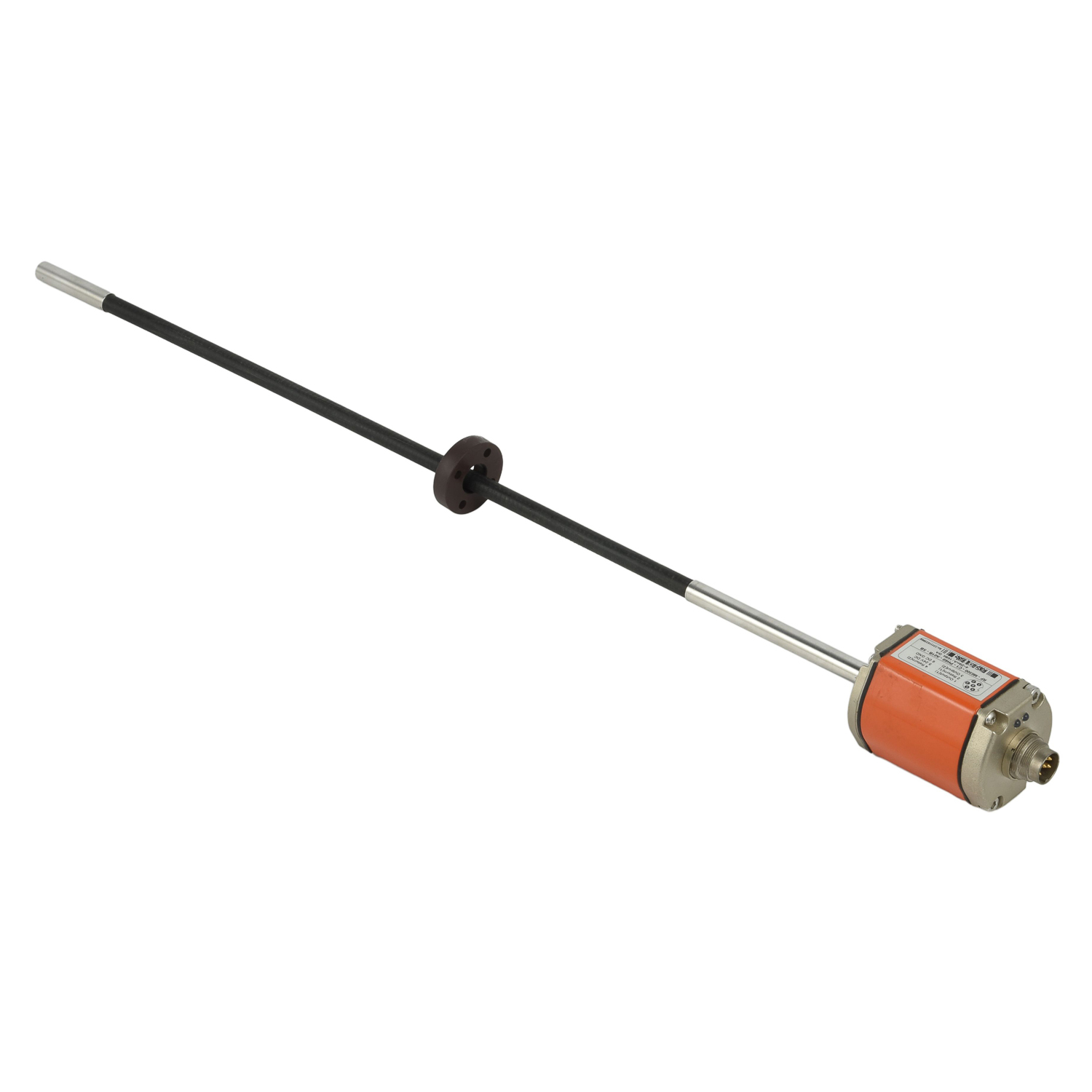 Radar Sensor for Mixing Statio
 Radar Sensor for Shield Tunnel