
Installation Method of Corrosion-resistant Crane and Trolley Positioning
Installing a corrosion-resistant crane and its trolley positioning system requires careful preparation, precise alignment, and strict protection of coated surfaces. First, verify the runway foundation, anchor bolts, and steel structure. Clean all contact areas and repair any coating damage with a compatible anti-corrosion system. Set the crane bridge according to the manufacturer’s drawing, then align the runway rails using laser levels. Rail span, straightness, and level tolerance should be checked before final tightening. Use corrosion-resistant shims and fasteners, and apply sealing compound to exposed joints.
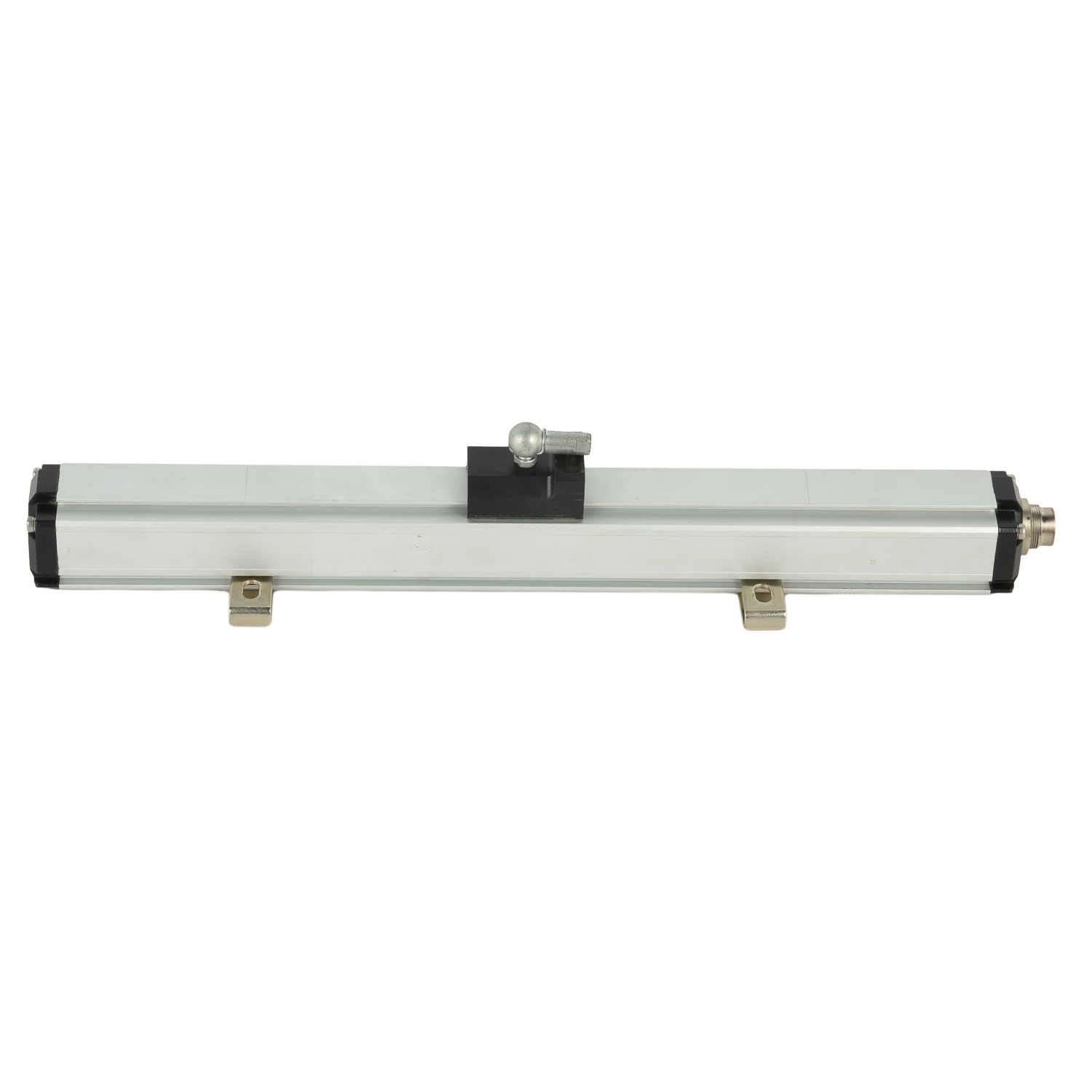
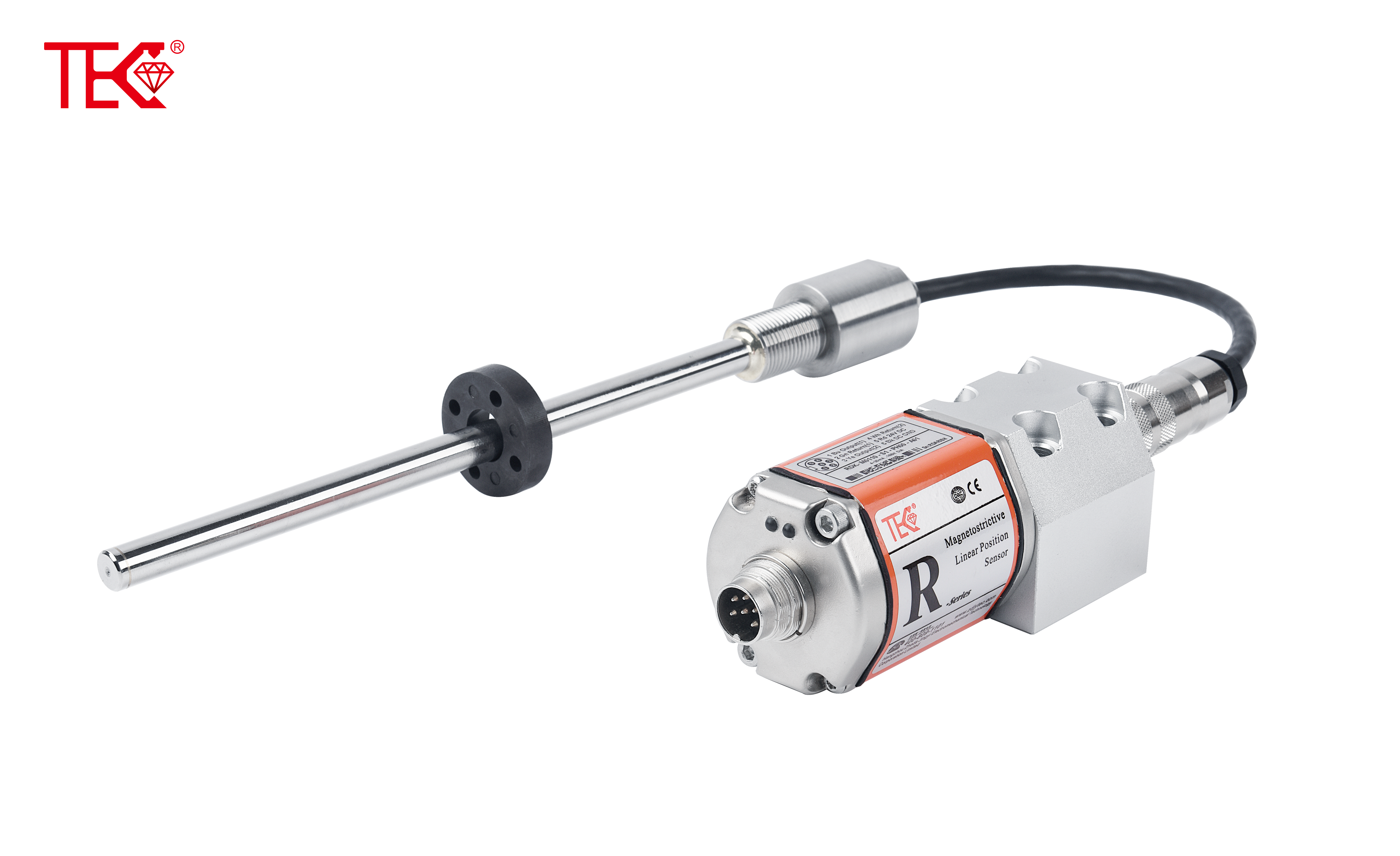
Next, install the trolley and positioning components. For encoder-based positioning, mount the encoder bracket securely and align the measuring wheel or coupling to avoid eccentric load. For laser or magnetic systems, fix reflectors or magnetic strips parallel to the trolley travel path and keep them free from oil, dust, and moisture. Route cables in protected conduits or cable chains, using stainless steel clamps and sealed connectors. Ground the system properly and separate signal cables from power lines to reduce interference.
After mechanical installation, calibrate the zero point and travel limits. Move the trolley slowly through the full stroke and record position feedback at reference points. Repeat calibration until repeatability meets the design requirement. Check brake response, limit switches, and emergency stop functions. Finally, apply touch-up coating to damaged areas, clean the positioning sensors, and complete a commissioning report. Regular inspection of fasteners, seals, and anti-corrosion layers will extend service life in humid, chemical, or outdoor environments.
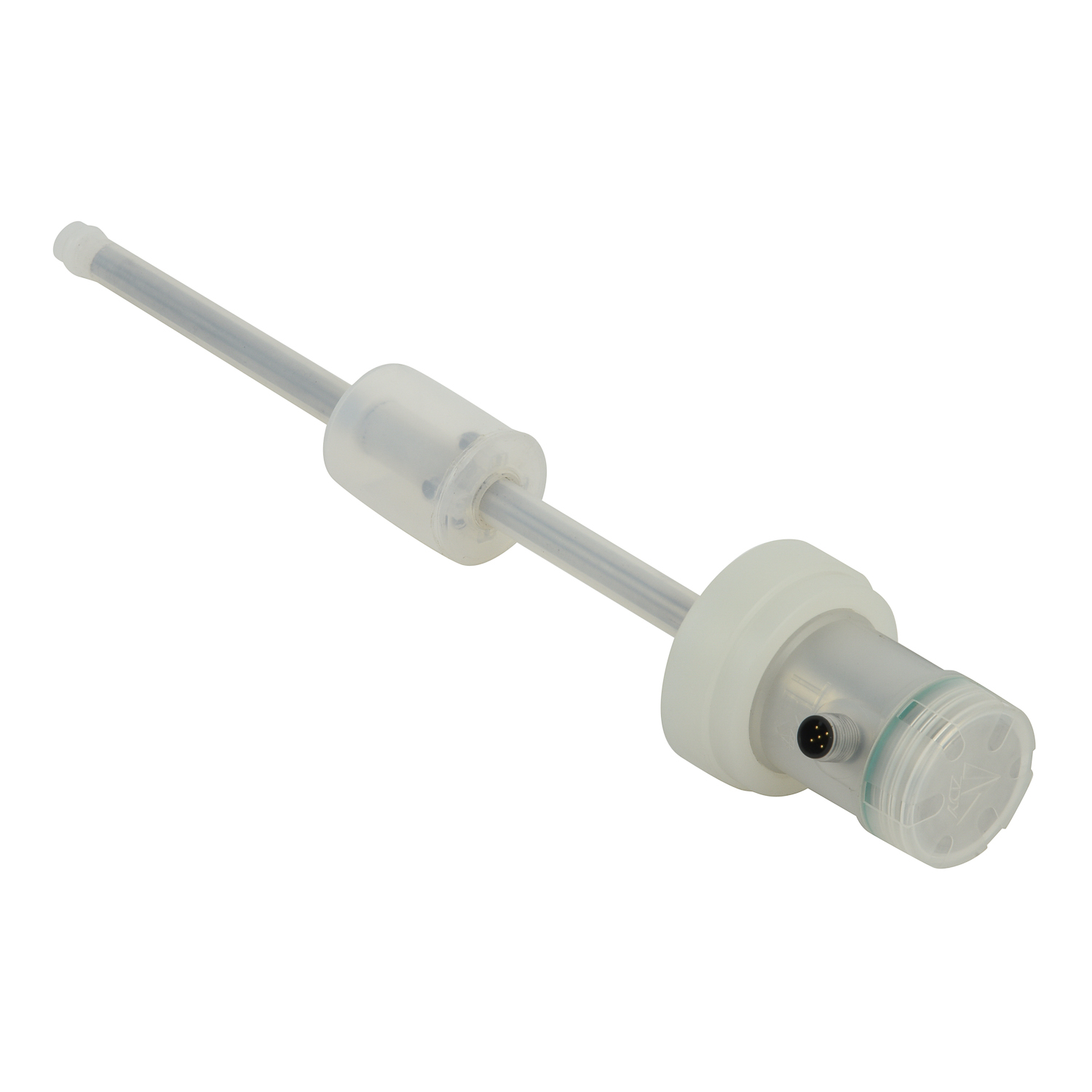 Radar Sensor for Material Tank
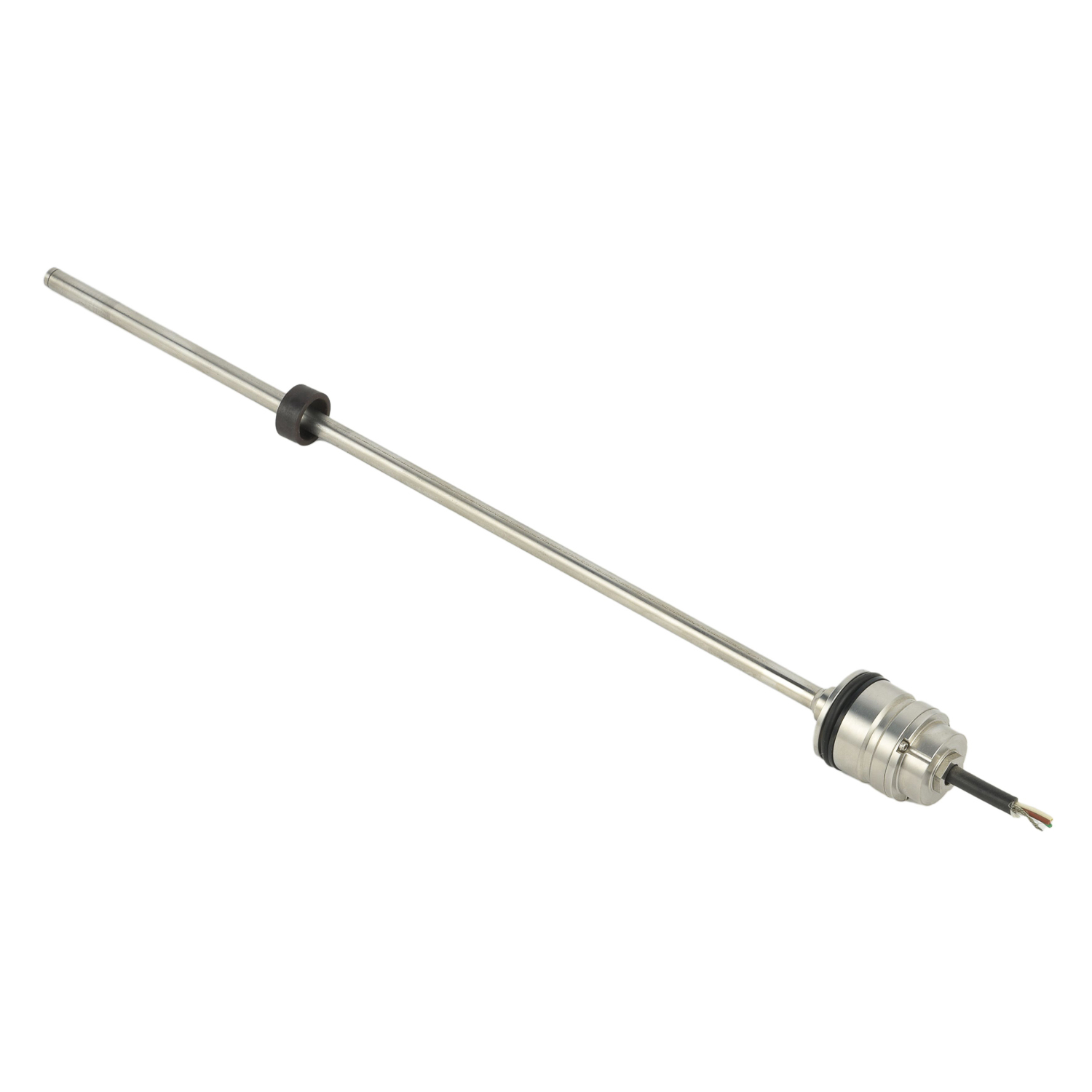 Radar Sensor for Grain and Oil
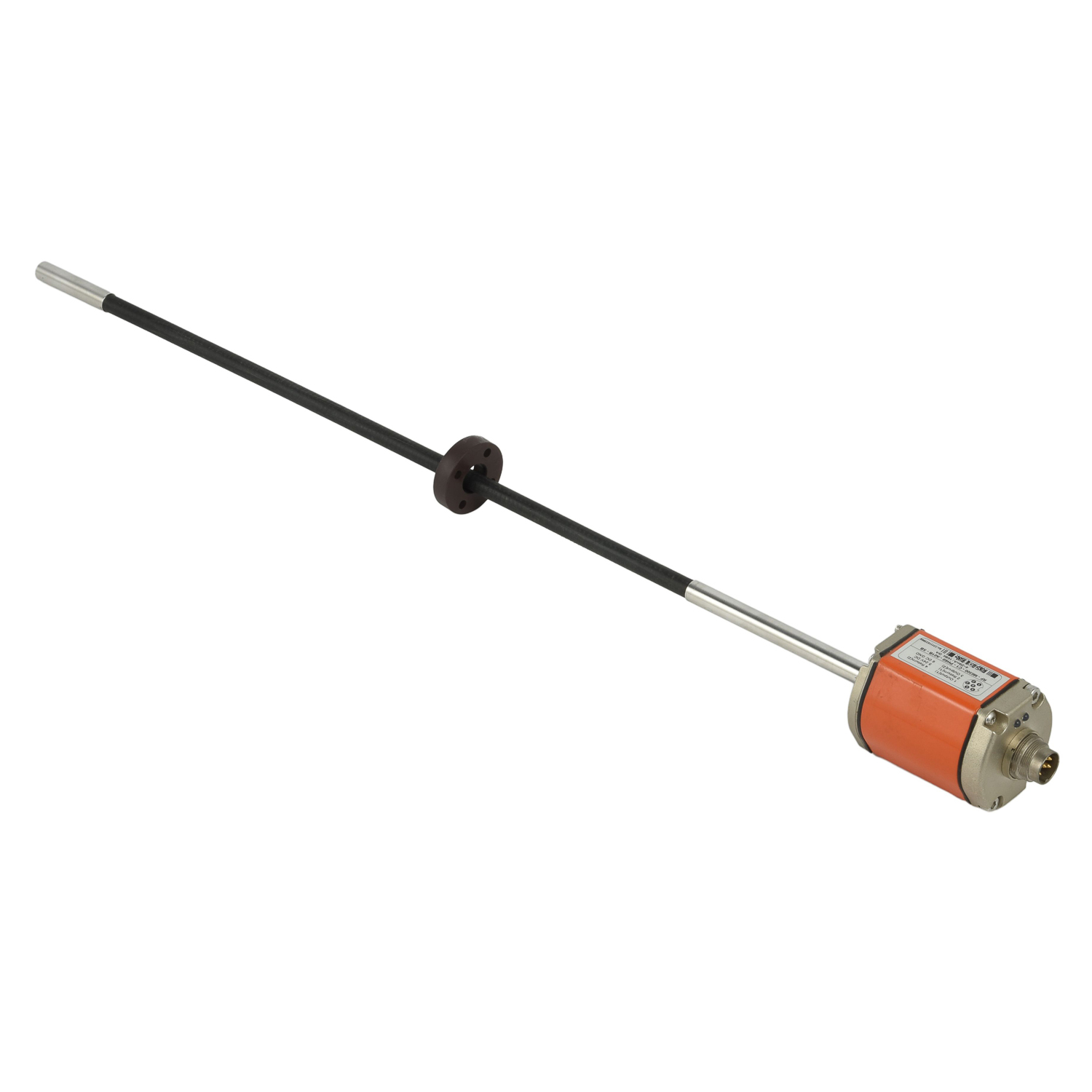 Radar Sensor for Mixing Statio
 Radar Sensor for Shield Tunnel